ADVERTISEMENT

Cooling surge risks straining Philippines' coal-heavy power mix

Published Apr 27, 2026 12:01 am  |  Updated Apr 25, 2026 03:05 pm
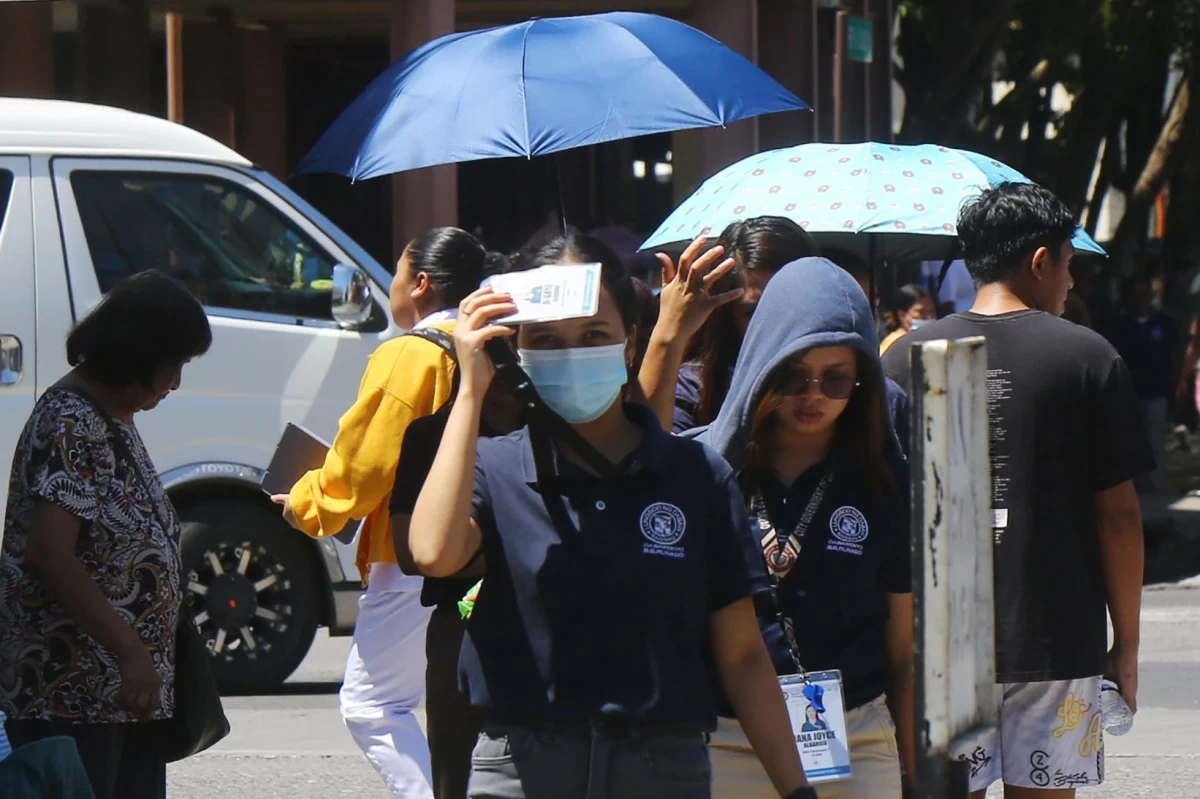
Pedestrians endure the heat in downtown Davao City as the Philippine Atmospheric, Geophysical and Astronomical Services Administration (PAGASA) on Monday, March 23, declared the start of the warm and dry season. (Keith Bacongco/Manila Bulletin)
The Philippines faces a surge in demand for cooling systems as temperatures climb, yet persistent policy gaps and a heavy reliance on coal threaten to undermine the nation’s energy security and climate targets, according to the ASEAN Centre for Energy (ACE).
The country’s power grid, already strained during peak summer months, may face further pressure as air conditioning penetration—currently estimated between five percent and 15 percent—is projected to jump by as much as 600 percent by 2030.
ACE classified the Philippines as a “lower-income” market in terms of cooling access, grouping it with Vietnam, Cambodia, Laos, and Myanmar, all of which are seeing rapid adoption of climate-control technologies due to intensifying heat stress.
While the Philippine government has committed to increasing the share of renewable energy in its power mix to 35 percent by 2030, the regional energy monitor warned that the country remains an outlier for its continued dependence on coal-fired generation. This reliance creates a paradox where the tools used to combat heat contribute to the carbon emissions driving global temperature rises.
The ACE study suggested that a shift toward passive cooling systems (PCS)—which utilize natural ventilation, specialized shading, and thermal insulation to minimize heat gain—could reduce energy consumption for cooling by 22 percent. Such a transition would significantly lower the country’s carbon footprint and alleviate the burden on the aging energy infrastructure.
However, the adoption of these systems remains hindered by systemic hurdles. ACE noted that while the technical and economic benefits of passive cooling are increasingly evident, market transformation is stalled by a lack of awareness, insufficient financing options, and a fragmented regulatory framework.
In the Philippines, the report cited a specific lack of progress in policy development. Regulatory gaps and the weak enforcement of existing building codes have prevented sustainable cooling solutions from reaching mass-market scale. This is particularly critical for industrial sectors that require intensive temperature control for operations.
With less than four years remaining before the start of the 2030 decade, ACE urged more aggressive collaboration between the public and private sectors. The organization emphasized that clear policy signals are necessary to shield end-users from the price volatility of fossil fuels and to ensure that the cooling expansion does not lead to a spike in electricity costs for households and businesses already facing high utility rates.

Related Tags

Center for Energy ASEAN
ADVERTISEMENT
.most-popular .layout-ratio{ padding-bottom: 79.13%; } @media (min-width: 768px) and (max-width: 1024px) { .widget-title { font-size: 15px !important; } }

{{ articles_filter_1561_widget.title }}

.most-popular .layout-ratio{ padding-bottom: 79.13%; } @media (min-width: 768px) and (max-width: 1024px) { .widget-title { font-size: 15px !important; } }

{{ articles_filter_1562_widget.title }}

.most-popular .layout-ratio{ padding-bottom: 79.13%; } @media (min-width: 768px) and (max-width: 1024px) { .widget-title { font-size: 15px !important; } }

{{ articles_filter_1563_widget.title }}

{{ articles_filter_1564_widget.title }}

.mb-article-details { position: relative; } .mb-article-details .article-body-preview, .mb-article-details .article-body-summary{ font-size: 17px; line-height: 30px; font-family: "Libre Caslon Text", serif; color: #000; } .mb-article-details .article-body-preview iframe , .mb-article-details .article-body-summary iframe{ width: 100%; margin: auto; } .read-more-background { background: linear-gradient(180deg, color(display-p3 1.000 1.000 1.000 / 0) 13.75%, color(display-p3 1.000 1.000 1.000 / 0.8) 30.79%, color(display-p3 1.000 1.000 1.000) 72.5%); position: absolute; height: 200px; width: 100%; bottom: 0; display: flex; justify-content: center; align-items: center; padding: 0; } .read-more-background a{ color: #000; } .read-more-btn { padding: 17px 45px; font-family: Inter; font-weight: 700; font-size: 18px; line-height: 16px; text-align: center; vertical-align: middle; border: 1px solid black; background-color: white; } .hidden { display: none; }
function initializeAllSwipers() { // Get all hidden inputs with cms_article_id document.querySelectorAll('[id^="cms_article_id_"]').forEach(function (input) { const cmsArticleId = input.value; const articleSelector = '#article-' + cmsArticleId + ' .body_images'; const swiperElement = document.querySelector(articleSelector); if (swiperElement && !swiperElement.classList.contains('swiper-initialized')) { new Swiper(articleSelector, { loop: true, pagination: false, navigation: { nextEl: '#article-' + cmsArticleId + ' .swiper-button-next', prevEl: '#article-' + cmsArticleId + ' .swiper-button-prev', }, }); } }); } setTimeout(initializeAllSwipers, 3000); const intersectionObserver = new IntersectionObserver( (entries) => { entries.forEach((entry) => { if (entry.isIntersecting) { const newUrl = entry.target.getAttribute("data-url"); if (newUrl) { history.pushState(null, null, newUrl); let article = entry.target; // Extract metadata const author = article.querySelector('.author-section').textContent.replace('By', '').trim(); const section = article.querySelector('.section-info ').textContent.replace(' ', ' '); const title = article.querySelector('.article-title h1').textContent; // Parse URL for Chartbeat path format const parsedUrl = new URL(newUrl, window.location.origin); const cleanUrl = parsedUrl.host + parsedUrl.pathname; // Update Chartbeat configuration if (typeof window._sf_async_config !== 'undefined') { window._sf_async_config.path = cleanUrl; window._sf_async_config.sections = section; window._sf_async_config.authors = author; } // Track virtual page view with Chartbeat if (typeof pSUPERFLY !== 'undefined' && typeof pSUPERFLY.virtualPage === 'function') { try { pSUPERFLY.virtualPage({ path: cleanUrl, title: title, sections: section, authors: author }); } catch (error) { console.error('ping error', error); } } // Optional: Update document title if (title && title !== document.title) { document.title = title; } } } }); }, { threshold: 0.1 } ); function showArticleBody(button) { const article = button.closest("article"); const summary = article.querySelector(".article-body-summary"); const body = article.querySelector(".article-body-preview"); const readMoreSection = article.querySelector(".read-more-background"); // Hide summary and read-more section summary.style.display = "none"; readMoreSection.style.display = "none"; // Show the full article body body.classList.remove("hidden"); } document.addEventListener("DOMContentLoaded", () => { let loadCount = 0; // Track how many times articles are loaded const offset = [1, 2, 3, 4, 5, 6, 7, 8, 9, 10]; // Offset values const currentUrl = window.location.pathname.substring(1); let isLoading = false; // Prevent multiple calls if (!currentUrl) { console.log("Current URL is invalid."); return; } const sentinel = document.getElementById("load-more-sentinel"); if (!sentinel) { console.log("Sentinel element not found."); return; } function isSentinelVisible() { const rect = sentinel.getBoundingClientRect(); return ( rect.top < window.innerHeight && rect.bottom >= 0 ); } function onScroll() { if (isLoading) return; if (isSentinelVisible()) { if (loadCount >= offset.length) { console.log("Maximum load attempts reached."); window.removeEventListener("scroll", onScroll); return; } isLoading = true; const currentOffset = offset[loadCount]; window.loadMoreItems().then(() => { let article = document.querySelector('#widget_1690 > div:nth-last-of-type(2) article'); intersectionObserver.observe(article) loadCount++; }).catch(error => { console.error("Error loading more items:", error); }).finally(() => { isLoading = false; }); } } window.addEventListener("scroll", onScroll); });

Sign up by email to receive news.