ADVERTISEMENT

Protect intellectual property; let AI flourish responsibly

Published Apr 26, 2026 12:05 am  |  Updated Apr 25, 2026 03:39 pm
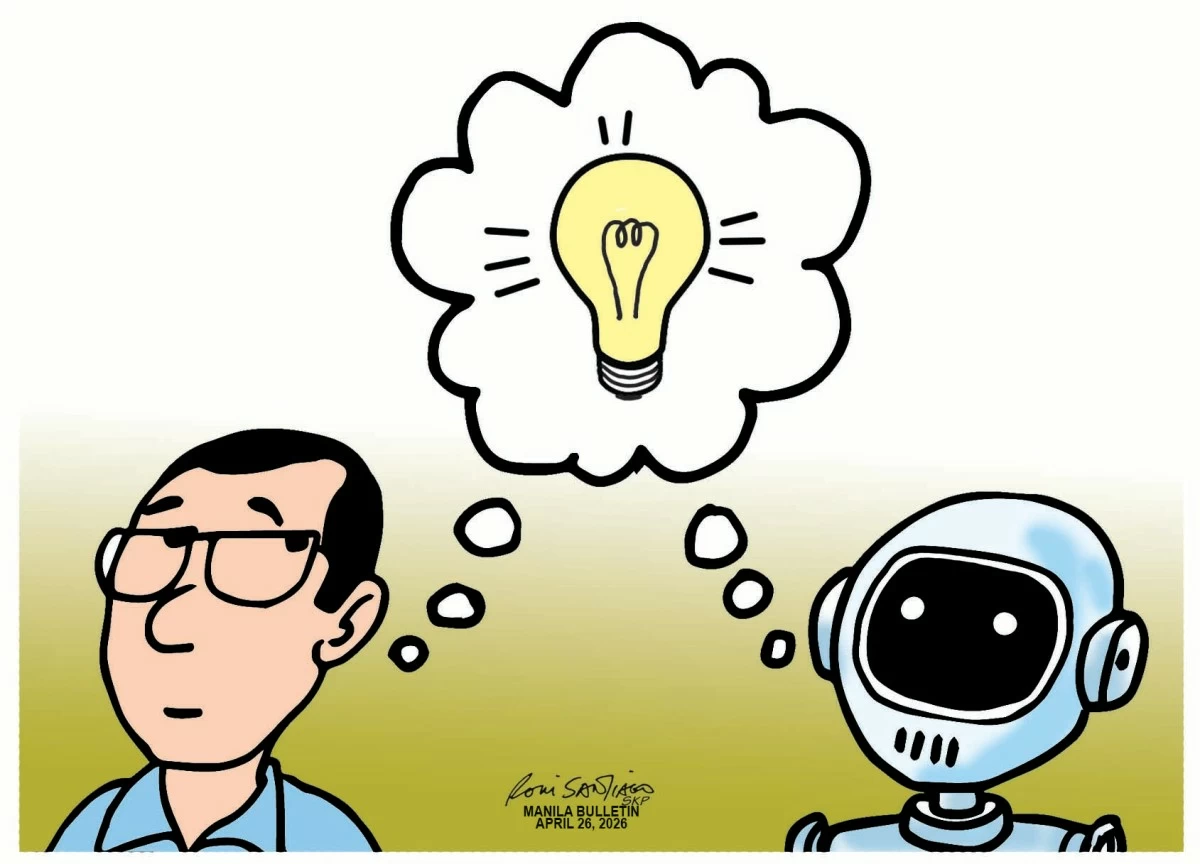
Artificial intelligence is now a force reshaping how value is created, owned, and shared. As the international community marks World Intellectual Property Day today and the Philippines steps into a leadership role in ASEAN’s push for stronger intellectual property (IP) valuation and commercialization, the challenge is clear. Creators must be protected without suffocating innovation. Addressing the challenge lies not in restriction, but in building guardrails that allow AI to flourish responsibly.
At the core of this issue is the reality that IP systems were designed for a world where humans were the sole creators. Today, algorithms generate art, compose music, write code, and design products. This shift blurs the line between tool and creator, raising difficult questions about ownership, attribution, and fair use. If left unaddressed, these ambiguities could erode trust in IP systems and discourage both human creativity and technological progress.
Government action must, therefore, be both decisive and forward-looking.
First, the Philippines should accelerate the development of clear, adaptive guidelines for AI-generated works, particularly in trademarks and copyrights. These guidelines must go beyond legal definitions and offer practical tools for examiners, businesses, and creators. Case-based frameworks, as proposed, are a strong start, but they must be continuously updated to keep pace with evolving technologies.
Second, the government should invest in AI-powered IP enforcement. Just as AI can generate content, it can also detect infringement at scale—flagging unauthorized use, identifying deepfakes, and tracking the misuse of digital assets across platforms. Enforcement must become as sophisticated as the threats it addresses.
Third, regional cooperation within ASEAN should be deepened. Harmonized standards for AI-related IP will reduce uncertainty for businesses operating across borders. The Philippines, already leading the conversation, has an opportunity to shape a model that balances innovation with accountability, one that could influence global norms.
The private sector, on the other hand, must step up not merely as stakeholders, but as co-architects of the solution. Technology companies, in particular, should embed IP protection into the design of their AI systems. This includes transparency in training data, mechanisms for attribution, and safeguards against the unauthorized replication of protected works. Ethical AI must be a business imperative, not just a branding exercise.
Meanwhile, enterprises, especially startups and MSMEs, must become more proactive in managing their own IP. This means not only registering trademarks and copyrights, but also understanding how their data and digital assets are used in AI systems. In an economy increasingly driven by intangibles, awareness serves as protection.
Filipino professionals and students also have a critical role to play. The future of IP will not be shaped solely in courtrooms or boardrooms, but in classrooms, studios, and code repositories. Professionals must advocate for ethical standards in their respective fields, ensuring that AI is used to augment and not exploit human creativity. Students, on the other hand, must cultivate both technical literacy and ethical awareness. Knowing how to use AI is not enough; understanding its implications is essential.
Respect for intellectual property begins with individual choices. It means respecting and citing sources, seeking permission, and valuing originality. In the age of AI, these habits become even more important, as the ease of creation can tempt shortcuts that undermine integrity.
Ultimately, protecting IP in the era of artificial intelligence is not about drawing hard lines; it is about building a system that evolves with technology while staying anchored in integrity and fairness. The goal is not to limit what AI can do, but to ensure that as it expands the boundaries of creativity, it does not erase the rights of those who inspire it.
If done right, the Philippines can help lead a future where innovation and protection are not opposing forces, but partners in progress.

Related Tags

artificial intelligence Editorial
ADVERTISEMENT
.most-popular .layout-ratio{ padding-bottom: 79.13%; } @media (min-width: 768px) and (max-width: 1024px) { .widget-title { font-size: 15px !important; } }

{{ articles_filter_1561_widget.title }}

.most-popular .layout-ratio{ padding-bottom: 79.13%; } @media (min-width: 768px) and (max-width: 1024px) { .widget-title { font-size: 15px !important; } }

{{ articles_filter_1562_widget.title }}

.most-popular .layout-ratio{ padding-bottom: 79.13%; } @media (min-width: 768px) and (max-width: 1024px) { .widget-title { font-size: 15px !important; } }

{{ articles_filter_1563_widget.title }}

{{ articles_filter_1564_widget.title }}

.mb-article-details { position: relative; } .mb-article-details .article-body-preview, .mb-article-details .article-body-summary{ font-size: 17px; line-height: 30px; font-family: "Libre Caslon Text", serif; color: #000; } .mb-article-details .article-body-preview iframe , .mb-article-details .article-body-summary iframe{ width: 100%; margin: auto; } .read-more-background { background: linear-gradient(180deg, color(display-p3 1.000 1.000 1.000 / 0) 13.75%, color(display-p3 1.000 1.000 1.000 / 0.8) 30.79%, color(display-p3 1.000 1.000 1.000) 72.5%); position: absolute; height: 200px; width: 100%; bottom: 0; display: flex; justify-content: center; align-items: center; padding: 0; } .read-more-background a{ color: #000; } .read-more-btn { padding: 17px 45px; font-family: Inter; font-weight: 700; font-size: 18px; line-height: 16px; text-align: center; vertical-align: middle; border: 1px solid black; background-color: white; } .hidden { display: none; }
function initializeAllSwipers() { // Get all hidden inputs with cms_article_id document.querySelectorAll('[id^="cms_article_id_"]').forEach(function (input) { const cmsArticleId = input.value; const articleSelector = '#article-' + cmsArticleId + ' .body_images'; const swiperElement = document.querySelector(articleSelector); if (swiperElement && !swiperElement.classList.contains('swiper-initialized')) { new Swiper(articleSelector, { loop: true, pagination: false, navigation: { nextEl: '#article-' + cmsArticleId + ' .swiper-button-next', prevEl: '#article-' + cmsArticleId + ' .swiper-button-prev', }, }); } }); } setTimeout(initializeAllSwipers, 3000); const intersectionObserver = new IntersectionObserver( (entries) => { entries.forEach((entry) => { if (entry.isIntersecting) { const newUrl = entry.target.getAttribute("data-url"); if (newUrl) { history.pushState(null, null, newUrl); let article = entry.target; // Extract metadata const author = article.querySelector('.author-section').textContent.replace('By', '').trim(); const section = article.querySelector('.section-info ').textContent.replace(' ', ' '); const title = article.querySelector('.article-title h1').textContent; // Parse URL for Chartbeat path format const parsedUrl = new URL(newUrl, window.location.origin); const cleanUrl = parsedUrl.host + parsedUrl.pathname; // Update Chartbeat configuration if (typeof window._sf_async_config !== 'undefined') { window._sf_async_config.path = cleanUrl; window._sf_async_config.sections = section; window._sf_async_config.authors = author; } // Track virtual page view with Chartbeat if (typeof pSUPERFLY !== 'undefined' && typeof pSUPERFLY.virtualPage === 'function') { try { pSUPERFLY.virtualPage({ path: cleanUrl, title: title, sections: section, authors: author }); } catch (error) { console.error('ping error', error); } } // Optional: Update document title if (title && title !== document.title) { document.title = title; } } } }); }, { threshold: 0.1 } ); function showArticleBody(button) { const article = button.closest("article"); const summary = article.querySelector(".article-body-summary"); const body = article.querySelector(".article-body-preview"); const readMoreSection = article.querySelector(".read-more-background"); // Hide summary and read-more section summary.style.display = "none"; readMoreSection.style.display = "none"; // Show the full article body body.classList.remove("hidden"); } document.addEventListener("DOMContentLoaded", () => { let loadCount = 0; // Track how many times articles are loaded const offset = [1, 2, 3, 4, 5, 6, 7, 8, 9, 10]; // Offset values const currentUrl = window.location.pathname.substring(1); let isLoading = false; // Prevent multiple calls if (!currentUrl) { console.log("Current URL is invalid."); return; } const sentinel = document.getElementById("load-more-sentinel"); if (!sentinel) { console.log("Sentinel element not found."); return; } function isSentinelVisible() { const rect = sentinel.getBoundingClientRect(); return ( rect.top < window.innerHeight && rect.bottom >= 0 ); } function onScroll() { if (isLoading) return; if (isSentinelVisible()) { if (loadCount >= offset.length) { console.log("Maximum load attempts reached."); window.removeEventListener("scroll", onScroll); return; } isLoading = true; const currentOffset = offset[loadCount]; window.loadMoreItems().then(() => { let article = document.querySelector('#widget_1690 > div:nth-last-of-type(2) article'); intersectionObserver.observe(article) loadCount++; }).catch(error => { console.error("Error loading more items:", error); }).finally(() => { isLoading = false; }); } } window.addEventListener("scroll", onScroll); });

Sign up by email to receive news.