







Landfills ordered to submit plans; LGUs told to shut dumpsites
By Jel Santos
Published Apr 26, 2026 01:29 pm


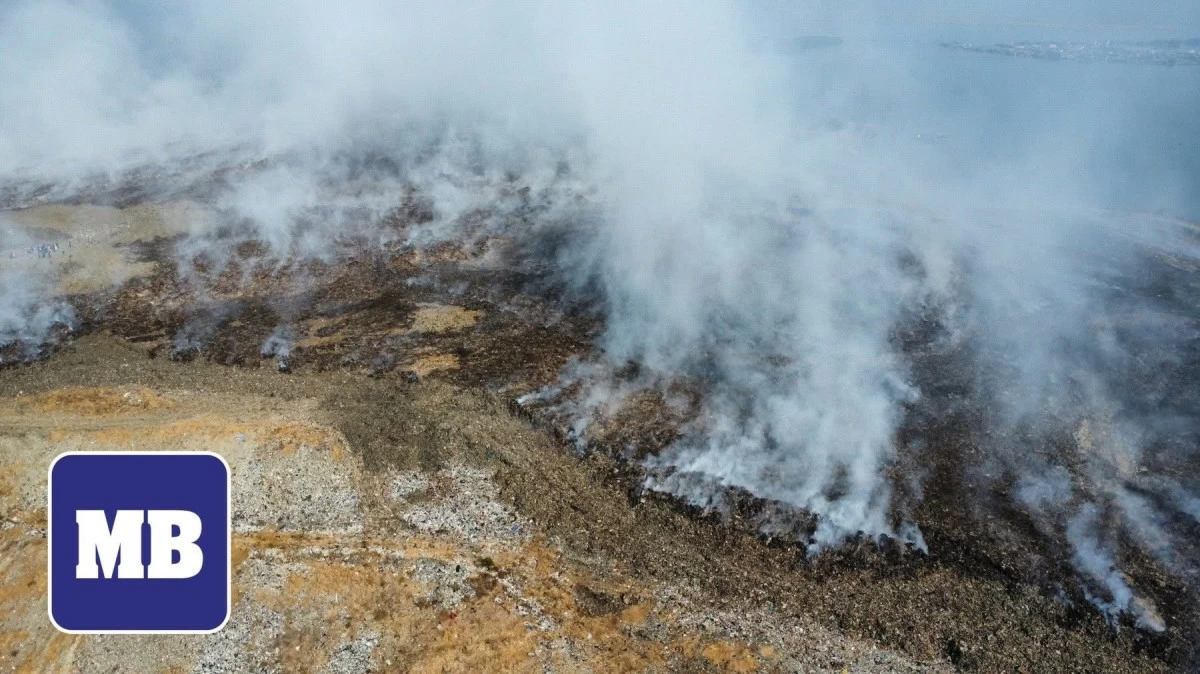
(MB FILE PHOTO)
The Department of Environment and Natural Resources (DENR) has directed sanitary landfill operators nationwide to submit contingency plans for fires and other emergencies, while ordering local government units (LGUs) to immediately cease the operation of open and controlled dumpsites to protect nearby communities.
This comes after the inactive Navotas Sanitary Landfill was gutted by fire on April 10, which raised concerns over waste facility safety and environmental risks.
In a memorandum dated April 22, Environmental Management Bureau (EMB) Director Jacqueline A. Caancan instructed all regional offices to require sanitary landfill (SLF) operators within their jurisdictions to submit contingency plans within 15 days from receipt.
The agency said the plans must cover fire prevention and suppression measures, emergency response protocols for incidents such as fires, slope failure, leachate overflow, and gas explosions, as well as the installation and maintenance of gas venting and monitoring systems.
As such, DENR noted that it must include coordination mechanisms with LGUs, the Bureau of Fire Protection (BFP), and other agencies, along with evacuation and public safety procedures and post-incident rehabilitation and environmental mitigation measures.
The department underscored that preparedness is critical to minimizing risks to public health, property, and the environment, particularly amid extreme heat conditions.
At the same time, the EMB reminded LGUs that open dumping remains strictly prohibited, and that those operating open or controlled dumpsites must immediately stop operations and implement their Safe Closure and Rehabilitation Plan (SCRP).
For closed dumpsites, EMB regional offices were directed to verify the status of rehabilitation, take appropriate action based on findings, and provide technical assistance to ensure compliance with national guidelines.
Regional directors were also ordered to conduct regular inspections and validation of disposal facilities, assess risks and site conditions, and identify high-risk areas requiring immediate intervention.