ADVERTISEMENT

Exploring traditional Korean houses around the country

Published Apr 26, 2026 10:00 am  |  Updated Apr 26, 2026 06:53 am
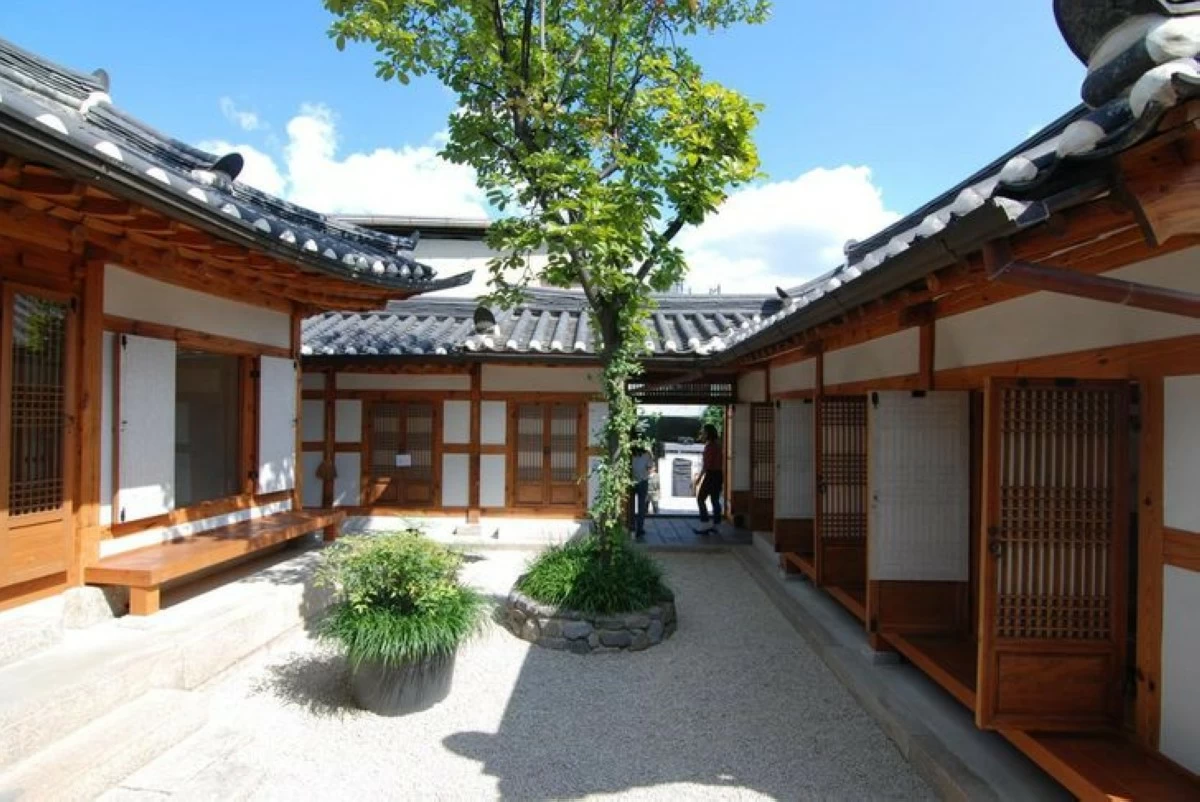
Inner courtyard of Bae Ryeom house (Photo: The Korea Times, courtesy of Korea Heritage Service)
Demand is growing for affordable ways to relax and enjoy a day out. Seochon in central Seoul is a popular place for day trips within the city, where people can stroll in an atmospheric neighborhood and visit traditional Korean houses and indulge in their special atmosphere. Places like the Hong Geon-ik House and the Yi Sang-beom House offer free opportunities to soak in the calm and tranquility of Korea's historic domestic architecture.
But both within and outside the capital region, there are many more spots that offer similar opportunities.
In Gye-dong, Jongno District, the former home of Korean artist Bae Ryeom has been opened to the public. Built in what is now recognized as a classical layout for Seoul's city-style hanok, the house was converted for public use in 2017 and now hosts small-scale exhibitions and cultural programs. Hongik University, known for its strengths in art and design, has been entrusted with oversight and management of the building.
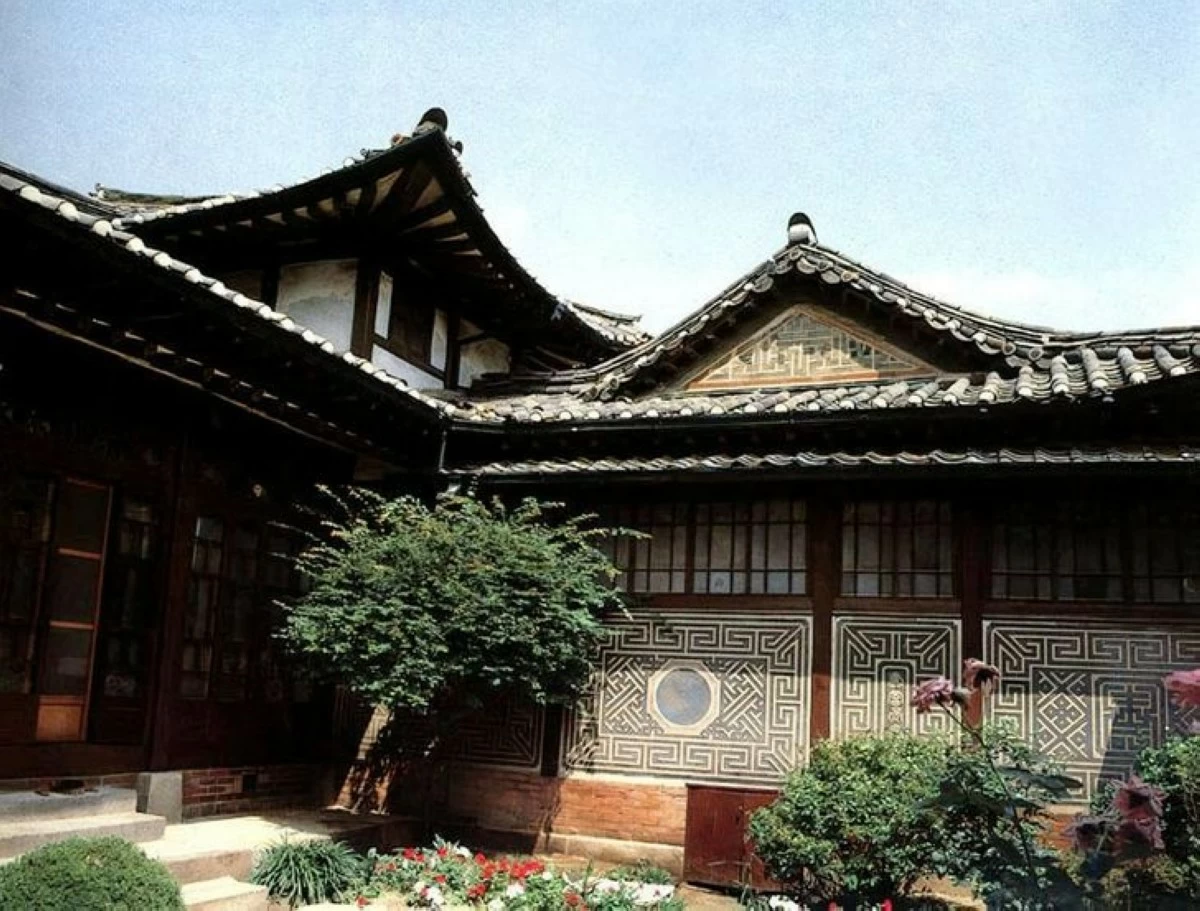
Baek In-je house (Photo: The Korea Times, courtesy of Korea Heritage Service)
Not far away in Gahoe-dong is the Baek In-je House. Built in 1913, the traditional hanok reflects the era of its construction through its blend of modern Western and Japanese architectural influences.
One of its most distinctive features is a corridor connecting the inner quarters and the guest rooms, allowing movement between the two without passing through the courtyard. The guest rooms are also unusual for a hanok, having been built as a two-story structure.
The second floor was designed with tatami flooring, along with Japanese-style corridors and windows, hinting at the background of the man who built the house: Han Sang-ryong was the nephew of a pro-Japanese collaborator who became notorious for his role in Korea’s annexation by Imperial Japan. The upper floor was reportedly often used to host gatherings for Japanese guests.
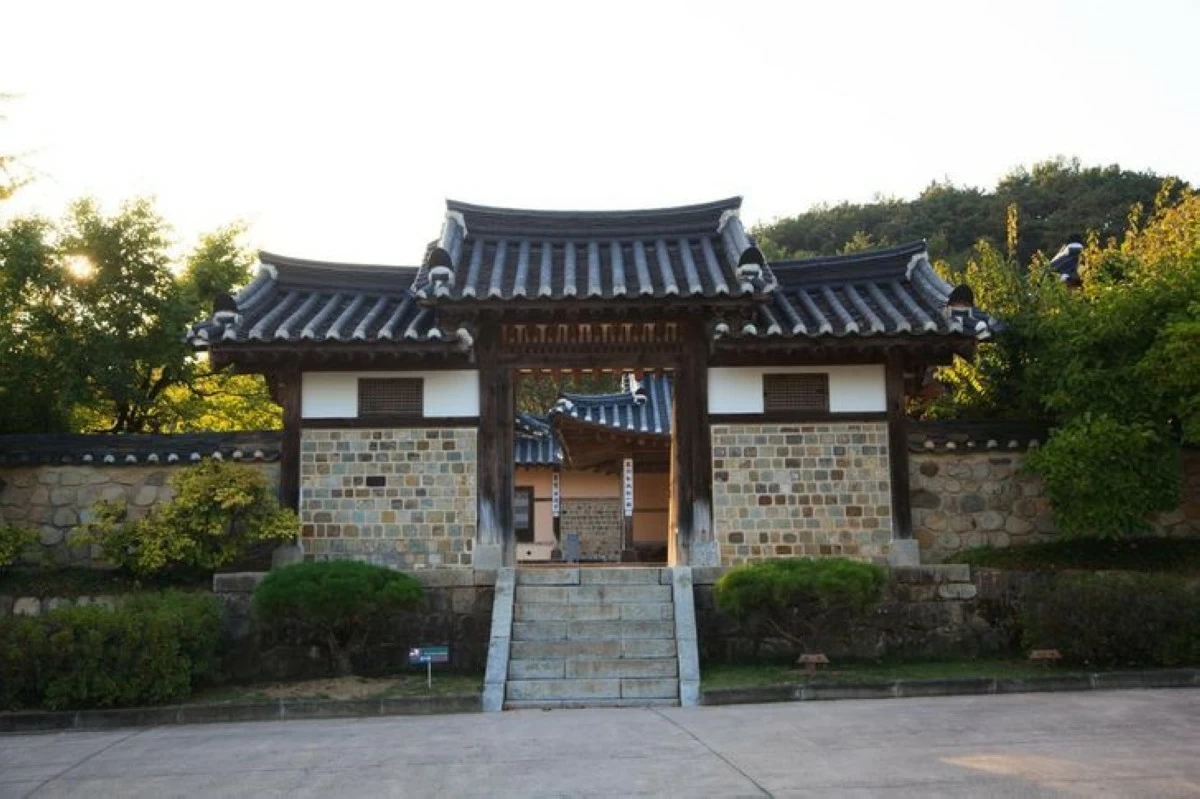
Chusa Historic house (Photo: The Korea Times, courtesy of Korea Heritage Service)
The house later passed into the hands of Baek In-je, founder of Paik Hospital, and remained in the possession of his family until it was acquired by the Seoul city government.
Outside Seoul, in Nonsan, South Chungcheong Province, stands Myeongjae House, a classic example of an aristocratic residence from the Joseon era.
The house was built in the 17th century by the disciples of Yoon Jeung, a renowned scholar. Facing south, it features a square pond in the traditional style of the era. It is also well known for its extensive collection earthenware jars, which create a striking atmosphere that has made the site a popular spot for photography.
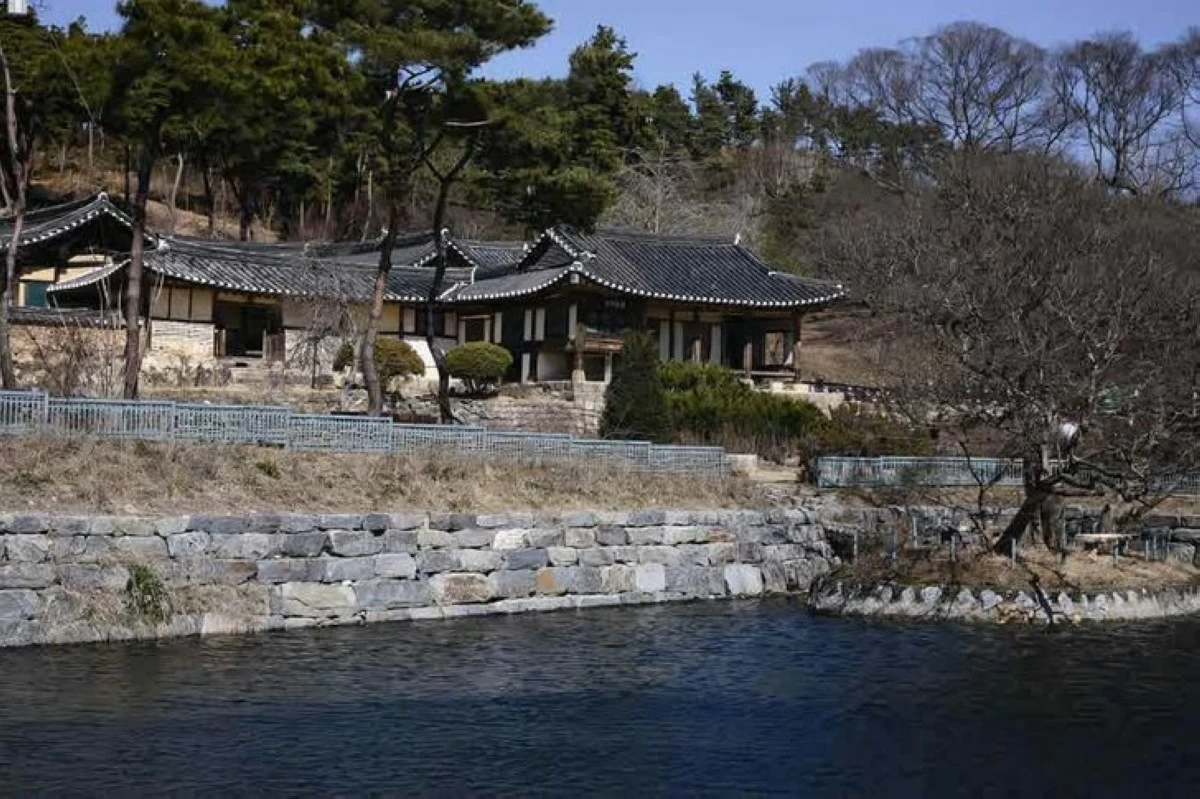
Myeongjae house (Photo: The Korea Times, courtesy of Korea Heritage Service)
In Yesan, also in South Chungcheong Province, stands Chusa Historic House, where the late Joseon-era philosopher and artist Kim Jeong-hui, better known by his pen name Chusa, once lived. The house was built on land granted to his great-grandfather Kim Han-sin at the time of his marriage to Princess Hwasun, a daughter of King Yeongjo. Its unusually tall gates still hint at the grandeur the residence once possessed.
Wooden pillar plaques with Chusa's calligraphy hang throughout the house. Inside, visitors can also take part in traditional activities such as learning tea etiquette and making hand fans.
This article from the Hankook Ilbo, the sister publication of The Korea Times, is translated by a generative AI system and edited by The Korea Times.

Related Tags

The Korea Times Seochon Seoul
ADVERTISEMENT
.most-popular .layout-ratio{ padding-bottom: 79.13%; } @media (min-width: 768px) and (max-width: 1024px) { .widget-title { font-size: 15px !important; } }

{{ articles_filter_1561_widget.title }}

.most-popular .layout-ratio{ padding-bottom: 79.13%; } @media (min-width: 768px) and (max-width: 1024px) { .widget-title { font-size: 15px !important; } }

{{ articles_filter_1562_widget.title }}

.most-popular .layout-ratio{ padding-bottom: 79.13%; } @media (min-width: 768px) and (max-width: 1024px) { .widget-title { font-size: 15px !important; } }

{{ articles_filter_1563_widget.title }}

{{ articles_filter_1564_widget.title }}

.mb-article-details { position: relative; } .mb-article-details .article-body-preview, .mb-article-details .article-body-summary{ font-size: 17px; line-height: 30px; font-family: "Libre Caslon Text", serif; color: #000; } .mb-article-details .article-body-preview iframe , .mb-article-details .article-body-summary iframe{ width: 100%; margin: auto; } .read-more-background { background: linear-gradient(180deg, color(display-p3 1.000 1.000 1.000 / 0) 13.75%, color(display-p3 1.000 1.000 1.000 / 0.8) 30.79%, color(display-p3 1.000 1.000 1.000) 72.5%); position: absolute; height: 200px; width: 100%; bottom: 0; display: flex; justify-content: center; align-items: center; padding: 0; } .read-more-background a{ color: #000; } .read-more-btn { padding: 17px 45px; font-family: Inter; font-weight: 700; font-size: 18px; line-height: 16px; text-align: center; vertical-align: middle; border: 1px solid black; background-color: white; } .hidden { display: none; }
function initializeAllSwipers() { // Get all hidden inputs with cms_article_id document.querySelectorAll('[id^="cms_article_id_"]').forEach(function (input) { const cmsArticleId = input.value; const articleSelector = '#article-' + cmsArticleId + ' .body_images'; const swiperElement = document.querySelector(articleSelector); if (swiperElement && !swiperElement.classList.contains('swiper-initialized')) { new Swiper(articleSelector, { loop: true, pagination: false, navigation: { nextEl: '#article-' + cmsArticleId + ' .swiper-button-next', prevEl: '#article-' + cmsArticleId + ' .swiper-button-prev', }, }); } }); } setTimeout(initializeAllSwipers, 3000); const intersectionObserver = new IntersectionObserver( (entries) => { entries.forEach((entry) => { if (entry.isIntersecting) { const newUrl = entry.target.getAttribute("data-url"); if (newUrl) { history.pushState(null, null, newUrl); let article = entry.target; // Extract metadata const author = article.querySelector('.author-section').textContent.replace('By', '').trim(); const section = article.querySelector('.section-info ').textContent.replace(' ', ' '); const title = article.querySelector('.article-title h1').textContent; // Parse URL for Chartbeat path format const parsedUrl = new URL(newUrl, window.location.origin); const cleanUrl = parsedUrl.host + parsedUrl.pathname; // Update Chartbeat configuration if (typeof window._sf_async_config !== 'undefined') { window._sf_async_config.path = cleanUrl; window._sf_async_config.sections = section; window._sf_async_config.authors = author; } // Track virtual page view with Chartbeat if (typeof pSUPERFLY !== 'undefined' && typeof pSUPERFLY.virtualPage === 'function') { try { pSUPERFLY.virtualPage({ path: cleanUrl, title: title, sections: section, authors: author }); } catch (error) { console.error('ping error', error); } } // Optional: Update document title if (title && title !== document.title) { document.title = title; } } } }); }, { threshold: 0.1 } ); function showArticleBody(button) { const article = button.closest("article"); const summary = article.querySelector(".article-body-summary"); const body = article.querySelector(".article-body-preview"); const readMoreSection = article.querySelector(".read-more-background"); // Hide summary and read-more section summary.style.display = "none"; readMoreSection.style.display = "none"; // Show the full article body body.classList.remove("hidden"); } document.addEventListener("DOMContentLoaded", () => { let loadCount = 0; // Track how many times articles are loaded const offset = [1, 2, 3, 4, 5, 6, 7, 8, 9, 10]; // Offset values const currentUrl = window.location.pathname.substring(1); let isLoading = false; // Prevent multiple calls if (!currentUrl) { console.log("Current URL is invalid."); return; } const sentinel = document.getElementById("load-more-sentinel"); if (!sentinel) { console.log("Sentinel element not found."); return; } function isSentinelVisible() { const rect = sentinel.getBoundingClientRect(); return ( rect.top < window.innerHeight && rect.bottom >= 0 ); } function onScroll() { if (isLoading) return; if (isSentinelVisible()) { if (loadCount >= offset.length) { console.log("Maximum load attempts reached."); window.removeEventListener("scroll", onScroll); return; } isLoading = true; const currentOffset = offset[loadCount]; window.loadMoreItems().then(() => { let article = document.querySelector('#widget_1690 > div:nth-last-of-type(2) article'); intersectionObserver.observe(article) loadCount++; }).catch(error => { console.error("Error loading more items:", error); }).finally(() => { isLoading = false; }); } } window.addEventListener("scroll", onScroll); });

Sign up by email to receive news.