

ADVERTISEMENT

Why Christopher Nolan's 'The Odyssey' is one of this year's most talked-about films

Published Apr 25, 2026 03:42 pm

At A Glance

  • Christopher Nolan's The Odyssey is already generating massive buzz ahead of its July 17, 2026 release. Here's why the IMAX epic starring Matt Damon is one of the most anticipated films of the decade.
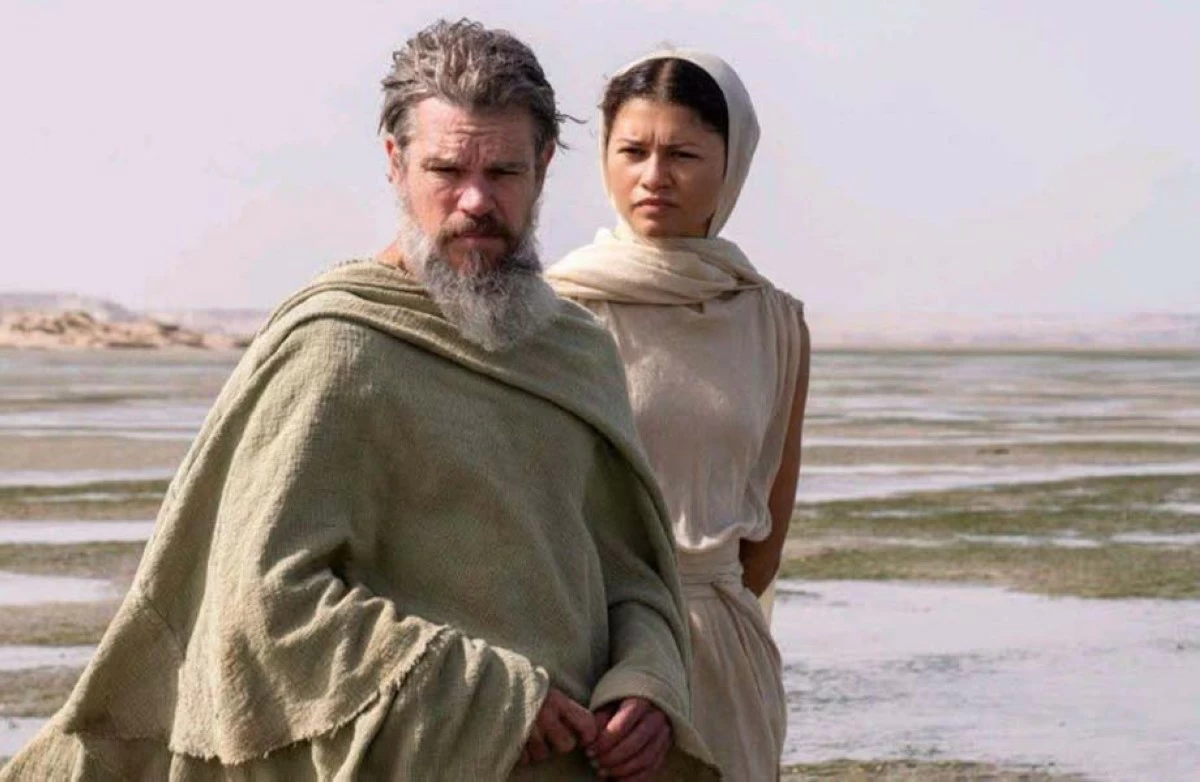
Christopher Nolan’s “The Odyssey” has not even been released yet, but it is already dominating film industry conversations worldwide.

Set for release on July 17, the adaptation of Homer’s ancient Greek epic is generating extraordinary buzz due to its scale, its technical ambition, and its creative risks.

From its IMAX-first production strategy to its grounded take on mythology, the film is being positioned as more than a blockbuster. It is emerging as a cultural statement about the future of cinema itself.

One of the biggest reasons “The Odyssey” is trending is Nolan’s continued resistance to fully digital filmmaking.

While much of Hollywood has shifted toward AI-assisted workflows, virtual production, and LED-volume stages, Nolan has taken the opposite route.

The film was shot using real-world locations, practical sets, and IMAX 70mm film, making it the first narrative feature ever captured entirely in that format.

This decision has sparked intense discussion in the industry, with many viewing the project as a direct challenge to the growing dominance of CGI-driven production.

Then there’s Matt Damon’s transformation for the film as Odysseus, which is already generating early awards speculation.

The actor reportedly underwent a strict physical transformation, adopting a lean, battle-worn appearance and growing a natural beard over an extended period to match Nolan’s demand for authenticity.

Damon plays Odysseus as a strategist shaped by years of war and survival. Early descriptions of the character emphasize intelligence, exhaustion, and moral complexity rather than traditional heroic idealization.

This grounded approach is a key reason industry observers are already placing the performance in early Oscar conversations.
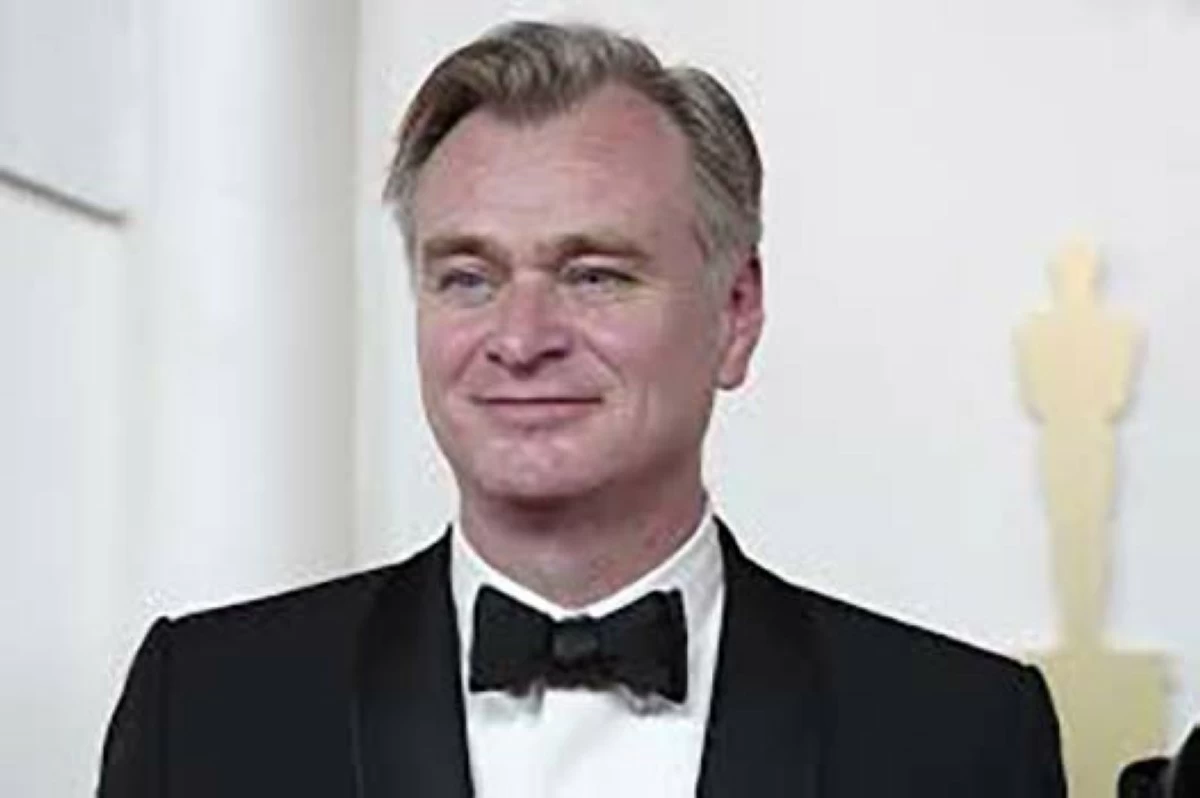
But it isn’t as if Damon is carrying the film’s weight by himself.

The film features one of the most high-profile ensembles of the decade.

Tom Holland plays Telemachus, the son searching for his long-lost father. Anne Hathaway portrays Penelope, who must protect Ithaca while Odysseus remains absent. Zendaya takes on the role of Athena, the goddess of wisdom and war, who guides Odysseus throughout his journey.

The supporting cast includes Robert Pattinson as Antinous, Charlize Theron as Calypso or Circe, Lupita Nyong’o in a still-undisclosed role, Jon Bernthal as Menelaus, and Benny Safdie as Agamemnon.

The combination of major stars and mythological characters has helped position the film as both a prestige drama and a large-scale spectacle.

Another major talking point is how Nolan may interpret the mythological elements of “The Odyssey.” Early reports suggest that gods and supernatural forces may be presented in symbolic or psychological ways rather than literal fantasy.

This creative direction has sparked debate among audiences and scholars. Some see it as an innovative reinterpretation of ancient myth, while others question whether removing overt divinity risks stripping the story of its original identity.

The ambiguity is fueling online discussion and keeping the film firmly in the cultural spotlight.

The July 17 release date is also contributing to rising anticipation. Nolan’s summer releases have consistently performed strongly at the box office, and “The Odyssey” is already being positioned as a major global event film.

With its growing cultural presence and sustained online debate, the film is already functioning as more than a release. It is becoming a reference point in discussions about the future of cinema, the role of AI in filmmaking, and the value of practical production at scale.

Whether it ultimately reshapes epic filmmaking or simply expands its limits, “The Odyssey” has already secured its place as one of the most closely watched films of the decade.

Related Tags

Christopher Nolan The Odyssey The Odyssey 2026 Nolan new movie Matt Damon Odysseus The Odyssey cast IMAX 70mm film Nolan IMAX movie Tom Holland Telemachus Zendaya Athena Anne Hathaway Penelope Robert Pattinson Antinous Charlize Theron Calypso Circe
ADVERTISEMENT
.most-popular .layout-ratio{ padding-bottom: 79.13%; } @media (min-width: 768px) and (max-width: 1024px) { .widget-title { font-size: 15px !important; } }

{{ articles_filter_1561_widget.title }}

.most-popular .layout-ratio{ padding-bottom: 79.13%; } @media (min-width: 768px) and (max-width: 1024px) { .widget-title { font-size: 15px !important; } }

{{ articles_filter_1562_widget.title }}

.most-popular .layout-ratio{ padding-bottom: 79.13%; } @media (min-width: 768px) and (max-width: 1024px) { .widget-title { font-size: 15px !important; } }

{{ articles_filter_1563_widget.title }}

{{ articles_filter_1564_widget.title }}

.mb-article-details { position: relative; } .mb-article-details .article-body-preview, .mb-article-details .article-body-summary{ font-size: 17px; line-height: 30px; font-family: "Libre Caslon Text", serif; color: #000; } .mb-article-details .article-body-preview iframe , .mb-article-details .article-body-summary iframe{ width: 100%; margin: auto; } .read-more-background { background: linear-gradient(180deg, color(display-p3 1.000 1.000 1.000 / 0) 13.75%, color(display-p3 1.000 1.000 1.000 / 0.8) 30.79%, color(display-p3 1.000 1.000 1.000) 72.5%); position: absolute; height: 200px; width: 100%; bottom: 0; display: flex; justify-content: center; align-items: center; padding: 0; } .read-more-background a{ color: #000; } .read-more-btn { padding: 17px 45px; font-family: Inter; font-weight: 700; font-size: 18px; line-height: 16px; text-align: center; vertical-align: middle; border: 1px solid black; background-color: white; } .hidden { display: none; }
function initializeAllSwipers() { // Get all hidden inputs with cms_article_id document.querySelectorAll('[id^="cms_article_id_"]').forEach(function (input) { const cmsArticleId = input.value; const articleSelector = '#article-' + cmsArticleId + ' .body_images'; const swiperElement = document.querySelector(articleSelector); if (swiperElement && !swiperElement.classList.contains('swiper-initialized')) { new Swiper(articleSelector, { loop: true, pagination: false, navigation: { nextEl: '#article-' + cmsArticleId + ' .swiper-button-next', prevEl: '#article-' + cmsArticleId + ' .swiper-button-prev', }, }); } }); } setTimeout(initializeAllSwipers, 3000); const intersectionObserver = new IntersectionObserver( (entries) => { entries.forEach((entry) => { if (entry.isIntersecting) { const newUrl = entry.target.getAttribute("data-url"); if (newUrl) { history.pushState(null, null, newUrl); let article = entry.target; // Extract metadata const author = article.querySelector('.author-section').textContent.replace('By', '').trim(); const section = article.querySelector('.section-info ').textContent.replace(' ', ' '); const title = article.querySelector('.article-title h1').textContent; // Parse URL for Chartbeat path format const parsedUrl = new URL(newUrl, window.location.origin); const cleanUrl = parsedUrl.host + parsedUrl.pathname; // Update Chartbeat configuration if (typeof window._sf_async_config !== 'undefined') { window._sf_async_config.path = cleanUrl; window._sf_async_config.sections = section; window._sf_async_config.authors = author; } // Track virtual page view with Chartbeat if (typeof pSUPERFLY !== 'undefined' && typeof pSUPERFLY.virtualPage === 'function') { try { pSUPERFLY.virtualPage({ path: cleanUrl, title: title, sections: section, authors: author }); } catch (error) { console.error('ping error', error); } } // Optional: Update document title if (title && title !== document.title) { document.title = title; } } } }); }, { threshold: 0.1 } ); function showArticleBody(button) { const article = button.closest("article"); const summary = article.querySelector(".article-body-summary"); const body = article.querySelector(".article-body-preview"); const readMoreSection = article.querySelector(".read-more-background"); // Hide summary and read-more section summary.style.display = "none"; readMoreSection.style.display = "none"; // Show the full article body body.classList.remove("hidden"); } document.addEventListener("DOMContentLoaded", () => { let loadCount = 0; // Track how many times articles are loaded const offset = [1, 2, 3, 4, 5, 6, 7, 8, 9, 10]; // Offset values const currentUrl = window.location.pathname.substring(1); let isLoading = false; // Prevent multiple calls if (!currentUrl) { console.log("Current URL is invalid."); return; } const sentinel = document.getElementById("load-more-sentinel"); if (!sentinel) { console.log("Sentinel element not found."); return; } function isSentinelVisible() { const rect = sentinel.getBoundingClientRect(); return ( rect.top < window.innerHeight && rect.bottom >= 0 ); } function onScroll() { if (isLoading) return; if (isSentinelVisible()) { if (loadCount >= offset.length) { console.log("Maximum load attempts reached."); window.removeEventListener("scroll", onScroll); return; } isLoading = true; const currentOffset = offset[loadCount]; window.loadMoreItems().then(() => { let article = document.querySelector('#widget_1690 > div:nth-last-of-type(2) article'); intersectionObserver.observe(article) loadCount++; }).catch(error => { console.error("Error loading more items:", error); }).finally(() => { isLoading = false; }); } } window.addEventListener("scroll", onScroll); });

Sign up by email to receive news.