ADVERTISEMENT

Where the sun meets the city, powering everyday life in a changing energy era

Published Apr 25, 2026 10:00 am
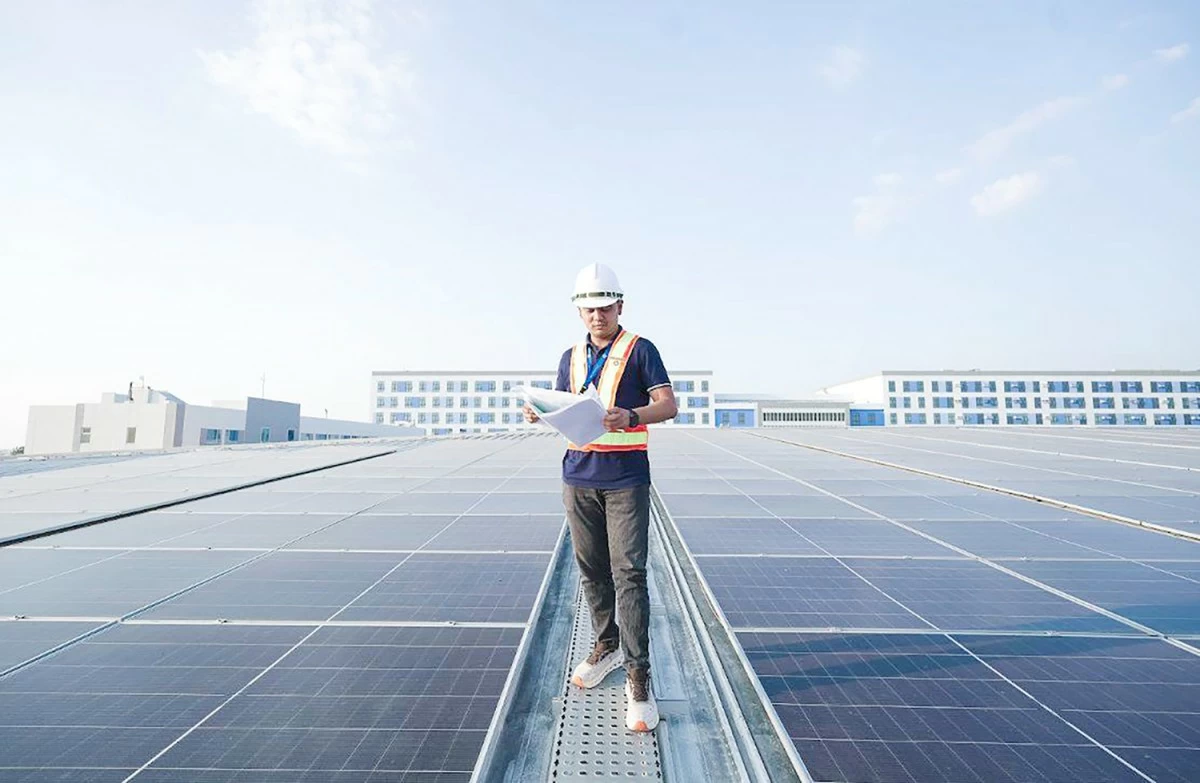
Solar energy is no longer a distant concept in the Philippines. It is an increasingly viable, working solution to today’s energy challenges. As demand continues to rise and pressure on the grid becomes more apparent, renewable energy has moved from discussion to deployment, with institutions beginning to integrate it in ways that directly support everyday life.
Among those taking a more active role is SM Supermalls, which has been leveraging solar power across its properties to help ease demand on the grid while ensuring that its spaces remain reliable for the communities they serve.
Enabled by the Renewable Energy Act of 2008 and strengthened by years of both public and private investment, solar adoption in the country has steadily expanded. While it is not a complete solution on its own, it has become an important and growing part of the energy mix—one that contributes to stability, sustainability, and more resilient community spaces, especially during periods of high demand.
Energy, experienced in everyday spaces
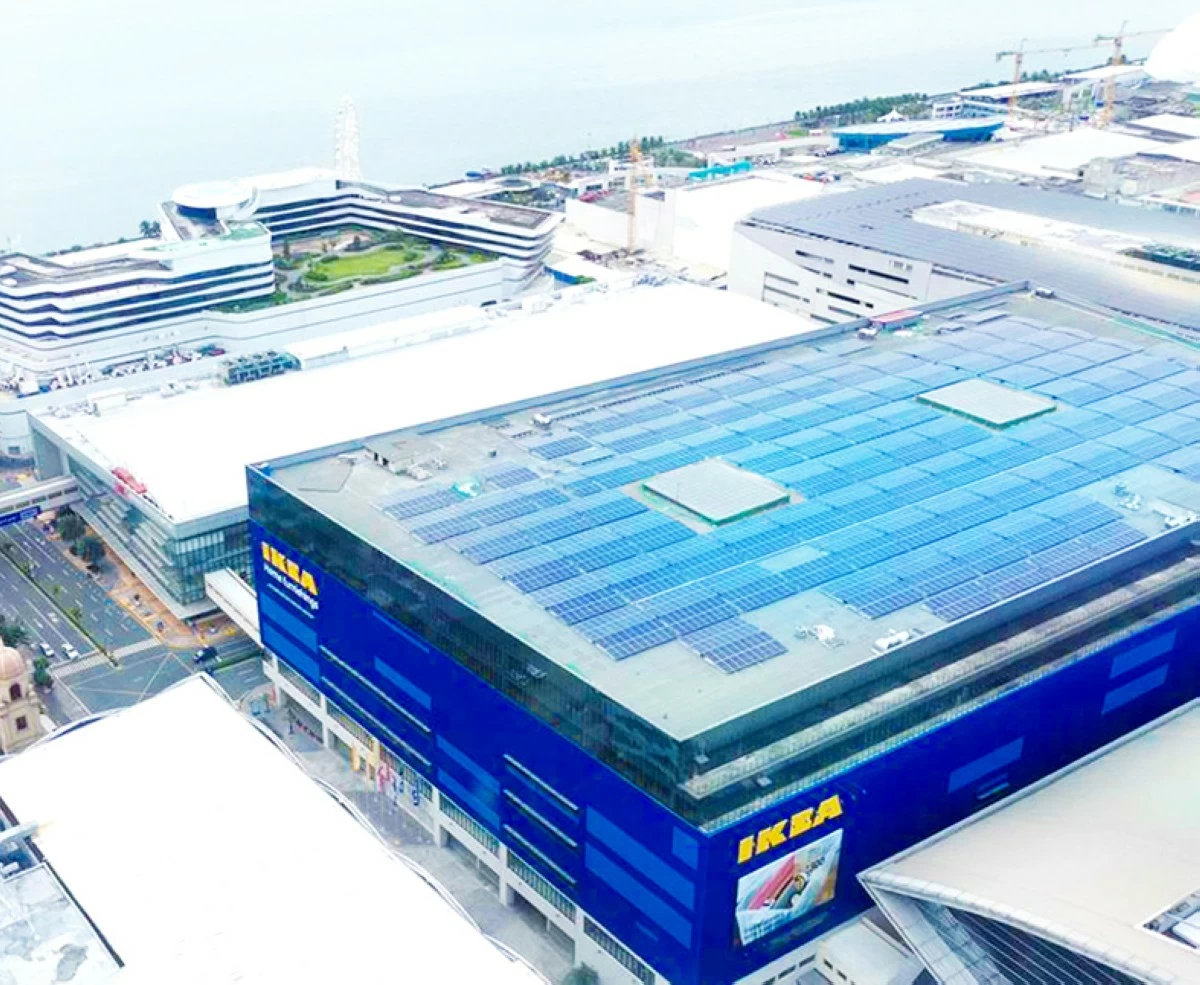
MOA Square
MOA Square
The mall, in many ways, has become a shared living room for the city, a place where energy security is measured not in megawatts, but in the hum of a reliable air conditioner and the safety of a well-lit corridor.
This becomes especially evident during the summer. As temperatures rise and the heat index reaches uncomfortable levels, families spend more time in malls as a practical way to find relief. In this sense, these hubs function as community anchors where essential services, mobility, and comfort intersect. In a country where extreme heat and high energy demand often coincide, keeping these spaces consistently operational becomes a matter of public reliability.
When energy demand peaks, reliability matters
Energy demand in the Philippines often peaks during the hottest days of the year, when cooling needs are at their highest. In these moments, reliability becomes essential, not just for businesses, but for the communities that depend on them.
Across its malls nationwide, SM Supermalls uses solar power to generate part of its energy requirements on-site. This helps ease demand during peak hours while ensuring that its spaces remain consistently operational.
For communities, this contributes to a more stable energy environment. For customers, the benefits are immediate: malls remain cool, well-lit, and fully functional, with uninterrupted access to essential services—from groceries and pharmacies to dining and government centers.
Operationally, solar allows SM malls to better manage energy use during peak daytime hours, when both sunlight and foot traffic are highest. Since launching its solar program in 2014, SM has expanded installations across multiple properties, with sites like SM City Santa Rosa running thousands of panels that support daily operations.
The result is simple but meaningful: spaces that continue to serve, even when demand is at its peak.
What this means for people today
The impact of these developments is best understood in lived experience. It means families can spend a summer afternoon in a space that remains comfortably cool despite the heat. It means essential services remain accessible and uninterrupted even during periods of peak energy demand.
The Philippines remains in transition, and solar energy is still part of a broader, evolving energy mix. But when it is integrated into high-traffic, community-facing spaces, its value extends beyond operational efficiency. It begins to support public life in ways that are immediate and felt in everyday routines.
Energy security, at its core, is the assurance that daily life can continue without disruption. As solar energy expands across city skylines and institutional spaces, it is becoming a steady presence in that continuity; quietly reinforcing the systems people already depend on, and helping everyday life move forward with greater stability.
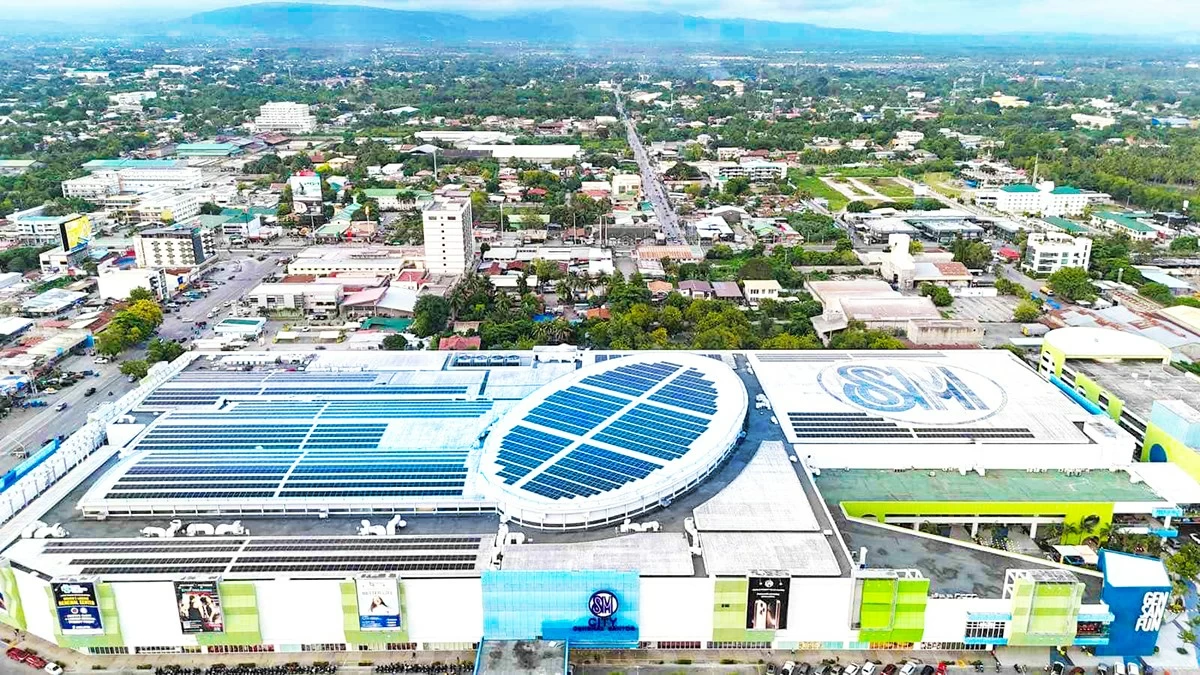
SM City General Santos

Related Tags

Sustainability SM Prime Holdings Inc. Solar Energy
ADVERTISEMENT
.most-popular .layout-ratio{ padding-bottom: 79.13%; } @media (min-width: 768px) and (max-width: 1024px) { .widget-title { font-size: 15px !important; } }

{{ articles_filter_1561_widget.title }}

.most-popular .layout-ratio{ padding-bottom: 79.13%; } @media (min-width: 768px) and (max-width: 1024px) { .widget-title { font-size: 15px !important; } }

{{ articles_filter_1562_widget.title }}

.most-popular .layout-ratio{ padding-bottom: 79.13%; } @media (min-width: 768px) and (max-width: 1024px) { .widget-title { font-size: 15px !important; } }

{{ articles_filter_1563_widget.title }}

{{ articles_filter_1564_widget.title }}

.mb-article-details { position: relative; } .mb-article-details .article-body-preview, .mb-article-details .article-body-summary{ font-size: 17px; line-height: 30px; font-family: "Libre Caslon Text", serif; color: #000; } .mb-article-details .article-body-preview iframe , .mb-article-details .article-body-summary iframe{ width: 100%; margin: auto; } .read-more-background { background: linear-gradient(180deg, color(display-p3 1.000 1.000 1.000 / 0) 13.75%, color(display-p3 1.000 1.000 1.000 / 0.8) 30.79%, color(display-p3 1.000 1.000 1.000) 72.5%); position: absolute; height: 200px; width: 100%; bottom: 0; display: flex; justify-content: center; align-items: center; padding: 0; } .read-more-background a{ color: #000; } .read-more-btn { padding: 17px 45px; font-family: Inter; font-weight: 700; font-size: 18px; line-height: 16px; text-align: center; vertical-align: middle; border: 1px solid black; background-color: white; } .hidden { display: none; }
function initializeAllSwipers() { // Get all hidden inputs with cms_article_id document.querySelectorAll('[id^="cms_article_id_"]').forEach(function (input) { const cmsArticleId = input.value; const articleSelector = '#article-' + cmsArticleId + ' .body_images'; const swiperElement = document.querySelector(articleSelector); if (swiperElement && !swiperElement.classList.contains('swiper-initialized')) { new Swiper(articleSelector, { loop: true, pagination: false, navigation: { nextEl: '#article-' + cmsArticleId + ' .swiper-button-next', prevEl: '#article-' + cmsArticleId + ' .swiper-button-prev', }, }); } }); } setTimeout(initializeAllSwipers, 3000); const intersectionObserver = new IntersectionObserver( (entries) => { entries.forEach((entry) => { if (entry.isIntersecting) { const newUrl = entry.target.getAttribute("data-url"); if (newUrl) { history.pushState(null, null, newUrl); let article = entry.target; // Extract metadata const author = article.querySelector('.author-section').textContent.replace('By', '').trim(); const section = article.querySelector('.section-info ').textContent.replace(' ', ' '); const title = article.querySelector('.article-title h1').textContent; // Parse URL for Chartbeat path format const parsedUrl = new URL(newUrl, window.location.origin); const cleanUrl = parsedUrl.host + parsedUrl.pathname; // Update Chartbeat configuration if (typeof window._sf_async_config !== 'undefined') { window._sf_async_config.path = cleanUrl; window._sf_async_config.sections = section; window._sf_async_config.authors = author; } // Track virtual page view with Chartbeat if (typeof pSUPERFLY !== 'undefined' && typeof pSUPERFLY.virtualPage === 'function') { try { pSUPERFLY.virtualPage({ path: cleanUrl, title: title, sections: section, authors: author }); } catch (error) { console.error('ping error', error); } } // Optional: Update document title if (title && title !== document.title) { document.title = title; } } } }); }, { threshold: 0.1 } ); function showArticleBody(button) { const article = button.closest("article"); const summary = article.querySelector(".article-body-summary"); const body = article.querySelector(".article-body-preview"); const readMoreSection = article.querySelector(".read-more-background"); // Hide summary and read-more section summary.style.display = "none"; readMoreSection.style.display = "none"; // Show the full article body body.classList.remove("hidden"); } document.addEventListener("DOMContentLoaded", () => { let loadCount = 0; // Track how many times articles are loaded const offset = [1, 2, 3, 4, 5, 6, 7, 8, 9, 10]; // Offset values const currentUrl = window.location.pathname.substring(1); let isLoading = false; // Prevent multiple calls if (!currentUrl) { console.log("Current URL is invalid."); return; } const sentinel = document.getElementById("load-more-sentinel"); if (!sentinel) { console.log("Sentinel element not found."); return; } function isSentinelVisible() { const rect = sentinel.getBoundingClientRect(); return ( rect.top < window.innerHeight && rect.bottom >= 0 ); } function onScroll() { if (isLoading) return; if (isSentinelVisible()) { if (loadCount >= offset.length) { console.log("Maximum load attempts reached."); window.removeEventListener("scroll", onScroll); return; } isLoading = true; const currentOffset = offset[loadCount]; window.loadMoreItems().then(() => { let article = document.querySelector('#widget_1690 > div:nth-last-of-type(2) article'); intersectionObserver.observe(article) loadCount++; }).catch(error => { console.error("Error loading more items:", error); }).finally(() => { isLoading = false; }); } } window.addEventListener("scroll", onScroll); });

Sign up by email to receive news.