







Leading through crisis, from 1997 to the pandemic
JAZA hands over Globe reins
Published Apr 25, 2026 08:00 am
|
Updated Apr 25, 2026 07:57 am


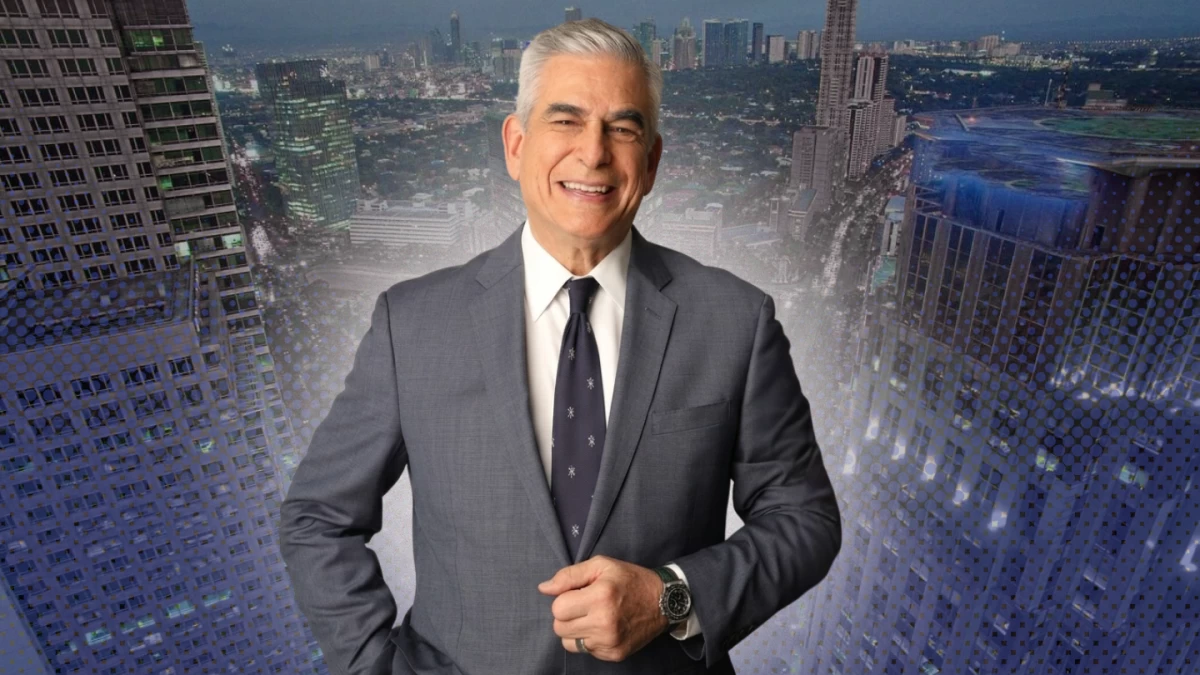
After 28 years as Chairman, Jaime Augusto Zobel de Ayala (JAZA) officially steps down, marking the end of an era that saw the Ayala Group transition from traditional land and gold to the invisible infrastructure of the airwaves.
The corner office at Globe Tower in Bonifacio Global City (BGC), Taguig City, has long been a vantage point for the shifting skyline of Metro Manila, but for Jaime Augusto Zobel de Ayala, it was the laboratory.
For three decades, the man everyone calls JAZA was at the center of the Philippines’ digital revolution. When he stepped down as chairman of Globe Telecom Inc. this week, it was the closing of a chapter on the most transformative era in Filipino business history.
Under JAZA’s watch, a company that began as a sleepy telegraph and cable service became a digital utility so pervasive it now handles the money, the entertainment, and the daily conversations of nearly 90 million people.
The Ayala Group did not set out to own the airwaves. Theirs is a 192-year-old story of land and gold—real estate and banking. But in the early 1970s, the conglomerate saw a crack in the door of the local communications sector.
Globe’s roots trace back to 1928, when the Robert Dollar Co. was granted a franchise for wireless long-distance messaging. By the time the Ayala family took a 60 percent stake in what was then Globe-Mackay Cable and Radio Corp. in 1974, the business was largely about telegrams—a utility of the past.
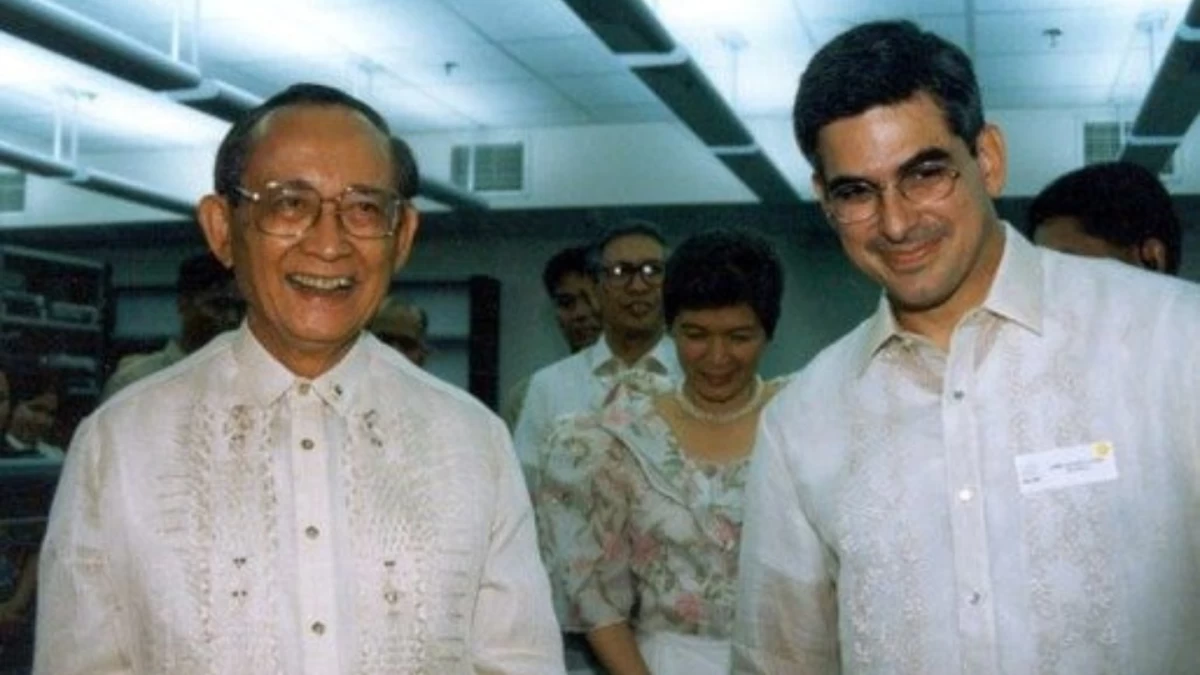
Jaime Augusto Zobel de Ayala and former President Fidel V. Ramos share a moment during the early days of telecom liberalization.
The true transition, however, happened in 1993. JAZA, then a young executive with a Harvard MBA and a penchant for disruptive thinking before that word became a cliché, helped form a partnership with Singapore Telecommunications Ltd. (Singtel). Together, they rebranded the entity as Globe Telecom, a bet that the future was not in cables buried in the mud, but in signals sent through the air.
Era of the underdog
When JAZA took the chairmanship in 1996, Globe was the scrappy challenger. The Philippine Long Distance Telephone Co. (PLDT), led by Manuel V. Pangilinan (MVP), held a near-monopoly.
PLDT was the entrenched and powerful “Goliath,” while Globe was the “David,” trying to convince Filipinos that they did not need to wait years for a landline when they could carry a brick-sized mobile phone in their pockets.
But the challenges at that time were immense. The Asian financial crisis of 1997 nearly choked the company’s capital expenditure just as it needed to build towers. Then came the “texting” revolution. While the rest of the world was looking at voice minutes, JAZA and his team realized that Filipinos—price-sensitive and social—would embrace short message service (SMS).
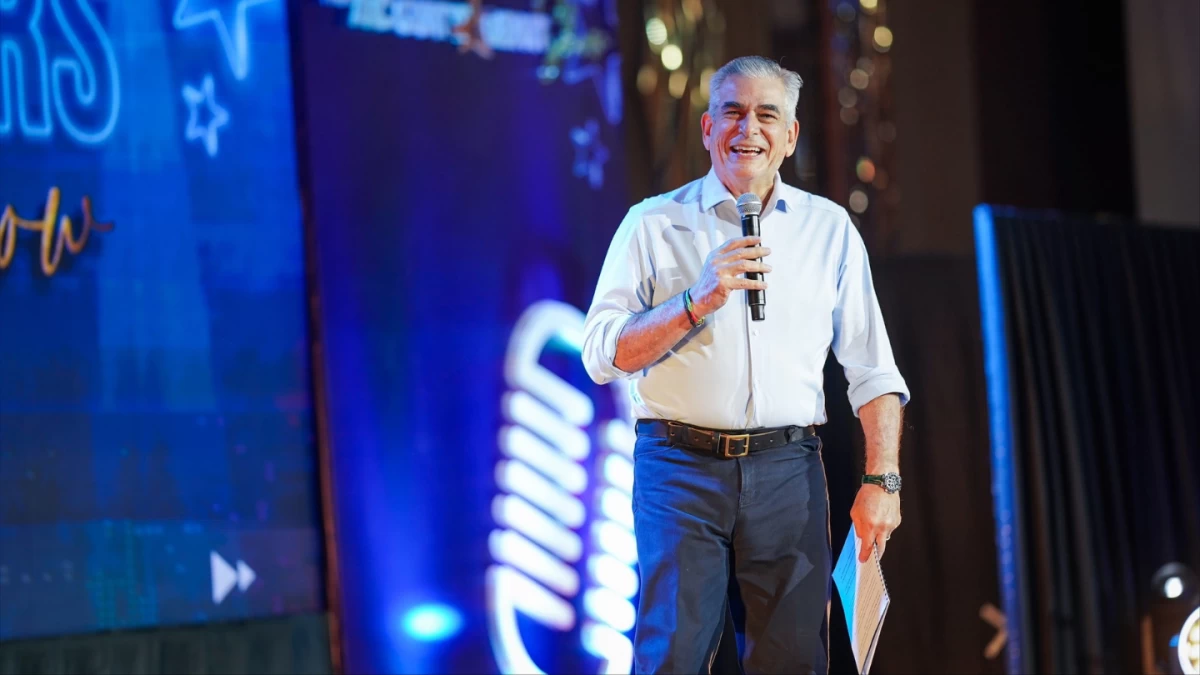
When JAZA took the chair in 1996, Globe was the “David" to PLDT’s “Goliath.”
By making texting cheap, Globe survived and democratized the mobile phone. It moved the device from the belts of business executives to the pockets of jeepney drivers and students.
But JAZA’s genius lay not in technical wizardry, but in talent spotting. He understood that a legacy conglomerate needed outsiders to move fast.
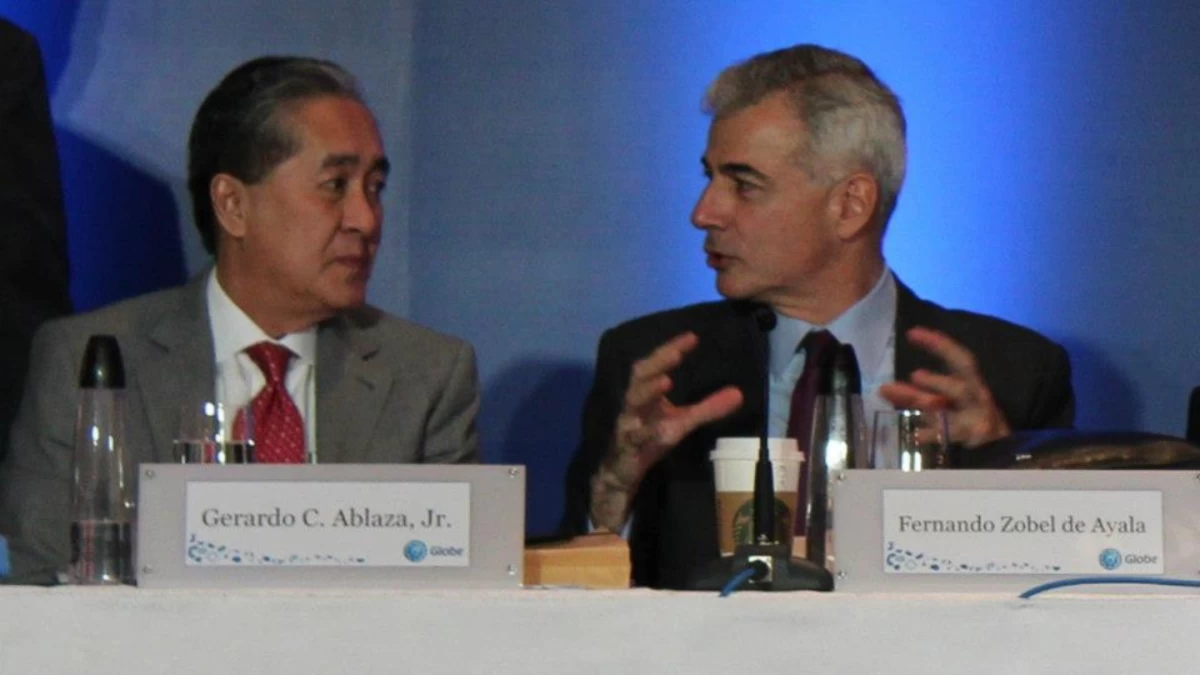
Fernando Zobel de Ayala (right) alongside Gerry Ablaza (left), the man JAZA tapped as the operational engine for Globe.
He tapped Gerardo “Gerry” Ablaza Jr., who served as chief executive officer (CEO) from 1998 to 2009. Ablaza was the operational engine that scaled the network from a niche service to a mass-market powerhouse. Under his tenure, Globe overtook PLDT in the mobile space for the first time, a feat once considered impossible.
But perhaps the most significant hire came in 2009: Ernest Cu.
Cu, a veteran of the outsourcing industry, had no telco background, but that turned out to be exactly why JAZA wanted him. At the time, Globe was losing momentum. The network was creaking under the weight of the smartphone era, and the telco model was dying. JAZA gave Cu the mandate to overhaul the old Globe to build a new one.
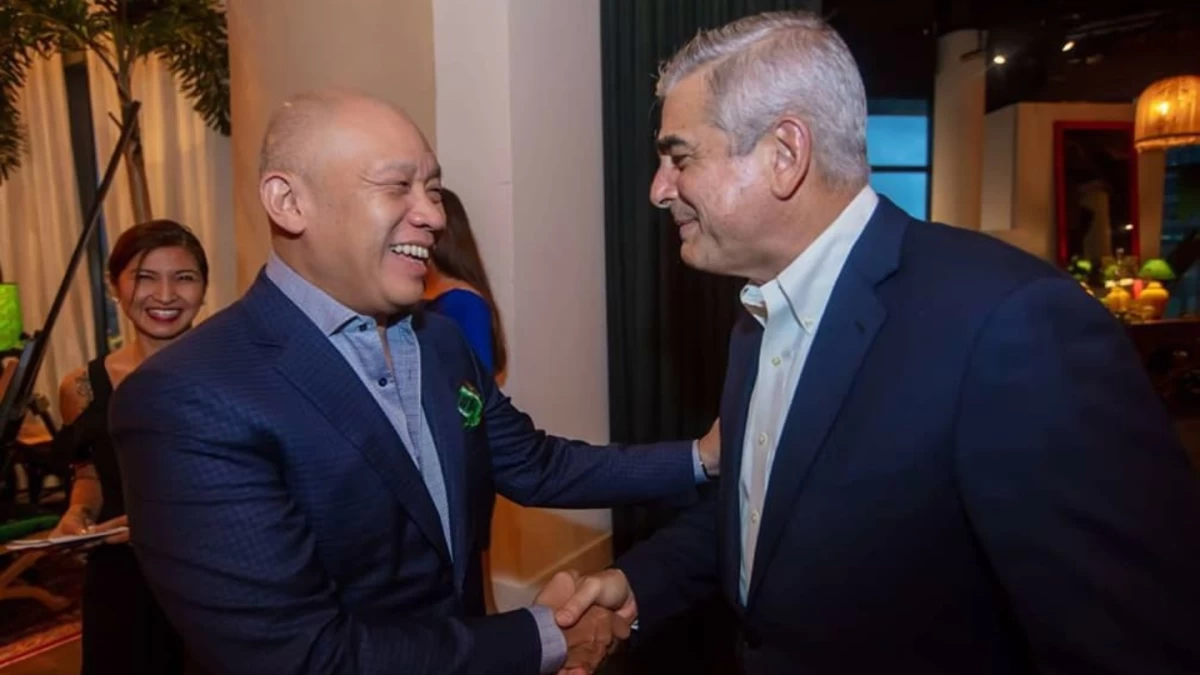
Jaime Augusto Zobel de Ayala with former Globe President and CEO Ernest Cu. In 2009, JAZA gave the “outsider” a mandate to overhaul the company’s aging infrastructure, a partnership that eventually turned a traditional telco into a modern tech giant.
Together, JAZA and Cu launched their $700 million network modernization program. A painful and expensive transition that saw profits dip and customers complain as the company’s guts were replaced. JAZA held the line with the board and the shareholders that provided the air cover Cu needed to finish the job.
Slow burn of GCash
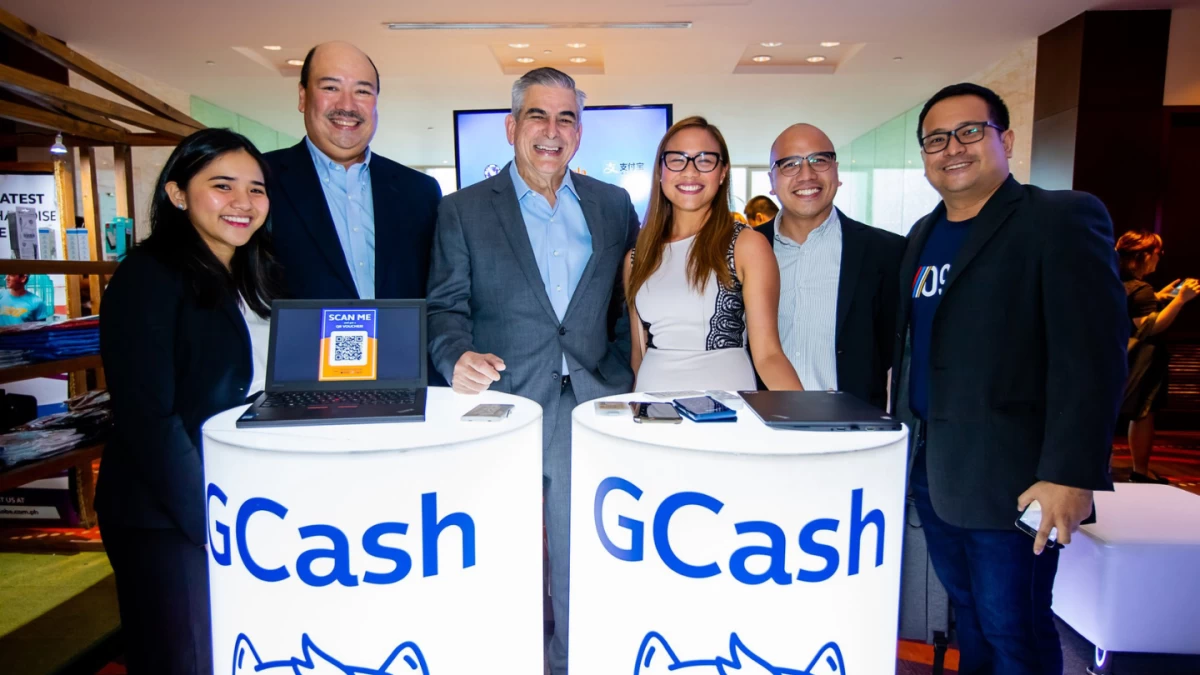
While many dismissed GCash in its early years, JAZA’s refusal to “pull the plug” eventually birthed the country’s first double unicorn and a de facto central bank for the masses during the pandemic.
Perhaps the most misunderstood part of JAZA’s legacy is GCash. Today, it is the country’s only “double unicorn,” but for nearly 15 years, it was a solution in search of a problem.
Launched in 2004, GCash was a pioneer globally. But for over a decade, it languished. Filipinos did not trust digital money. In those early years, GCash was mostly used to buy load or send small remittances via SMS. It was a niche product that many dismissed as a side project.
JAZA, however, refused to pull the plug. He saw it as a long-term play for financial inclusion.
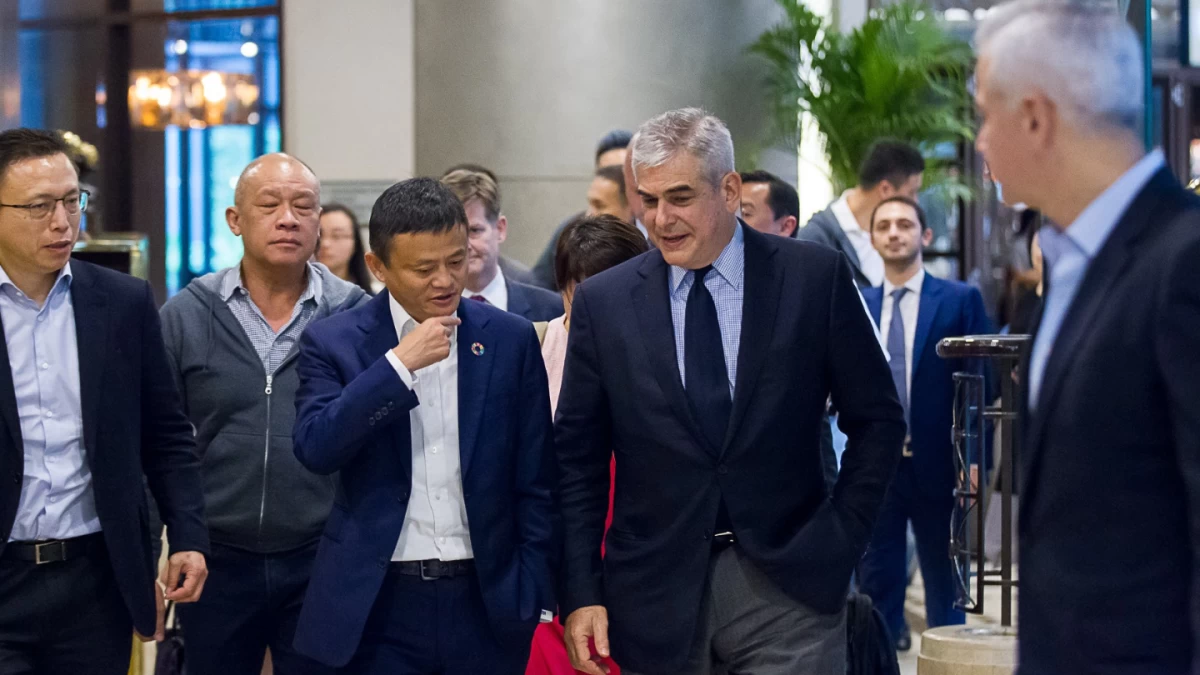
A walk that changed the Philippine economy. By bringing Ant Financial into the Globe fold, the Ayala leadership secured the missing piece of the digital puzzle, turning a niche e-wallet into the “double unicorn” known as GCash.
The breakthrough came only in 2015, when Globe partnered with Ant Financial and its parent, Ayala Corp., to spin off the venture as Mynt. Even then, it took the brutal catalyst of the 2020 pandemic to turn GCash into a national necessity. When the world shut down, JAZA’s 16-year-old experiment suddenly became the country’s de facto central bank for the masses.
The transition
In recent years, there has been a deliberate Ayala-style succession. The transition began in earnest when JAZA stepped back from the CEO role at the parent company, Ayala Corp., in 2021, handing the reins to his brother, Fernando.
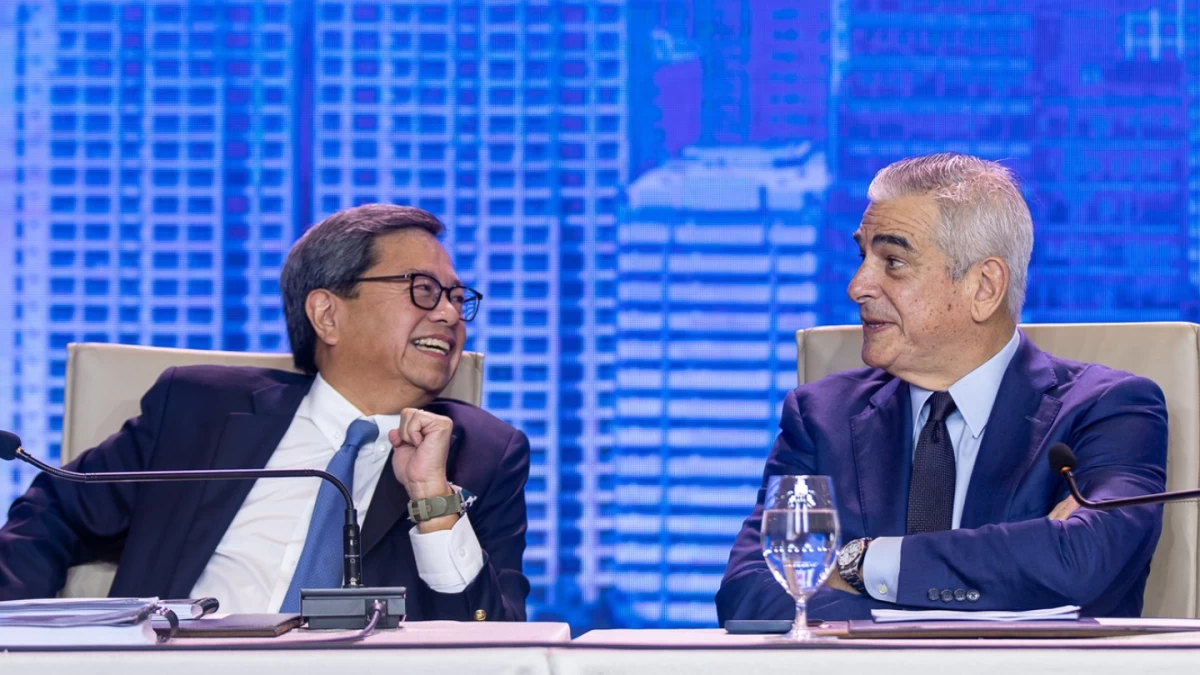
Outgoing Globe Chairman Jaime Augusto Zobel de Ayala with his successor, Cezar “Bong” Consing (left).
Now, the baton at Globe passes to Cezar “Bong” Consing, the former head of Bank of the Philippine Islands (BPI) and current CEO of Ayala Corp. Consing is a veteran banker, a choice that signals Globe’s future: it will not be just a tower and wire company, but a digital holdings firm managing data, finance, and health.
But the leadership on the ground remains stable, with Carl Cruz, who took over as CEO last year, steering the company through its post-pandemic telco-to-techco evolution.
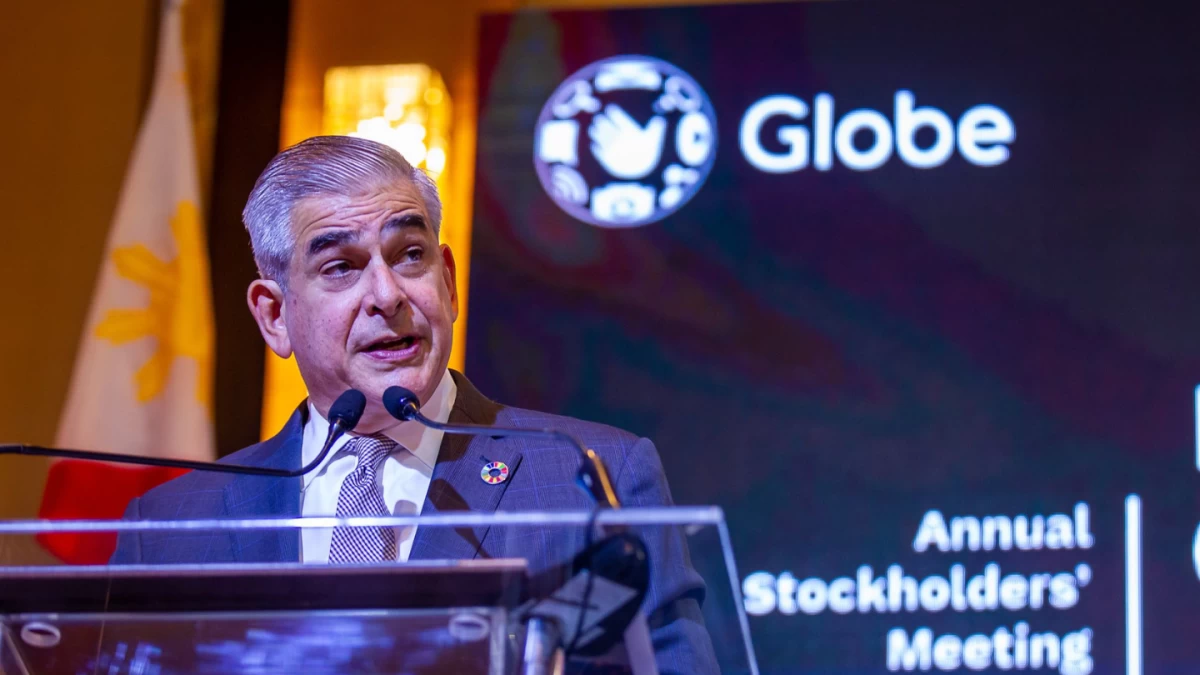
JAZA concludes his chairmanship, forever changing the way Filipinos talk, work, and live.
But JAZA’s departure from the chairmanship is not a complete retreat, because he remains the chairman of Asiacom, the holding company through which Ayala and Singtel control Globe.
He leaves behind a company that is very different from the one he inherited. In 1996, Globe was a speculative bet on a luxury gadget. In 2026, it is the invisible infrastructure of Filipino life.
Critics would always point to the perennial issues of internet speed and the duopoly dynamics of the domestic market. But it is hard to argue with the scale of the transformation. JAZA’s legacy is found in the fact that a fisherman in Palawan and a coder in Cebu now use the same platform to get paid, watch videos, and talk to their families.