







How integrated estates reshape real estate
Published Apr 25, 2026 12:05 pm
|
Updated Apr 25, 2026 06:46 pm


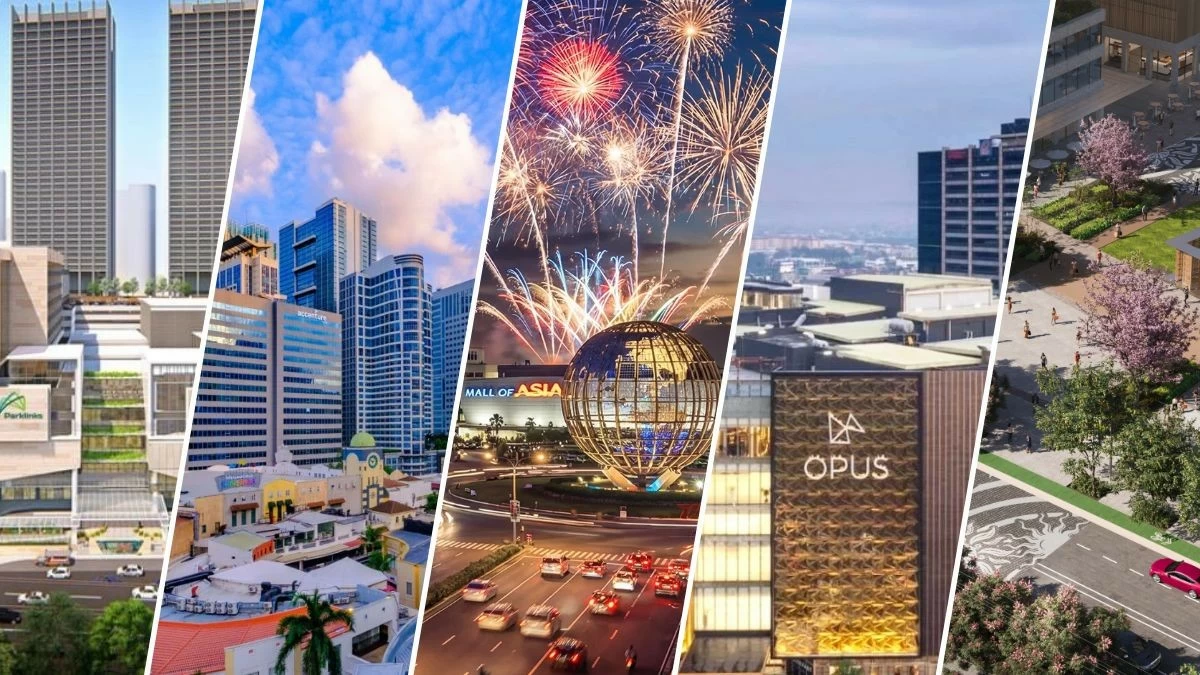
Parklinks Estate, Eastwood City, MOA Complex, Opus Mall, and Riverpark
For decades, the Philippine real estate market was defined by “single-purpose density”—isolated residential blocks or standalone office towers that required a commute for every basic need. As the market matures into a more sophisticated era, buyers are no longer just purchasing a physical asset, and the country’s leading developers are not just competition; they are building integrated developments that provide more value than square footage: wellness, the luxury of time, and a sense of community.
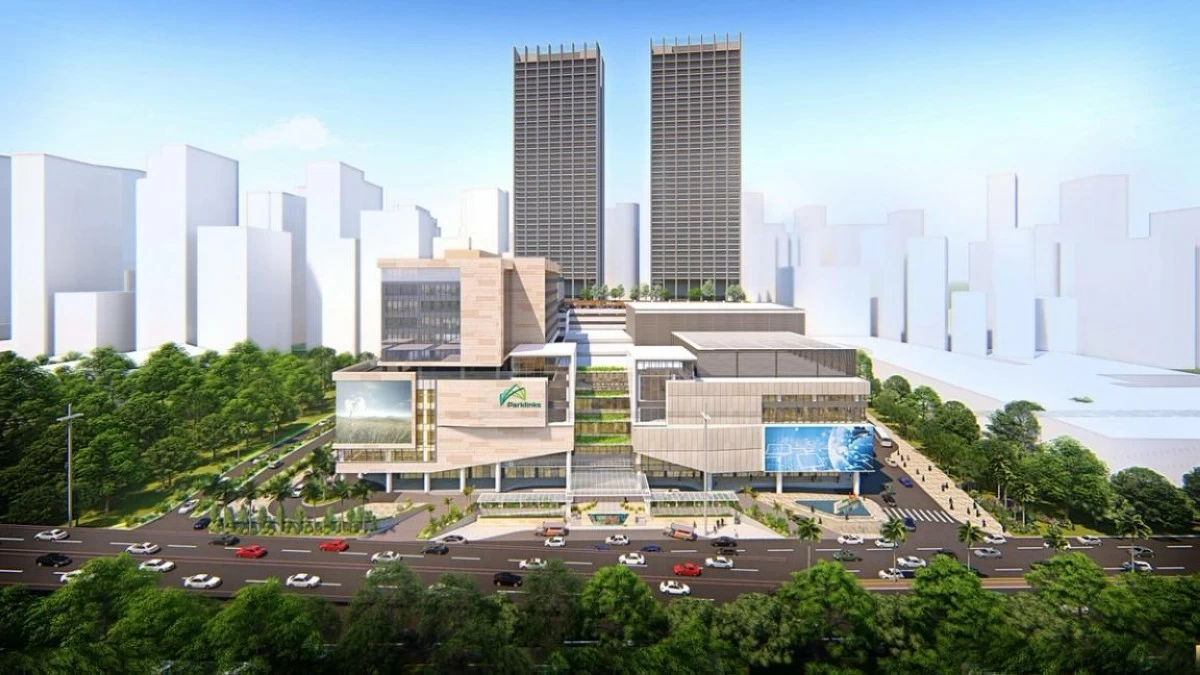
Parklinks Estate (Artist's perspective, Ayala Land)
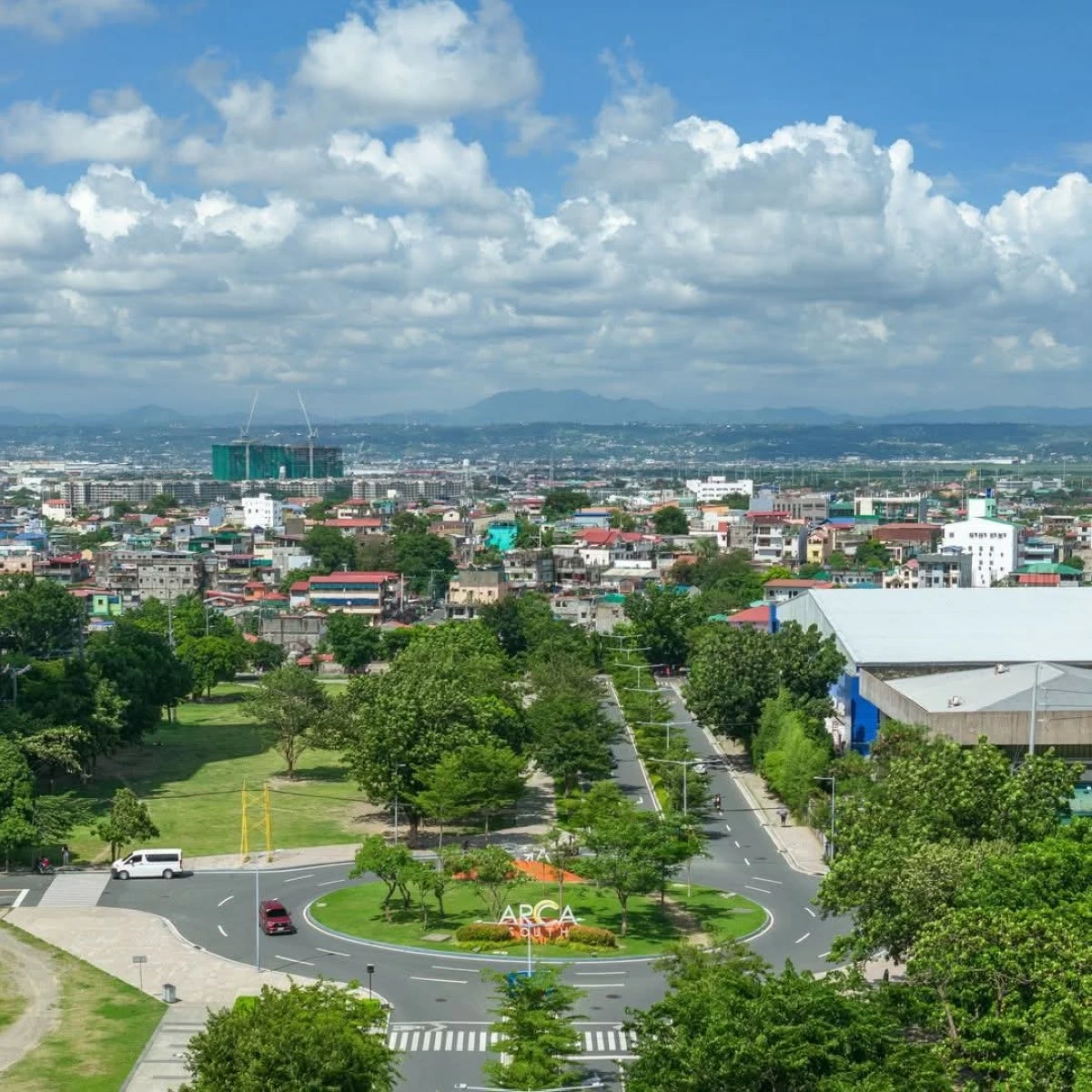
Arca South (Photo: Arca South/Facebook)
Connectivity and green urbanism
Ayala Land Inc. (ALI) pioneered the master-planned Makati Central Business District (MCBD), a premier business district for work, living, leisure, and entertainment. From its flagship estates—Bonifacio Global City, Ayala Alabang, and Cebu Park District—the developer also ventured into tourism estates and industrial parks. Located in Laguna, Nuvali is the largest eco-city created with the “live-work-play” development concept, promoting a sustainable lifestyle. To date, ALI has established over 50 estates nationwide.
Ayala Land Inc. (ALI) pioneered the master-planned Makati Central Business District (MCBD), a premier business district for work, living, leisure, and entertainment. From its flagship estates—Bonifacio Global City, Ayala Alabang, and Cebu Park District—the developer also ventured into tourism estates and industrial parks. Located in Laguna, Nuvali is the largest eco-city created with the “live-work-play” development concept, promoting a sustainable lifestyle. To date, ALI has established over 50 estates nationwide.
The Parklinks Estate, in collaboration with Eton Properties, is developing a sustainable, mixed-use estate in Metro Manila. With 50 percent of its land dedicated to parks, open spaces, and the riverfront, it is called the greenest urban estate.
ALI is also known for its transit-oriented developments. Launched in 2022, One Ayala is a transportation hub that serves as a key EDSA Busway stop and connects to the MRT-3. It comprises a transport terminal, multi-level malls, and office towers. Arca South is a 74-hectare transit-oriented development located next to the Taguig City Integrated Terminal Exchange (TCITX). It is also in proximity to residential (Avida, Alveo, Ayala Land Premier), corporate, and commercial areas.
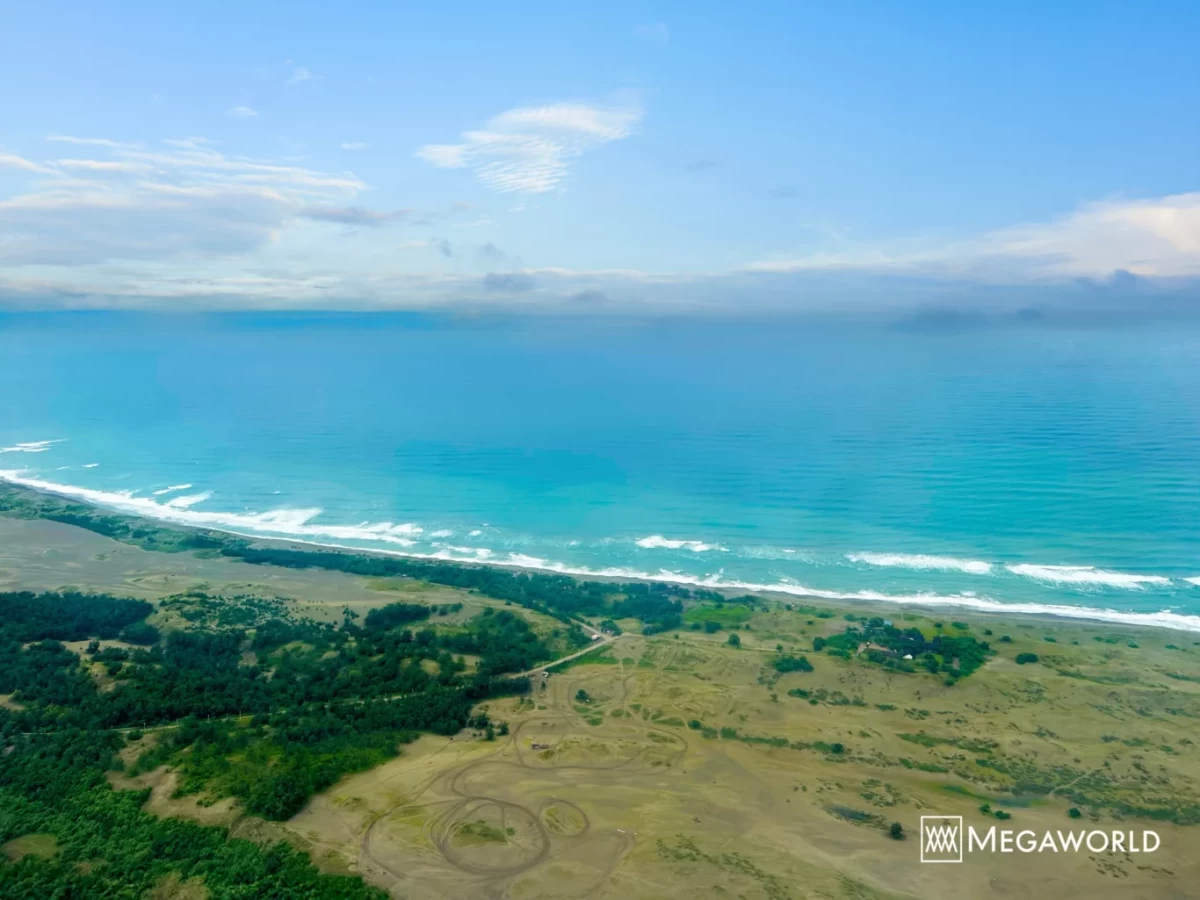
Ilocandia Coastown (Photo: Megaworld Corporation)
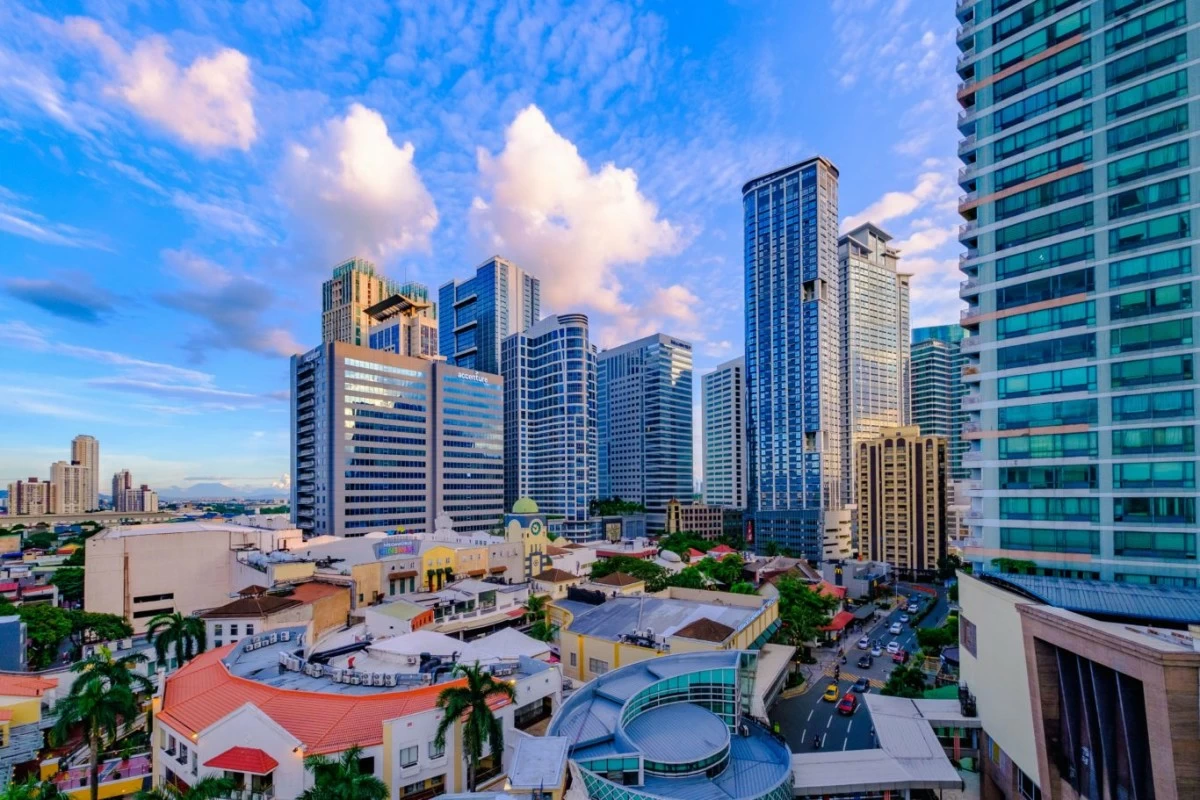
Eastwood City (Photo: Megaworld Corporation)
Pioneering "city-within-a-city"
Megaworld Corporation first introduced the “live-work-play-learn” lifestyle and built the country’s first “cyberpark,” in response to the increasing demand for office space driven by the Business Process Outsourcing (BPO) industry boom. From Eastwood City, the developer has expanded its portfolio to 36 townships and lifestyle communities across the country, as of early 2026. Following a “city-within-a-city” model, their developments feature residential towers, office spaces, lifestyle malls, and education institutions integrated into a single, walkable ecosystem.
Megaworld Corporation first introduced the “live-work-play-learn” lifestyle and built the country’s first “cyberpark,” in response to the increasing demand for office space driven by the Business Process Outsourcing (BPO) industry boom. From Eastwood City, the developer has expanded its portfolio to 36 townships and lifestyle communities across the country, as of early 2026. Following a “city-within-a-city” model, their developments feature residential towers, office spaces, lifestyle malls, and education institutions integrated into a single, walkable ecosystem.
For 2026, Megaworld is currently executing a massive ₱65-billion capital expenditure program with a primary focus on provincial growth. Recent launches emphasize leisure and tourism, such as Ilocandia Coastown in Laoag, Lialto Golf and Beach Estates in Batangas, and Nascala Coast in Nasugbu. Capital Town in Pampanga is positioning itself as the new CBD of the North, while Maple Grove in Cavite is being modeled after the Makati CBD.
Last year, the company also launched four new townships with a total land area of more than 300 hectares. These new townships include Lialto Golf and Beach Estates in Lian, Batangas; San Benito Private Estate in Lipa, Batangas; Ilocandia Coastown in Laoag City, Ilocos Norte; and The Upper Central in Cagayan de Oro City.
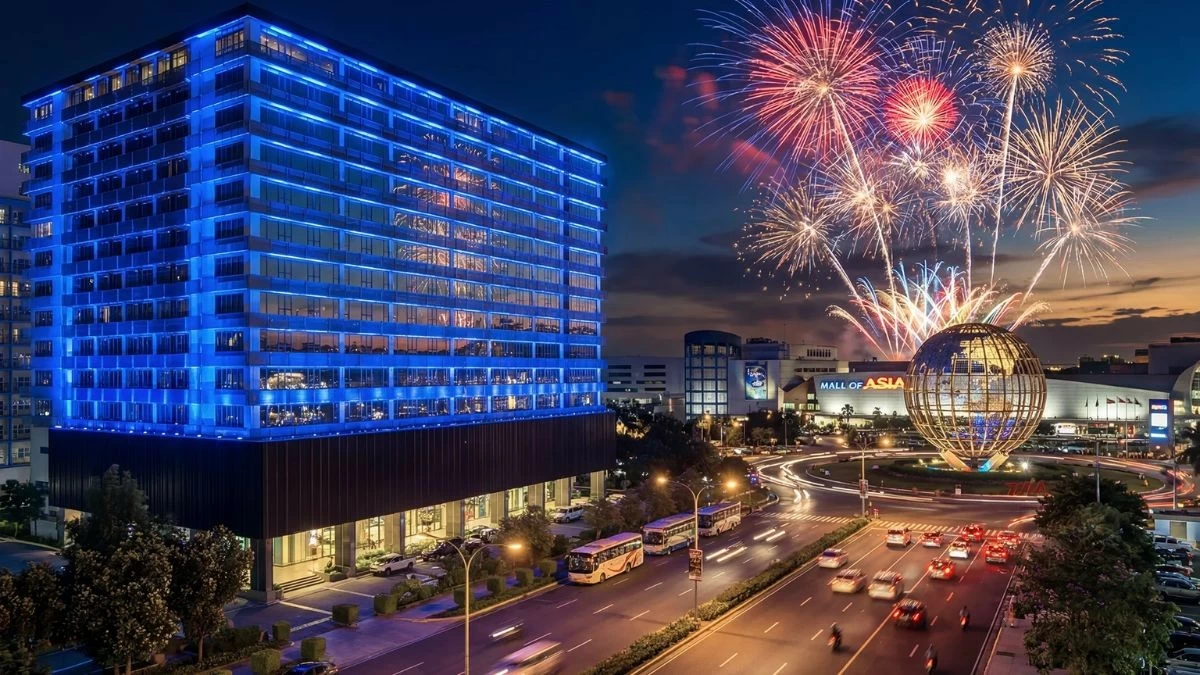
MOA Complex (Photo: SMDC)
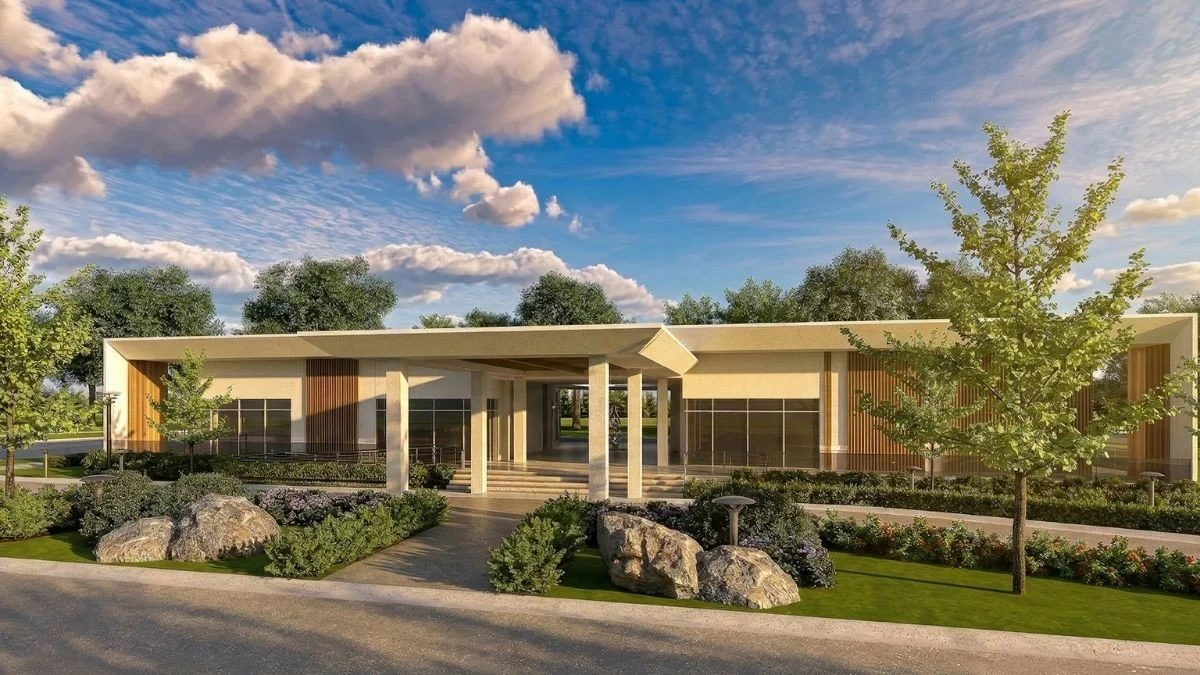
Symphony Homes Mabalacat (Artist's perspective, SMDC)
The 15-minute city model
SM Development Corporation (SMDC) has branded its approach to urban planning as the “15-minute Filipino home.” While the global 15-minute city concept focuses on reducing carbon footprints, SMDC’s localization focuses on the “dignity of time”—ensuring that work, shopping, healthcare, and leisure are all within a short walk or bike ride to mitigate congestion in urban areas.
SM Development Corporation (SMDC) has branded its approach to urban planning as the “15-minute Filipino home.” While the global 15-minute city concept focuses on reducing carbon footprints, SMDC’s localization focuses on the “dignity of time”—ensuring that work, shopping, healthcare, and leisure are all within a short walk or bike ride to mitigate congestion in urban areas.
The hallmark of strategy is the physical integration of residential towers with SM Supermalls. This fosters a localized economy where residents rarely need to leave their immediate vicinity for daily needs.
The SM Southmall Lifestyle Complex is a primary example of “vertical integration,” where residents have direct access to a world-class mall, two office towers (SM South Tower), a transport terminal, and even IMAX theaters—all within a five-minute walk. Developments such as Sail Residences and S Residences are situated within a massive Mall of Asia complex that is subdivided into 15-minute quadrants. Everything from the SMX Convention Center to E-com office blocks and the IKEA flagship store is accessible via covered walkways.
Across from NAIA Terminal 1, Gold City is an 11.6-hectare master-planned township that represents the pinnacle of SMDC’s 15-minute vision.
In 2025, SMDC is moving the concept beyond high-rises into suburban house-and-lot developments. At Symphony Homes, the “15-minute” rule applies to a gated community with its own commercial strips, parks, and clubhouses. As a result, residents in a horizontal subdivision enjoy the “reachability” feature of a vertical condo.
Bridgetowne (Photo: Robinsons Land Corporation)
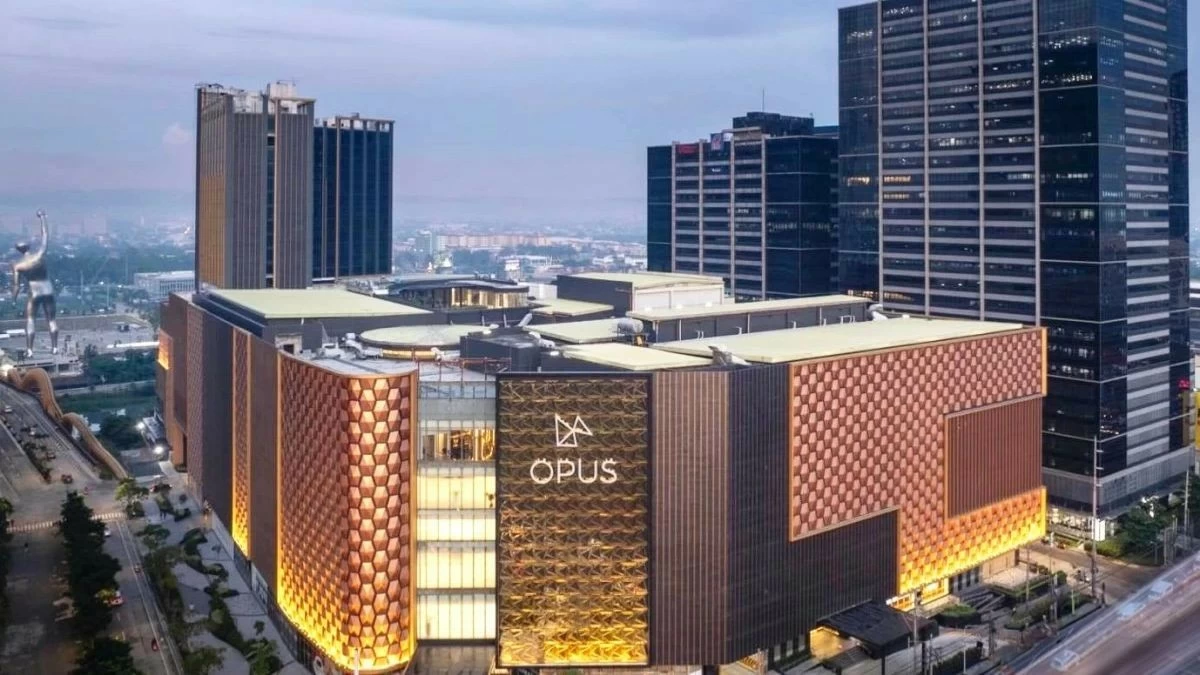
Opus Mall {Photo: Robinsons Land Corporation)
Growth through destination estates
Robinsons Land Corporation’s (RLC) mixed-use strategy is a specialized model known as “Destination Estates.” Unlike traditional standalone developments, these estates are master-planned as self-contained “cities” designed to drive economic and cultural growth in their respective regions.
Robinsons Land Corporation’s (RLC) mixed-use strategy is a specialized model known as “Destination Estates.” Unlike traditional standalone developments, these estates are master-planned as self-contained “cities” designed to drive economic and cultural growth in their respective regions.
Bridgetowne is RLC’s premier 30.6-hectare estate that serves as the benchmark for their “live-work-play-inspire” philosophy. The estate integrates luxury residential towers like Velaris and Le Pont with a planned five-star hotel, creating a high-density, high-prestige environment. It features the Opus Mall, a high-end lifestyle destination. It is also home to the GBF Center, currently the largest LEED v4 Gold-certified office tower in the country, utilizing touchless technology and AI-driven elevator systems.
In Cainta, Rizal, the 18-hectare Sierra Valley focuses on accessibility and a “balanced” suburban lifestyle. The property hosts the Sierra Valley Gardens, a massive residential component consisting of five high-rise towers designed with “smart home” features and extensive wellness amenities.
This estate is unique for its integration of lifestyle retail with RLX Logistics facilities that provide residents with immediate access to goods while providing a robust employment base within the estate.
Located in Porac, Pampanga, near the Clark Freeport Zone, Montclair is envisioned as a complete regional hub with dedicated zones for commercial, residential, logistics, and institutional use. Currently, the massive property is transitioning from primary land development to an “active destination,” hosting large-scale events and paving the way for Central Luzon’s industrial and BPO boom.
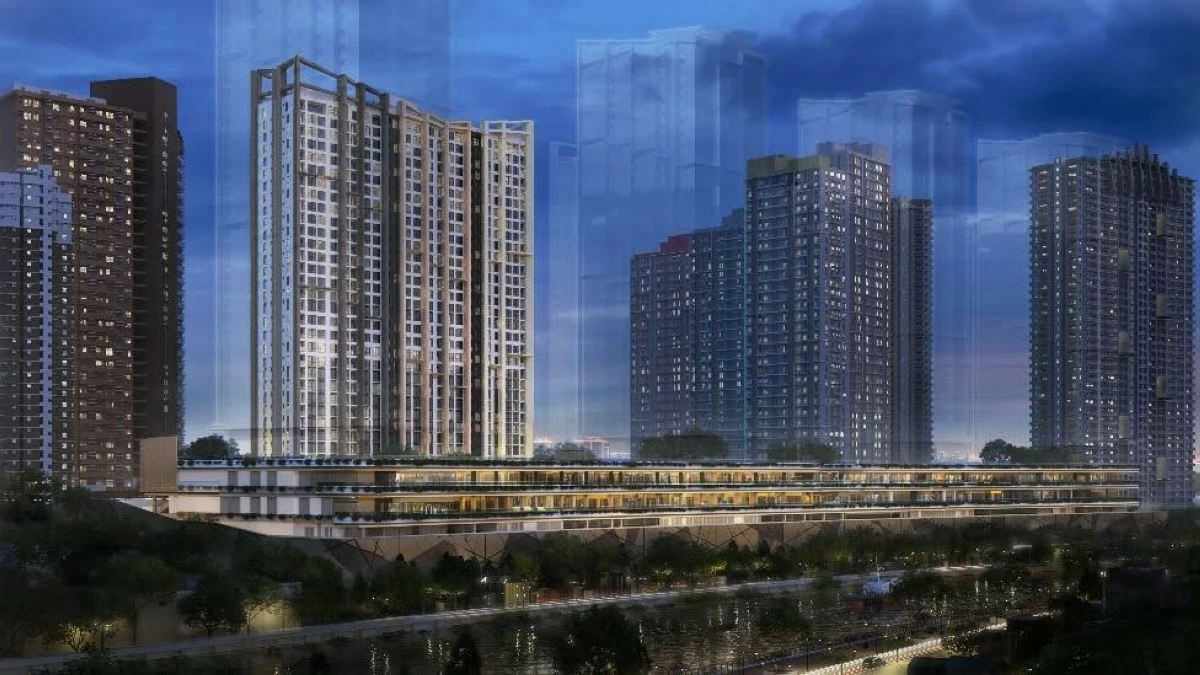
The Observatory (Artist's perspective, Federal Land)
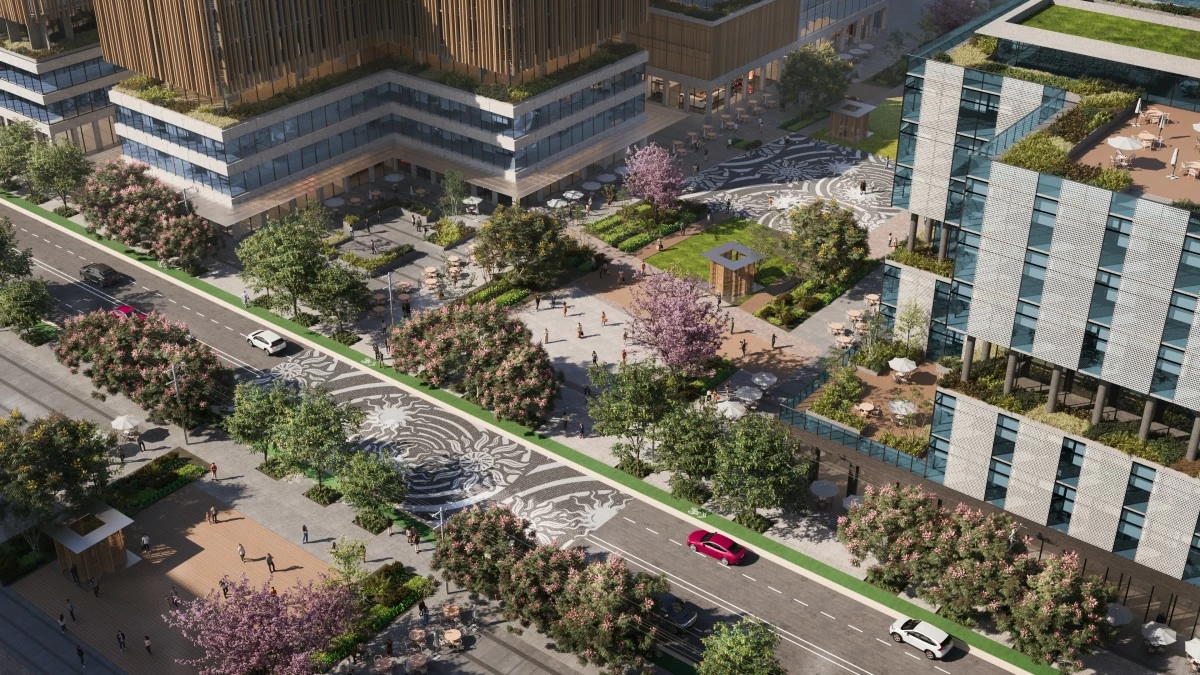
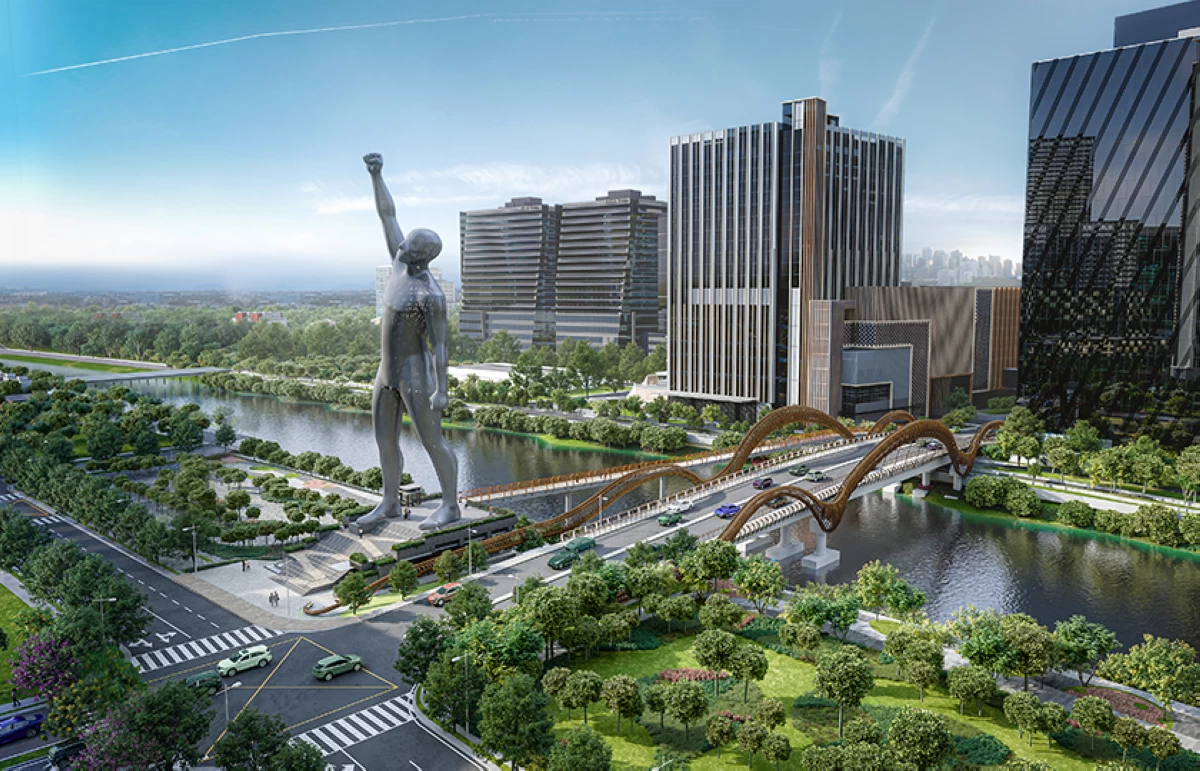
Riverpark (Artist's perspective, Federal Land)
Multi-functional ecosystems
With a legacy spanning over half a century, Federal Land, Inc. continues to break new ground through its strategic brand, Federal Land Communities (FLC). This collection of master-planned, multi-use developments is no longer just a vision of the future; in 2026, it serves as the blueprint for versatile and purposeful urban design.
With a legacy spanning over half a century, Federal Land, Inc. continues to break new ground through its strategic brand, Federal Land Communities (FLC). This collection of master-planned, multi-use developments is no longer just a vision of the future; in 2026, it serves as the blueprint for versatile and purposeful urban design.
A key evolution in the FLC philosophy is the reimagining of the “mixed-use” concept. While traditional developments rely on rigid zoning for residential, commercial, or industrial use, FLC has pioneered multi-functional spaces.
Since its milestone launch in 2023, Riverpark in General Trias, Cavite, has evolved into a self-sufficient “smart city.” As of 2026, the community offers a diverse tapestry of residential options, ranging from the premium horizontal lots of Yume to modern vertical developments.
By retaining natural rivers, streams, and waterways, FLC has integrated the environment into the urban fabric. Residents enjoy multi-functional corridors and expansive parks that serve as both leisure spaces and natural flood mitigation, proving that large-scale development can thrive in harmony with nature.
A significant driver of Federal Land’s success is Federal Land NRE Global Inc. (FNG)—a joint venture with Japan’s Nomura Real Estate Development. This partnership has infused FLC developments with Japanese “kaizen” (continuous improvement) and innovative spatial planning, ensuring that every square meter of an FLC estate is designed with the global Filipino in mind, creating projects such as Yume at Riverpark in Cavite and The Observatory in Mandaluyong City.