ADVERTISEMENT

Safer cities initiative: A shared responsibility for peace and order

Published Apr 24, 2026 12:05 am  |  Updated Apr 23, 2026 06:06 pm
METRO MATTERS
In San Juan, the concerns we hear from our residents are clear and urgent: parents who worry when their children come home late from school, the elderly who deserve a quiet night’s rest undisturbed by the neighbor’s videoke and karaoke, and residents who simply want order in their streets. These may seem like simple concerns, but they define how safe people feel in their own neighborhoods and ultimately shape their quality of life.
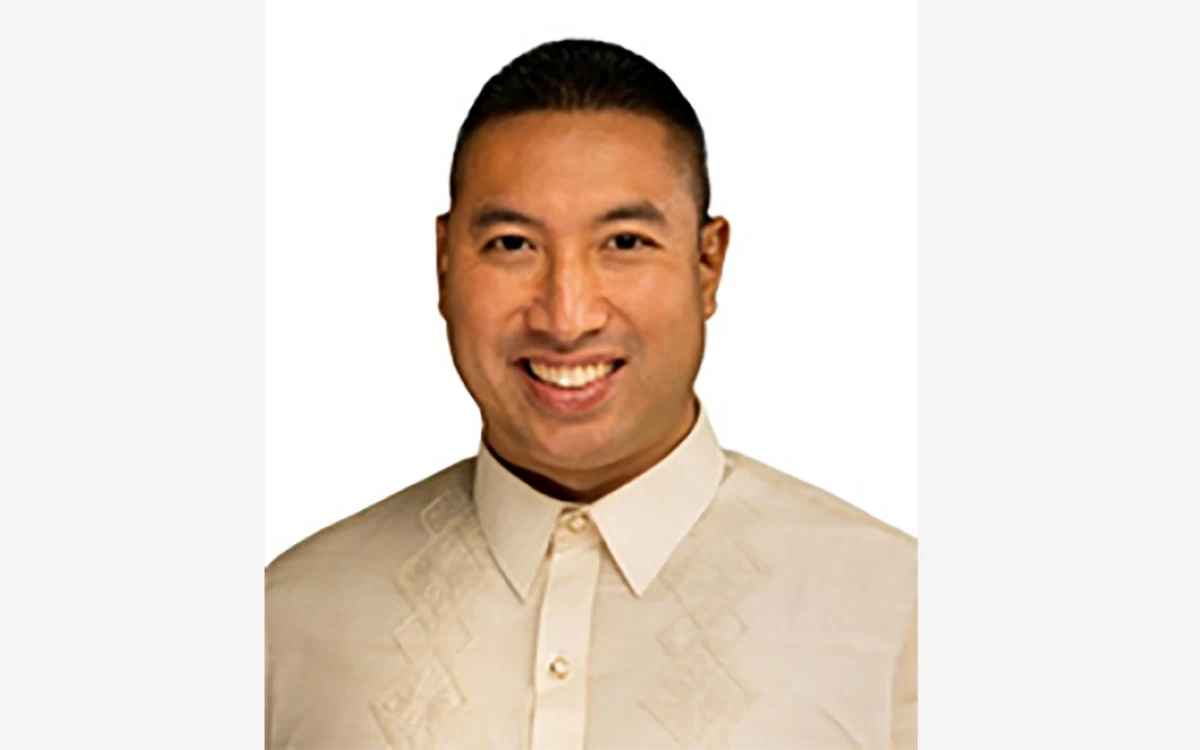
As mayor of San Juan and as national president of the League of Cities of the Philippines, I see firsthand how public safety is not just about preventing crime. It is about ensuring that people can live their daily lives with dignity, respect, and peace.
This is why I strongly support the Safer Cities Initiative of the Department of the Interior and Local Government (DILG). Officially launched on April 6, under the leadership of DILG Secretary Jonvic Remulla, the program brings together Metro Manila Local Government Units and the Philippine National Police with the primary goal of further strengthening our safety and security in our urban areas. It does so through strict enforcement of existing laws, increased police visibility, and renewed attention to everyday public order.
Through the Safer Cities Initiative, we aim to improve the quality of life for all by addressing minor infractions that, when left unchecked, can escalate into more serious problems. These include the prohibition of drinking in streets and public spaces, enforcing a 10 p.m. to 4 a.m. curfew for minors, setting clear limits on late-night noise from videoke and karaoke from 10 p.m. to 10 a.m. prohibiting individuals from roaming topless in public places, and strengthening police presence in high-density areas such as schools, transport hubs, and commercial centers.
At its core, DILG’s Safer Cities responds to a shared aspiration: To live in communities where order is the norm and safety is assured. I stand firm that discipline and respect are the foundations of progress. These are not values that the government can impose alone, but should be collectively practiced.
Public safety cannot rely solely on reactive measures. When rules are clear and consistently enforced, they shape behavior. When government presence is visible and accountable, it builds trust. When small violations are addressed early, larger problems are prevented.
Through this initiative, we are ensuring that every Filipino can live, move, and rest without fear. Safety and security are fundamental rights that must be enjoyed by all, not reserved for those who can afford them. In the City of San Juan, we acted swiftly to align with this national direction.
We reemphasized the implementation of our existing local ordinances which focus on tightened regulations on public intoxication, noise regulation, and public decorum to ensure that when the PNP and our local enforcers carry out their mandate, they do so with the full legislative and executive support of our city government. Our enforcers are trained not merely to impose penalties, but to serve as ambassadors of order. They are guided by professionalism, sound judgment, and respect for human dignity. Enforcement is most effective when it is both consistent and humane.
As the president of the Metro Manila Council, where the Safer Cities Initiative is currently being implemented, I call on my fellow local chief executives and every resident to move forward together toward a renewed era where respect for the law and for one another becomes our shared language and strength.
Our cities are deeply interconnected, and public safety does not stop at political or geographic boundaries. When one city is safe, the entire region is stronger. When one falls behind, we all feel the impact. That is why we must rise as one Metro Manila — united in purpose, aligned in action, and committed to our collective responsibility under the Safer Cities Initiative.
Just last week, the Metro Manila mayors met with DILG Secretary Jonvic Remulla, who reported a 30 percent drop in crime volume in NCR after one week of implementing the Safer Cities initiatives. This shows that when national oversight and local execution move in lockstep, we can create spaces where lawlessness has little room to thrive.
Through the Safer Cities Initiative, we can turn our aspirations into reality: A National Capital Region where safety is felt in every home, every street, and every city. After all, a safer Philippines begins with safer cities, and safer cities begin with all of us.

Related Tags

METRO MATTERS MAYOR FRANCIS ZAMORA
ADVERTISEMENT
.most-popular .layout-ratio{ padding-bottom: 79.13%; } @media (min-width: 768px) and (max-width: 1024px) { .widget-title { font-size: 15px !important; } }

{{ articles_filter_1561_widget.title }}

.most-popular .layout-ratio{ padding-bottom: 79.13%; } @media (min-width: 768px) and (max-width: 1024px) { .widget-title { font-size: 15px !important; } }

{{ articles_filter_1562_widget.title }}

.most-popular .layout-ratio{ padding-bottom: 79.13%; } @media (min-width: 768px) and (max-width: 1024px) { .widget-title { font-size: 15px !important; } }

{{ articles_filter_1563_widget.title }}

{{ articles_filter_1564_widget.title }}

.mb-article-details { position: relative; } .mb-article-details .article-body-preview, .mb-article-details .article-body-summary{ font-size: 17px; line-height: 30px; font-family: "Libre Caslon Text", serif; color: #000; } .mb-article-details .article-body-preview iframe , .mb-article-details .article-body-summary iframe{ width: 100%; margin: auto; } .read-more-background { background: linear-gradient(180deg, color(display-p3 1.000 1.000 1.000 / 0) 13.75%, color(display-p3 1.000 1.000 1.000 / 0.8) 30.79%, color(display-p3 1.000 1.000 1.000) 72.5%); position: absolute; height: 200px; width: 100%; bottom: 0; display: flex; justify-content: center; align-items: center; padding: 0; } .read-more-background a{ color: #000; } .read-more-btn { padding: 17px 45px; font-family: Inter; font-weight: 700; font-size: 18px; line-height: 16px; text-align: center; vertical-align: middle; border: 1px solid black; background-color: white; } .hidden { display: none; }
function initializeAllSwipers() { // Get all hidden inputs with cms_article_id document.querySelectorAll('[id^="cms_article_id_"]').forEach(function (input) { const cmsArticleId = input.value; const articleSelector = '#article-' + cmsArticleId + ' .body_images'; const swiperElement = document.querySelector(articleSelector); if (swiperElement && !swiperElement.classList.contains('swiper-initialized')) { new Swiper(articleSelector, { loop: true, pagination: false, navigation: { nextEl: '#article-' + cmsArticleId + ' .swiper-button-next', prevEl: '#article-' + cmsArticleId + ' .swiper-button-prev', }, }); } }); } setTimeout(initializeAllSwipers, 3000); const intersectionObserver = new IntersectionObserver( (entries) => { entries.forEach((entry) => { if (entry.isIntersecting) { const newUrl = entry.target.getAttribute("data-url"); if (newUrl) { history.pushState(null, null, newUrl); let article = entry.target; // Extract metadata const author = article.querySelector('.author-section').textContent.replace('By', '').trim(); const section = article.querySelector('.section-info ').textContent.replace(' ', ' '); const title = article.querySelector('.article-title h1').textContent; // Parse URL for Chartbeat path format const parsedUrl = new URL(newUrl, window.location.origin); const cleanUrl = parsedUrl.host + parsedUrl.pathname; // Update Chartbeat configuration if (typeof window._sf_async_config !== 'undefined') { window._sf_async_config.path = cleanUrl; window._sf_async_config.sections = section; window._sf_async_config.authors = author; } // Track virtual page view with Chartbeat if (typeof pSUPERFLY !== 'undefined' && typeof pSUPERFLY.virtualPage === 'function') { try { pSUPERFLY.virtualPage({ path: cleanUrl, title: title, sections: section, authors: author }); } catch (error) { console.error('ping error', error); } } // Optional: Update document title if (title && title !== document.title) { document.title = title; } } } }); }, { threshold: 0.1 } ); function showArticleBody(button) { const article = button.closest("article"); const summary = article.querySelector(".article-body-summary"); const body = article.querySelector(".article-body-preview"); const readMoreSection = article.querySelector(".read-more-background"); // Hide summary and read-more section summary.style.display = "none"; readMoreSection.style.display = "none"; // Show the full article body body.classList.remove("hidden"); } document.addEventListener("DOMContentLoaded", () => { let loadCount = 0; // Track how many times articles are loaded const offset = [1, 2, 3, 4, 5, 6, 7, 8, 9, 10]; // Offset values const currentUrl = window.location.pathname.substring(1); let isLoading = false; // Prevent multiple calls if (!currentUrl) { console.log("Current URL is invalid."); return; } const sentinel = document.getElementById("load-more-sentinel"); if (!sentinel) { console.log("Sentinel element not found."); return; } function isSentinelVisible() { const rect = sentinel.getBoundingClientRect(); return ( rect.top < window.innerHeight && rect.bottom >= 0 ); } function onScroll() { if (isLoading) return; if (isSentinelVisible()) { if (loadCount >= offset.length) { console.log("Maximum load attempts reached."); window.removeEventListener("scroll", onScroll); return; } isLoading = true; const currentOffset = offset[loadCount]; window.loadMoreItems().then(() => { let article = document.querySelector('#widget_1690 > div:nth-last-of-type(2) article'); intersectionObserver.observe(article) loadCount++; }).catch(error => { console.error("Error loading more items:", error); }).finally(() => { isLoading = false; }); } } window.addEventListener("scroll", onScroll); });

Sign up by email to receive news.