






Manila Bulletin
 Environment and Sustainability
Nature-based technology offers cleaner water for Filipino communities
Environment and Sustainability
Nature-based technology offers cleaner water for Filipino communities
Environment and Sustainability
Nature-based technology offers cleaner water for Filipino communities
Nature-based technology offers cleaner water for Filipino communities
Published Apr 24, 2026 08:54 am
|
Updated Apr 24, 2026 03:48 pm


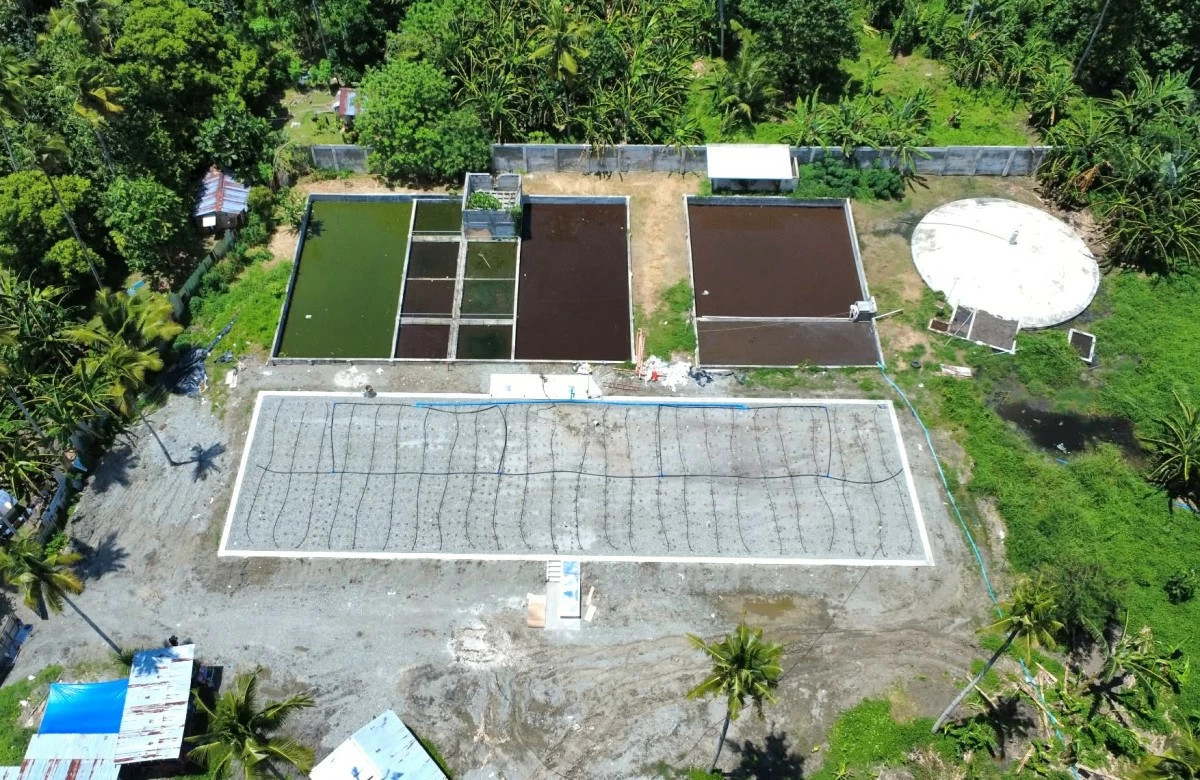
VHFS in Misamis Oriental
Dutch national Sean Ligtvoet, an engineer who studied water management at the Rotterdam University of Applied Sciences in the Netherlands, found his purpose in addressing wastewater challenges when he came to the Philippines.
Initially, he took an internship focused on flood reduction. “But after a week,” he said, “I was sure that the issues regarding improper wastewater management were far more severe.”
Data from water.org highlight the urgency of the problem. Out of more than 100 million Filipinos, about 9 million rely on unsafe and unsustainable water sources, while 19 million lack access to improved sanitation.
The organization also noted that families without access to safe water often spend significant time collecting it, while those without sanitary toilets are left with difficult and sometimes unsafe options.
A study by the Philippine Institute for Development Studies (PIDS) showed that less than half of Filipino households have piped water connections within their homes. In addition, 332 municipalities are still classified as “water-less,” with more than half of residents lacking a reliable water supply.
Ligtvoet, who now resides in Davao City with his Filipina spouse, Tedz, sought to address the issue by working with the Department of Science and Technology (DOST). In 2012, he introduced the concept of the Profitable Sanitation Facility (PSF) to Dr. Anthony C. Sales at the agency’s regional office.
“I feel very blessed working for him,” said Ligtvoet, now a senior technical specialist at the DOST Davao regional office. “He is by far the most intelligent person I know and gives me the space and guidance to improve the technology.”
The PSF project aims to provide the urban poor communities with access to clean toilets and showers, as well as high-quality drinking water supplied by the Davao City Water District (DCWD).
“It’s a public comfort room with five toilets, designed for a capacity of 200 users a day,” Ligtvoet said. “The wastewater goes to a septic tank below the facility, where it stays for four to five days, before being treated through a helophyte-filter system.”
The treated wastewater is then discharged into nearby bodies of water in compliance with effluent standards set by the Department of Environment and Natural Resources (DENR).
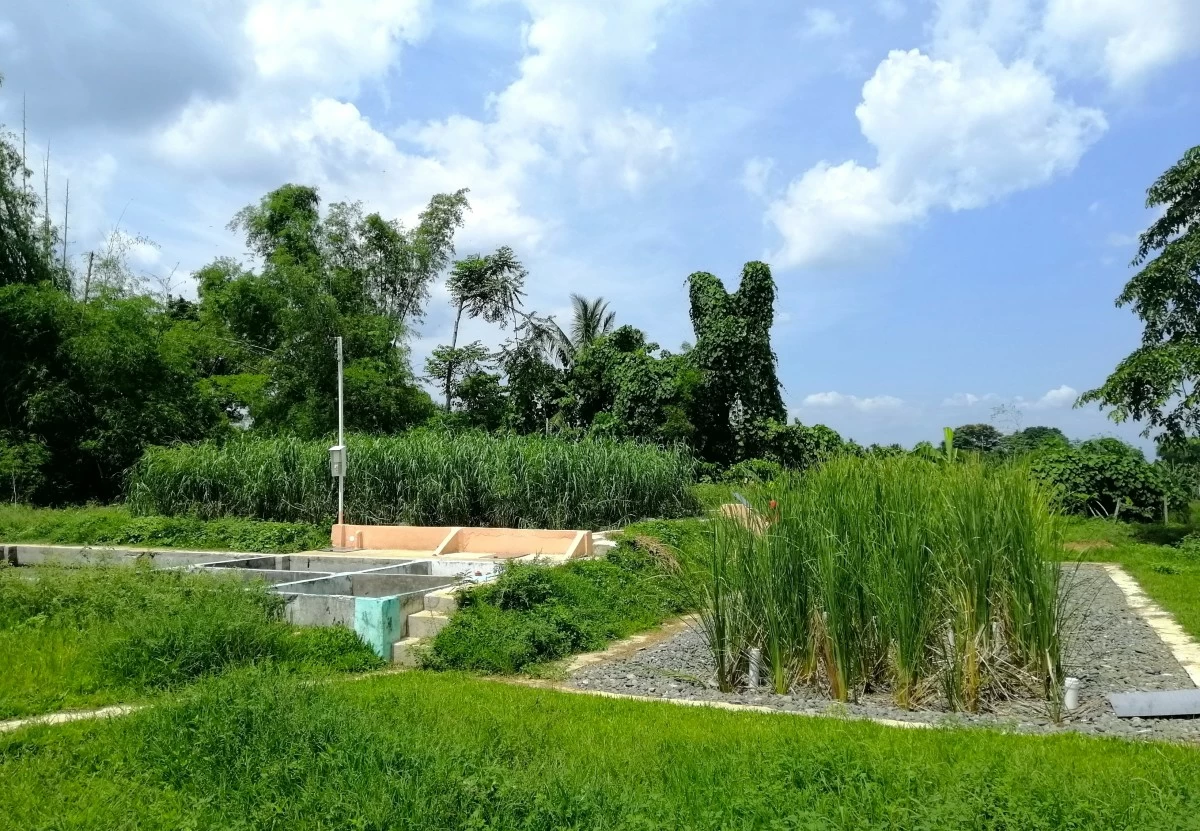
VHFS in Sto. Tomas
The system used is known as the helophyte-filter system (VHFS), a nature-based wastewater treatment technology derived from constructed wetlands.
“This is widely used in the Netherlands, especially in areas not connected to sewerage systems,” Ligtvoet said.
He explained that the VHFS uses layers of sand and plant-based filtration, particularly reed plants, to treat both grey and black wastewater.
The system utilizes helophytes, or tall reeds, specifically Phragmites karka, locally known as “tambo,” which thrive in wetlands and effectively help filter wastewater.
While a variety of plants may be used, Ligtvoet said they prefer species that offer the best performance and resilience.
The initial prototype built at the DOST office was not immediately operational. Ligtvoet later returned to the Netherlands to complete his studies, graduating in 2016. He returned to the Philippines shortly after.
Sales then proposed replicating the system for a Davao-based company, Porky Best, which proved successful.
Subsequent installations were made in various facilities, including slaughterhouses, poultry farms, public markets, and resorts.
“Most of these projects were successful,” Ligtvoet said.
To date, about 35 VHFS units have been built across the Davao Region, with additional installations in Misamis Oriental, Cotabato, Pampanga, and Oriental Mindoro. One system has also been constructed in Indonesia.
Ligtvoet said the technology is particularly effective in the Philippines due to its tropical climate.
“The absence of winter and the presence of stronger, more resilient reed varieties improve the system’s efficiency,” he said. “The climate also supports faster bacterial growth, which is essential for wastewater treatment.”
He added that VHFS is cost-effective, requiring a one-time investment and minimal maintenance.
When asked about its broader impact, Ligtvoet emphasized the importance of scaling up.
“We can prevent pollution from various establishments, but the bigger issue is household wastewater,” he said. “Around 80 percent comes from households, and much of it is untreated. Without change, water pollution will continue.”
He stressed the need for stronger public awareness and compliance with environmental regulations.
“It is crucial for Filipinos to recognize the importance of proper wastewater management,” he said. “This protects public health and ensures that the environment remains safe for future generations.”
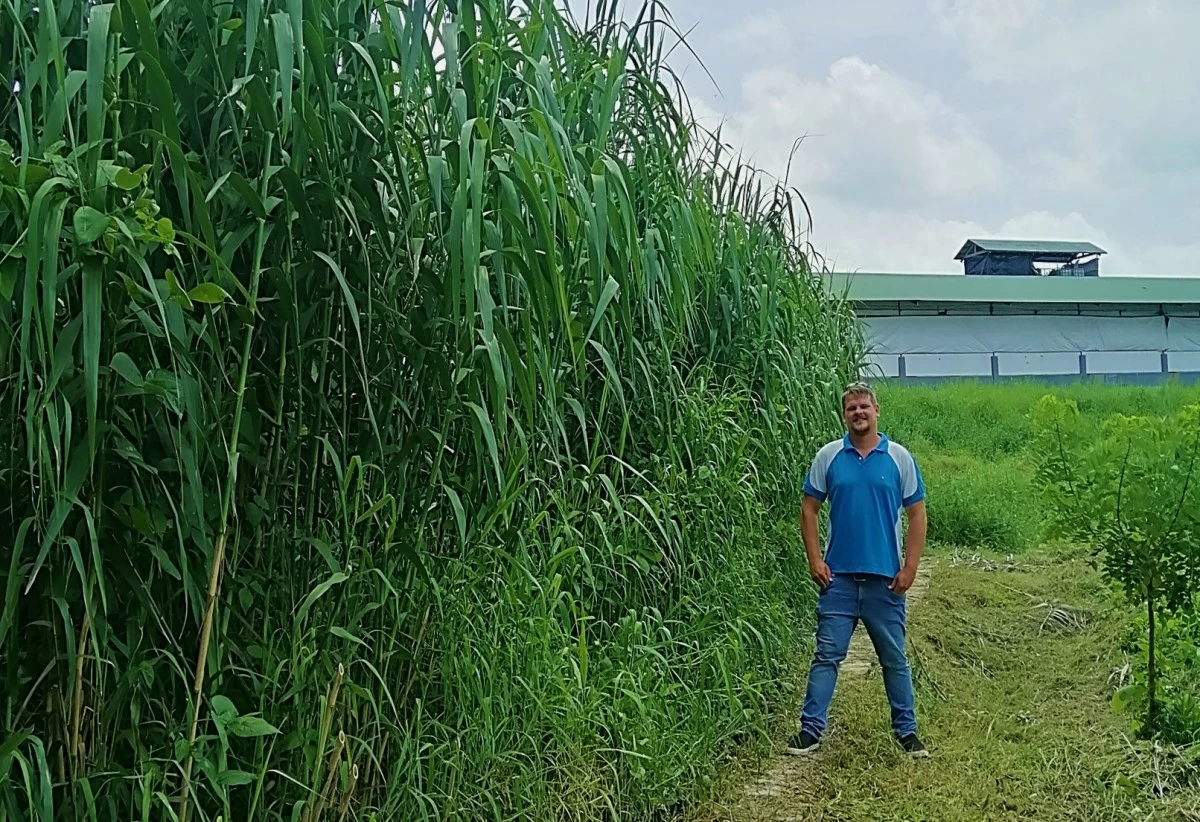
Sean Ligtvoet