







Fuel shock powers EV boom for ACMobility


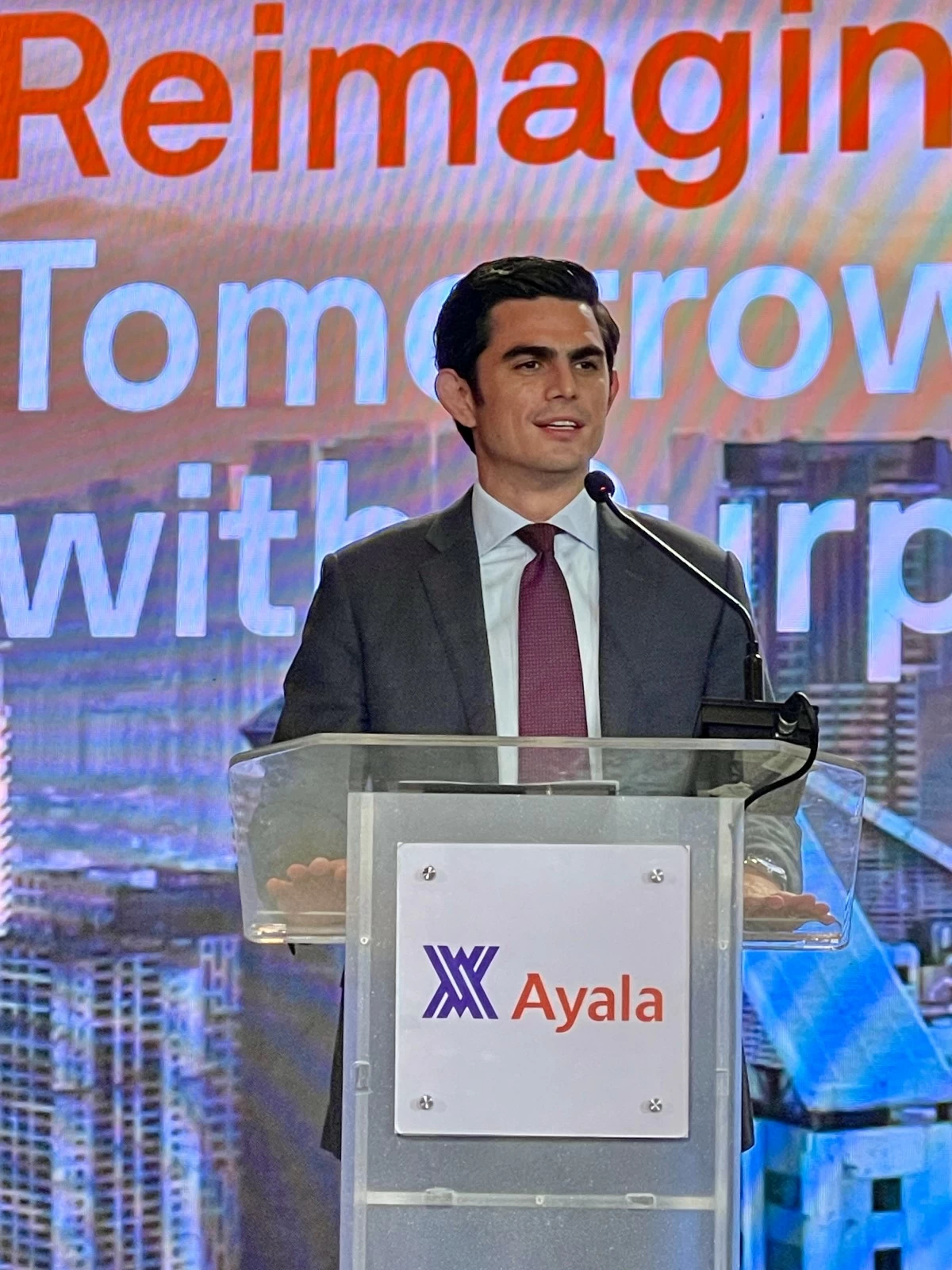

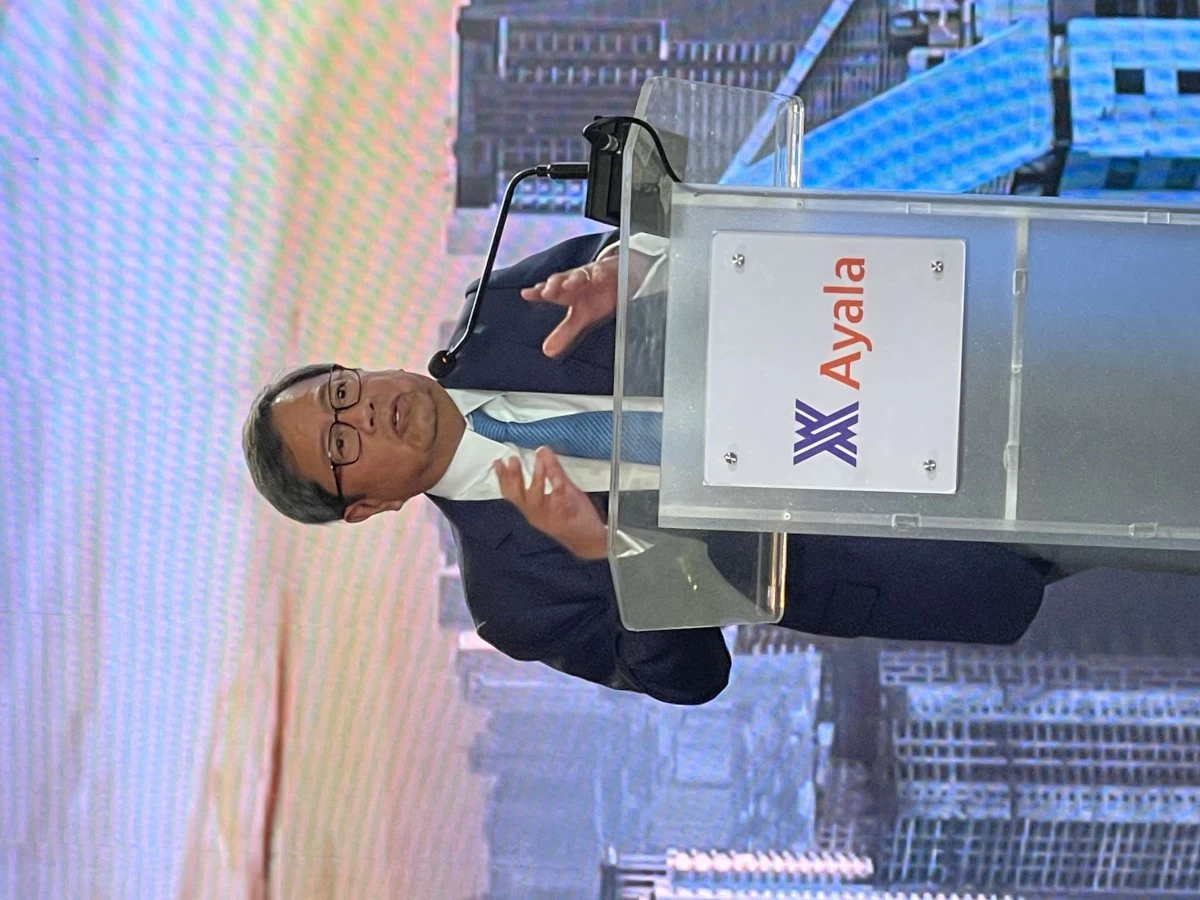
Just like how GCash got an unexpected but huge boost during the Covid-19 pandemic, another new business of Ayala Corp., car dealer ACMobility, is now benefiting from the Middle East conflict as surging fuel prices have heightened the appeal of electric vehicles (EVs).
In a press briefing after the conglomerate’s annual stockholders’ meeting (ASM) on Friday, April 24, Ayala President and Chief Executive Officer (CEO) Cezar P. Consing said ACMobility is expected to turn profitable in 2026 after registering losses over several years.
The business’ long-term distribution and dealership agreements with leading global automotive brands have positioned it at the forefront of the country’s EV surge, a market shift ACMobility moved early to capture.
“With a diverse portfolio of electrified and premium mobility brands, the company is reinforcing Ayala’s presence in a sector central to the Philippines’ long-term development and energy transition agenda,” Consing said.
ACMobility President and CEO Jaime Alfonso Zobel de Ayala said, “the March, and what looks like April numbers, it’s starting to indicate the kind of demand that consumers have for this new technology [EVs], particularly because of the pain point of where fuel prices are. From our rough calculations, we estimated that the penetration in March and in April was somewhere around 20 to maybe 23 percent of the new vehicles sold.”
This compares to the 12-percent share of EVs in all new vehicles sold by the Philippine automotive industry last year and the firm’s estimated penetration rate of 18 percent of all new vehicles sold this year.
“I think one reference that might be helpful is that from February to March, in terms of search volume, particularly for BYD… we saw a nearly 200-percent growth or increase in search volume,” noted Zobel.
He added that, “We believe that by 2030, nearly 50 percent of new vehicles sold will come from new energy vehicles or hybrids,” said Zobel. Their earlier estimate was only about 30 percent by 2030.
While ACMobility has been aggressively marketing new energy vehicles from BYD and Kia, many competitors and traditional incumbents in the market have also been redefining their portfolios toward these new technology segments.
“Our goal at ACMobility is to have a significant stake in that segment. I believe, last year, when we looked at just the new energy vehicle segment, our portfolio contributed about 80 percent. We understand with the introduction of new competitors and other factors that it’s going to be a goal of ours to maintain that kind of share as we go through the next four or five years. But it’s something that we think we can reasonably achieve,” Zobel said.
Based on estimates of total industry sales volume by the end of the year, Zobel said, “we’re anticipating to get about a 12-percent share on a consolidated basis across our ACMobility portfolio. A large part of that we imagine would come from BYD… But Kia’s also been an OEM [original equipment manufacturer] that has wanted to contribute to that as well.”