






Manila Bulletin
 Philippines
National
'Could have been prevented': Toxics watchdog points to gaps in Navotas landfill fire
Philippines
National
'Could have been prevented': Toxics watchdog points to gaps in Navotas landfill fire
Philippines
National
'Could have been prevented': Toxics watchdog points to gaps in Navotas landfill fire
'Could have been prevented': Toxics watchdog points to gaps in Navotas landfill fire
By Jel Santos
Published Apr 24, 2026 01:56 pm


(MB FILE PHOTO)
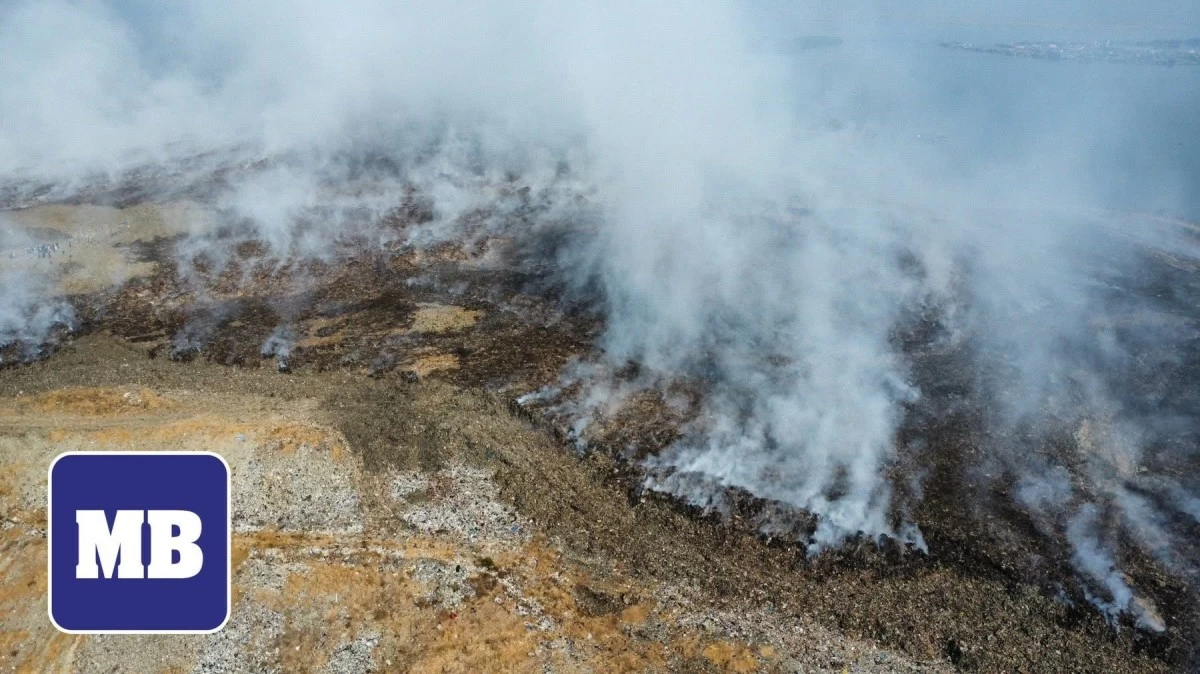
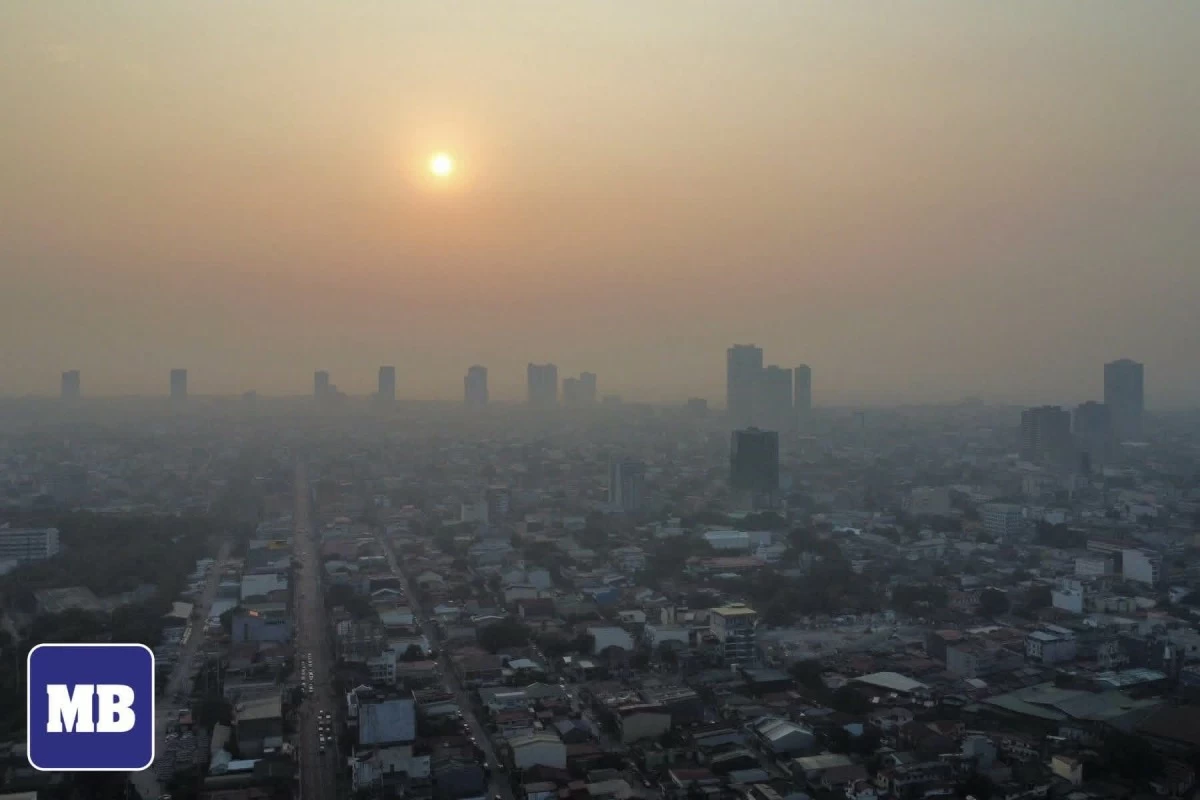
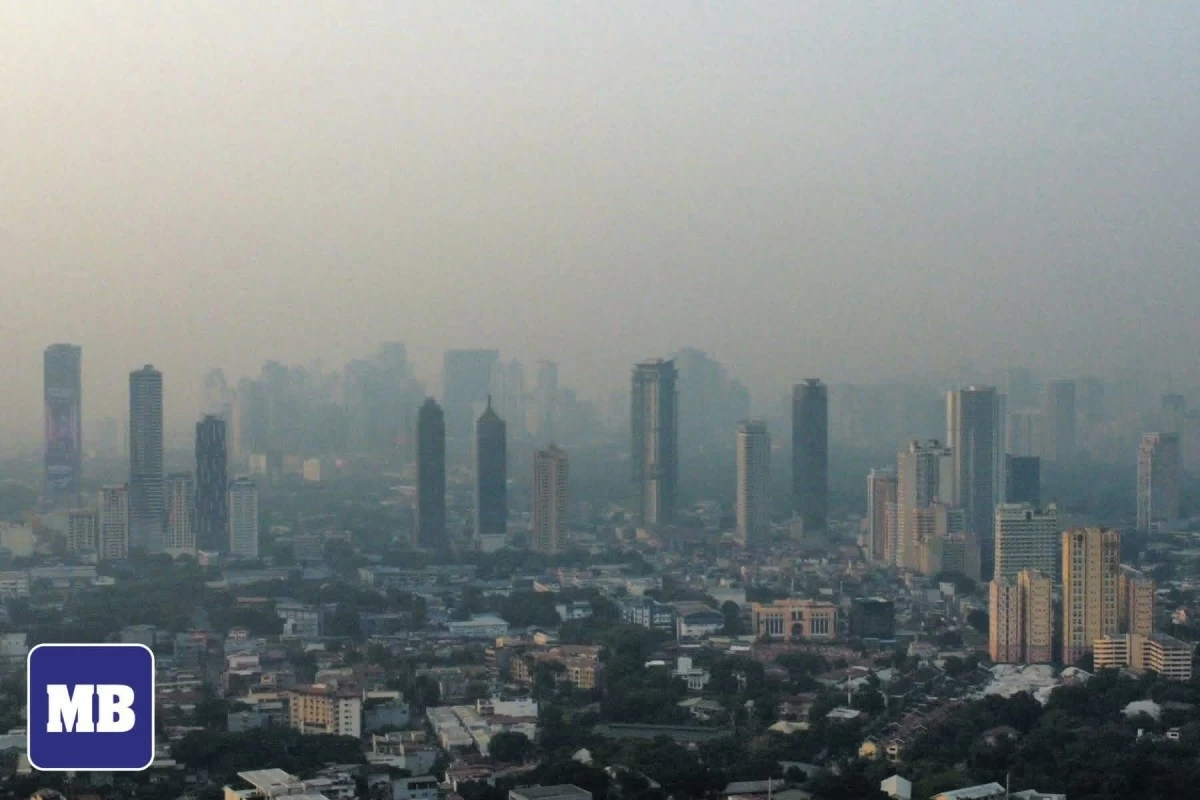
The fire at the inactive Navotas Sanitary Landfill, which further worsened air quality in Metro Manila and nearby provinces, could have been prevented.
This was pointed out by environmental group BAN Toxics, which flagged critical gaps in waste management practices and policies, as well as a “business-as-usual” mindset.
Jam Lorenzo, BAN Toxics deputy executive director and head of the Policy Development and Research Unit, said stricter adherence to safety protocols could have prevented the Navotas landfill fire.
“The fire could have been prevented if all parties involved exercised the precautionary principle, and ensured the landfill’s safe closure and rehabilitation,” he said in a statement released on Friday, April 24.
"Instead, by prioritizing court orders and schedules over environmental safeguards, we are now in this situation that has impacted the environment and endangered the lives of millions of Filipinos,” he went on.
Lorenzo was referring to the court-ordered expropriation and writ of possession that shifted control of the site to a new developer, displacing the previous landfill operator.
The group noted that the project includes plans for a cloverleaf interchange connected to the New Manila International Airport in Bulacan.
(MB FILE PHOTO)
Independent probe
As multiple parties have been pointing fingers at each other, BAN Toxics called for an independent fact-finding mission to determine accountability and examine the full chain of decisions that led to the disaster.
Lorenzo said the public deserves answers that go beyond legal maneuvering and corporate disclaimers.
“An independent investigation, involving not only the government but also civil society, is the only way to cut through the bias and get to the truth," he said.
Likewise, the toxics watchdog said an independent fact-finding body could also examine previous landfill incidents, including the Jan. 8 trash slide at the Binaliw Landfill in Cebu City that killed 36 workers, and the Feb. 20 collapse at the Rizal Provincial Sanitary Landfill in Rodriguez, Rizal, which left one dead and two others missing.
“The Navotas fire is the third major landfill incident in the Philippines in less than four months,” BAN Toxics noted.
It also urged the government to conduct a comprehensive assessment of all landfills and dump sites nationwide, stressing that recurring disasters point to systemic failures in waste management oversight that can no longer be addressed on a case-by-case basis.
The recent landfill tragedies, BAN Toxics said, reflect a deeper waste crisis that can no longer be addressed solely at the point of disposal, where waste has already been generated, collected, and dumped.
“[L]asting solutions require embracing genuine zero waste principles — reducing the production and consumption of single-use plastics and other products designed for disposal — and holding producers accountable for the waste they generate, rather than leaving communities and the environment to bear the consequences,” it stated.
As such, the toxics watchdog warned that recent incidents should not be used to justify the government’s push for waste-to-energy (WTE) or other combustion-based waste management methods.
“Burning waste does not solve the waste crisis — it simply moves the problem from the ground to the air. It produces a wide range of toxic chemicals, including persistent organic pollutants (POPs) that remain in the environment for generations, posing serious risks to public health and the environment," said Lorenzo.
He said the recent incidents show the need to reduce waste at the source of production rather than rely on more disposal methods, adding that the current “business-as-usual” approach is no longer effective.
(MB FILE PHOTO)
Strict enforcement needed
According to the Mother Earth Foundation (MEF), concerns have been raised over the management of the Navotas landfill closure, underscoring the need for strict enforcement of Republic Act No. 9003, or the Ecological Solid Waste Management Act, and Republic Act No. 8749, or the Clean Air Act, as well as prompt accountability for those responsible. “More importantly, this is a clear wake-up call to move beyond landfill dependence and fast-track the shift to and investment in zero waste systems,” the group stressed.
MEF said such a transition demands an immediate commitment to prioritize waste reduction at the source and ensure strict segregation in all sectors, adding that
“[W]e must institutionalize decentralized collection through the integration of trained waste workers and Materials Recovery Facilities (MRFs), while fully operationalizing efficient organics management and recycling as the essential foundations of a sustainable, climate-resilient waste strategy,” it said.
Meantime, Greenpeace Philippines said recurring landfill incidents persist due to weakly enforced and inadequate waste policies that prioritize disposal over prevention.
“Existing laws, like the Ecological Solid Waste Management Act, recognize waste reduction and segregation, yet implementation remains poor. Moreover, critical gaps in policies like the Extended Producer Responsibility Act continue to allow corporate overproduction and dependence on single-use products and packaging, which are the main contributors to plastic pollution that is driving the increase in waste volumes,” it said.
The group said the government must act urgently on the waste crisis, warning that any delay in reducing waste at the source and curbing plastic production will deepen the health, economic, and environmental toll on Filipinos.
“The government must implement strong reduction measures, enforce strict segregation at source, and support a just transition to zero-waste systems like reuse, which can significantly reduce waste volumes,” Greenpeace Philippines pointed out.
Hold all parties accountable!
EcoWaste Coalition, for its part, called on the government to identify and hold accountable all parties behind the landfill fire, stressing the need to move away from unsustainable, end-of-pipe, quick-fix solutions to better protect human health and the environment. In lieu of mega landfills and waste-to-energy incinerators, the group urged the government to prioritize resources for sustainable, people-centered solutions that reduce waste volume and toxicity and promote environmental justice.
Per MEF, the main cause of the fire is attributed to methane gas generated by bacteria during the breakdown of organic waste under anaerobic conditions.
“Any small spark or extreme heat can ignite methane gas, which is highly combustible,” it explained.
There is still a great volume of methane being produced in that condition due to the organic waste that has been dumped in the landfill, the group noted.
“Vents should be installed in the landfill and flared after the fire has been completely put out by putting inert materials, like soil, over the surface,” it stated.
On April 23, the Philippine Space Agency (PhilSA) reported that air quality in Metro Manila remains above pre-fire levels nearly two weeks after the Navotas Sanitary Landfill fire, based on satellite monitoring showing nitrogen dioxide (NO₂), a pollutant produced from burning, with levels still higher than pre-fire readings.
The agency said daily observations taken at 8:45 a.m. indicate pollution levels continue to exceed those recorded on April 6.