






Manila Bulletin
 Philippines
National
Bam Aquino files Senate bill seeking stronger anti-drunk, drugged driving law
Philippines
National
Bam Aquino files Senate bill seeking stronger anti-drunk, drugged driving law
Philippines
National
Bam Aquino files Senate bill seeking stronger anti-drunk, drugged driving law
Bam Aquino files Senate bill seeking stronger anti-drunk, drugged driving law
Published Apr 24, 2026 05:18 pm


Senator Paolo "Bam" Aquino IV has filed a measure seeking to address gaps in the country’s anti-drunk and drugged driving law in a bid to protect young Filipinos who are among the most vulnerable to road crashes.
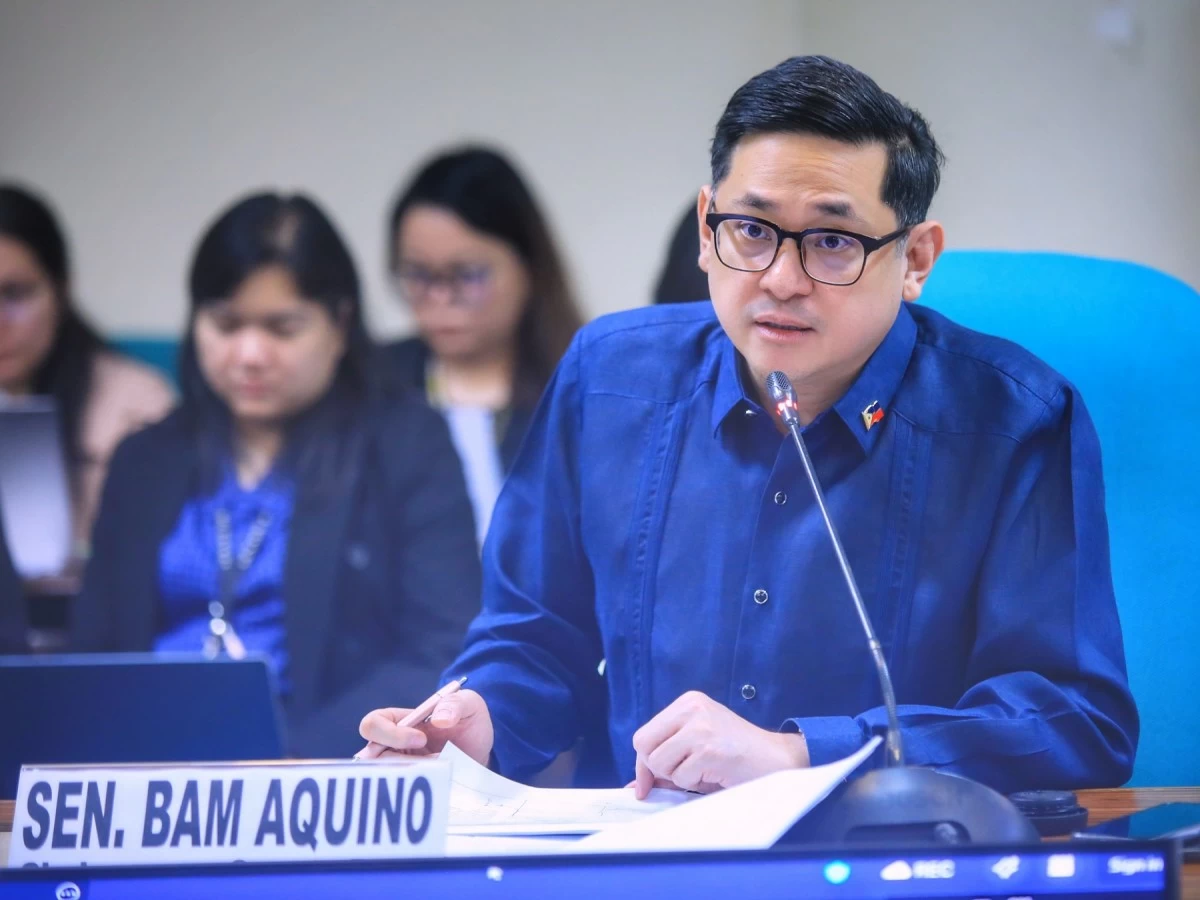
Aquino introduced Senate Bill No. 2068 that seeks to amend existing Anti-Drunk and Drugged Driving Act amid reports that current drunk driving cases have increased by 255 percent compared to last year.
Aquino particularly cited the case of Kingston Ralph Ko Cheng, who would have celebrated his 24th birthday on April 23. Cheng was killed reportedly by 21-year-old Sean Andrew Parajillo in a hit-and-run incident in Cebu City on February 8, 2026.
Cheng's family was reported in local media as having plans to seek amendments in the existing anti-drunk and drugged driving law.
"Kingston’s case exposed a critical gap in the law. Because testing was delayed, the suspect’s blood alcohol level had already dissipated, making it difficult to establish intoxication at the time of the incident. Under the current law, a driver can evade liability simply by avoiding immediate testing. This is unacceptable; justice should not depend on how long someone can delay enforcement," Aquino stressed in the explanatory note of his bill.
Aquino filed the bill as he argued that what could have been intended to be a strong deterrent "has not kept pace with the realities on our roads."
SB No. 2068 sets lower and science-based blood alcohol concentration (BAC) thresholds of 0.02 percent for novice and professional drivers, operators of public utility vehicles, and 0.03 percent for all other drivers of private motor vehicles.
To prevent drivers from avoiding responsibility by delaying or refusing, the measure applies implied consent, meaning that holding a license means agreeing to alcohol or drug testing when lawfully required.
All drivers involved must take a chemical test for alcohol and drugs within two hours of the incident, and police officers and medical institutions must ensure the testing is done immediately.
It also allows the use of retrograde extrapolation -- or the scientific process of estimating a person’s BAC at the time of driving by projecting backward from the time a chemical test is actually administered -- to determine a driver’s level of intoxication at the time of the incident.
Beyond stricter penalties and enforcement, the measure also focuses on prevention and rehabilitation by requiring offenders to attend a state-accredited alcohol safety program and mandating the installation of ignition interlock devices for repeat violators.