Pinoy youth leader pushes Deaf rights at UN forum


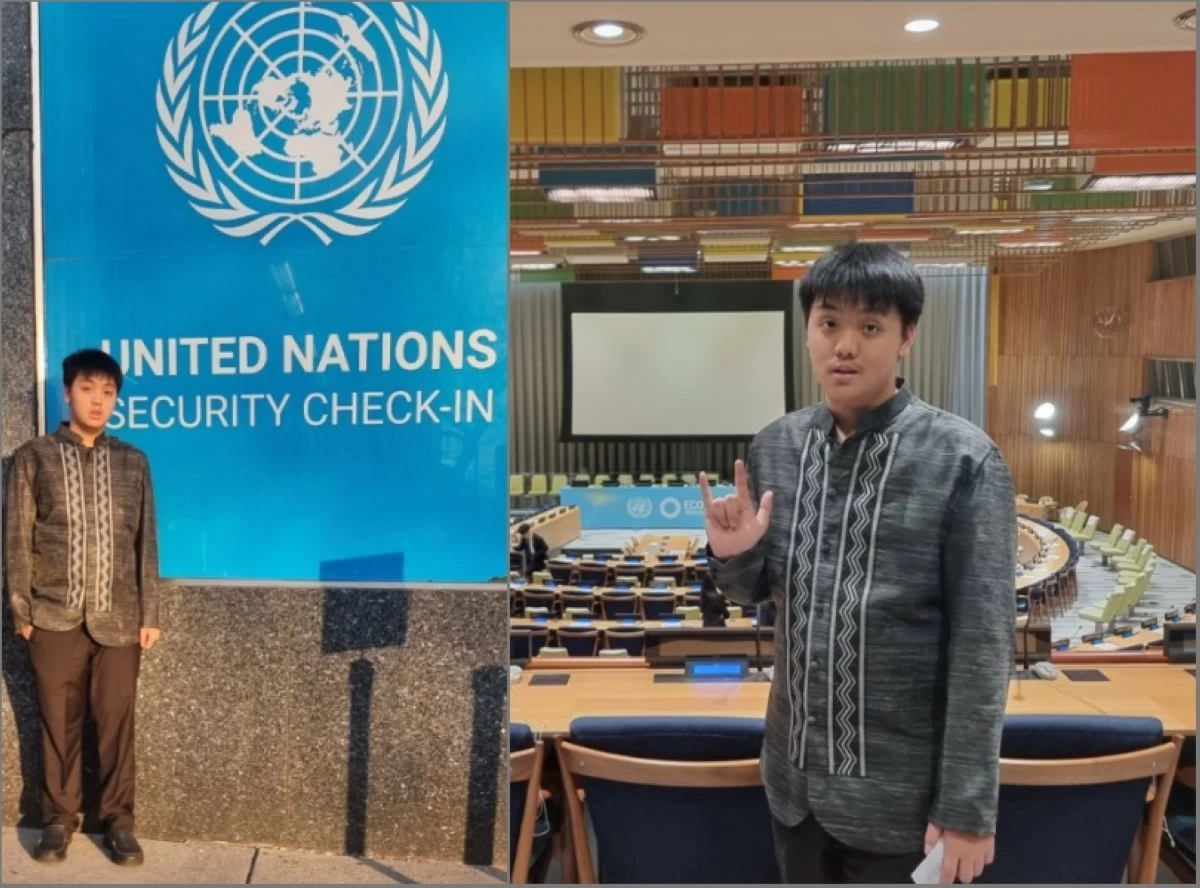
A Filipino youth leader and student at British School Manila (BSM) in Taguig has called for the expanded use of sign language to benefit the Deaf and hard of hearing communities.
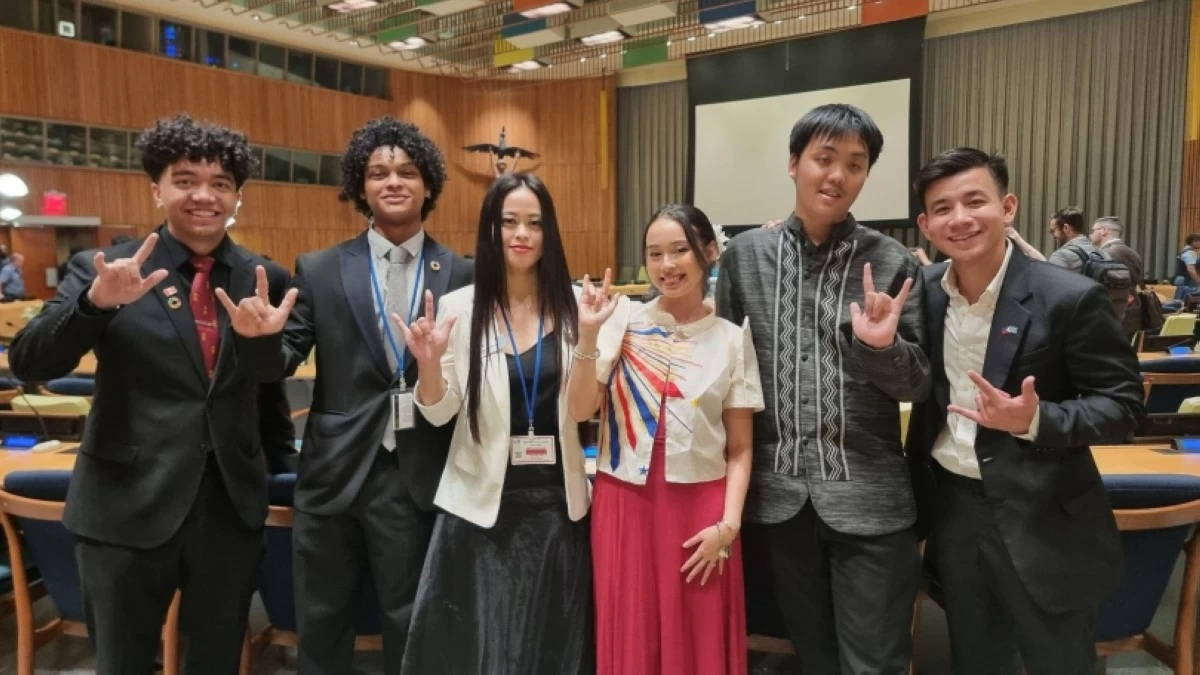
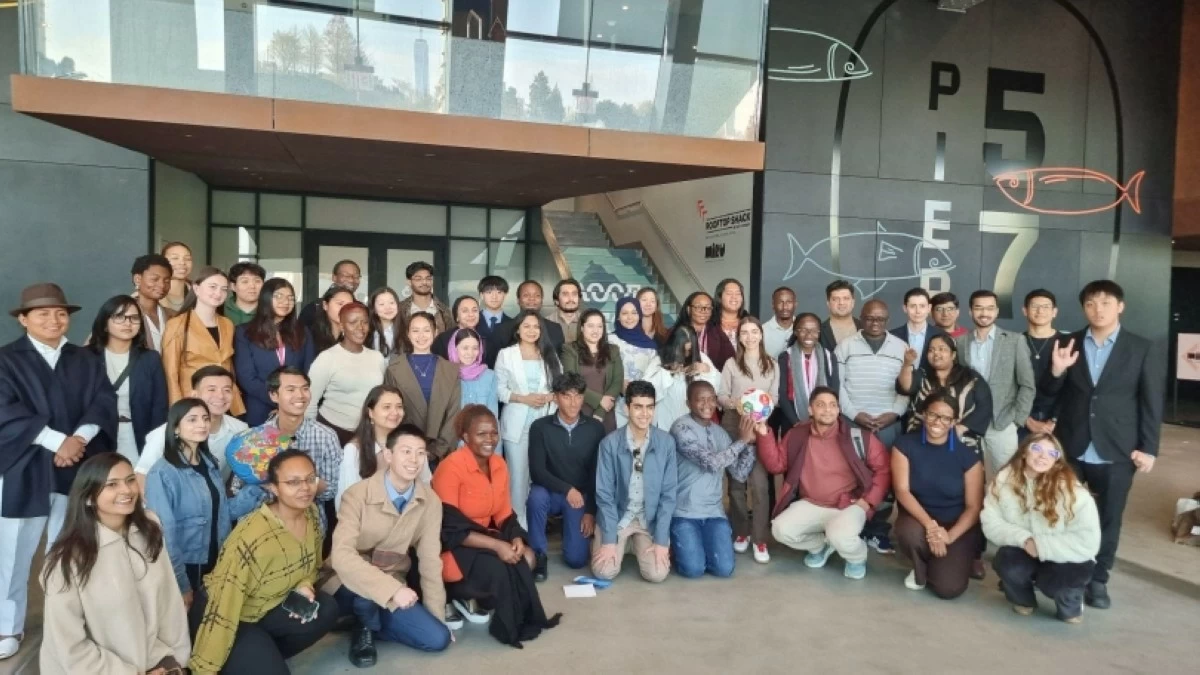
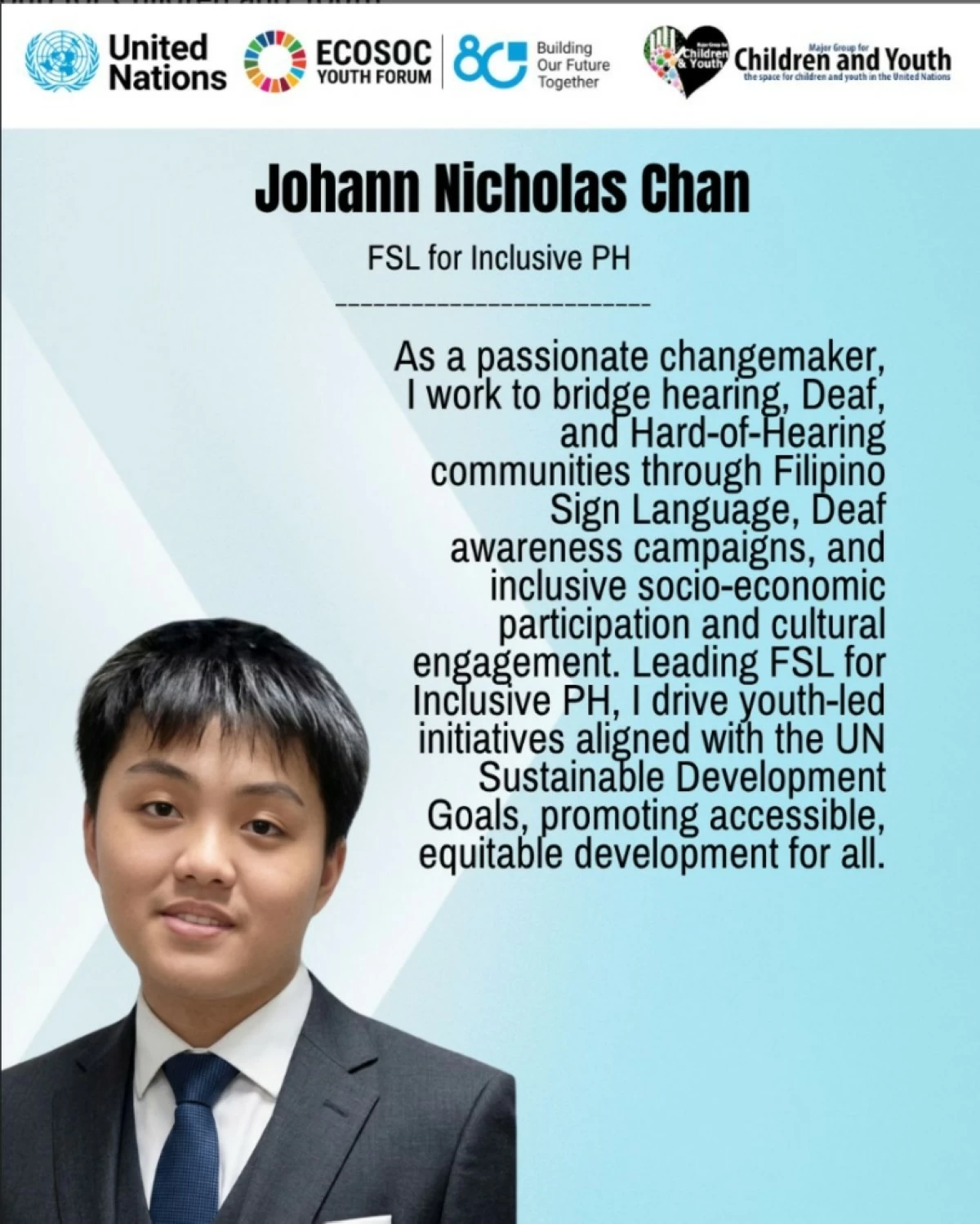
Johann Nicholas Chan, co-founder and president of FSL [Filipino Sign Language] for Inclusive PH, a non-profit founded by students of British School Manila, attended the Economic and Social Council (ECOSOC) Youth Forum held at the United Nations Headquarters in New York.
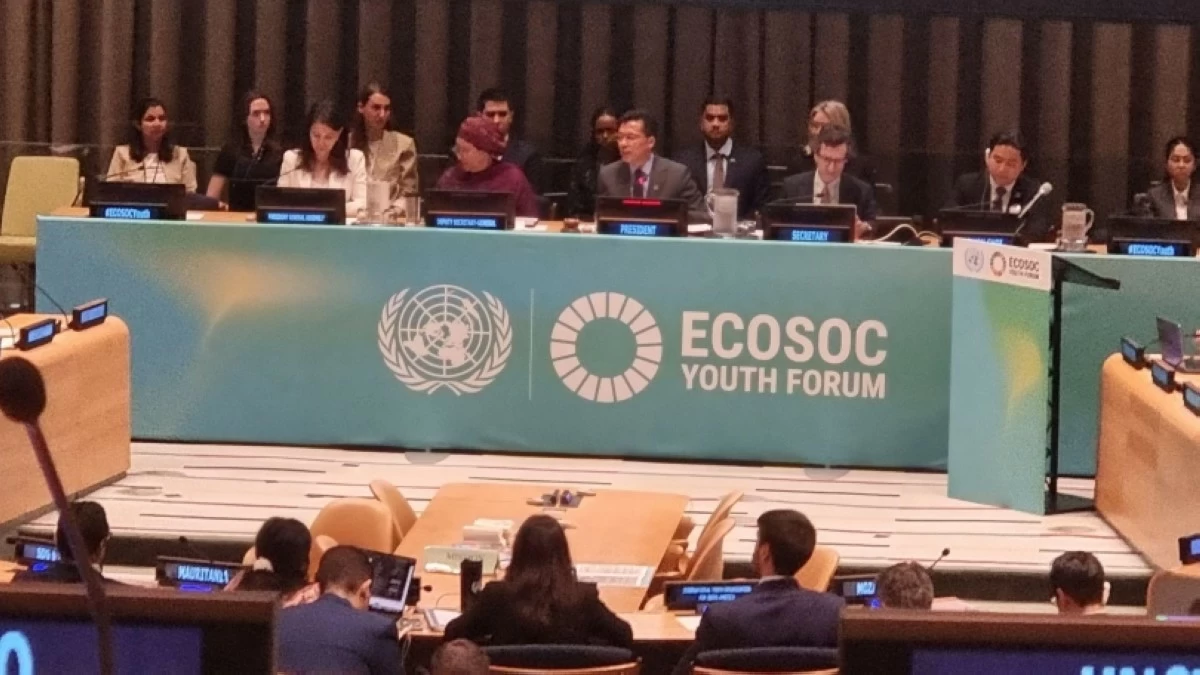
The forum was held under the theme of the 2026 High-level Political Forum on Sustainable Development (HLPF), focusing “on transformative, equitable, innovative, and coordinated actions to advance the 2030 Agenda for Sustainable Development and its Sustainable Development Goals.”
It was convened by Lok Bahadur Thapa, ECOSOC president, and organized by the UN’s Department of Economic and Social Affairs, in collaboration with the UN Youth Office and United Nations Inter Agency Network on Youth Development.
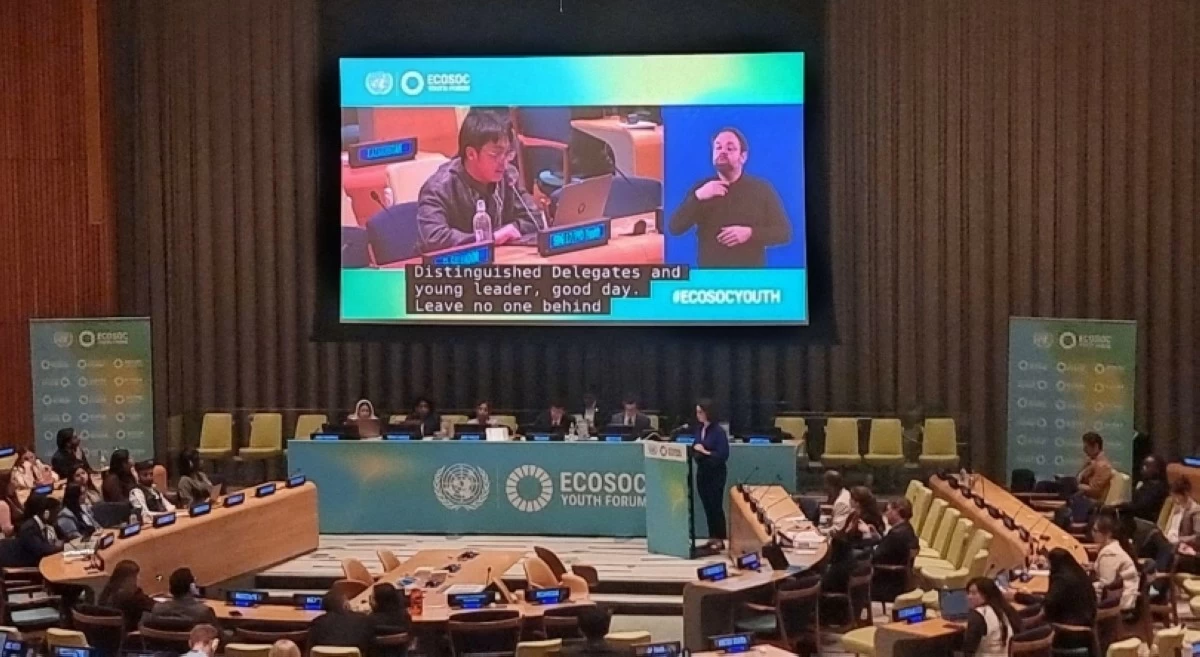
Chan was given the chance to speak and shared two interventions advocating for the Deaf and hard of hearing communities.
He said for the Deaf and hard of hearing communities, the inclusion of “water, sanitation, and hygiene (SDG 6) remains inconsistent and often delayed.”
“Today, over 1.5 billion people globally live with some form of hearing loss, including 430 million with disabling hearing loss. At the same time, many communities, especially in developing regions, still struggle to access safe water and sanitation. During floods and emergencies, risks from waterborne diseases like diarrhea increase, making timely information critical,” he said.
He added, “Now imagine facing these dangers without understanding warnings or advisories. For many Deaf and Hard-of-Hearing individuals, vital information is often shared through inaccessible formats like radio or spoken briefings. As a result, they must rely on others or risk being left behind. We call for three urgent actions: make sign language standard in WASH communication; design visual-first messaging; and include Deaf communities in planning and decision-making.”
In another speech during the forum, Chan emphasized the “leave no one behind” for the Deaf and hard of hearing communities.
“‘Leave no one behind’ is not just a principle for me. It is something I see every day in my community. In our schools and youth spaces, we run Deaf awareness sessions and Filipino Sign Language classes. These are simple and low-cost, but they create something that many formal systems still struggle with, which is real accessibility. To date, these initiatives have reached more than 5,000 beneficiaries, helping build more inclusive and communicative learning environments,” he said.
He said nearly two million Filipinos experience hearing difficulty and “Deaf and Hard-of-Hearing learners are still left behind in many classrooms and public spaces,not because they lack ability, but because communication is not fully accessible.”
“When we say ‘leave no one behind,’ in practice, it means whether a Deaf/HoH student can understand the lesson, join the discussion, and fully participate in the same space as everyone else,” he said.
He advocated three urgent actions, including making “accessibility real in schools and public information systems, especially climate resilience and disaster preparedness by strengthening the use of sign language, not as an add-on, but as a standard."
In addition, he said partnerships with Deaf and hard of hearing communities, and youth organizations must be institutionalized. “ensuring they are directly involved in designing, implementing, and evaluating education and inclusion initiatives.”
Advocacy in the Philippines
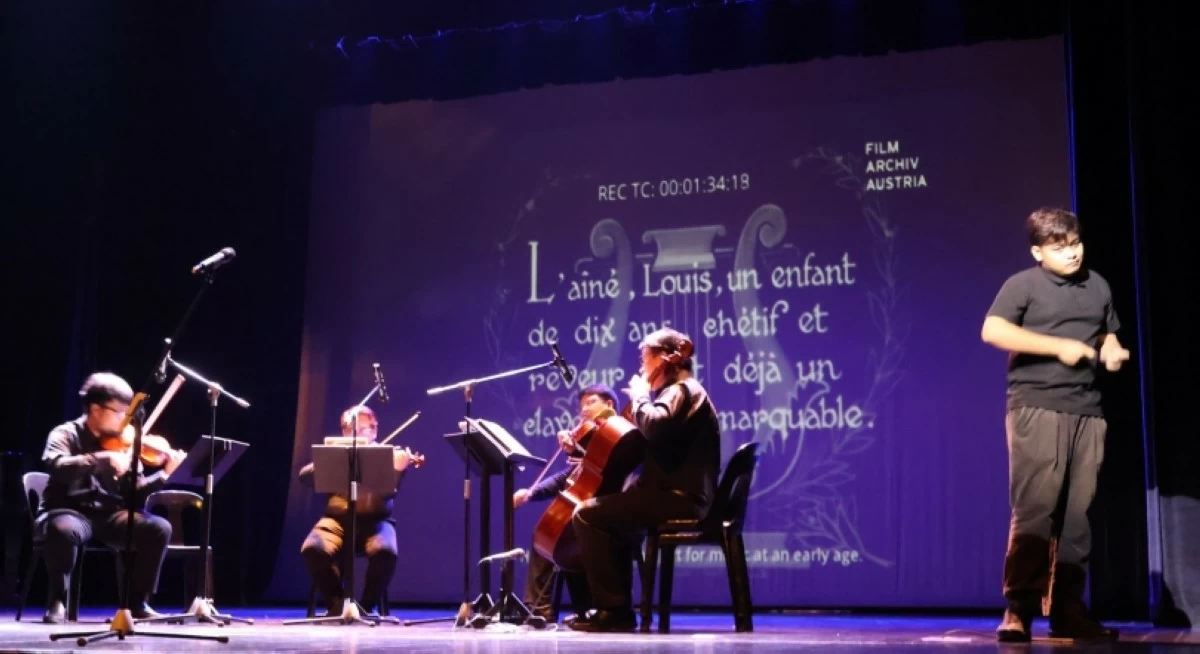
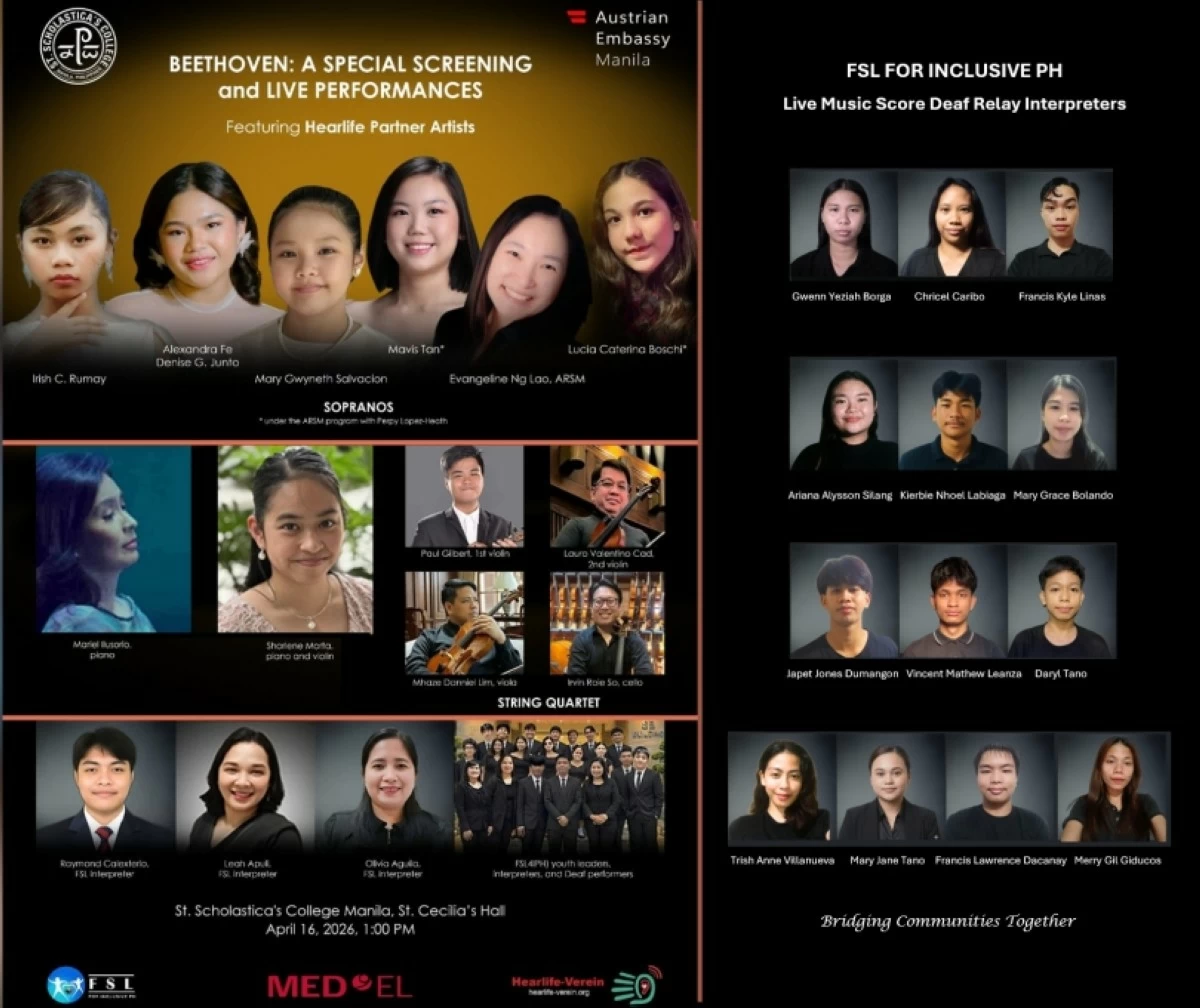
Back in the Philippines, FSL for Inclusive PH continues to translate advocacy into community action. In collaboration with Hearlife-Verein led by Philippine Program Director Nina “Tosh” Jacob-Soliven, FSL4IPH helped create shared cultural space for inclusion through a special screening of the 1927 Austrian silent film “The Life of Beethoven” and live performances at St. Scholastica's College Manila.
Around 750 attendees gathered for the event, which opened with a short and interactive Filipino Sign Language (FSL) learning segment.
Participants were introduced to the FSL alphabet and basic phrases, offering a simple yet meaningful way to experience the language and reflect FSL4IPH’s core advocacy of bridging communication gaps between hearing, Deaf, and hard of hearing communities.
“I experienced a concert that truly inspired me. It connected deeply with Filipino Sign Language, where facial expressions brought the performance to life. This became my personal storytelling moment, giving me new ideas and helping me develop unique skills,” said participant Raymond Calexterio.
FSL for Inclusive PH will host an online chess tournament on April 25, designed specifically for Deaf and hard of hearing participants, and co-organized with Woman International Master Mikee Charlene Suede.