ADVERTISEMENT

Low-key work, strong cases vital in probe of flood control mess

Published Apr 23, 2026 12:02 am  |  Updated Apr 22, 2026 04:35 pm
The possible return of former Ako Bicol party-list congressman Zaldy Co to the country and the decision of former House Speaker Martin Romualdez to finally break his silence are crucial in the unfolding flood control controversy. For months, public discourse has been fueled by speculation, political noise, and selective disclosures. Now, with two central figures within reach, investigative bodies face an acid test: Pursue truth with discipline or squander the moment through spectacle.
High-profile cases in the country often drift toward fanfare: televised hearings, sensational soundbites, and premature conclusions that satisfy public curiosity but often weaken the integrity of legal proceedings. This must not happen here. The presence of Co and Romualdez offers a rare opportunity to build a case grounded in evidence rather than insinuation. Investigators must resist the temptation to prioritize high-profile publicity over veracity.
The first and most urgent step is to secure comprehensive, sworn testimonies from both individuals under conditions that encourage full disclosure. This means structured, methodical questioning away from the glare of cameras, where answers are not shaped by public pressure or political posturing. Investigators must focus on timelines, decision-making processes, financial flows, and institutional roles. These are details that can withstand scrutiny in court, not just in headlines.
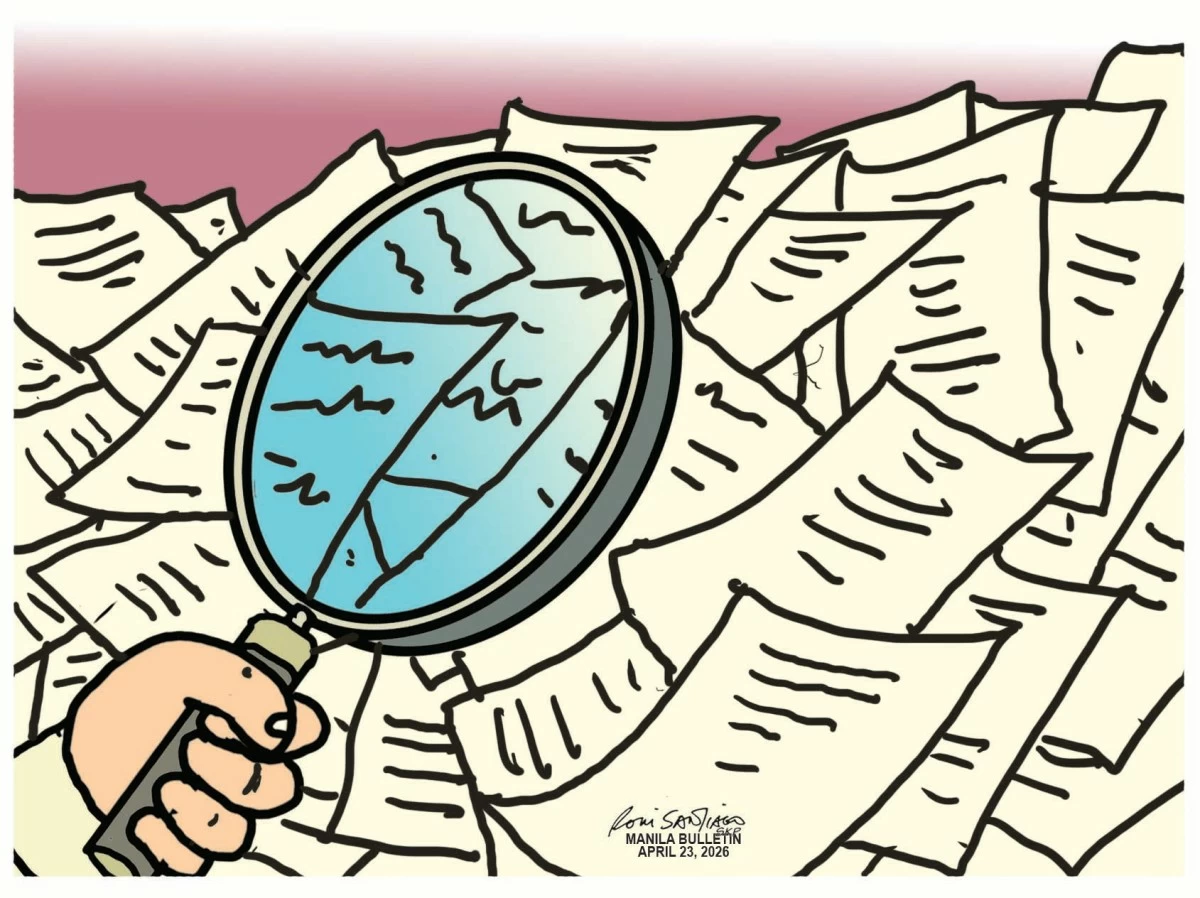
Equally critical is the systematic gathering of documentary evidence. Testimonies alone, no matter how compelling, are insufficient without corroboration. Procurement records, project approvals, internal communications, and financial transactions must be examined with forensic precision. Any inconsistencies between statements and documents should be identified early, allowing investigators to refine their lines of inquiry while the witnesses remain accessible.
Coordination among agencies is another essential component. Fragmented investigations often lead to gaps, duplication, or even contradictions that undermine the overall case. A unified approach, where information is shared responsibly and strategies are aligned, can ensure that no critical lead is overlooked. This is particularly important in complex cases involving infrastructure projects, where technical, financial, and legal dimensions intersect.
Investigative bodies must also be vigilant against external pressures. Cases involving prominent political figures are inevitably surrounded by attempts to influence outcomes, whether through public opinion, partisan interests, or institutional leverage. Maintaining independence is not solely an ethical obligation; it is a necessity for building a credible case. Every action taken must be defensible not only in court but also in the broader framework of the rule of law.
In this regard, the caution raised by Supreme Court Associate Justice Benjamin Caguioa in several opinions is especially relevant. The State must not weaponize the law by turning investigations into tools of humiliation or intimidation. Public shaming may generate momentary satisfaction, but it risks compromising due process and, ultimately, the pursuit of justice itself. The goal is not to win a narrative battle but to establish facts that can lead to lawful accountability.
Maximizing the availability of Co and Romualdez also means acting with urgency but not haste. Time is a critical factor; memories fade, documents can be altered or lost, and opportunities for clarification may narrow. Yet urgency must be balanced with thoroughness. Rushed investigations often produce weak cases that collapse under judicial scrutiny, allowing those responsible to evade accountability altogether.
The public has a right to be informed, but this can be achieved through measured updates that reflect genuine progress rather than speculative developments. By communicating responsibly, investigative bodies can maintain public trust without jeopardizing the integrity of their work.
This opportunity demands restraint, rigor, and resolve. If handled correctly, it can set a standard for how complex, high-stakes investigations should be conducted. It must be handled quietly, carefully, and with unwavering commitment to the truth. For the real measure of success will not be the volume of attention generated, but the strength of the evidence produced and the justice ultimately served.

Related Tags

FLOOD CONTROL SCANDAL FLOOD CONTROL PROBE
ADVERTISEMENT
.most-popular .layout-ratio{ padding-bottom: 79.13%; } @media (min-width: 768px) and (max-width: 1024px) { .widget-title { font-size: 15px !important; } }

{{ articles_filter_1561_widget.title }}

.most-popular .layout-ratio{ padding-bottom: 79.13%; } @media (min-width: 768px) and (max-width: 1024px) { .widget-title { font-size: 15px !important; } }

{{ articles_filter_1562_widget.title }}

.most-popular .layout-ratio{ padding-bottom: 79.13%; } @media (min-width: 768px) and (max-width: 1024px) { .widget-title { font-size: 15px !important; } }

{{ articles_filter_1563_widget.title }}

{{ articles_filter_1564_widget.title }}

.mb-article-details { position: relative; } .mb-article-details .article-body-preview, .mb-article-details .article-body-summary{ font-size: 17px; line-height: 30px; font-family: "Libre Caslon Text", serif; color: #000; } .mb-article-details .article-body-preview iframe , .mb-article-details .article-body-summary iframe{ width: 100%; margin: auto; } .read-more-background { background: linear-gradient(180deg, color(display-p3 1.000 1.000 1.000 / 0) 13.75%, color(display-p3 1.000 1.000 1.000 / 0.8) 30.79%, color(display-p3 1.000 1.000 1.000) 72.5%); position: absolute; height: 200px; width: 100%; bottom: 0; display: flex; justify-content: center; align-items: center; padding: 0; } .read-more-background a{ color: #000; } .read-more-btn { padding: 17px 45px; font-family: Inter; font-weight: 700; font-size: 18px; line-height: 16px; text-align: center; vertical-align: middle; border: 1px solid black; background-color: white; } .hidden { display: none; }
function initializeAllSwipers() { // Get all hidden inputs with cms_article_id document.querySelectorAll('[id^="cms_article_id_"]').forEach(function (input) { const cmsArticleId = input.value; const articleSelector = '#article-' + cmsArticleId + ' .body_images'; const swiperElement = document.querySelector(articleSelector); if (swiperElement && !swiperElement.classList.contains('swiper-initialized')) { new Swiper(articleSelector, { loop: true, pagination: false, navigation: { nextEl: '#article-' + cmsArticleId + ' .swiper-button-next', prevEl: '#article-' + cmsArticleId + ' .swiper-button-prev', }, }); } }); } setTimeout(initializeAllSwipers, 3000); const intersectionObserver = new IntersectionObserver( (entries) => { entries.forEach((entry) => { if (entry.isIntersecting) { const newUrl = entry.target.getAttribute("data-url"); if (newUrl) { history.pushState(null, null, newUrl); let article = entry.target; // Extract metadata const author = article.querySelector('.author-section').textContent.replace('By', '').trim(); const section = article.querySelector('.section-info ').textContent.replace(' ', ' '); const title = article.querySelector('.article-title h1').textContent; // Parse URL for Chartbeat path format const parsedUrl = new URL(newUrl, window.location.origin); const cleanUrl = parsedUrl.host + parsedUrl.pathname; // Update Chartbeat configuration if (typeof window._sf_async_config !== 'undefined') { window._sf_async_config.path = cleanUrl; window._sf_async_config.sections = section; window._sf_async_config.authors = author; } // Track virtual page view with Chartbeat if (typeof pSUPERFLY !== 'undefined' && typeof pSUPERFLY.virtualPage === 'function') { try { pSUPERFLY.virtualPage({ path: cleanUrl, title: title, sections: section, authors: author }); } catch (error) { console.error('ping error', error); } } // Optional: Update document title if (title && title !== document.title) { document.title = title; } } } }); }, { threshold: 0.1 } ); function showArticleBody(button) { const article = button.closest("article"); const summary = article.querySelector(".article-body-summary"); const body = article.querySelector(".article-body-preview"); const readMoreSection = article.querySelector(".read-more-background"); // Hide summary and read-more section summary.style.display = "none"; readMoreSection.style.display = "none"; // Show the full article body body.classList.remove("hidden"); } document.addEventListener("DOMContentLoaded", () => { let loadCount = 0; // Track how many times articles are loaded const offset = [1, 2, 3, 4, 5, 6, 7, 8, 9, 10]; // Offset values const currentUrl = window.location.pathname.substring(1); let isLoading = false; // Prevent multiple calls if (!currentUrl) { console.log("Current URL is invalid."); return; } const sentinel = document.getElementById("load-more-sentinel"); if (!sentinel) { console.log("Sentinel element not found."); return; } function isSentinelVisible() { const rect = sentinel.getBoundingClientRect(); return ( rect.top < window.innerHeight && rect.bottom >= 0 ); } function onScroll() { if (isLoading) return; if (isSentinelVisible()) { if (loadCount >= offset.length) { console.log("Maximum load attempts reached."); window.removeEventListener("scroll", onScroll); return; } isLoading = true; const currentOffset = offset[loadCount]; window.loadMoreItems().then(() => { let article = document.querySelector('#widget_1690 > div:nth-last-of-type(2) article'); intersectionObserver.observe(article) loadCount++; }).catch(error => { console.error("Error loading more items:", error); }).finally(() => { isLoading = false; }); } } window.addEventListener("scroll", onScroll); });

Sign up by email to receive news.