

ADVERTISEMENT

Circular tourism summit charts sustainable future for Baguio

Published Apr 23, 2026 01:40 am
Baguio has long been regarded as a refuge for many Filipinos—a place where cooler weather, culture, and creativity converge. For generations, it has offered a welcome escape from urban heat and congestion.
But as with many popular destinations, its success brings challenges. Increased visitor numbers have led to rising waste, greater demand for water and energy, and mounting pressure on the environment that sustains its appeal. Baguio’s situation reflects a broader question: how can tourism continue to grow without diminishing the very qualities that make a destination attractive?
This issue was at the heart of the Baguio Circular Tourism Summit 2026, themed “Baguio Weave: Weaving a Circular Tourism Ecosystem.” Over two days, government agencies, businesses, micro, small, and medium enterprises (MSMEs), communities, and development partners gathered to rethink tourism—not as a linear system of consumption, but as a regenerative one.
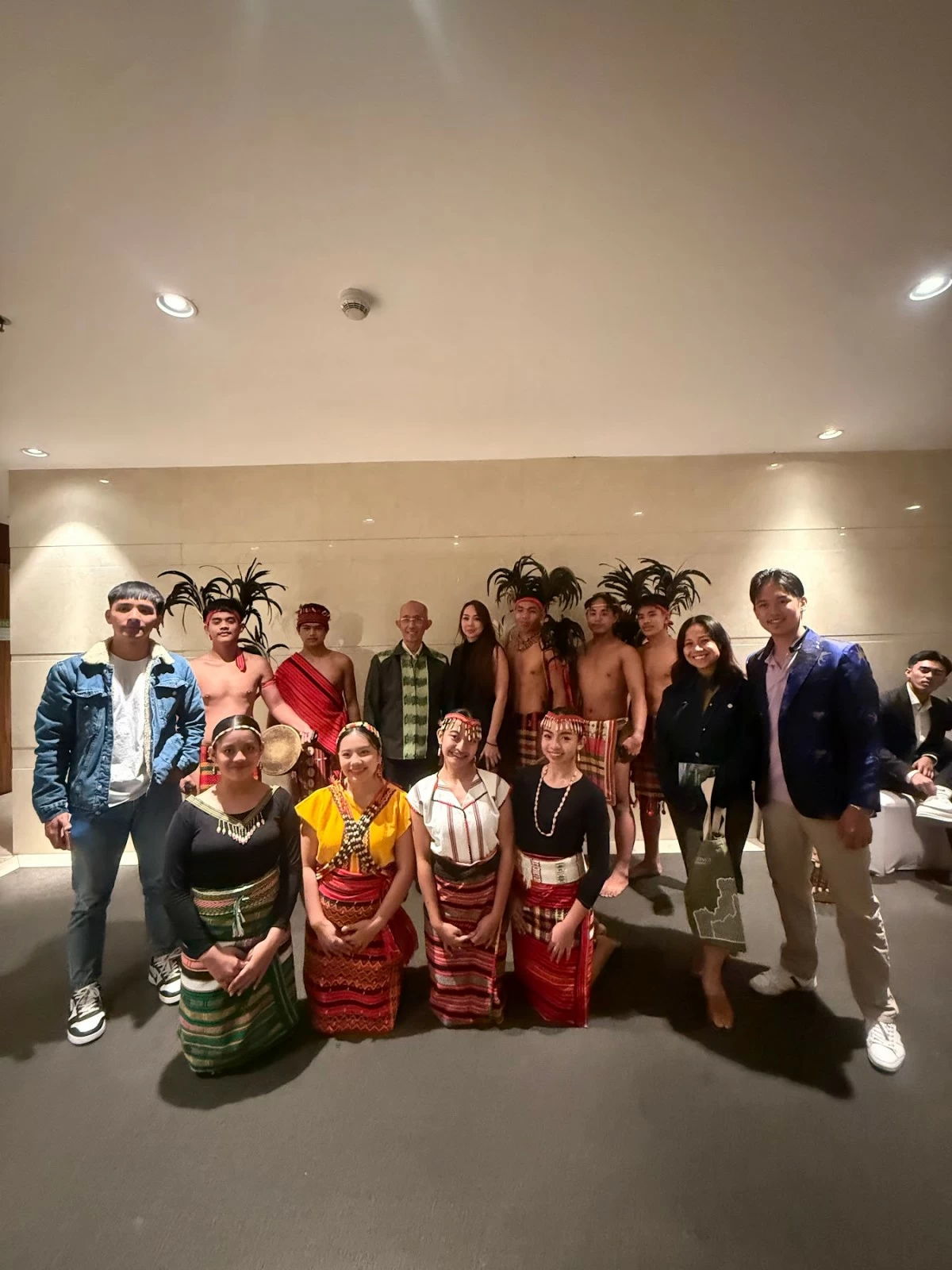
Local leaders, experts, and stakeholders come together for the Baguio Weave Circular Tourism Summit
Led by the Baguio City Government, the summit was supported by the United Nations Development Programme through the Global Plastics Innovation Programme, with partners including the European Union and the Government of Japan. The initiative reflects growing alignment between local and international stakeholders on the need for circular solutions.
The urgency is evident. While tourism remains a key economic driver, it also places a strain on infrastructure and natural resources. Increasing waste volumes, congestion, and resource demands suggest that the traditional “take, make, dispose” model is no longer sustainable. Circular tourism presents an alternative, one that promotes efficiency, reduces waste, supports local livelihoods, and strengthens resilience against external pressures such as rising energy costs and supply disruptions.
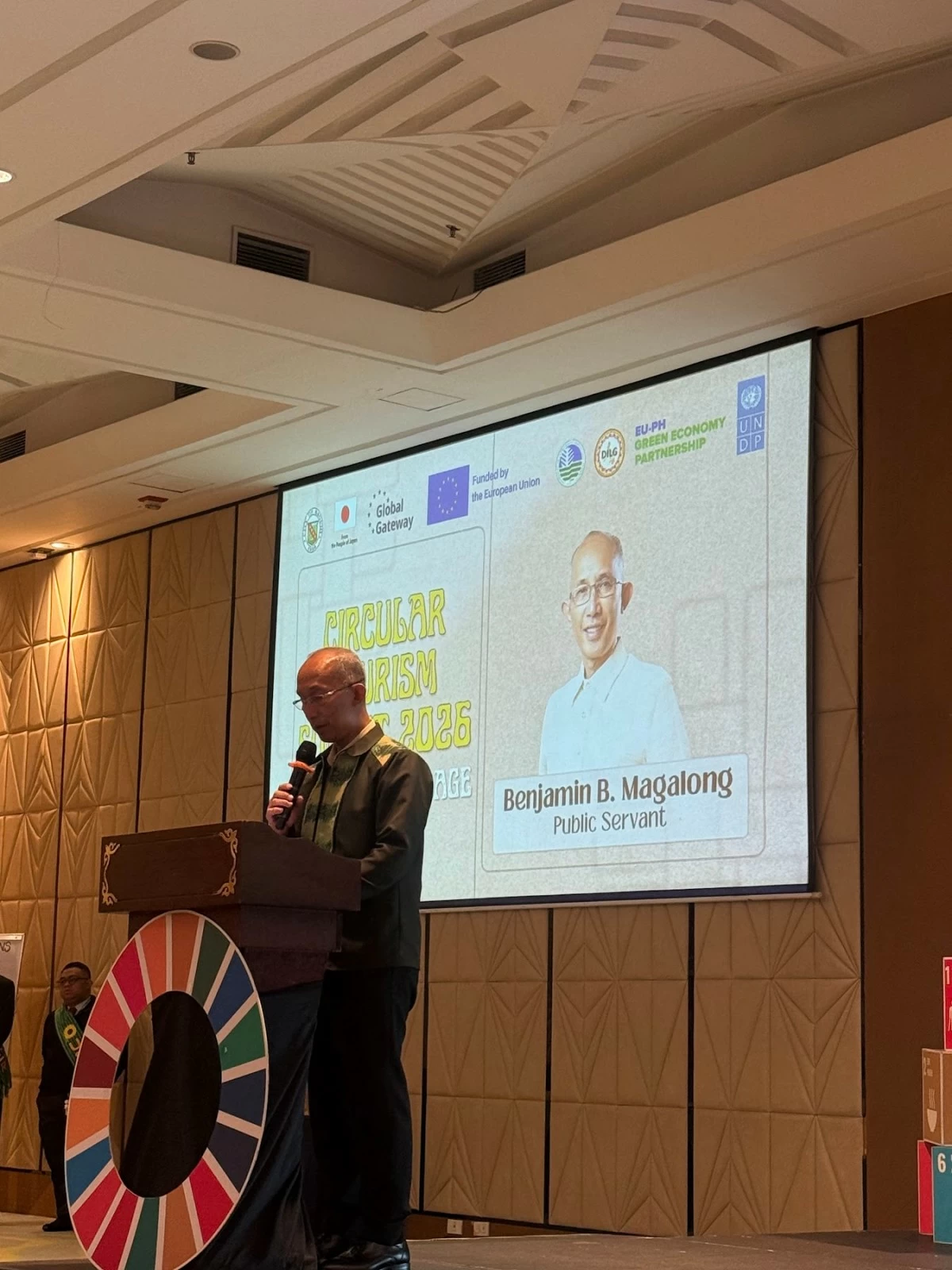
Baguio Mayor Benjie Magalong leads the summit.
Mayor Benjamin Magalong underscored this point, noting that destinations worldwide are being challenged to grow without compromising the ecosystems that support them. He emphasized that circular tourism offers a practical path forward.
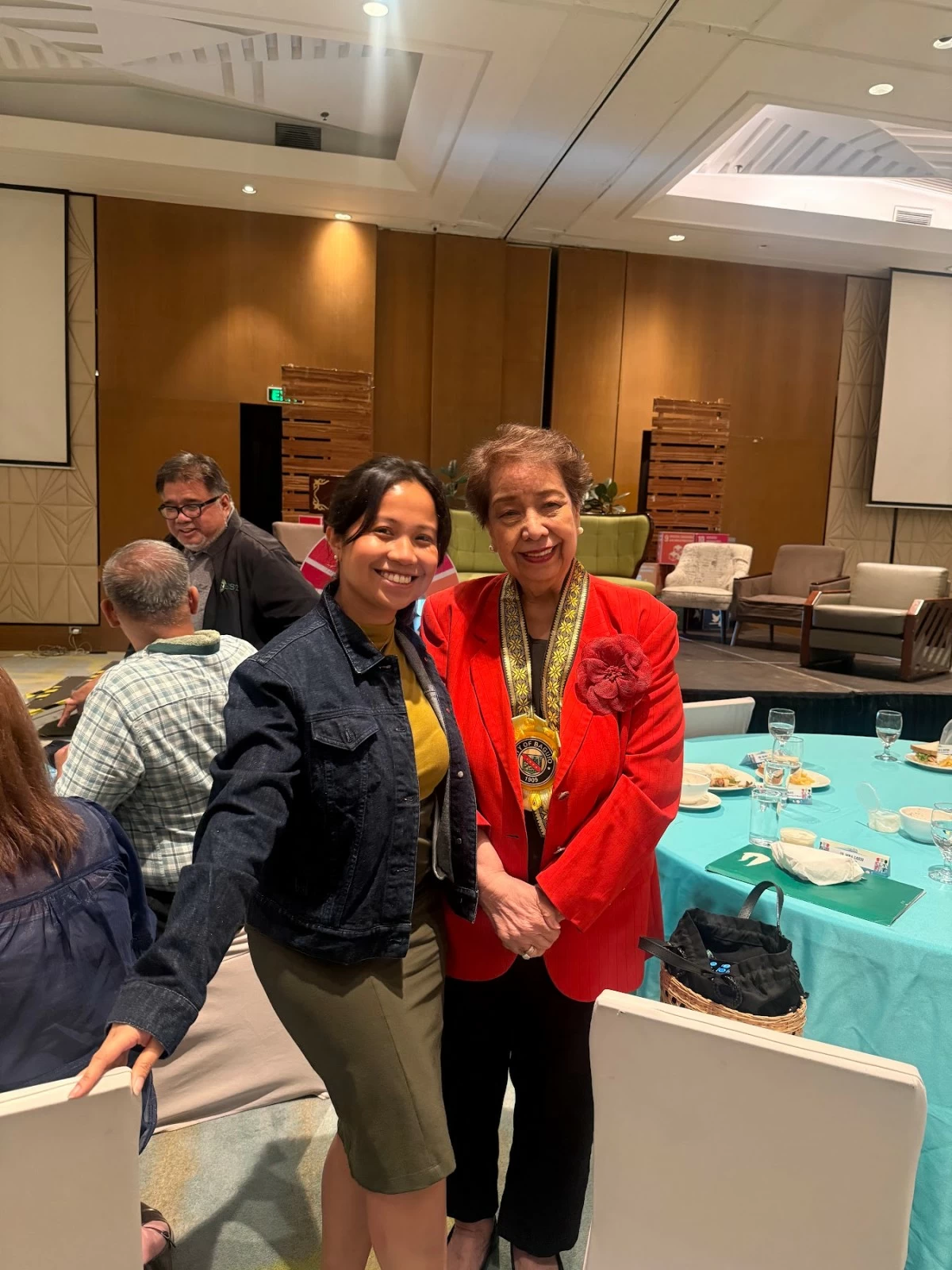
Masungi Project Director Ann Dumaliang with International Sustainable Tourism Expert and former Tourism Secretary Dr. Mina Gabor.
The summit also highlighted stewardship-based approaches to tourism. At the Masungi Georeserve, for example, visits are framed not as transactions but as access to a protected space. Visitors are guided by clear policies that prioritize conservation, reinforced through on-site briefings and minimal waste infrastructure.
In such environments, the most effective strategy is not simply improving waste management, but reducing waste generation altogether. Visitors are encouraged to adopt a “leave no trace" approach, ensuring that what is brought in is also taken out.
An equally important phase is engagement beyond the visit itself. Continued communication—stories, updates, invitations to return—encourage visitors to take on a more active role as stewards. The goal is simple: to extend responsibility beyond the duration of their stay.
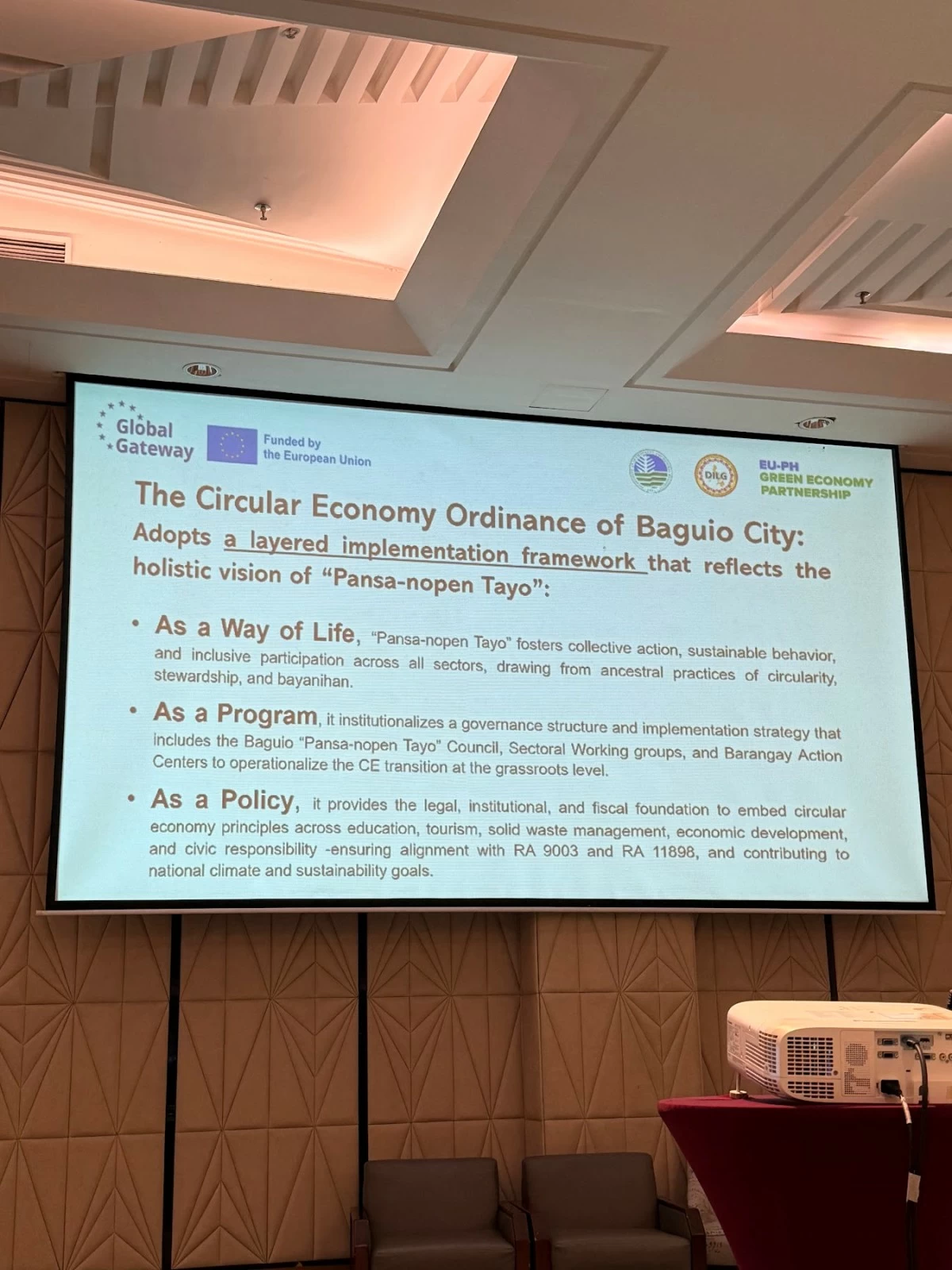
The Baguio City LGU presents its Sustainable Tourism Development Plan
Discussion at the summit emphasized that systems alone are insufficient. While regulations, incentives, and technologies are essential, lasting impact depends on behavioural change.
In Baguio, this shift is being grounded in culture. The city’s framework, “Pansa-nopen Tayo,” emphasizes shared responsibility and collective care, reinforcing the idea that circular tourism is as much a social transition as it is a technical one.
This underscores a broader point: circularity is not only about resource management, but also about reshaping relationships—between communities and their environment, and between visitors and host destinations.
Looking ahead, the role of the creative sector will be crucial. Culture influences behavior in ways that policy cannot. The stories promoted, the norms established, and the experiences designed all shape how people engage with places and contribute to their preservation.
Baguio continues to face challenges, but is taking steps to address them. By positioning itself as a testing ground for circular tourism, the city is exploring a model that prioritizes sustainability over sheer volume.
In the end, the question extends beyond Baguio. It invites reflection on how destinations across the country can balance growth with responsibility—ensuring that tourism not only thrives, but endures.

Related Tags

Baguio Circular Tourism Summit 2026
ADVERTISEMENT
.most-popular .layout-ratio{ padding-bottom: 79.13%; } @media (min-width: 768px) and (max-width: 1024px) { .widget-title { font-size: 15px !important; } }

{{ articles_filter_1561_widget.title }}

.most-popular .layout-ratio{ padding-bottom: 79.13%; } @media (min-width: 768px) and (max-width: 1024px) { .widget-title { font-size: 15px !important; } }

{{ articles_filter_1562_widget.title }}

.most-popular .layout-ratio{ padding-bottom: 79.13%; } @media (min-width: 768px) and (max-width: 1024px) { .widget-title { font-size: 15px !important; } }

{{ articles_filter_1563_widget.title }}

{{ articles_filter_1564_widget.title }}

.mb-article-details { position: relative; } .mb-article-details .article-body-preview, .mb-article-details .article-body-summary{ font-size: 17px; line-height: 30px; font-family: "Libre Caslon Text", serif; color: #000; } .mb-article-details .article-body-preview iframe , .mb-article-details .article-body-summary iframe{ width: 100%; margin: auto; } .read-more-background { background: linear-gradient(180deg, color(display-p3 1.000 1.000 1.000 / 0) 13.75%, color(display-p3 1.000 1.000 1.000 / 0.8) 30.79%, color(display-p3 1.000 1.000 1.000) 72.5%); position: absolute; height: 200px; width: 100%; bottom: 0; display: flex; justify-content: center; align-items: center; padding: 0; } .read-more-background a{ color: #000; } .read-more-btn { padding: 17px 45px; font-family: Inter; font-weight: 700; font-size: 18px; line-height: 16px; text-align: center; vertical-align: middle; border: 1px solid black; background-color: white; } .hidden { display: none; }
function initializeAllSwipers() { // Get all hidden inputs with cms_article_id document.querySelectorAll('[id^="cms_article_id_"]').forEach(function (input) { const cmsArticleId = input.value; const articleSelector = '#article-' + cmsArticleId + ' .body_images'; const swiperElement = document.querySelector(articleSelector); if (swiperElement && !swiperElement.classList.contains('swiper-initialized')) { new Swiper(articleSelector, { loop: true, pagination: false, navigation: { nextEl: '#article-' + cmsArticleId + ' .swiper-button-next', prevEl: '#article-' + cmsArticleId + ' .swiper-button-prev', }, }); } }); } setTimeout(initializeAllSwipers, 3000); const intersectionObserver = new IntersectionObserver( (entries) => { entries.forEach((entry) => { if (entry.isIntersecting) { const newUrl = entry.target.getAttribute("data-url"); if (newUrl) { history.pushState(null, null, newUrl); let article = entry.target; // Extract metadata const author = article.querySelector('.author-section').textContent.replace('By', '').trim(); const section = article.querySelector('.section-info ').textContent.replace(' ', ' '); const title = article.querySelector('.article-title h1').textContent; // Parse URL for Chartbeat path format const parsedUrl = new URL(newUrl, window.location.origin); const cleanUrl = parsedUrl.host + parsedUrl.pathname; // Update Chartbeat configuration if (typeof window._sf_async_config !== 'undefined') { window._sf_async_config.path = cleanUrl; window._sf_async_config.sections = section; window._sf_async_config.authors = author; } // Track virtual page view with Chartbeat if (typeof pSUPERFLY !== 'undefined' && typeof pSUPERFLY.virtualPage === 'function') { try { pSUPERFLY.virtualPage({ path: cleanUrl, title: title, sections: section, authors: author }); } catch (error) { console.error('ping error', error); } } // Optional: Update document title if (title && title !== document.title) { document.title = title; } } } }); }, { threshold: 0.1 } ); function showArticleBody(button) { const article = button.closest("article"); const summary = article.querySelector(".article-body-summary"); const body = article.querySelector(".article-body-preview"); const readMoreSection = article.querySelector(".read-more-background"); // Hide summary and read-more section summary.style.display = "none"; readMoreSection.style.display = "none"; // Show the full article body body.classList.remove("hidden"); } document.addEventListener("DOMContentLoaded", () => { let loadCount = 0; // Track how many times articles are loaded const offset = [1, 2, 3, 4, 5, 6, 7, 8, 9, 10]; // Offset values const currentUrl = window.location.pathname.substring(1); let isLoading = false; // Prevent multiple calls if (!currentUrl) { console.log("Current URL is invalid."); return; } const sentinel = document.getElementById("load-more-sentinel"); if (!sentinel) { console.log("Sentinel element not found."); return; } function isSentinelVisible() { const rect = sentinel.getBoundingClientRect(); return ( rect.top < window.innerHeight && rect.bottom >= 0 ); } function onScroll() { if (isLoading) return; if (isSentinelVisible()) { if (loadCount >= offset.length) { console.log("Maximum load attempts reached."); window.removeEventListener("scroll", onScroll); return; } isLoading = true; const currentOffset = offset[loadCount]; window.loadMoreItems().then(() => { let article = document.querySelector('#widget_1690 > div:nth-last-of-type(2) article'); intersectionObserver.observe(article) loadCount++; }).catch(error => { console.error("Error loading more items:", error); }).finally(() => { isLoading = false; }); } } window.addEventListener("scroll", onScroll); });

Sign up by email to receive news.