







Cecil Ravelas: Envisioning living ecosystems
Published Apr 23, 2026 12:14 pm


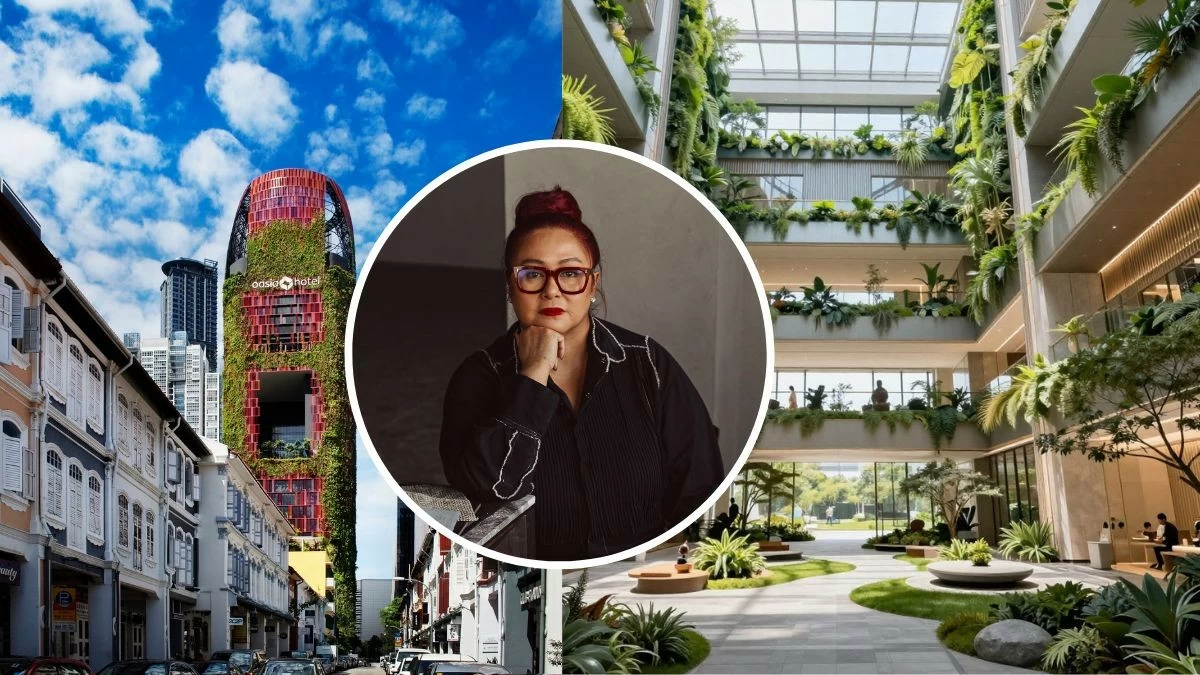
Today’s visionaries in the real estate industry are exploring concepts such as wellness, tropical context, regenerative design, and climate resilience in the creation of the next generation of developments.
Following the shift from “building for people” to “building as nature,” interior designer Cecil Ravelas, president of the Philippine Institute of Interior Designers (PIID), foresees developments prioritizing human wellbeing, cultural identity, and ecological restoration over sheer height or extravagance. In the years ahead, she believes that the most influential design approaches will go beyond aesthetics and center on how people feel, heal, and live, grounded in both global innovation and local wisdom.
The future model
“As designers, we have an opportunity to shape developments that are not only more beautiful but also more humane, more rooted, and more future-ready,” said Ravelas. “In the local context, human-centered and wellness-driven design will continue to define how we inhabit spaces.”A departure from a collection of buildings, she anticipates the rise of living ecosystems, where the design supports not only economic activity but also emotional wellbeing, social interaction, ecological balance, and long-term resilience.

(Photo: Bliss Mabini)
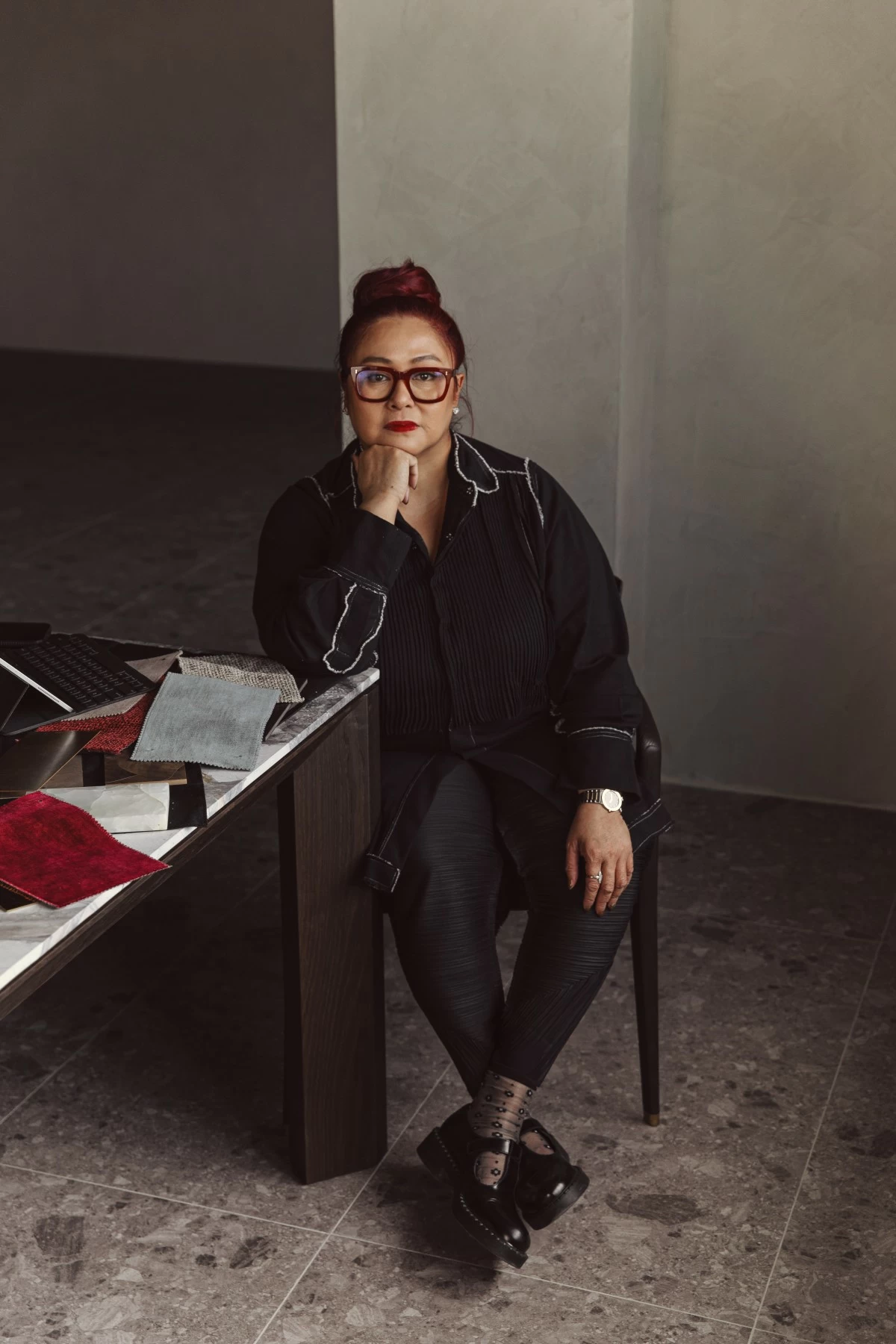
(Photo: Joseph Pascual)
In this type of built environment, layered green systems (pocket parks, sky gardens, edible landscapes, rain gardens, and urban biodiversity corridors), natural ventilation and daylight, water, waste, and energy-efficient facilities are integrated throughout the development. The priority is given to flexible community spaces designed for living, working, wellness, recreation, and human-scaled environments.
“The most successful developments of the future will not be those with the tallest towers or the most extravagant amenities, but those that create a sense of belonging, connection, and harmony between people and place,” she added.
In vertical cities such as Makati and Bonifacio Global City, she emphasized the importance of human-centered and wellness designed not only as amenities but fully integrated throughout the building experience.
“The future skyscrapers should not be like machines for living. It should feel like a vertical neighborhood. A 50-story residential tower could include community lounges every 10th floor, pocket gardens at transition points, rooftop urban farms, and wellness-focused shared spaces such as yoga decks or reflection rooms,” she explained.
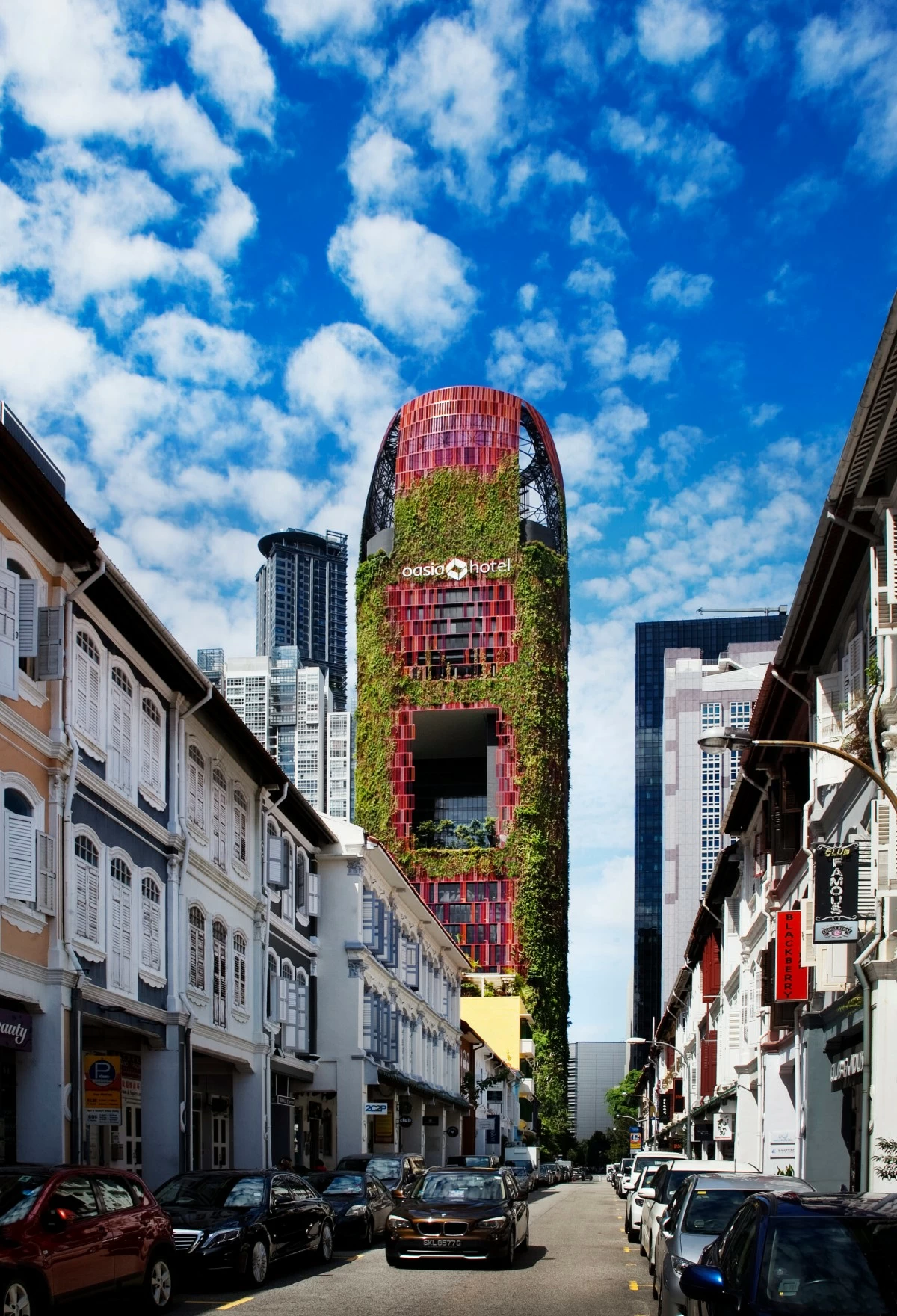
Oasia Hotel Downtown by WOHA (Photo: Patrick Bingham-Hall)
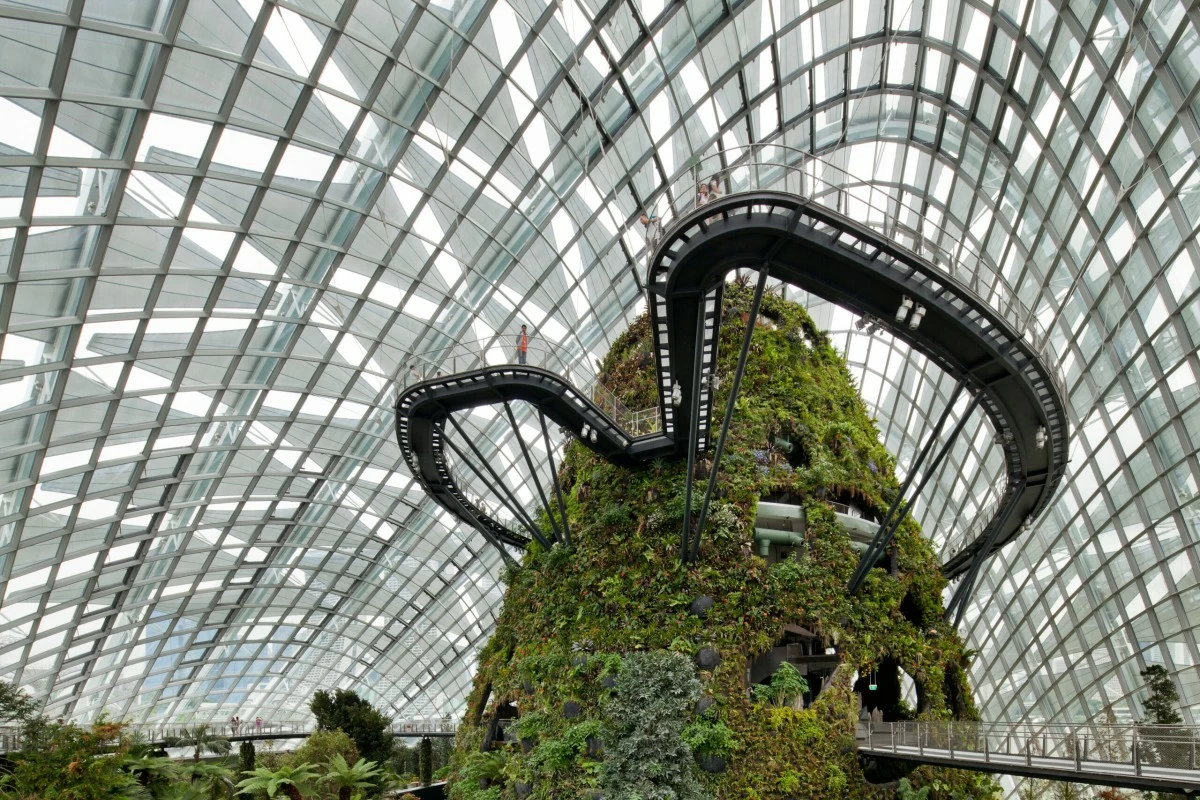
Gardens by the Bay by Wilkinson Eyre (Photo: Craig Sheppard)
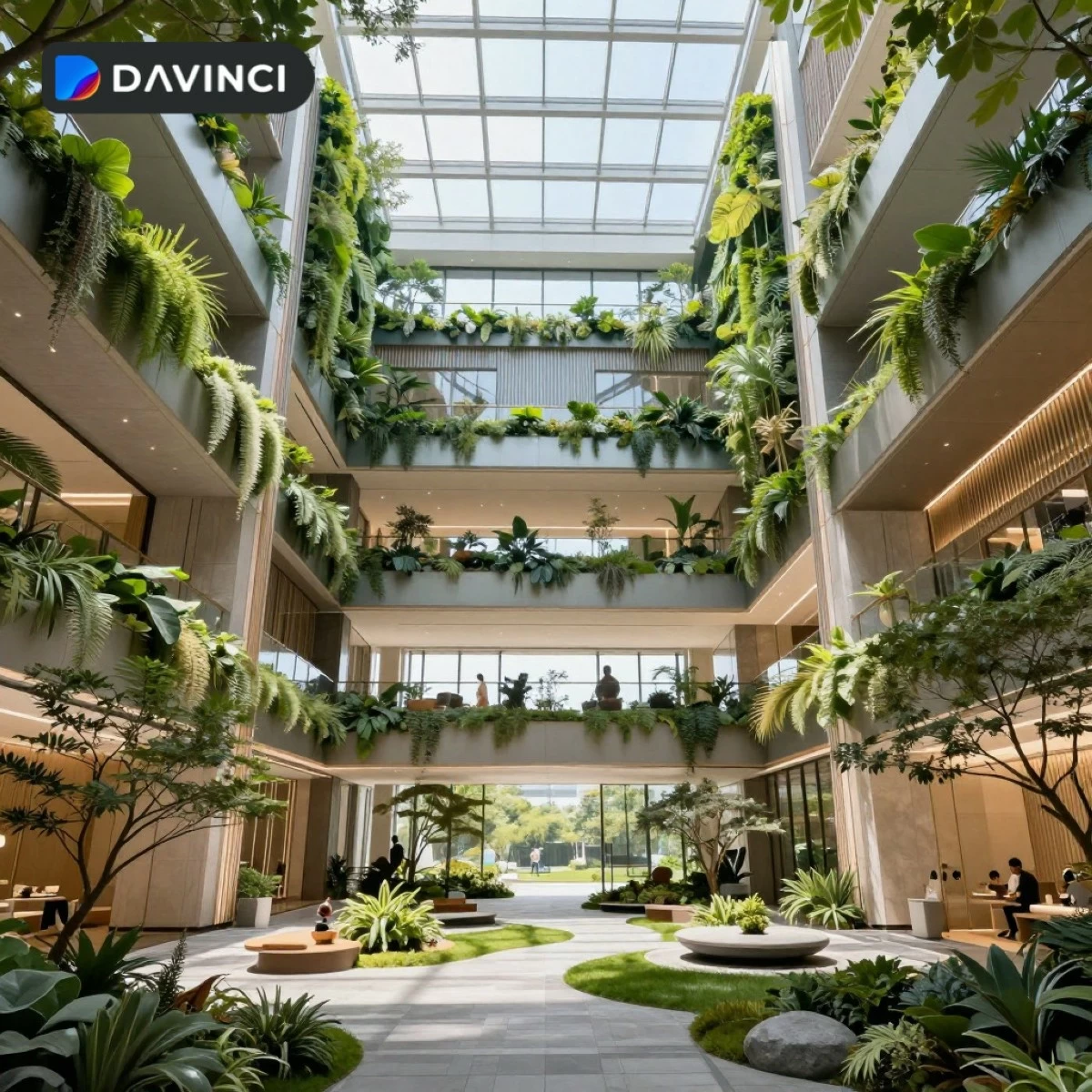
Gardens by the bay, Oasis Hotel
Toward regenerative design
Beyond sustainability, Ravelas sees future developments to be regenerative with spaces, structures, and communities that actively heal their surroundings.“Sustainability is no longer enough if it only means ‘doing less harm.’ Developers need to move beyond placing solar panels and LED lighting or achieving green certifications. As an example, a development could include urban farming, rainwater harvesting, native tree planting, and community markets for local producers. These innovations not only reduce environmental impact, but also create a stronger relationship between development and community. Ultimately, a good development should not feel imposed on a place. It should feel rooted in it,” she emphasized.
She also proposes restoring native landscapes and reintroducing local biodiversity. Property developments can be designed around natural water flow for flood mitigation and soil health, and reducing heat islands through planting, permeable surfaces, and shaded public spaces. In the communities where they build and develop properties, developers are urged to prioritize local labor, artisans, and supply chains, support nearby communities through livelihood, education, and cultural preservation, and create developments that encourage healthier lifestyles and social interaction.
The neo-vernacular shift
For Ravelas, Filipino design is rooted in ideas such as hospitality and generosity, adaptability and resilience, and building strong family and community connections. These can be applied in indoor-outdoor living, in the layering of public and private spaces, and in the application of craftsmanship, texture, and material honesty.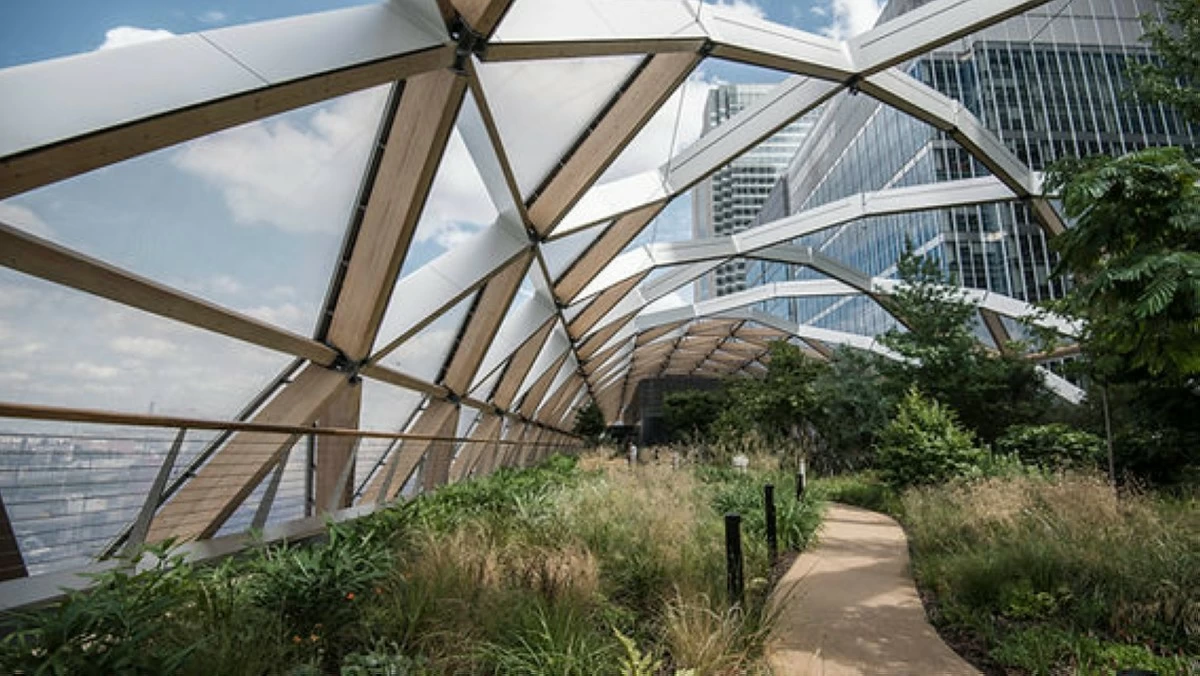
Crossrail Place Roof Garden in the Canary Wharf district of London, England (Howard Kingsnorth/Getty Images)
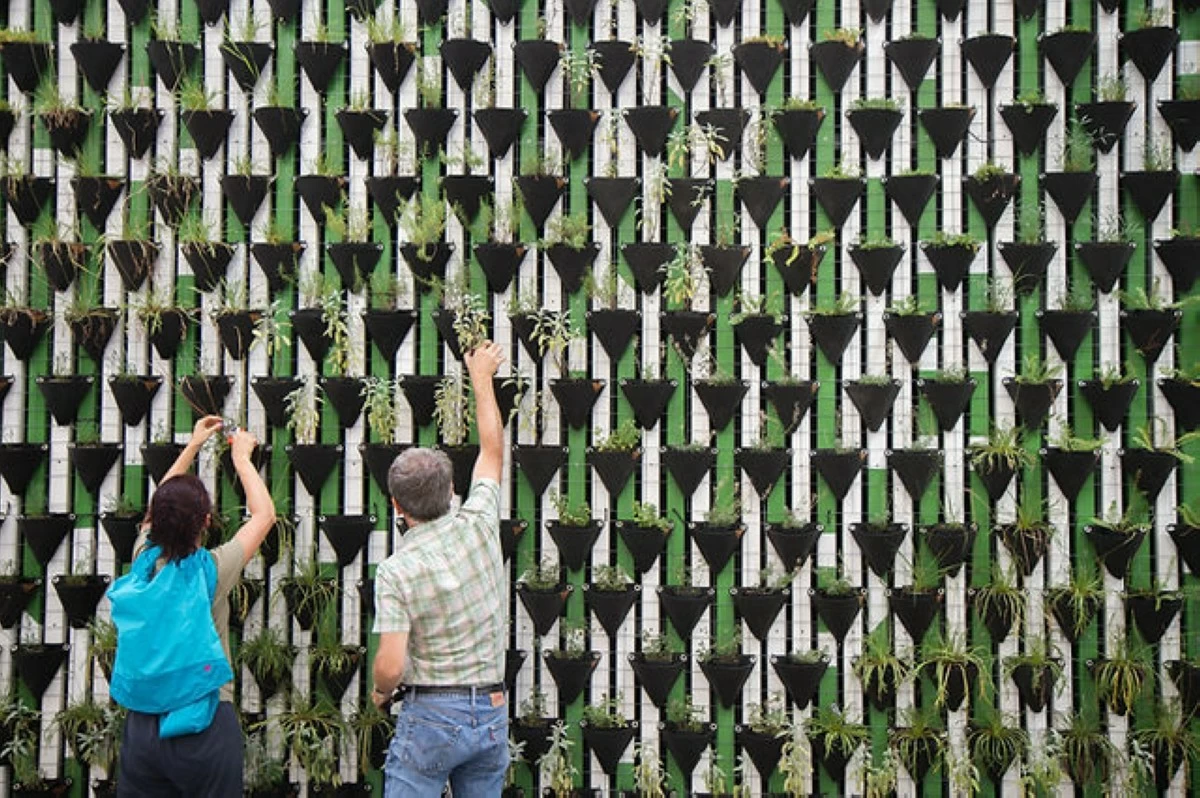
(Photo: Daniel Funes Fuentes/Unsplash)
As new developments embrace the neo-vernacular architecture and design, Ravelas admonishes that Filipino aesthetics should not be reduced to obvious motifs or nostalgic replicas of bahay kubo, capiz windows, or woven textures. To create something new yet still deeply local, she encourages a deeper understanding of the values behind Filipino architecture and culture.
“The goal is not to directly copy traditional forms but to evolve them. A good Filipino design should feel familiar without becoming predictable. When we deconstruct the Filipino aesthetic, we can reinterpret these values in more contemporary ways,” Ravelas further explained.
As examples, the idea of the silong can be reinterpreted through shaded transition spaces or the use of modular screens can inspire by weaving patterns for privacy and ventilation. Toward this end, she endorses the use of local materials in more refined and minimal ways. “We need to stop treating local materials as secondary or merely decorative. Materials such as bamboo, volcanic ash, rattan, adobe, coconut lumber, and local stone have tremendous potential when paired with innovation, research, and technology.”
In large developments, she cited volcanic ash that can be integrated into concrete mixes, local stone and earth-based materials for prefabrication, and indigenous weaving techniques as inspiration in producing modular facade systems or acoustic panels.
“When local materials become part of the architecture itself—rather than something simply applied at the end—they create buildings that are more sustainable, more contextual, and more reflective of who we are,” she concluded.