ADVERTISEMENT

Stop social media fraud

Published Apr 22, 2026 12:05 am  |  Updated Apr 21, 2026 06:05 pm
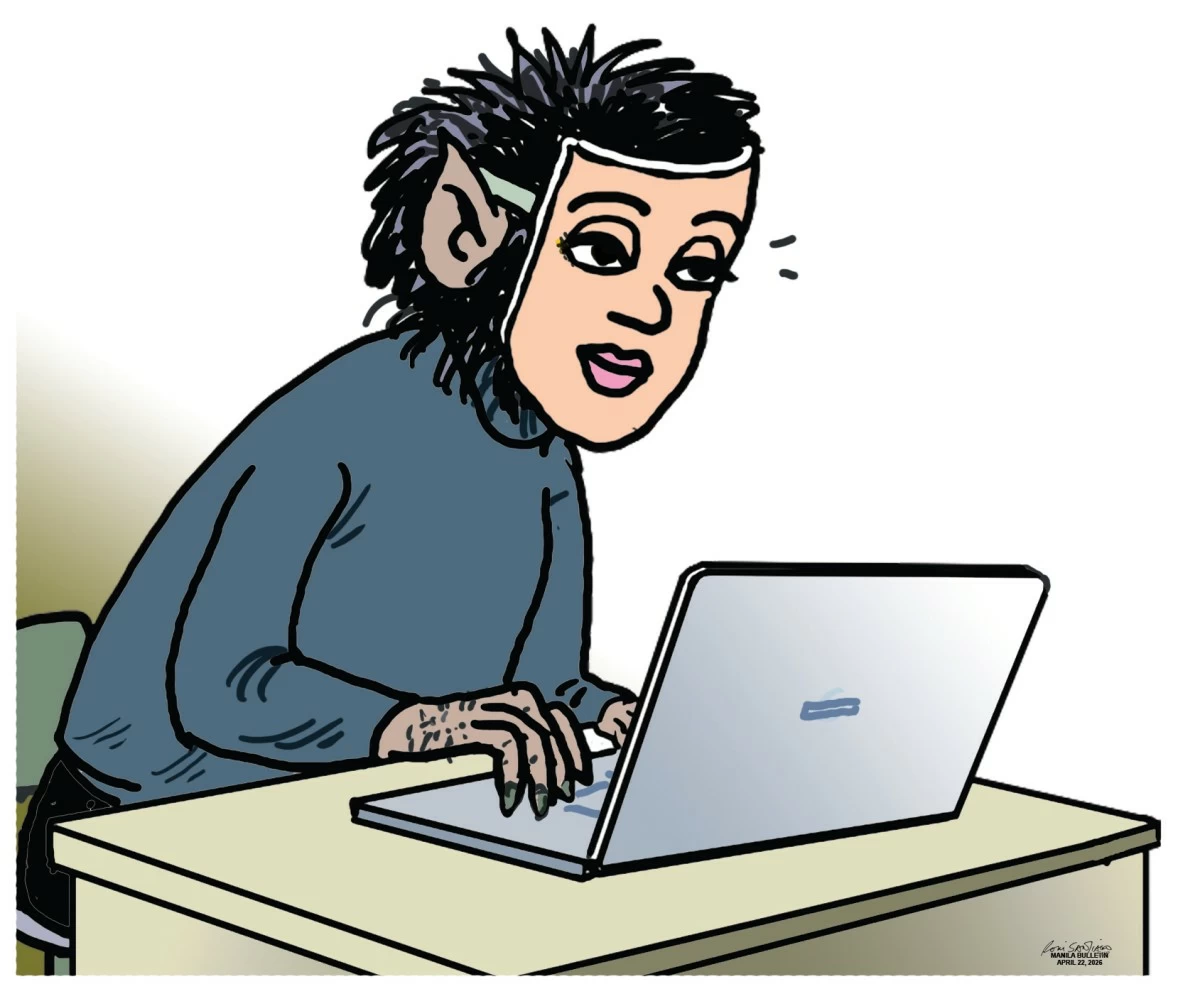
The digital age has made connection effortless, no doubt about it. But the ease by which connectivity has turned out has also made deception dangerously easy. The recent warnings from high-profile figures about impersonation scams are symptoms of a much larger and more troubling development. Fraudsters are exploiting the very platforms designed to bring people closer, weaponizing trust to manipulate, deceive, and steal. When even the identities of the nation’s top officials can be mimicked with alarming ease, it becomes clear that no one is immune.
Social media platforms have long positioned themselves as neutral conduits of information. They take pride in their role of enabling communication, supporting businesses, and strengthening communities across distances. All of that is true. But neutrality cannot be an excuse for inaction, especially when harm is immediate and impacts a cross section of the society. When impersonation accounts solicit money, extract personal information, or spread falsehoods, the consequences ripple far beyond the targeted individual victims. They actually erode public trust, distort reality, and weaken the integrity of digital spaces.
What is most concerning is not just the existence of these fraudulent activities, but the speed at which they proliferate and the relative slowness of platform responses. By the time an account is reported, reviewed, and removed, the damage and harm are often already done. The burden of vigilance is unfairly placed on users, many of whom lack the tools or awareness to distinguish between legitimate and malicious communications. This reactive model is no longer sufficient.
Social media companies must act on their own initiative and with urgency. They have the means to monitor activities on their platform. They need not wait for complaints to pour in. Advanced detection systems powered by artificial intelligence already exist and are capable of identifying suspicious patterns, such as impersonation attempts, unusual messaging behavior, or coordinated scams. These tools must be more aggressively deployed and continuously refined. Verification systems should be strengthened, not just for public figures, but also for institutions and businesses whose identities are frequently exploited. Clearer reporting mechanisms, faster response times, and transparent enforcement policies are no longer optional, they are essential.
However, responsibility does not rest solely on the platforms. Government agencies, like the Department of Information and Communications Technology, the National Bureau of Investigation and the Philippine National Police, must reinforce legal frameworks to ensure that digital fraud is met with swift investigation and meaningful consequences. These agencies must work as a cohesive team. Law enforcement must be equipped with the technical expertise to track and prosecute offenders, even when they operate across borders. The private sector, particularly telecommunications companies and financial institutions, must also collaborate in identifying suspicious transactions and blocking fraudulent activities before they escalate.
Equally important is the role of every individual. Once a luxury, digital literacy is already a necessity. Every user must develop a healthy skepticism, verifying sources, questioning unsolicited messages, and refusing to engage with requests that seem urgent yet unsubstantiated. The simple act of pausing before clicking, sharing, or responding can disrupt the chain of deception.
Ultimately, the fight against online fraud is a shared responsibility. It demands coordination, commitment, and a recognition that the stakes are higher than ever. These scams do not only aim for financial considerations; they exploit trust, damage reputations, and undermine confidence in the very systems that connect us.
Fraudulent activities must stop. And stopping them requires more than warnings after the fact. It requires decisive, proactive action from platforms, stronger safeguards from institutions, and vigilance from every user. In the end, the integrity of our digital spaces and the safety of those within this ecosystem depends on our collective effort to stop fraudulent use of these platforms.

Related Tags

Manila Bulletin Editorial social media
ADVERTISEMENT
.most-popular .layout-ratio{ padding-bottom: 79.13%; } @media (min-width: 768px) and (max-width: 1024px) { .widget-title { font-size: 15px !important; } }

{{ articles_filter_1561_widget.title }}

.most-popular .layout-ratio{ padding-bottom: 79.13%; } @media (min-width: 768px) and (max-width: 1024px) { .widget-title { font-size: 15px !important; } }

{{ articles_filter_1562_widget.title }}

.most-popular .layout-ratio{ padding-bottom: 79.13%; } @media (min-width: 768px) and (max-width: 1024px) { .widget-title { font-size: 15px !important; } }

{{ articles_filter_1563_widget.title }}

{{ articles_filter_1564_widget.title }}

.mb-article-details { position: relative; } .mb-article-details .article-body-preview, .mb-article-details .article-body-summary{ font-size: 17px; line-height: 30px; font-family: "Libre Caslon Text", serif; color: #000; } .mb-article-details .article-body-preview iframe , .mb-article-details .article-body-summary iframe{ width: 100%; margin: auto; } .read-more-background { background: linear-gradient(180deg, color(display-p3 1.000 1.000 1.000 / 0) 13.75%, color(display-p3 1.000 1.000 1.000 / 0.8) 30.79%, color(display-p3 1.000 1.000 1.000) 72.5%); position: absolute; height: 200px; width: 100%; bottom: 0; display: flex; justify-content: center; align-items: center; padding: 0; } .read-more-background a{ color: #000; } .read-more-btn { padding: 17px 45px; font-family: Inter; font-weight: 700; font-size: 18px; line-height: 16px; text-align: center; vertical-align: middle; border: 1px solid black; background-color: white; } .hidden { display: none; }
function initializeAllSwipers() { // Get all hidden inputs with cms_article_id document.querySelectorAll('[id^="cms_article_id_"]').forEach(function (input) { const cmsArticleId = input.value; const articleSelector = '#article-' + cmsArticleId + ' .body_images'; const swiperElement = document.querySelector(articleSelector); if (swiperElement && !swiperElement.classList.contains('swiper-initialized')) { new Swiper(articleSelector, { loop: true, pagination: false, navigation: { nextEl: '#article-' + cmsArticleId + ' .swiper-button-next', prevEl: '#article-' + cmsArticleId + ' .swiper-button-prev', }, }); } }); } setTimeout(initializeAllSwipers, 3000); const intersectionObserver = new IntersectionObserver( (entries) => { entries.forEach((entry) => { if (entry.isIntersecting) { const newUrl = entry.target.getAttribute("data-url"); if (newUrl) { history.pushState(null, null, newUrl); let article = entry.target; // Extract metadata const author = article.querySelector('.author-section').textContent.replace('By', '').trim(); const section = article.querySelector('.section-info ').textContent.replace(' ', ' '); const title = article.querySelector('.article-title h1').textContent; // Parse URL for Chartbeat path format const parsedUrl = new URL(newUrl, window.location.origin); const cleanUrl = parsedUrl.host + parsedUrl.pathname; // Update Chartbeat configuration if (typeof window._sf_async_config !== 'undefined') { window._sf_async_config.path = cleanUrl; window._sf_async_config.sections = section; window._sf_async_config.authors = author; } // Track virtual page view with Chartbeat if (typeof pSUPERFLY !== 'undefined' && typeof pSUPERFLY.virtualPage === 'function') { try { pSUPERFLY.virtualPage({ path: cleanUrl, title: title, sections: section, authors: author }); } catch (error) { console.error('ping error', error); } } // Optional: Update document title if (title && title !== document.title) { document.title = title; } } } }); }, { threshold: 0.1 } ); function showArticleBody(button) { const article = button.closest("article"); const summary = article.querySelector(".article-body-summary"); const body = article.querySelector(".article-body-preview"); const readMoreSection = article.querySelector(".read-more-background"); // Hide summary and read-more section summary.style.display = "none"; readMoreSection.style.display = "none"; // Show the full article body body.classList.remove("hidden"); } document.addEventListener("DOMContentLoaded", () => { let loadCount = 0; // Track how many times articles are loaded const offset = [1, 2, 3, 4, 5, 6, 7, 8, 9, 10]; // Offset values const currentUrl = window.location.pathname.substring(1); let isLoading = false; // Prevent multiple calls if (!currentUrl) { console.log("Current URL is invalid."); return; } const sentinel = document.getElementById("load-more-sentinel"); if (!sentinel) { console.log("Sentinel element not found."); return; } function isSentinelVisible() { const rect = sentinel.getBoundingClientRect(); return ( rect.top < window.innerHeight && rect.bottom >= 0 ); } function onScroll() { if (isLoading) return; if (isSentinelVisible()) { if (loadCount >= offset.length) { console.log("Maximum load attempts reached."); window.removeEventListener("scroll", onScroll); return; } isLoading = true; const currentOffset = offset[loadCount]; window.loadMoreItems().then(() => { let article = document.querySelector('#widget_1690 > div:nth-last-of-type(2) article'); intersectionObserver.observe(article) loadCount++; }).catch(error => { console.error("Error loading more items:", error); }).finally(() => { isLoading = false; }); } } window.addEventListener("scroll", onScroll); });

Sign up by email to receive news.