






Manila Bulletin
 Business
Trade & Industry
Philippines to keep buying UK poultry despite bird flu outbreaks
Business
Trade & Industry
Philippines to keep buying UK poultry despite bird flu outbreaks
Business
Trade & Industry
Philippines to keep buying UK poultry despite bird flu outbreaks
Philippines to keep buying UK poultry despite bird flu outbreaks
Published Apr 22, 2026 02:48 pm


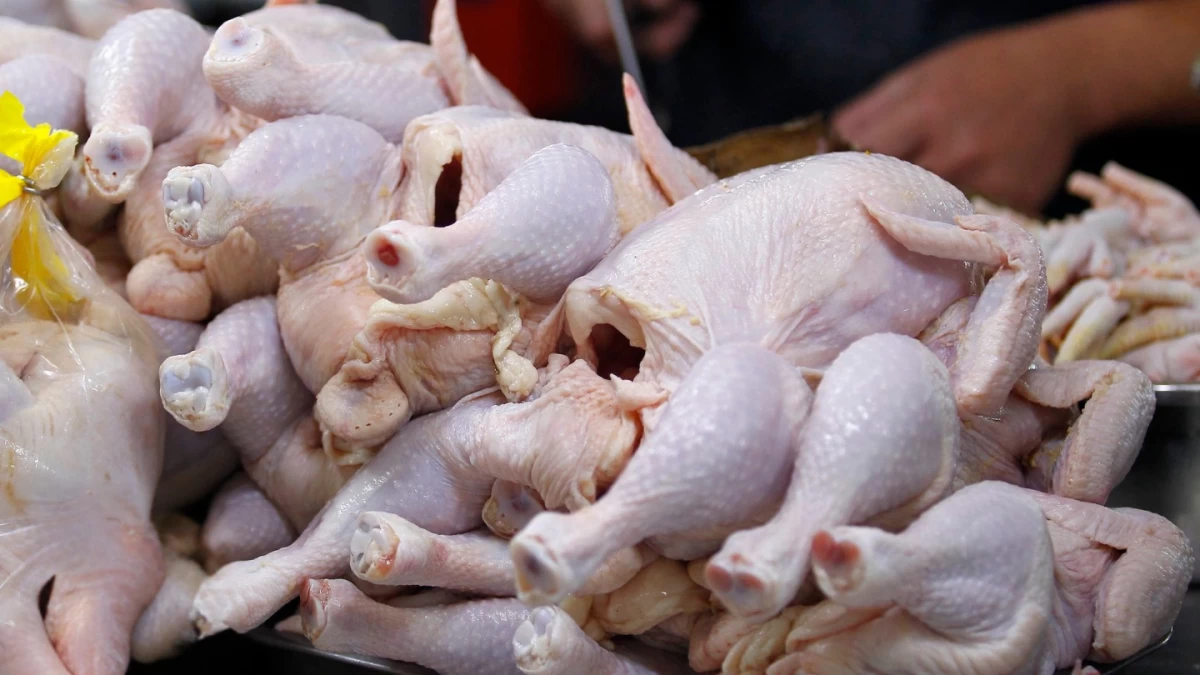
(Photo by Mark Balmores I MB)
The government has formally institutionalized a trade agreement with the United Kingdom (UK) that allows for the continued importation of poultry products from regions certified free of bird flu, a move aimed at stabilizing domestic food supplies while managing biosecurity risks.
In a statement on Wednesday, April 22, Agriculture Secretary Francisco P. Tiu Laurel Jr. said he signed Department Circular No. 17, which formalizes “regionalization” measures for Highly Pathogenic Avian Influenza (HPAI).
While the Department of Agriculture (DA) has practiced informal regionalization with British authorities since 2024, the new directive provides a permanent legal framework for bilateral recognition of disease-free zones.
The policy shift ensures that the Philippines can maintain trade flows of live birds, day-old chicks, hatching eggs, and poultry meat from specific United States (US) areas even if outbreaks occur in other parts of the UK.
Under traditional trade protocols, an HPAI outbreak often triggers a nationwide ban on exports; regionalization restricts those bans to specific infected administrative areas.
The Bureau of Animal Industry confirmed the UK’s veterinary oversight and mitigation protocols meet Philippine standards, concluding that the risk of importing infected products from approved zones remains low.
Tiu Laurel said the policy provides the government with greater flexibility in sourcing essential proteins while maintaining strict safeguards against animal diseases.
“Regionalization gives us flexibility in sourcing food while maintaining strict safeguards,” Tiu Laurel said. “This strengthens food security by ensuring a steady and safe supply of poultry products for Filipino consumers, even when animal disease outbreaks occur abroad.”
The directive aligns with Administrative Circular No. 09, series of 2025, which established the criteria for recognizing disease-free zones in partner nations. The Philippines has been aggressive in seeking diversified import sources to combat domestic price volatility.
Poultry remains a critical staple, and interruptions in the global supply chain often lead to significant price spikes in local markets.
Under the formalized rules, all shipments must adhere to agreed-upon import terms and existing regulations on animal health and food safety. The circular becomes effective 15 days after its publication on the department’s website and its filing with the Office of the National Administrative Register at the University of the Philippines Law Center.
Industry analysts noted that the formalization of this agreement could serve as a template for future trade deals with other major poultry exporters facing sporadic HPAI outbreaks, such as those in the European Union and North America.
By avoiding blanket bans, the Philippines aims to reduce the inflationary pressure often associated with sudden supply shocks in the livestock sector.