






Manila Bulletin
 Business
Banking & Finance
Philippine bank assets hit record ₱29 trillion on loan surge
Business
Banking & Finance
Philippine bank assets hit record ₱29 trillion on loan surge
Business
Banking & Finance
Philippine bank assets hit record ₱29 trillion on loan surge
Philippine bank assets hit record ₱29 trillion on loan surge
By Derco Rosal
Published Apr 22, 2026 02:18 pm


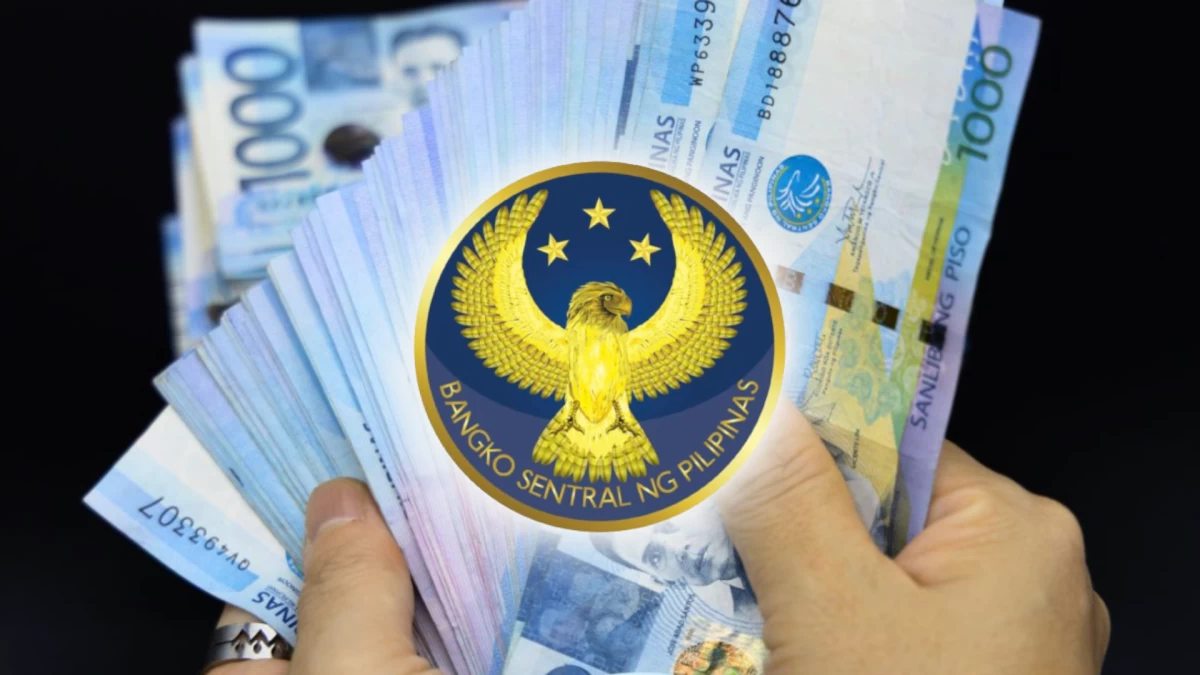
Philippine banks expanded their collective balance sheets to a record high in the first two months of the year, driven by the surge in lending and shifts into government securities as lenders maintained a cautious but growth-oriented posture.
Preliminary data from the Bangko Sentral ng Pilipinas (BSP) showed that total assets of the local banking system climbed to ₱29.20 trillion at end-February, an 8.3 percent increase from ₱26.95 trillion a year earlier.
Banks’ assets are primarily supported by deposits, loans, and investments, including cash, balances due from other banks, interbank loans receivable (IBL), and reverse repurchase (RRP) agreements, net of credit loss provisions.
As of February 2026, the banking sector’s total loan portfolio (inclusive of IBL and RRP) increased by 9.5 percent to ₱16.08 trillion from ₱14.68 trillion in the same period a year earlier.
Net investments, which include financial assets and equity holdings in subsidiaries, increased by 12.8 percent to ₱8.75 trillion as of end-February 2026 from ₱7.76 trillion a year earlier.
Meanwhile, net real and other properties acquired (ROPA) jumped by a fifth year-on-year to ₱140.3 billion from ₱116.5 billion last year.
In contrast, cash and balances due from banks declined by 16.2 percent to ₱1.99 trillion as of end-February 2026 from ₱2.37 trillion a year earlier.
Other assets of the banking industry increased by more than a tenth to ₱2.24 trillion in February 2026 from ₱2.02 trillion in the same month last year.
The total liabilities of the banking system reached ₱25.50 trillion during the period, up 8.3 percent from ₱23.54 trillion a year earlier.
Deposit liabilities accounted for the bulk, or 84.4 percent of banks’ liabilities, rising 9.1 percent to ₱21.52 trillion as of end-February 2026 from ₱19.74 trillion a year earlier.
Of the total deposits, peso-denominated accounts amounted to ₱17.78 trillion, while foreign currency deposits reached ₱3.75 trillion.
Reyes Tacandong & Co. senior adviser Jonathan Ravelas said the increase in the sector’s assets reflects “healthy, disciplined growth.”
“Loans are expanding alongside steady economic activity, while banks are also increasing investments in government securities to manage liquidity amid still‑elevated interest rates,” Ravelas said. “This tells us that confidence is intact, but banks are being selective and risk‑aware.”
Looking ahead, the economist said the sector’s asset growth should be sustained but at a “measured pace,” particularly focusing on “quality lending and balance‑sheet strength.”