






Manila Bulletin
 Environment and Sustainability
ING Hubs Philippines turns sustainability into everyday action, empowering employees and communities
Environment and Sustainability
ING Hubs Philippines turns sustainability into everyday action, empowering employees and communities
Environment and Sustainability
ING Hubs Philippines turns sustainability into everyday action, empowering employees and communities
ING Hubs Philippines turns sustainability into everyday action, empowering employees and communities
Published Apr 22, 2026 12:28 pm


Across its offices in Makati and Taguig and the communities it supports in Bulacan and Metro Manila, ING Hubs Philippines integrates sustainability into everyday work. Supporting ING’s global focus on climate action, responsible finance, and inclusive growth, the hub plays an important role in turning strategy into practice and advancing Environmental, Social, and Governance (ESG) commitments.
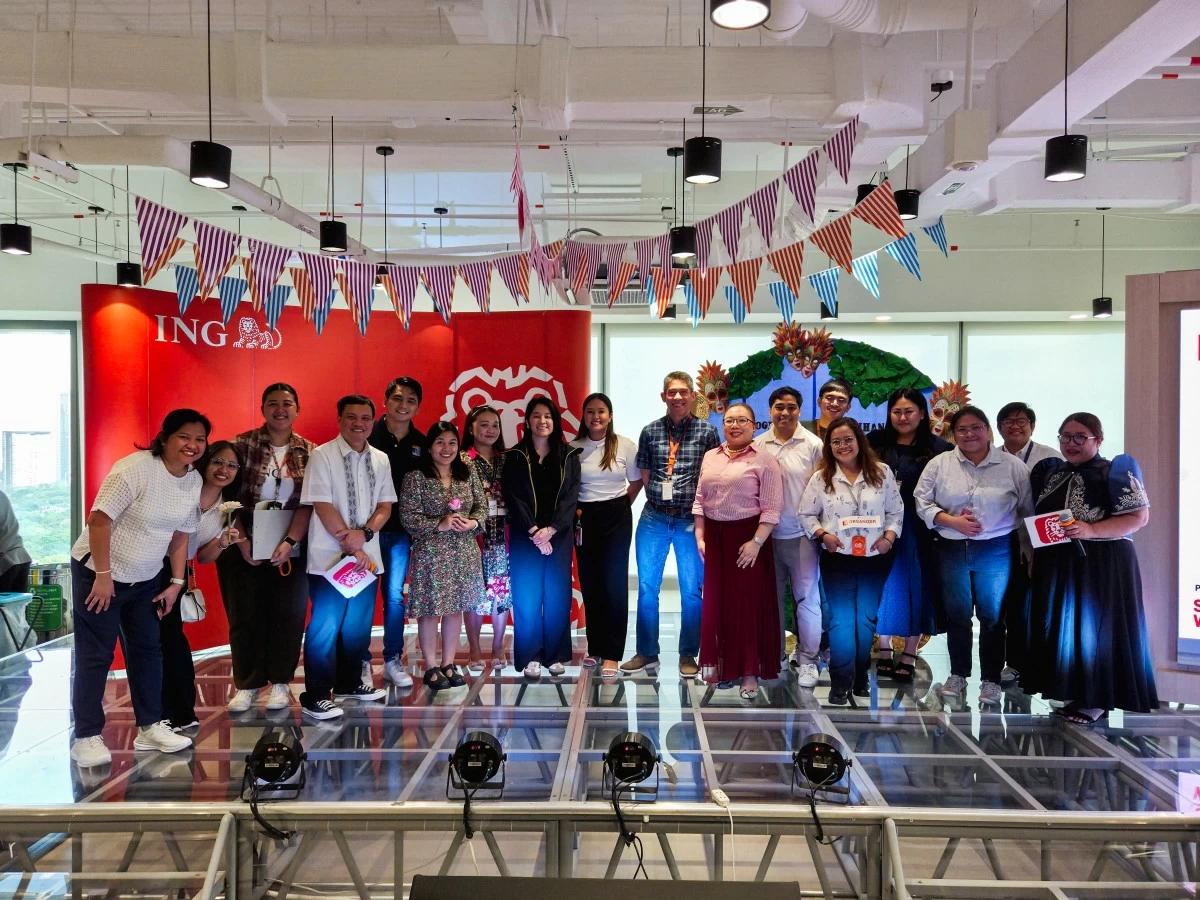
ING Hubs Philippines employees gather during Bayanihan Week 2026, reflecting the organization's approach to embedding social impact into its broader ESG strategy.
Sustainability starts at work
As society transitions to a low-carbon economy, so do ING and its clients. While ING continues to finance sustainable activities, it still finances more that are not, reflecting today’s global economic realities. ING Hubs Philippines contributes to this transition by embedding sustainability and ESG commitments into everyday operations and decision-making.
These efforts are supported by systems that encourage participation at scale. Through the internally developed Carbon Absorption and Reduction (CAR) Tool, employees tracked an estimated 1.17 million kilograms of carbon absorbed or emissions avoided in 2025. Recorded activities include sustainable commuting, energy-saving habits, tree planting, and digital clean-ups, practical actions that become meaningful when taken collectively. The figure represents estimated avoided or absorbed emissions based on standardized activity assumptions and are not used as offsets or in corporate emissions reporting.
In 2026, the CAR Tool is expanding into a broader ESG Tool, capturing not only environmental actions but also social and governance contributions. From volunteering and donations to circular practices, it helps employees see the tangible impact of their efforts. By making contributions visible and measurable, the hub supports accountability, continuous improvement, and collective responsibility.
Managing energy responsibly
Sustainability is also integrated into daily operations. This month, onsite presence at Makati and Taguig offices is adjusted from 50% to 40%, reducing energy consumption while maintaining flexibility amid rising energy costs.
Through renewable electricity procurement arrangements—under which its lessors purchase renewable energy certificates equivalent to the non‑renewable electricity consumed—the company reports 100% renewable electricity on a market‑based basis, contributing to a full reduction in Scope 2 emissions. In parallel, mindful travel practices helped reduce air travel emissions by nearly 39%, surpassing internal targets.
These initiatives are complemented by simple, day‑to‑day energy‑saving practices adopted by employees to reduce overall energy consumption. Together, these measures reflect a practical approach to sustainability, embedding environmental considerations into everyday operational decisions while supporting people‑centric ways of working.
Making an impact beyond the workplace
The Filipino value of bayanihan, or collective effort, is at the heart of the hub’s community engagement. Structured programs and partnerships allow employees to turn their time, skills, and resources into measurable outcomes, supporting communities while reinforcing a shared sense of purpose.
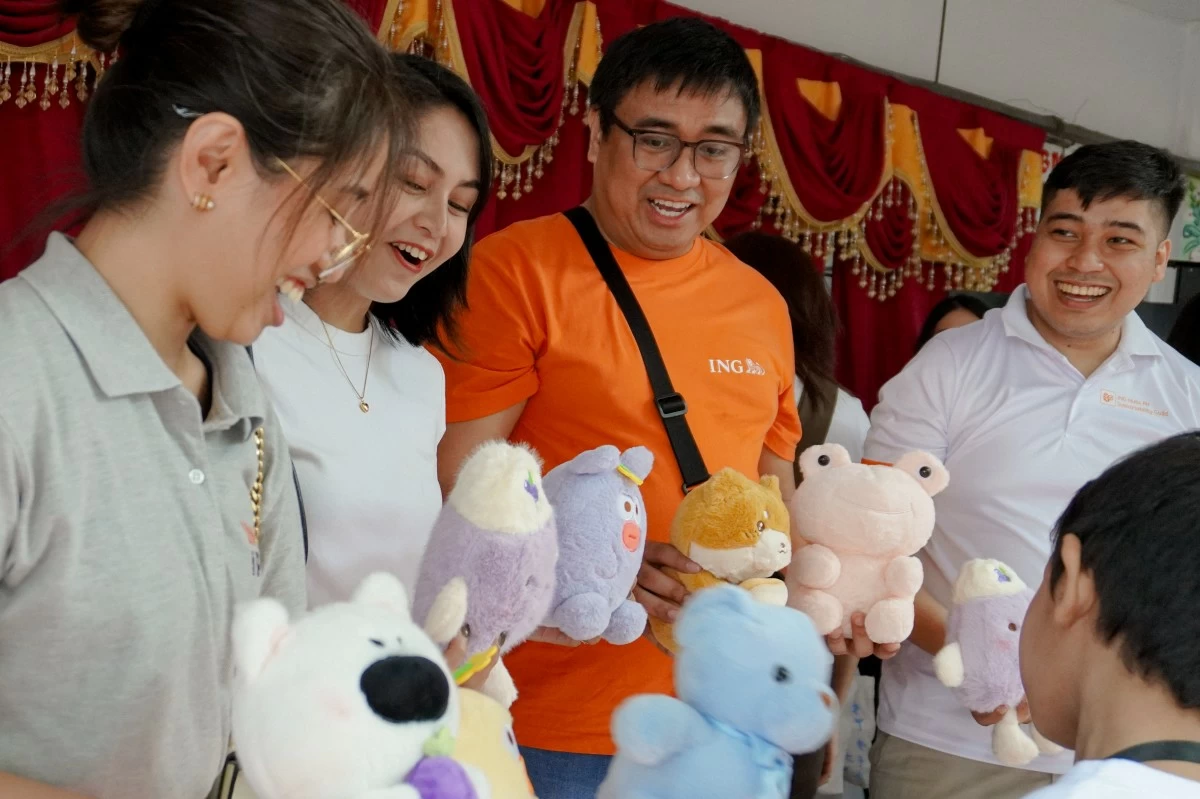
ING Hubs Philippines volunteers engage with students at Dr. Artemio E. Natividad Elementary School.
In 2025, ING Hubs Philippines supported digital inclusion by donating brand-new laptops to DepEd schools and expanding the ING Orange Corner at Dr. Artemio E. Natividad Elementary School, giving students greater access to reading and learning resources. The organization also partnered with Reztyle to divert nearly 9,000 kilograms of textiles from landfills, promoting recycling and upcycling while supporting local livelihoods.
In 2026, these efforts continue to grow. Solar panels have been installed in last-mile schools in Doña Remedios Trinidad, Bulacan, improving electricity access and learning opportunities for students. Employees have also supported Scholars of Sustenance Philippines’ Food Rescue program, helping deliver nutritious meals while reducing food waste, and contributed to a blood donation drive with the Philippine Red Cross.
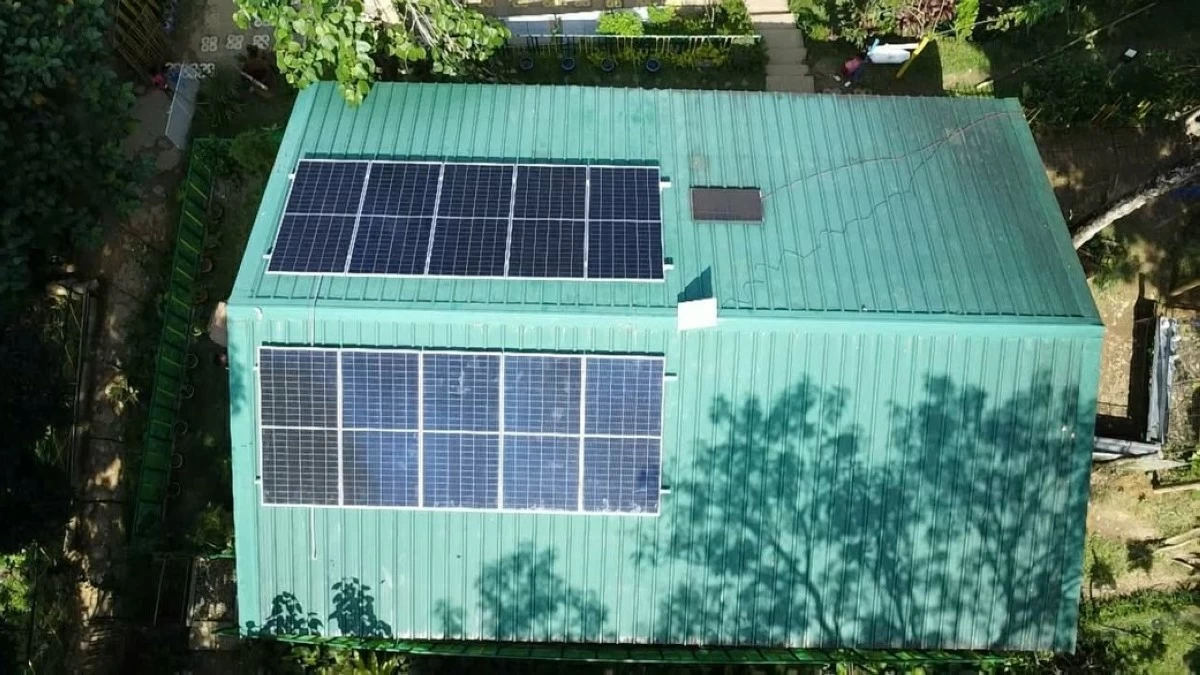
Solar panels now power schools in Doña Remedios Trinidad, Bulacan—bringing sustainable energy to last‑mile communities and enabling better learning environments for students.
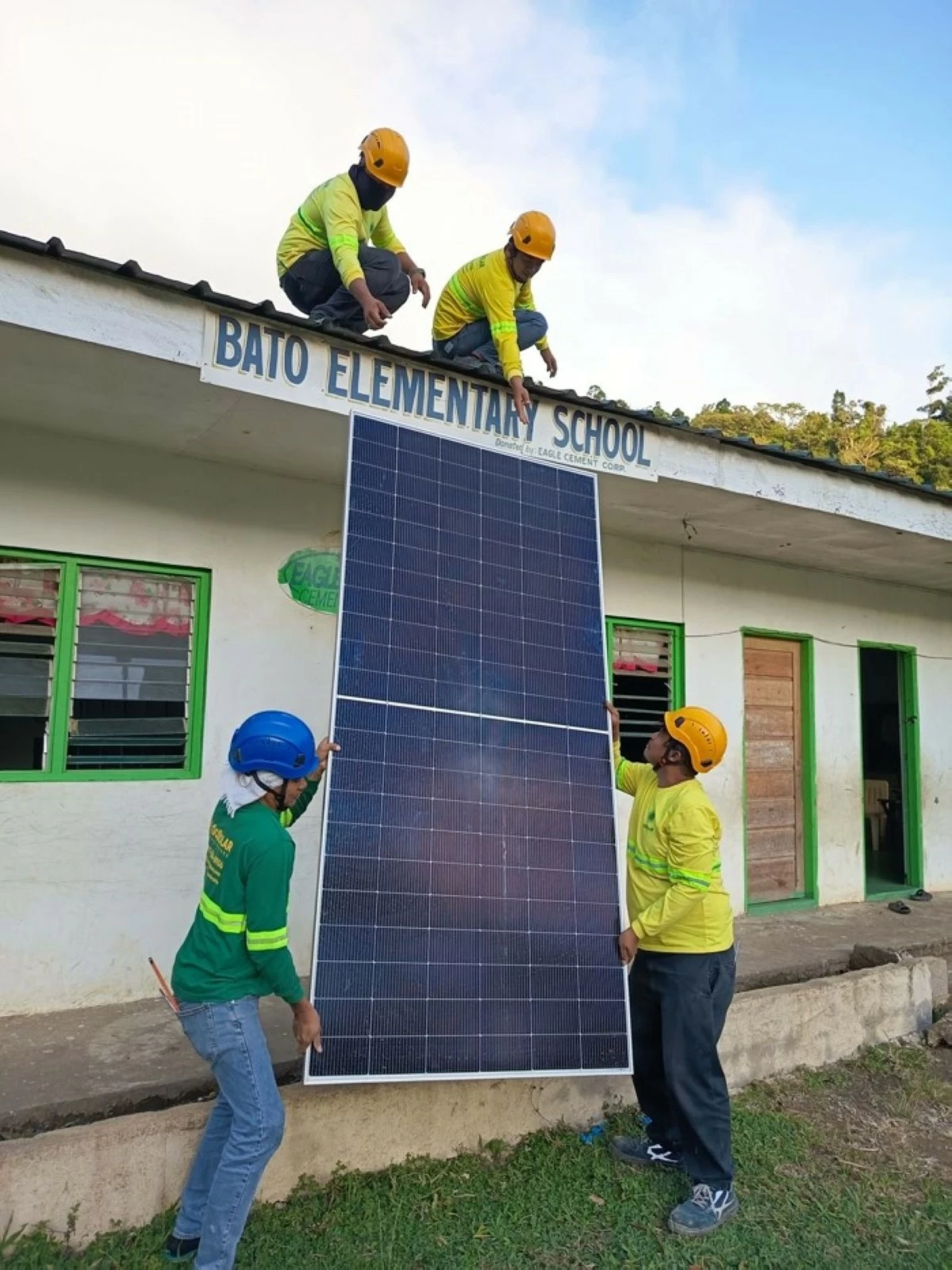
Solar panels now power schools in Doña Remedios Trinidad, Bulacan—bringing sustainable energy to last‑mile communities and enabling better learning environments for students.
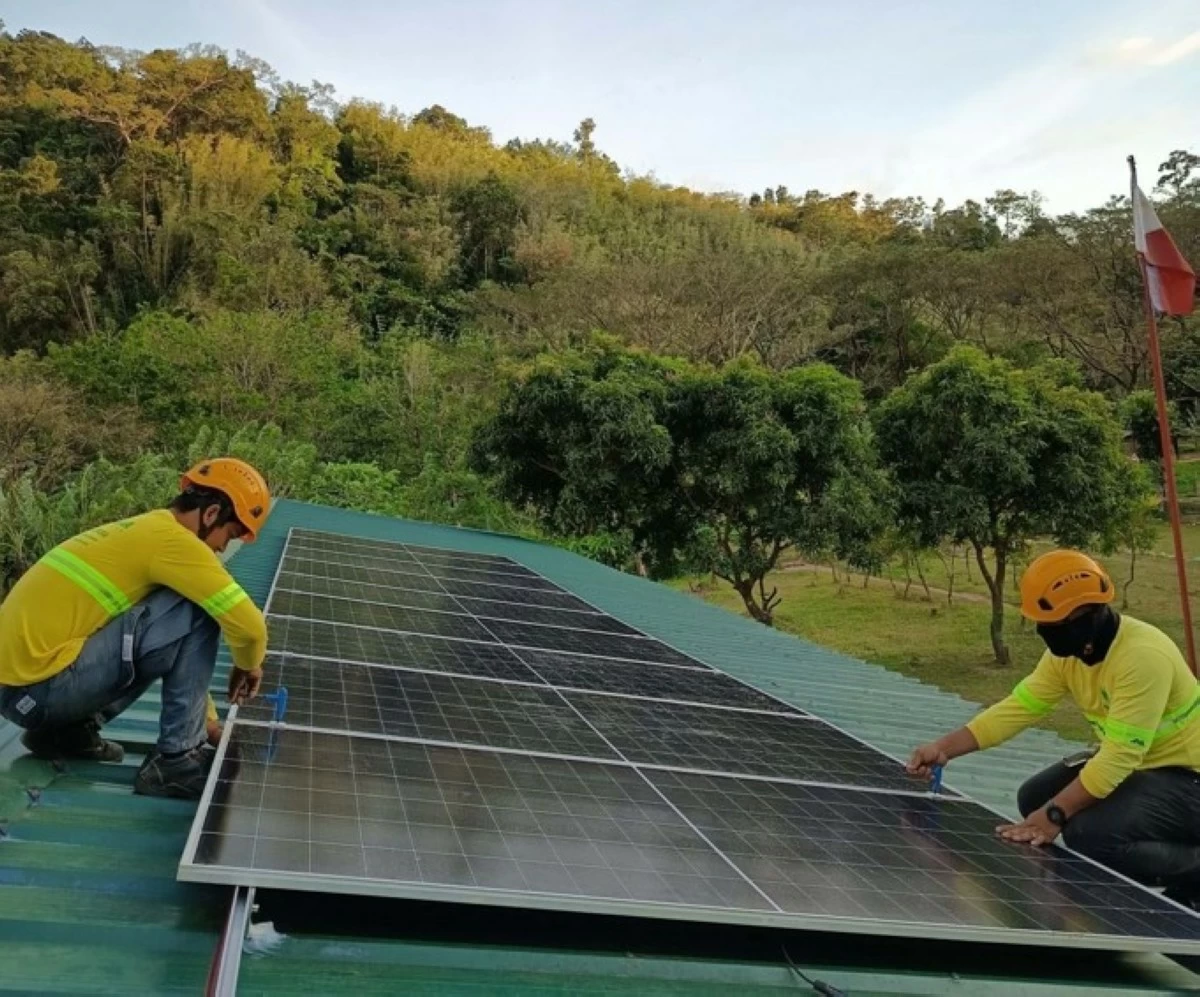
Solar panels now power schools in Doña Remedios Trinidad, Bulacan—bringing sustainable energy to last‑mile communities and enabling better learning environments for students.
“Bayanihan gives our community engagement a shared direction,” said Hazel Zaide Delos Santos, Country Manager, ING Hubs Philippines. “It helps turn individual efforts into collective impact, ensuring that our colleagues’ contributions are purposeful, meaningful, and sustainable.”
Advancing accessibility through technology
ING Hubs Philippines is also looking at how sustainability applies to the way it builds digital products.
Through the A11yance initiative, the Retail Technology team is equipping engineers to design applications accessible to customers with disabilities. Since its launch in late 2025, the initiative has trained engineers in empathy‑based design and is set to expand the training to nearly 1,000 individuals across web engineering teams.
Embedding accessibility into development ensures digital services are inclusive by design, making technology more usable for a wider range of people.
Sustainability in everyday decisions
Across its operations, ING Hubs Philippines shows how sustainability can be integrated into both large-scale initiatives and everyday actions.
From reducing emissions and managing energy use, to enabling employee participation and supporting communities, the organization demonstrates how sustainability can be part of how work gets done—in ways that are measurable, scalable, and aligned with ING’s global ESG ambitions.
Learn more about ING Hubs Philippines and how it is putting sustainability into practice.