






Manila Bulletin
 Philippines
National
House leaders support Sotto's 'forthwith' stance on VP Duterte impeachment
Philippines
National
House leaders support Sotto's 'forthwith' stance on VP Duterte impeachment
Philippines
National
House leaders support Sotto's 'forthwith' stance on VP Duterte impeachment
House leaders support Sotto's 'forthwith' stance on VP Duterte impeachment
Published Apr 22, 2026 07:16 am


At A Glance
- Senate President Vicente "Tito" Sotto III's definition of "forthwith" is one that La Union 1st district Rep. Paolo Ortega V and Lanao del Sur 1st district Rep. Zia Alonto Adiong can get behind with.
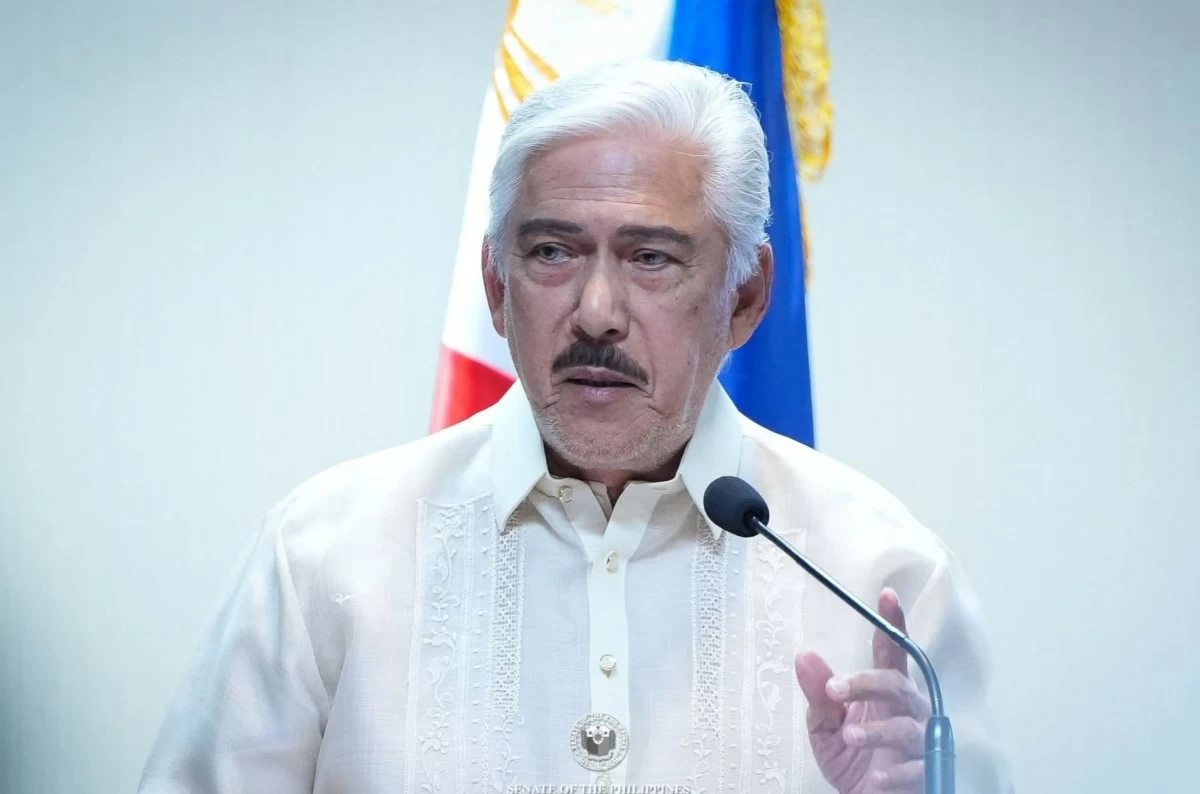
Senate President Vicente "Tito" Sotto III (Facebook)
Senate President Vicente "Tito" Sotto III's definition of "forthwith" is one that La Union 1st district Rep. Paolo Ortega V and Lanao del Sur 1st district Rep. Zia Alonto Adiong can get behind with.
The two ranking congressmen welcomed Sotto's assurance Tuesday, April 21 that the Senate will act forthwith or immediately on any articles of impeachment against Vice President Sara Duterte that could be sent by the House of Representatives in the coming days.
This, as the House Committee on Justice is set to conclude on April 29 its hearings on the determination of probable cause in the two active impeachment complaints against the Vice President.
Ortega, who co-endorsed one of the these impeachment raps, said Sotto's statement was a decisive affirmation of the Senate’s constitutional duty to proceed immediately with a trial once the mechanism is triggered.
“Napakalinaw ng sinabi ni Senate President Tito Sotto na kapag naisumite ang articles of impeachment, kikilos agad ang Senado (Senate President Tito Sotto made it very clear that once the articles of impeachment are submitted, the Senate will act immediately). That sends a strong signal that the process will not be delayed and that accountability will move forward,” Ortega, a House deputy speaker, said.
“Hindi ito pwedeng patagalin o iwasan (This cannot be delayed or avoided). Once the House transmits the articles, the Senate must convene and try the case. That is a constitutional command, not a political option,” he added.
The 1987 Constitution says that an impeachment trial must begin forthwith once the articles of impeachment against a respondent is transmitted by the House to the Senate.
2025 impeachment case
This happened to the Vice President Duterte in 2025, when she was impeached for the first time. However, the upper chamber--then led by Senate President Francis "Chiz" Escudero--never carried out an actual trial against the lady official.
Sotto is saying that the Senate may convene as an impeachment court by May 4, or on the day of the resumption of plenary sessoons. Congress (House and Senate) has been on summer recess since May 19.
“Ang ganitong kaagang paghahanda ng Senado ay hindi ginagawa kung walang malinaw na batayan (Such early preparation by the Senate is not undertaken without a clear basis). It suggests that many senators are already seeing that a substantial case is taking shape—one that could justify the House transmitting the articles of impeachment," Adiong said.
Adiong stressed that while the House of Representatives has the sole constitutional duty to determine probable cause, the Senate’s posture points to a broader institutional appreciation of the strength of the evidence emerging from the proceedings.
“The Senate is an independent body. It does not act on speculation. The fact that it is already positioning itself to convene indicates that the developments in the House are being closely watched—and taken seriously,” said the House assistant majority leader.
Adiong says such readiness is consistent with the gravity of the allegations and the evidence being placed on record.
“Hindi ito usaping mababaw (This isn't a shallow issue). The records being built, the testimonies presented, and the documentary trail all contribute to a growing picture that demands full constitutional scrutiny."
No collusion
Ortega reckoned that the impeachment allegations underscore the need for a full-blown trial at the Senate.
“Ang bigat ng mga paratang—mula sa confidential funds hanggang sa usapin ng yaman at pananagutan sa taumbayan (From confidential funds to the issues on wealth and accountability--the allegations are strong). These are not issues that can be ignored or brushed aside. They must be tested in a full impeachment trial,” he said.
Adiong says the Senate President's remarks should reassure the public that both chambers are aligned in upholding accountability mechanisms.
“This is institutional coordination at its best—not collusion, but readiness. The message is clear: if the articles are transmitted, the Senate will be prepared to act promptly because the case before it is expected to be substantial,” he said.