Manila Bulletin
 Environment and Sustainability
Earth Day 2026: Together with OPPO for a sustainable future
Environment and Sustainability
Earth Day 2026: Together with OPPO for a sustainable future
Environment and Sustainability
Earth Day 2026: Together with OPPO for a sustainable future
Earth Day 2026: Together with OPPO for a sustainable future
Published Apr 22, 2026 03:54 pm


Every year on April 22, Earth Day highlights the importance of protecting our planet to ensure a brighter future for all its inhabitants. As a global technology company serving over 760 million users in more than 90 countries and regions worldwide, OPPO recognizes its responsibility and influence in shaping a more sustainable future. More than just creating exceptional products and experiences, OPPO integrates sustainability across its operations and innovation and has pledged to make its entire operations carbon-neutral by 2050. With this goal firmly on the horizon, the company is continuing to implement greener practices, develop more environmentally friendly products, and inspire people all around the world to take real steps to building a sustainable future.
Upgraded Packaging Materials and Processes Drive Green Transition
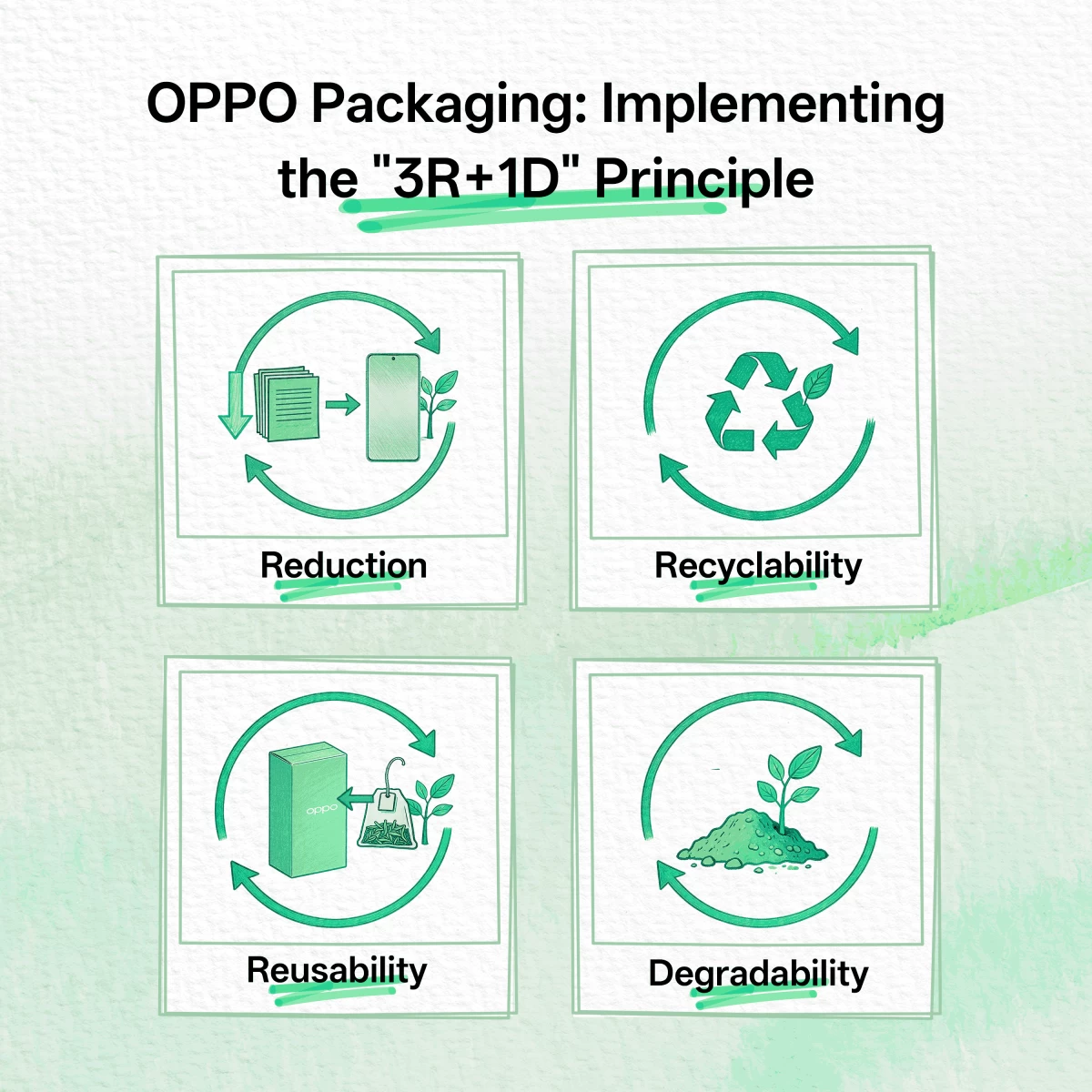
Excessive packaging has become a widespread environmental challenge for the consumer goods industry. OPPO has introduced the "3R+1D" principle of Reduction, Recyclability, Reusability, and Degradability into its packaging, promoting more sustainable packaging through upgrades to both processes and materials.
According to data from the World Wildlife Fund, around 405 million tons of paper and paperboard are produced globally every year, and paper-based packaging alone consumes approximately 3 billion trees, placing ongoing pressure on forest resources. To reduce paper consumption, OPPO has actively shifted paper-made product guidance information to digital formats. In 2025, this initiative saved about 110 million A4 sheets, equivalent to avoiding the felling of approximately 13,000 mature trees and reducing around 3,500 tons of carbon emissions.
According to estimates from the United Nations Environment Programme (UNEP), over 430 million tons of plastic are produced globally each year, with more than 11 million tons entering the oceans, posing a serious threat to ecosystems. To minimize plastic usage, OPPO has incorporated natural biomass materials, such as tea residue, into packaging designs. By replacing 10–30% of petroleum-based plastics with these environmentally friendly alternatives, OPPO is not only reducing plastic consumption but also finding a valuable use for biomass waste that would otherwise be disposed of.
Bringing New Life to E-Waste
The volume of electronic waste generated globally continues to rise, too. Data from the United Nations shows that the scale of e-waste reached 62 million tons in 2022 and is increasing by about 2.6 million tons annually. By 2030, this is expected to surpass 82 million tons, far exceeding current recycling capabilities.
One of the ways in which OPPO is tackling this challenge is through its commitment to improving product durability, so that each device is used for longer rather than ending up as waste. At the same time, the company is continually improving its recycling system for electronic waste, encouraging users to return their devices to be reused, dismantled, recycled, and safely discarded. In 2025, while selling around 35,300 tons of new products, OPPO recycled as many as 1,187 tons of used devices in China and Europe during the same period.
Engaging more Public to join the Green Initiatives
In addition to improving environmental practices through its own products and technology, OPPO also works closely with communities around the world to inspire greater public participation in environmental initiatives.
Across Africa’s vast savannas, researchers are photographing the unique eye patterns of rhinos to track their movements, migrations, births, and deaths. To better protect these extraordinary and endangered animals, OPPO has partnered with the Peaceland Foundation and Impact Steps to donate OPPO Find X9 series smartphones to Kenya's Ol Pejeta Conservancy. Taking advantage of the smartphone’s advanced telephoto capabilities, researchers can now use more lightweight equipment to photograph these rhino eyes in high detail from a distance while also streamlining data collection and enhancing the accuracy of subsequent identification work.
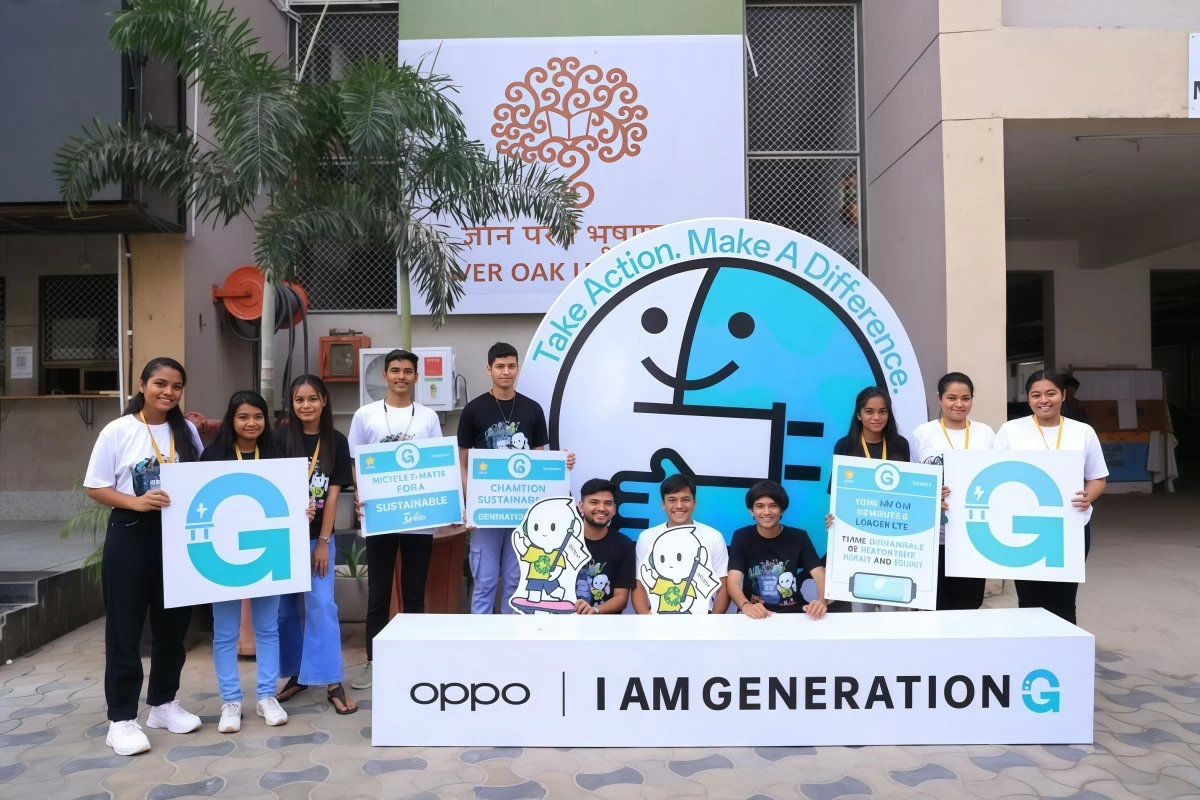
In India, OPPO has teamed up with the All India Council for Technical Education (AICTE) to launch the Generation Green Initiative. The program brought together 5,000 interns and over one million young people nationwide, who collectively volunteered 469,500 hours to help process 10,339 kilograms of electronic waste. While promoting effective e-waste management, the project also enhanced environmental awareness among young people and empowered them to take more active responsibility in protecting the environment.
Guided by the mission "Technology for Mankind, Kindness for the World," OPPO will continue to advance sustainability initiatives worldwide, working hand in hand with users, partners, and all sectors of society to build a more sustainable future together.