







Davao Region: the investments and growth hub in the south
Published Apr 22, 2026 10:21 am
|
Updated Apr 22, 2026 09:26 pm


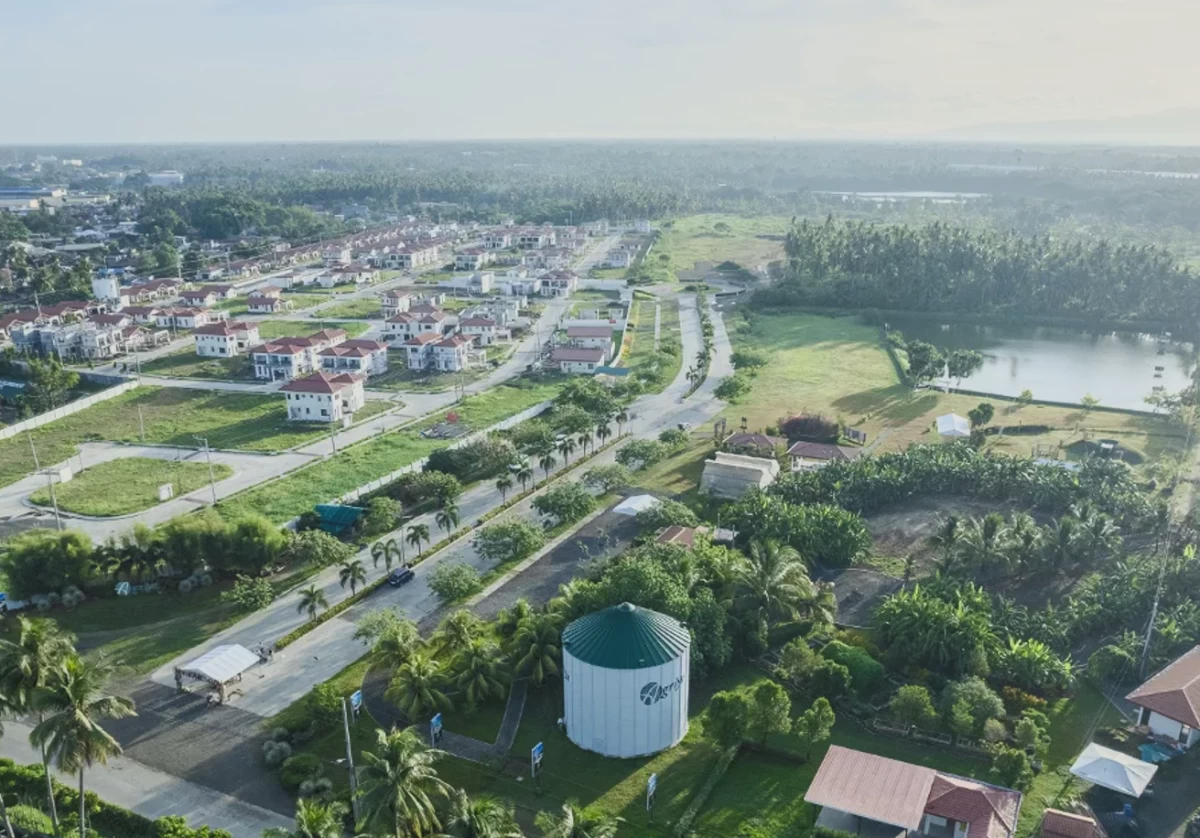
Agriya Estate (Photo: Damosa Land Inc.)
Among 18 regions, Davao ranked fourth as one of the fastest growing economies in the country in 2024, according to the Philippine Statistics Authority central office report. Central Visayas took the lead in growth at 7.3 percent, followed by Caraga at 6.9 percent, Central Luzon at 6.5 percent, and the Davao Region at 6.3 percent. In the same year, Davao Region’s gross regional domestic product (GRDP) rose to a total of ₱1.08 trillion, according to PSA Davao.
PSA-Davao Regional Director Randolph Anthony Gales cited the region’s performance was driven mainly by strong growth in industry and services, which rose by 9.1 percent and 6.8 percent, respectively. The agriculture sector saw a slight contraction of 0.4 percent, attributed to typhoons, El Niño, and animal disease outbreaks such as African swine fever.
The major contributor to the growth rate is the construction sector with a 15.5 percent increase, followed by transportation and storage at 10.5 percent and professional and business services at 10.3 percent.
The Department of Tourism Region XI (DOT-XI) reported a total of 4,155,581 tourist arrivals in 2024, a 27-percent increase compared to the previous year’s figures. The surge in visitor numbers brought the region ₱34,786,948,402 in tourist receipts for the fiscal year 2024.
From the first quarter to the third quarter of 2025, DOT-XI recorded a total of 2,897,168 overnight travelers, boosted mainly by domestic tourism.
A resilient and growing real estate market
According to Joey Bondoc, research director of Colliers Philippines, the mid-income segment (ranging from ₱3.6 million to ₱12 million) dominated total condominium take-up in Davao from 2024 to the first half of 2025. For Davao’s house and lot market, the affordable to mid income projects (₱2.5 million to ₱10 million) recorded strong take-up among local investors and remittance receiving households.
According to Joey Bondoc, research director of Colliers Philippines, the mid-income segment (ranging from ₱3.6 million to ₱12 million) dominated total condominium take-up in Davao from 2024 to the first half of 2025. For Davao’s house and lot market, the affordable to mid income projects (₱2.5 million to ₱10 million) recorded strong take-up among local investors and remittance receiving households.
It is projected that the house-and-lot developments will be expanding toward southern and peripheral districts along Tugbok and Talomo, while lot-only residential projects will remain strategically concentrated in southern corridors such as Toril.
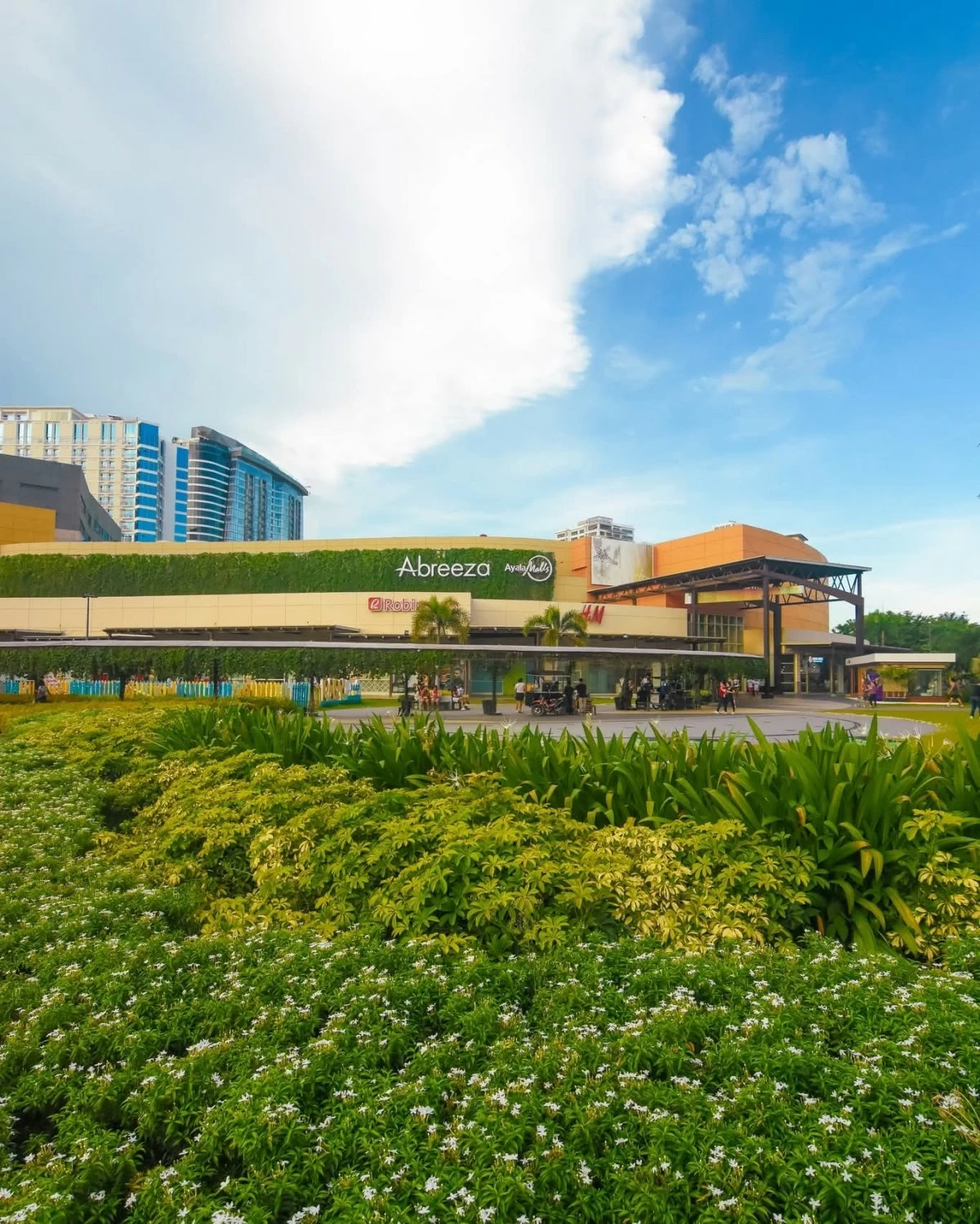
Ayala Malls Abreeza (Photo: Ayala Malls Abreeza/Facebook)
A stable and evolving office and commercial market
At the end of 2025, the region has a total stock of 379,000 sqm of office space with a vacancy rate of 3 percent, according to the fourth quarter property briefing of Colliers Philippines. This is one of the lowest vacancies outside the capital region due to sustained demand from outsourcing companies and limited available stock.
At the end of 2025, the region has a total stock of 379,000 sqm of office space with a vacancy rate of 3 percent, according to the fourth quarter property briefing of Colliers Philippines. This is one of the lowest vacancies outside the capital region due to sustained demand from outsourcing companies and limited available stock.
In the coming years, the increase in supply will come from the office development by Robinsons Land Corporation and space expansion from SM Development Corporation, Megaworld Corporation, Ayala Land, and Damosa Land. Within a mixed-use development, the upcoming office spaces are expected to increase future tenant options.
Recently, major mall developers have focused their attention on Davao. In October 2025, Sta. Lucia Land launched Sta. Lucia Mall Davao. In the middle of last year, SM City Davao opened its latest seven-story expansion wing with over 100,000 additional square meters of floor space. Ayala Malls will be adding a new building in Abreeza Malls that is expected to be completed in the second half of 2028.
Infrastructure as a catalyst for development
The upcoming infrastructure developments in the region are expected to revitalize the economy by facilitating the movement of goods and services and generating more jobs.
The upcoming infrastructure developments in the region are expected to revitalize the economy by facilitating the movement of goods and services and generating more jobs.
The Davao International Airport (DIA) is undergoing expansion of its passenger terminal building from the previous 17,500 sqm to 25,910 sqm, increasing the seating capacity to 1,500. The DIA currently has four direct flights to and from Singapore, Doha, Bangkok, and Hong Kong, and aims to attract more airlines as the primary international gateway of Mindanao.
The 17.8-km Davao City Coastal Road Project features a four-lane road with bike lanes and is aimed to be completed this year.
To decongest and reduce travel time in the Davao City center, the 45.5 km bypass road, with a 2.3 km twin mountain tunnel, is currently under construction and will be completed by 2028.
In the same year, the completion of the Samal Island-Davao City connector bridge, with a length of 3.98 km, is expected to accommodate up to 25,000 vehicles per day and reduce travel time between Samal and Davao City from 30 minutes by ferry to just five minutes.