







Airfares to rise as gov't approves record fuel fees
Published Apr 22, 2026 02:02 pm


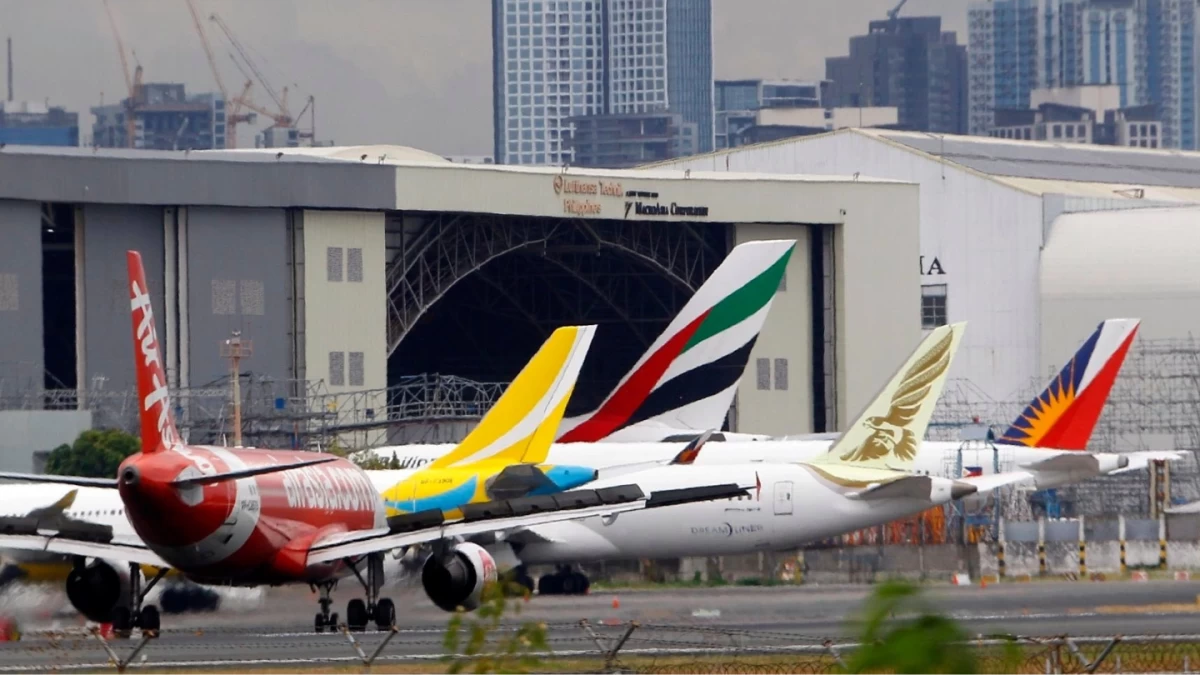
The Civil Aeronautics Board (CAB) increased the passenger fuel surcharge to a record level as global jet fuel prices continue to surge, a move that is set to make air travel more expensive for the remainder of the month.
In an advisory dated April 13 but released on Wednesday, April 22, the CAB raised the surcharge to Level 19, a sharp jump from the previous Level 8.
The new tier, which sits just one notch below the maximum possible level allowed by the regulator, took effect on April 16 and is scheduled to remain in place through April 30
The adjustment is intended to help airlines mitigate the impact of rising operating costs amid volatile energy markets.
Under Level 19, passengers may pay an additional ₱627 for a domestic flight below 200 kilometers (km). Meanwhile, for flights over 1,000 km, the surcharge can reach ₱1,834.
For international routes, the surcharge ranges from ₱2,070.77 for flights to Taiwan, Hong Kong, and Vietnam to ₱15,397.15 for destinations beyond 14,000 km.
According to the CAB, the passenger fuel surcharge is an optional fee that airlines may impose and collect to recover costs and losses resulting from fuel price spikes.
The surcharge is not part of the base airfare and may be reduced or removed depending on prevailing jet fuel prices.
The applicable fuel surcharge is determined based on the prevailing Mean of Platts Singapore (MOPS) price of jet fuel, expressed in peso per liter.
Data from the International Air Transport Association (IATA) showed that average global jet fuel prices increased by nearly $10 per barrel to $184.63 per barrel as of April 17, compared to last month.
In recent weeks, jet fuel prices have surged to unprecedented levels due to supply constraints caused by the ongoing war in the Middle East.
For airlines that intend to collect the passenger fuel surcharge, the applicable conversion rate for the second half of April is ₱59.95 per United States (US) dollar.
CAB said the interim implementation of the surcharge “shall be in effect until the current situation stabilizes, or as may be revised or revoked accordingly.”
For its part, low-cost carrier AirAsia Philippines expects the higher surcharge to help offset operating costs, driven largely by fuel prices that are more than double last year’s levels.
“While rising fuel costs continue to impact airline business models built on affordable fares, we continue to find ways to keep travel as accessible as possible without compromising the safety and reliability of our flights,” said AirAsia.