








Known as “The City of Gentle People,” the City of Dumaguete is recognized for its tourist attractions, lively music scene, and as the home of Silliman University. It also has a deep and longstanding literary history, which came to the fore this April 17-20, 2026.
Not only was it the third Dumaguete Literary Festival, an annual gathering of readers, writers, and publishers from around the country, it also marked the inauguration of Dumaguete as a UNESCO Creative City of Literature.
A city of literature
Dumaguete is home to the prestigious Silliman University National Writers Workshop, the oldest creative writing workshop in Asia, which still runs to this day. Silliman University offered the first creative writing program in the Philippines in 1951 and still publishes Sands and Coral, the longest running campus literary folio in the country. These are just some of the events that make up Dumaguete’s literary history.
The endeavor was first conceived when Ian Rosales Casocot, the current focal point of the Dumaguete UNESCO Creative City of Literature, was a fellow at the prestigious Iowa Writers’ Workshop in 2010, two years after Iowa City was designated a UNESCO Creative City of Literature.
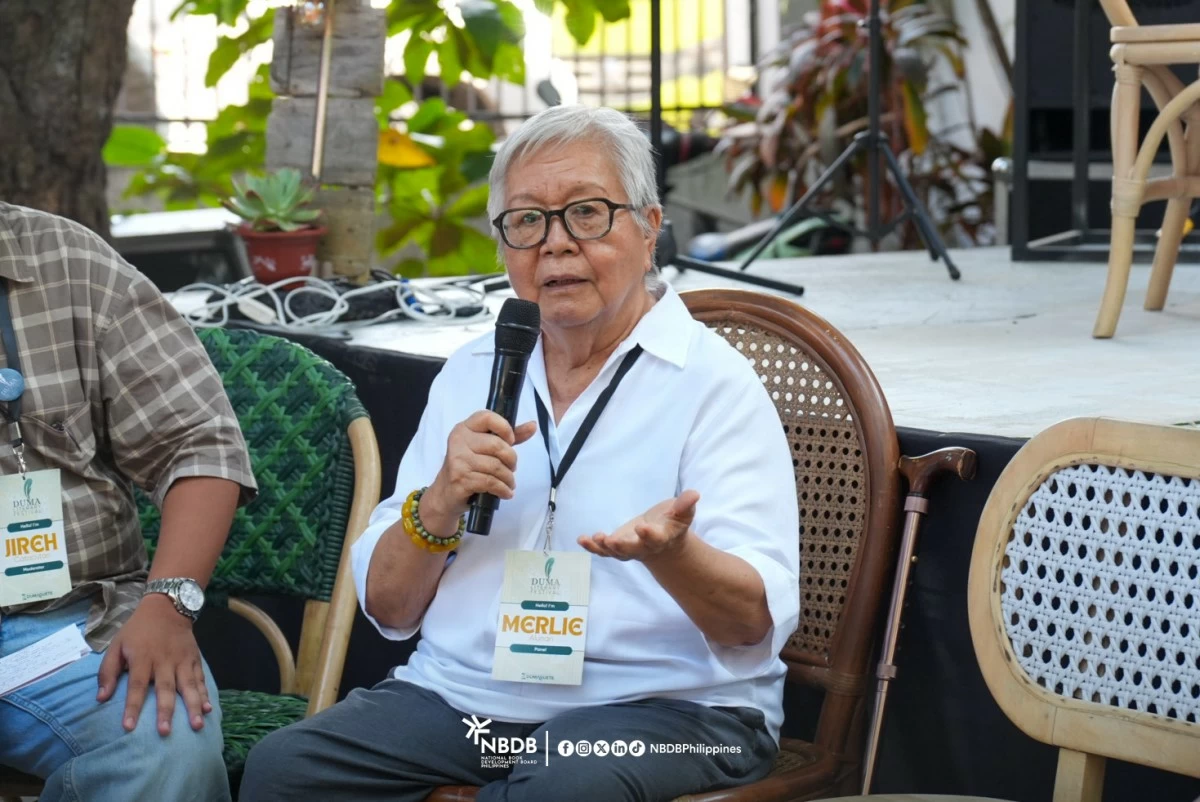
LITERARY LUMINARY - Poet Merlie Alunan at the translation panel.
“The entire place is a university town, which really feels very much like Dumaguete. Replace their cornfields with the beach [and] it's exactly the same,” Casocot, a creative writing teacher at Silliman University, president of Buglas Writers’ Guild, and a founder of the Dumaguete Literature Festival, said. “[I] was like, if they're doing all of these things and is designated as a UNESCO Creative City of Literature, I think Dumagrete is deserving of the same title because it has the same vibe [and has] the same kinds of literary activities.”
15 years later (the distinction was announced in 2025), with the support of the Dumaguete local government (LGU), particularly the Mayor’s Office and the City Tourism Office, in cooperation with the Department of Trade and Industry and the Buglas Writers’ Guild, that goal has finally been achieved.
“This is an LGU project,” Casocot explained. “We were the ones who made the bid, but it is really the government of Dumaguete that has to submit the bid to UNESCO.”
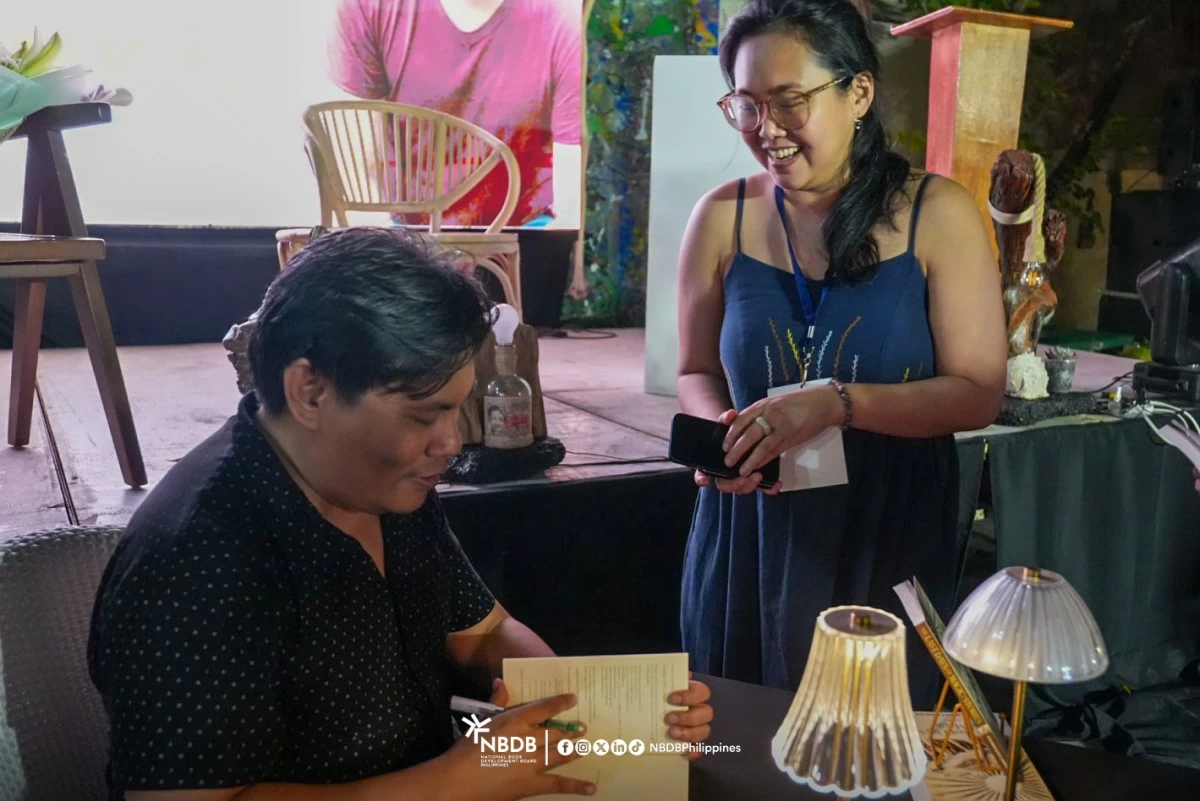
BOOK LAUNCH - Ian Casocot signing a copy for Tahanan Book's Frances Ong.
This is just the beginning. There are plans to boost the literary scene in terms of events, publishing, translation, and literacy. “The distinction is important because it recognizes what has already been happening in the City for decades,” Casocot said.
Celebrating Philippine literature
The third Dumaguete Literary Festival, held in partnership with the National Book Development Board, DTI and the Dumaguete City Tourism Office featured panels that ran the gamut of literature, including writing for films, plays, fiction, non-fiction, and journalism.
“We try to make the festival distinguishable from the other festivals by the fact that we embrace the mode of Dumaguete chill,” Casocot said. “We refuse to make the festival be more sales driven… We wanted this to be more personal, more in-depth, like the writers, readers talking about literature in front of an audience.”
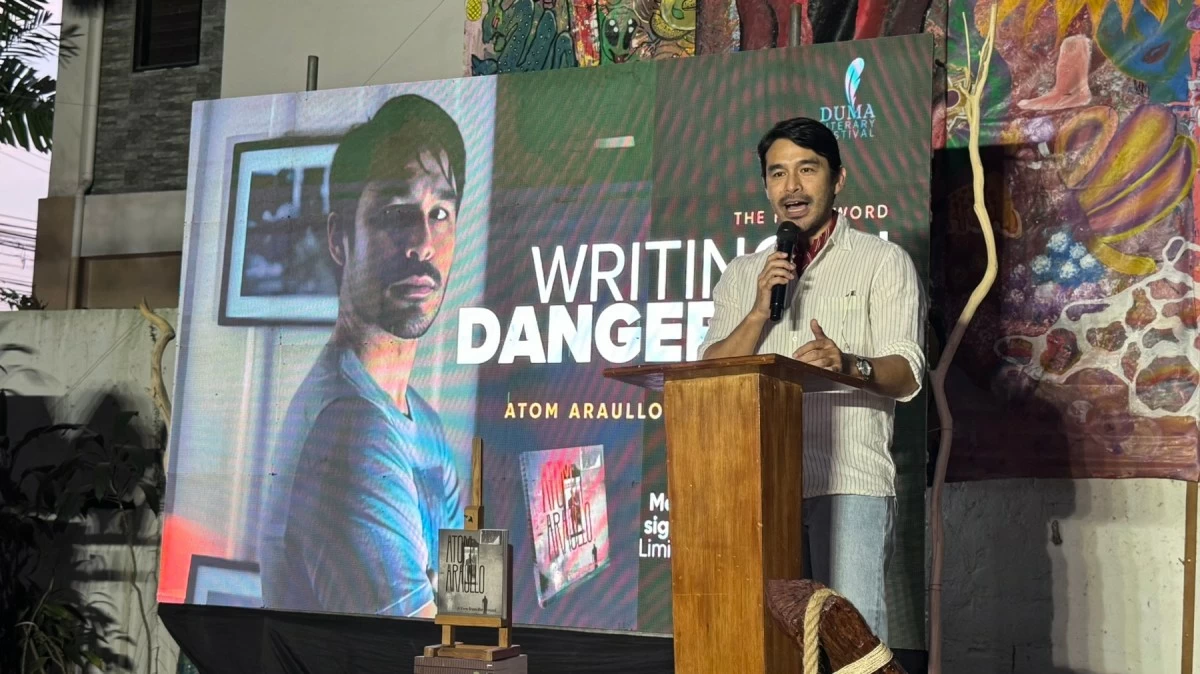
JOURNALISTIC PERSPECTIVE - Atom Araullo gives the keynote talk, on 'Writing in Dangerous Times,' for the last day of the Duma LitFest.
Activities included a literary tour, reading sessions for children, sign language lessons, a live reading of steamy scenes from romance novels, and a heart-wrenching performance of Allan Derain and Rowena Festin’s Sisa: Panaghoy ng Pinakamiserableng Babaeng Katha ni Rizal.
“We have themes every year,” Casocot said. “I invite people because they can say something about the topics that we have chosen for the year.”
This year’s guests included award-winning luminaries such as fictionist and former Silliman Writers Workshop Director-in-Residence Susan Lara, Tacloban-based poet Merlie Alunan, screenwriter Rody Vera, and journalist Atom Araullo.
“It has really grown,” Casocot said. “We don't market ourselves… but people come, even from Cebu, Bacolod, from other places... So I'm happy about that.”
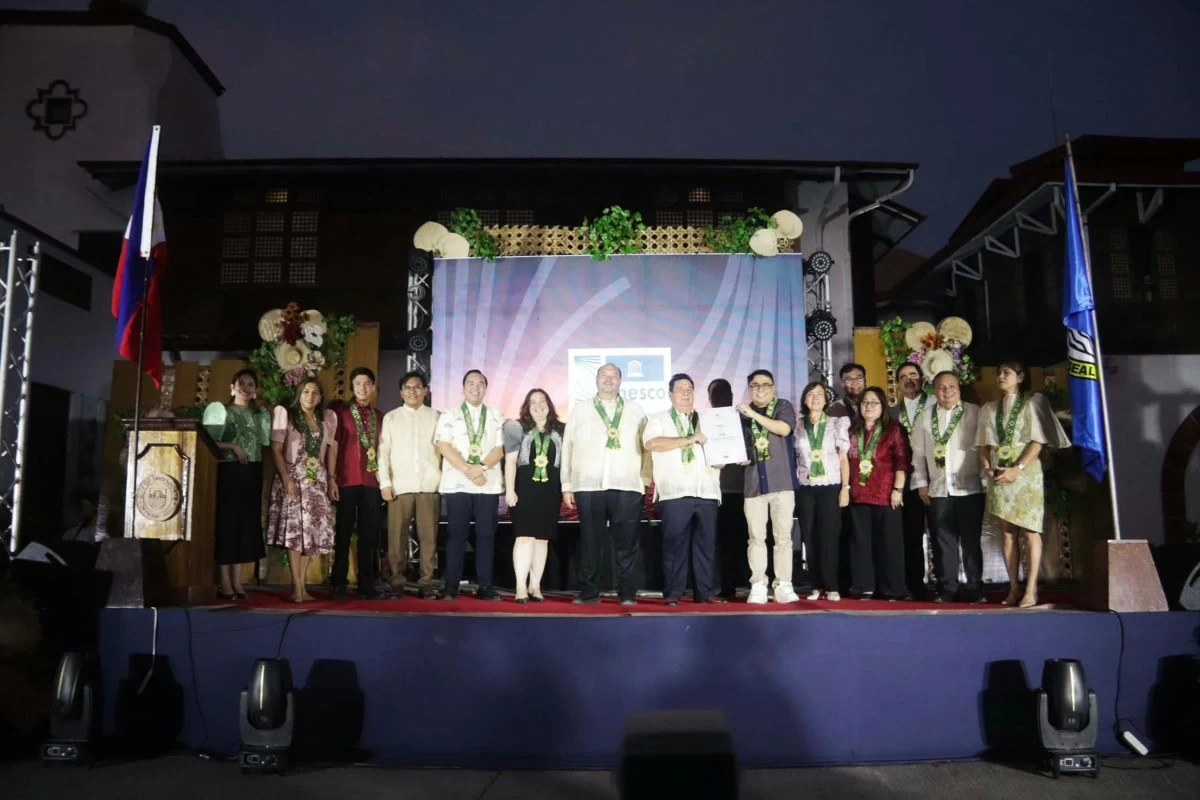
CREATIVE CITY OF LITERATURE - City Officials During the Giving of the Ceremonial Plaque. (Photo by Edgar Allan Zeta-Yap for UNACOM)
The aim is to go international by 2028, marking the Festival’s 5th anniversary. “We plan to invite other Cities of Literature,” Casocot said. “Jakarta, maybe Melbourne, maybe Heidelberg, our buddy city. And maybe we can tap embassies to help us get writers here.”
Book launch
The Festival also marked the launch of Casocot’s sixth fiction collection, The Last Days of Magic, which includes stories from the writer’s out of print book Heartbreak and Magic, plus five new stories. “My perfect readers are people who love speculative fiction,” Casocot said. “I'm mostly known as a domestic realist writer… so I just hope that people will appreciate my contribution to speculative fiction.”
He is currently editing an anthology of literary work about Dumaguete called The Gentle City Reimagined. “It contains historical recollections from Jose Rizal about Dumaguete, poetry, short stories and drama,” he said. “What surprised me… [was] there are so many writings about Dumaguete from all sorts of writers. This just kind of proves how we are a City of Literature.”