







Tinio's appeal: Bring back textbooks to solve literacy woes
Published Apr 21, 2026 11:25 am


At A Glance
- ACT Teachers Party-list Rep. Antonio Tinio has renewed his push for the education system to revert to learning via textbooks, saying the sheer lack of it has contributed to the "literacy crisis" in the country.
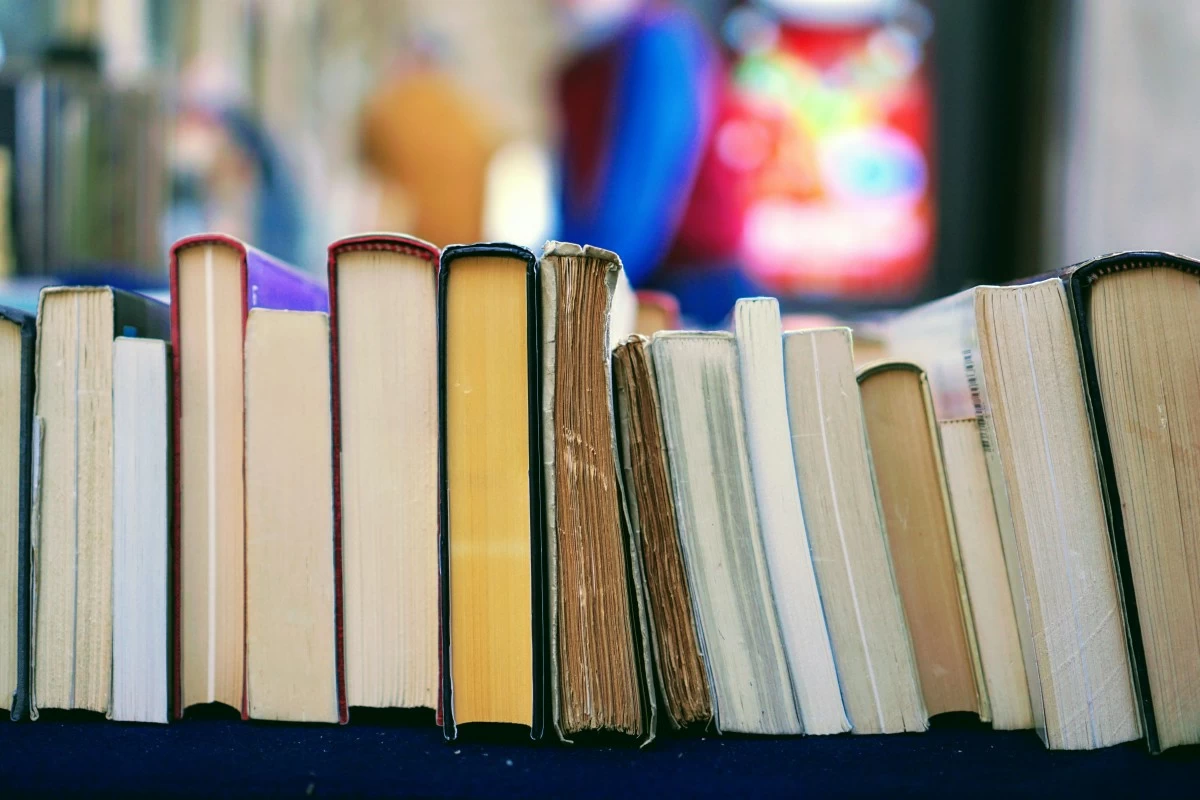
(Unsplash)
ACT Teachers Party-list Rep. Antonio Tinio has renewed his push for the education system to revert to learning via textbooks, saying the sheer lack of it has contributed to the "literacy crisis" in the country.
This, as the House deputy minority leader expressed concern over data from the Second Congressional Commission on Education (EDCOM 2) showing that the Department of Education (DepEd) procured only 27 textbook titles in a span of over a decade.
Tinio said the reason textbook procurement collapsed for years was that DepEd “largely turned away from using textbooks” after K-12, and shifted to modules and other learning materials.
But the Makabayan solon claimed this method often delivered inconsistently and sometimes used to teacher-made PowerPoint presentations.
“Since 2012 up to now, DepEd has not really moved away from that approach. The main reason only 27 textbook titles were procured in [10] years is because textbooks were no longer being used as the primary tool,” Tinio said.
“If we’re facing a literacy crisis—basic and functional literacy—one basic problem is that students no longer have actual books to read,” he said.
“EDCOM diagnoses it mainly as procurement bottlenecks, and DepEd now says they have ‘solved’ this and procured 105 titles in one school year. But the bigger concern is that this is not only a procurement issue—it is a pedagogical issue,” noted the militant solon.
Tinio contrasted the situation with private schools, which continued using textbooks even after K-12, while many public school learners have little more than photocopied modules.
“In private schools, textbooks remained central. In public schools, students often have no books to bring home, reread, and learn from,” Tinio said. “How can we build literacy without sustained exposure to books?”
In a recent House hearing, DepEd officials presented a procurement and delivery timeline by batch, and noted procurement for Grades 1, 4, and 7 in 2024; Grades 2, 3, 5, and 8 in 2025; and early procurement activity for Grades 6, 9, and 10 for 2026, with targets for delivery before or by the start of the school year.
DepEd says it recommends textbooks as the primary source of instruction, while acknowledging incomplete delivery in some grade levels and subjects. The agency also reported that 31 textbook titles have been procured.
Tinio says these admissions underscore the need not only to speed up procurement, but to decisively reverse the long-standing de facto policy of sidelining textbooks in the public system.
“DepEd must answer the question: why were textbooks abandoned for years as the primary basis of teaching and learning, and what concrete policy steps will ensure every learner actually has books—on time, complete, and used in class,” Tinio noted.
“Hindi sapat ang rekomendasyon kung wala namang librong dumarating. Dapat tiyakin ang kumpleto at maagap na delivery, at dapat gawing sentro ulit ng pagkatuto ang pagbabasa at paggamit ng aklat,” he further said.
(Recommendations are not enough if no books arrive. Complete and timely delivery must be ensured, and reading and the use of books must once again be placed at the center of learning.)