






Manila Bulletin
 Philippines
National
Solar push: DOST boosts renewable solutions for farmers, drivers
Philippines
National
Solar push: DOST boosts renewable solutions for farmers, drivers
Philippines
National
Solar push: DOST boosts renewable solutions for farmers, drivers
Solar push: DOST boosts renewable solutions for farmers, drivers
By Jel Santos
Published Apr 21, 2026 01:23 pm


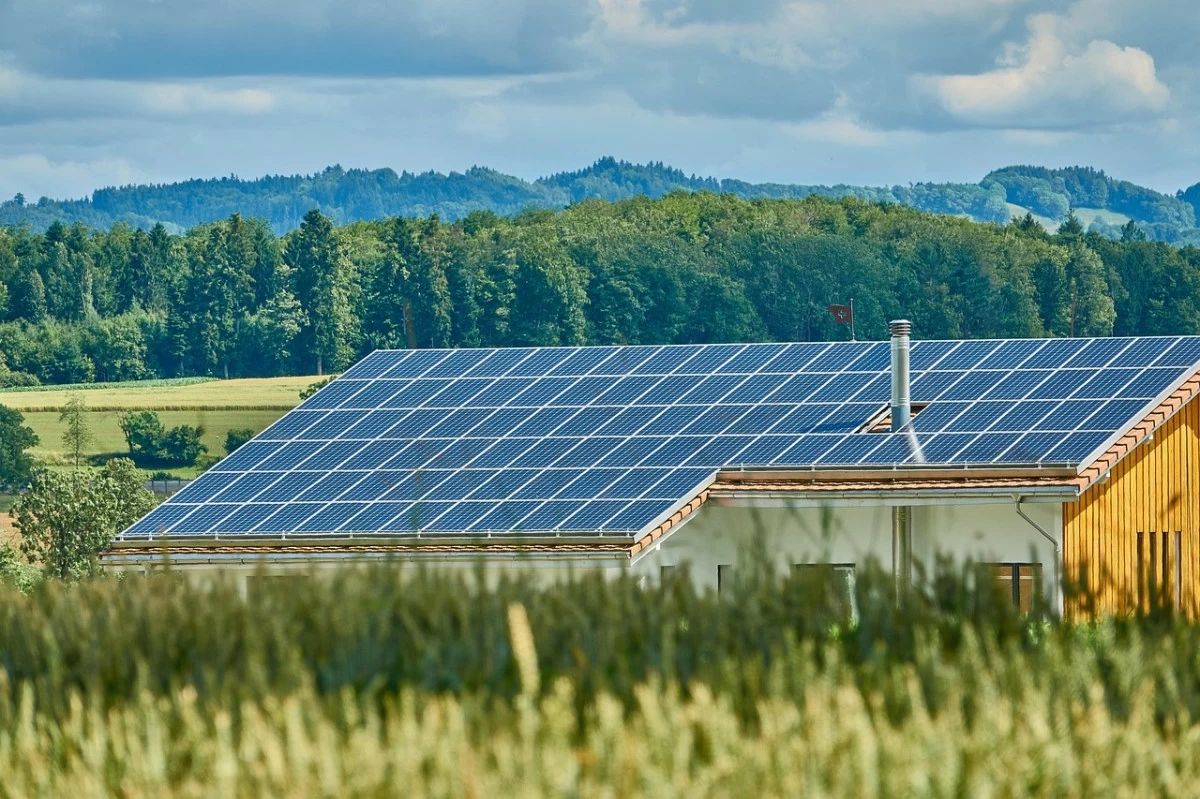
(PIXABAY PHOTO)
The Department of Science and Technology (DOST) said it is boosting initiatives to roll out solar-powered and renewable energy solutions for farmers and drivers following the adverse effects of the Middle East conflict on the supply and price of petroleum products in the country.
In the agriculture sector, DOST Secretary Renato Solidum Jr. said the agency is developing solar-powered irrigation systems, including the Mobile Solar Irrigation Trailer Unit, a portable pump that can be easily moved across farm fields.
He said the mobile solar pumps aim to support irrigation infrastructure being developed by the National Irrigation Administration (NIA) and the Department of Agriculture (DA).
The project received technical support and monitoring from DOST and its academe partner, Nueva Ecija University of Science and Technology, he added.
In 2025, DOST said 14 units were deployed to 14 farmer cooperatives in Central Luzon.
“Ito po ay solusyon na mas mura, siguro mga several hundreds of thousands lang compared sa millions at ito ay umaasa sa solar energy—ibig sabihin libre, walang gastos sa diesel, at movable (This is a more affordable solution, likely costing only several hundred thousand pesos compared to millions, and it relies on solar energy—meaning it is free, with no diesel costs, and is movable),” Solidum said during an interview with state-controlled PTV-4 on Monday, April 20.
He added that the solar panels have a long lifespan and that the unit can be transferred from one farm to another, allowing shared use among farmers.
“For example, iyong iba kahit walang traktora nagha-hire ng tractor, hihilahin lang iyong trailer unit papunta sa kanilang palayan o pananiman… walang gastos sa kuryente, walang gastos sa diesel (For example, some farmers who do not own tractors can hire one and simply pull the trailer unit to their fields… with no electricity or diesel costs),” he added.
Solidum said the DOST has also launched a mapping project to assess areas’ capacity to adopt solar energy solutions in irrigation, aquaculture, and smart agricultural practices, including systems that monitor factors affecting production such as water supply and fertilizer use.
“Sa kasalukuyan ang atin pong ginagawa ay use case. Gusto nating ipakita sa mga piling partner kung gaano kahalaga at gaano kaganda ang paggamit ng smart agriculture (At present, what we are doing is establishing use cases. We want to demonstrate to selected partners how valuable and beneficial smart agriculture is),” he said.
He added that the initiative is funded for the next three years across all regions, with agencies such as the DA and the Department of Agrarian Reform (DAR) expected to help scale up adoption and provide technical support.
Meanwhile, for the transportation sector, Solidum said the DOST continues to develop programs on electric vehicles and hybrid charging units, aiming to establish a solar-powered charging infrastructure to support the transition to electric mobility.
The DOST has ongoing programs with Cagayan State University and the University of the Philippines-Diliman to develop electric tricycles and charging systems.
The agency is also in talks with investors on converting traditional jeepneys into electric units, noting that research and development efforts on converting conventional buses to electric buses are already underway.
Solidum added that the agency is coordinating with local government units (LGUs) to establish more charging facilities as part of the broader push for smart and sustainable communities.
“Pagdating po dito, mga 124 na local government units na po ang nag-partner sa DOST… Ang focus po natin ay hindi lang mapabilis ang takbo ng mga sasakyan kundi maparami ang taong makapunta sa kanilang gustong puntahan nang mabilisan (So far, around 124 local government units have partnered with DOST… Our focus is not just to make vehicles faster but to enable more people to reach their destinations quickly),” he said.
He added that studies are also being conducted on improving transport systems and mobility efficiency.
“At kung gusto nilang mag-convert ng kanilang mga tricycle o jeepney ay matutulungan din po sila… walang gastos minsan kapag solar ang charging; walang ingay po kahit sa gabi (If they want to convert their tricycles or jeepneys, they can be assisted… there are times when charging is solar-powered with no cost; it is also quiet even at night),” he added.