ADVERTISEMENT

Pathologists—unseen but essential

Published Apr 21, 2026 12:05 am  |  Updated Apr 20, 2026 04:15 pm
UNDER THE MICROSCOPE
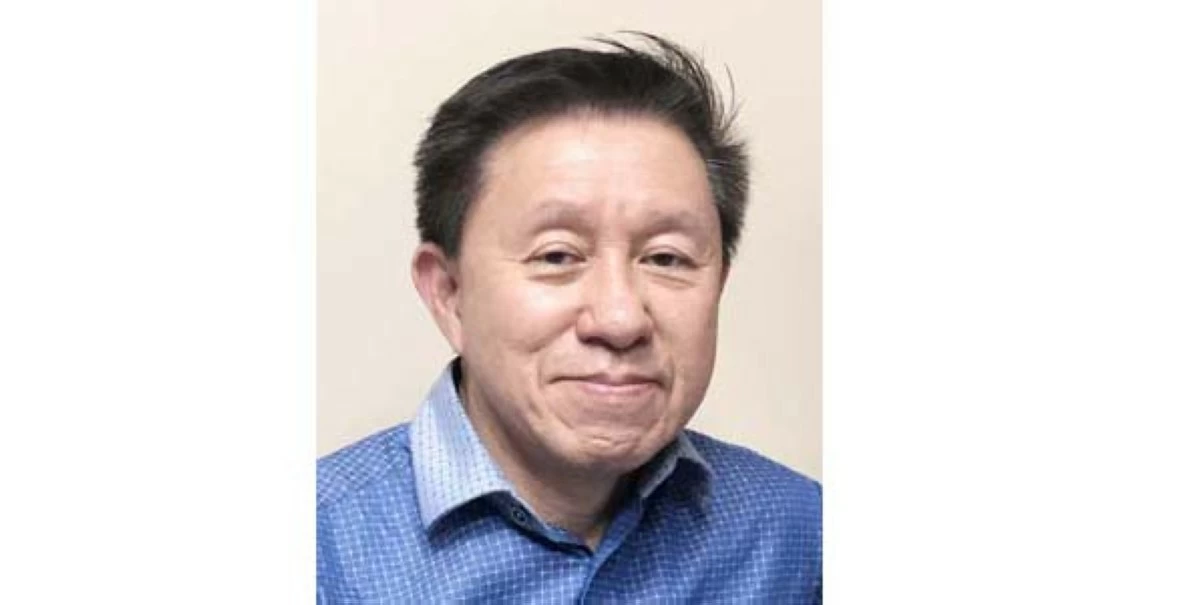
The Philippine Society of Pathologists Inc. just concluded its 75th Annual Convention at the Makati Shangrila Hotel. Being a member of its board of governors, I was busy with the planning and of course, attended the convention.
If you don’t know what a pathologist is, let me tell you. Every laboratory exam you ever had has to be vetted and approved by the pathologist of the lab. Even a simple urinalysis has to be signed by the pathologist which assures you of the accuracy of the test results. Ever had a biopsy? Or a frozen section? The pathologist is called on to read the tissue processed into a slide and render a diagnosis. Frozen sections can be scheduled at unholy hours and the pathologist is called on to rise early or stay late and wait for the surgeon to send the tissue for frozen section.
But you don’t see or hear from the pathologist, simply because he/she is an invisible team member of the cadre of doctors who care for patients. Yet, he/she is indispensable to patient care. Without laboratory results and/or histopathology (biopsy) reports, no clinician can make rational decisions on your care.
Unlike internists, surgeons, pediatricians, OB-GYNs etc., who studied for their own areas of specialization, pathologists are called upon to know almost the entire gamut of medical knowledge. This is so because they are sent samples, be it blood, stool, urine or body tissues, which can harbor all sorts of diseases. So, they necessarily have to be acquainted with the nuances of these disease entities.
Pathologists are the conscience of the medical profession. They are called on to discuss the laboratory/autopsy findings of a patient during medical audits and conferences. In spite of the rapid progress of medical imaging like CT scans, MRIs and other modern medical tools, there are instances where the diagnoses remain unclear.
Patients may die without a definite diagnosis and families are left with unanswered questions and doubts. In these cases, it is important to have an autopsy performed to reveal the real diseases and cause of death, and bring peace of mind to the patients’ families, as well as give them the opportunity to check their family members for similar diseases if inheritable.
I had an autopsy on a sudden death of a 35-year-old male who dropped dead during a basketball game. He had seemed healthy externally and was physically active before his demise. The finding of a heart attack showed there was a familial tendency to have elevated cholesterol levels that led to a heart attack during the game. The family was so grateful to have learned this and they were advised to consult internists to have themselves checked.
This shows the importance of autopsies, which can detect up to 25 percent of diseases missed by modern imaging and other advanced medical technology. It is not, as many claim, no longer relevant to the practice of medicine. If we are to advance medical knowledge, we need to have more autopsies, not less or none. Yet, many doctors are discouraging families from having autopsies done on their loved ones who die.
Part of the hesitancy in asking for autopsies is the fear of malpractice suits. Nothing can be further from the truth. Doctors are not infallible. We all have our limitations, and we may miss a few rather inscrutable disease conditions because the symptoms and tests do not reveal these disease entities. The more we discourage autopsies, the less we can help future generations of doctors and patients. It is a lose-lose situation for all. Autopsies reveal the limitations of modern medical technology, and this is essential in advancing medical technology to address what was missed.
Because of decreased number of autopsies, training of future pathologists in autopsies is now limited. There will come a time when pathologists are no longer skilled enough to do autopsies and that will be a real loss for the practice of medicine. Expertise in performing autopsies is gained by performing many cases. Without the experience and knowledge gained from doing autopsies, diagnostic skills will wither and eventually disappear.
Once that happens, there will be more cases of malpractice since there is less knowledge gained to prevent diagnostic errors. We will not have better patient care if doctors become more careless because they don’t have to worry about the consequences of their carelessness.
We are all human, doctors or not. We will make mistakes, but if these are mistakes caused by lack of insight that can be gained from autopsies, then it is inexcusable.
The pathologist is indeed essential to the practice of medicine, even if they are not visible to the patients and their families. But as the Little Prince (Antoine de Exupery) said, “What is essential is invisible to the eye.”

Related Tags

RAYMUNDO LO UNDER THE MICROSCOPE
ADVERTISEMENT
.most-popular .layout-ratio{ padding-bottom: 79.13%; } @media (min-width: 768px) and (max-width: 1024px) { .widget-title { font-size: 15px !important; } }

{{ articles_filter_1561_widget.title }}

.most-popular .layout-ratio{ padding-bottom: 79.13%; } @media (min-width: 768px) and (max-width: 1024px) { .widget-title { font-size: 15px !important; } }

{{ articles_filter_1562_widget.title }}

.most-popular .layout-ratio{ padding-bottom: 79.13%; } @media (min-width: 768px) and (max-width: 1024px) { .widget-title { font-size: 15px !important; } }

{{ articles_filter_1563_widget.title }}

{{ articles_filter_1564_widget.title }}

.mb-article-details { position: relative; } .mb-article-details .article-body-preview, .mb-article-details .article-body-summary{ font-size: 17px; line-height: 30px; font-family: "Libre Caslon Text", serif; color: #000; } .mb-article-details .article-body-preview iframe , .mb-article-details .article-body-summary iframe{ width: 100%; margin: auto; } .read-more-background { background: linear-gradient(180deg, color(display-p3 1.000 1.000 1.000 / 0) 13.75%, color(display-p3 1.000 1.000 1.000 / 0.8) 30.79%, color(display-p3 1.000 1.000 1.000) 72.5%); position: absolute; height: 200px; width: 100%; bottom: 0; display: flex; justify-content: center; align-items: center; padding: 0; } .read-more-background a{ color: #000; } .read-more-btn { padding: 17px 45px; font-family: Inter; font-weight: 700; font-size: 18px; line-height: 16px; text-align: center; vertical-align: middle; border: 1px solid black; background-color: white; } .hidden { display: none; }
function initializeAllSwipers() { // Get all hidden inputs with cms_article_id document.querySelectorAll('[id^="cms_article_id_"]').forEach(function (input) { const cmsArticleId = input.value; const articleSelector = '#article-' + cmsArticleId + ' .body_images'; const swiperElement = document.querySelector(articleSelector); if (swiperElement && !swiperElement.classList.contains('swiper-initialized')) { new Swiper(articleSelector, { loop: true, pagination: false, navigation: { nextEl: '#article-' + cmsArticleId + ' .swiper-button-next', prevEl: '#article-' + cmsArticleId + ' .swiper-button-prev', }, }); } }); } setTimeout(initializeAllSwipers, 3000); const intersectionObserver = new IntersectionObserver( (entries) => { entries.forEach((entry) => { if (entry.isIntersecting) { const newUrl = entry.target.getAttribute("data-url"); if (newUrl) { history.pushState(null, null, newUrl); let article = entry.target; // Extract metadata const author = article.querySelector('.author-section').textContent.replace('By', '').trim(); const section = article.querySelector('.section-info ').textContent.replace(' ', ' '); const title = article.querySelector('.article-title h1').textContent; // Parse URL for Chartbeat path format const parsedUrl = new URL(newUrl, window.location.origin); const cleanUrl = parsedUrl.host + parsedUrl.pathname; // Update Chartbeat configuration if (typeof window._sf_async_config !== 'undefined') { window._sf_async_config.path = cleanUrl; window._sf_async_config.sections = section; window._sf_async_config.authors = author; } // Track virtual page view with Chartbeat if (typeof pSUPERFLY !== 'undefined' && typeof pSUPERFLY.virtualPage === 'function') { try { pSUPERFLY.virtualPage({ path: cleanUrl, title: title, sections: section, authors: author }); } catch (error) { console.error('ping error', error); } } // Optional: Update document title if (title && title !== document.title) { document.title = title; } } } }); }, { threshold: 0.1 } ); function showArticleBody(button) { const article = button.closest("article"); const summary = article.querySelector(".article-body-summary"); const body = article.querySelector(".article-body-preview"); const readMoreSection = article.querySelector(".read-more-background"); // Hide summary and read-more section summary.style.display = "none"; readMoreSection.style.display = "none"; // Show the full article body body.classList.remove("hidden"); } document.addEventListener("DOMContentLoaded", () => { let loadCount = 0; // Track how many times articles are loaded const offset = [1, 2, 3, 4, 5, 6, 7, 8, 9, 10]; // Offset values const currentUrl = window.location.pathname.substring(1); let isLoading = false; // Prevent multiple calls if (!currentUrl) { console.log("Current URL is invalid."); return; } const sentinel = document.getElementById("load-more-sentinel"); if (!sentinel) { console.log("Sentinel element not found."); return; } function isSentinelVisible() { const rect = sentinel.getBoundingClientRect(); return ( rect.top < window.innerHeight && rect.bottom >= 0 ); } function onScroll() { if (isLoading) return; if (isSentinelVisible()) { if (loadCount >= offset.length) { console.log("Maximum load attempts reached."); window.removeEventListener("scroll", onScroll); return; } isLoading = true; const currentOffset = offset[loadCount]; window.loadMoreItems().then(() => { let article = document.querySelector('#widget_1690 > div:nth-last-of-type(2) article'); intersectionObserver.observe(article) loadCount++; }).catch(error => { console.error("Error loading more items:", error); }).finally(() => { isLoading = false; }); } } window.addEventListener("scroll", onScroll); });

Sign up by email to receive news.