






Manila Bulletin
 Philippines
National
Marcos convenes 4th UPLIFT meeting, but no word yet on diesel, gas excise tax
Philippines
National
Marcos convenes 4th UPLIFT meeting, but no word yet on diesel, gas excise tax
Philippines
National
Marcos convenes 4th UPLIFT meeting, but no word yet on diesel, gas excise tax
Marcos convenes 4th UPLIFT meeting, but no word yet on diesel, gas excise tax
Published Apr 21, 2026 05:37 pm


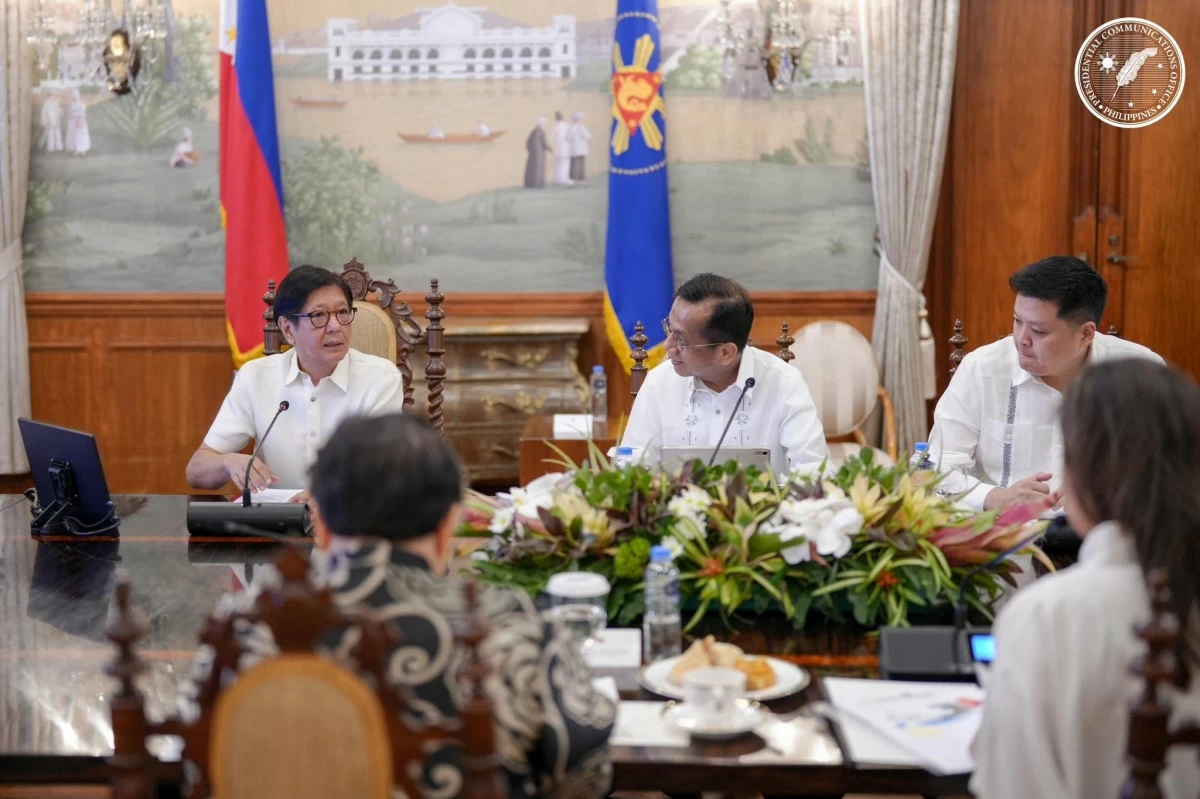
President Ferdinand R. Marcos Jr. convenes the UPLIFT Committee on April 21, 2026. (PCO)
President Marcos convened the fourth meeting of the UPLIFT Committee on Tuesday, April 21, but there is no word yet on the fate of the excise tax on diesel and gasoline.
Palace Press Officer and Communications Undersecretary Claire Castro said the matter was not discussed during the meeting.
"Hindi po napag-usapan kanina (It was not discussed earlier)," Castro said in a Palace briefing when asked if the suspension or reduction of the excise tax imposed on diesel and gasoline was brought up during the meeting.
Various interventions on the transport sector were, however, tackled during the meeting, according to Castro.
These include a 75-percent reduction of regulatory fees imposed by the Maritime Industry Authority (MARINA) on vessels, P1 terminal fees for roll-on/roll-off cargos carrying agricultural products, the suspension of toll fees for cargo trucks accredited by the Department of Agriculture (DA), and the suspension of pass-through and delivery fees for cargo vehicles transporting goods across Metro Manila.
According to Castro, the President expressed confidence that the current interventions undertaken by the government "remain active."
"Sa nasabing meeting, kampante ang Pangulo na ang kasalukuyang mga hakbang ng pamahalaan ay nananatiling aktibo at nagpapatuloy base sa pangangailangan ng taumbayan (During the said meeting, the President of the Philippines expressed confidence that the government’s current measures remain active and are continuing based on the needs of the people)," Castro said.
During the meeting, Marcos also directed the Department of Energy (DOE) to ensure a continuous fuel supply to prevent stagnation.
The Philippines has a 52-day average supply as of April 21, Castro said, adding that some 471,000 barrels of fuel were delivered to the country, with confirmed orders of one million barrels out of two million barrels.
The Palace official also reported that 86.8 percent of the 665 national government agencies are complying with the energy-saving measures ordered by Marcos in response to global economic shocks.
She added that 2,933 agencies and entities have adopted flexible work arrangements to reduce fuel and electricity use.
The UPLIFT Committee, chaired by Marcos, is the government's coordinated response to the energy emergency. It is tasked to formulate longer-term demand-side solutions and strategies to decrease petroleum product consumption across residential, commercial, industrial, and public utility sectors.
Take advantage of lower toll, port fees
Executive Secretary Ralph Recto urged national agencies and local governments to help truckers of farm produce take advantage of lower toll and port fees implemented by the government to cushion the impact of high oil prices on food.
“This begins with the speedy accreditation of farmers and traders who are qualified for the toll fee waiver,” Recto said.
“Unnecessary and unreasonable stopping and inspection of food trucks by police and LGU checkpoints should also stop because it delays travel and wastes fuel,” Recto said.
The month-long toll-free privilege on major expressways, which was facilitated by the Department of Transportation (DOTr) and its attached agency Toll Regulatory Board (TRB), took effect last Monday, April 20.
To expedite their delivery, Recto said vehicles carrying food and perishable goods as well as oil tankers have been exempted from the 6-9 morning and 4-8 evening truck ban in Metro Manila.
The Metropolitan Manila Development Authority (MMDA) and local government units also suspended pass-through and delivery fees for cargo vehicles transporting goods across Metro Manila.
Recto said if 3,000 trucks benefit from the free road toll under the Food Lane Program, their combined savings will be between P150 million to P165 million a month.