ADVERTISEMENT

Mapping the property sector in 2026

Published Apr 21, 2026 01:41 pm
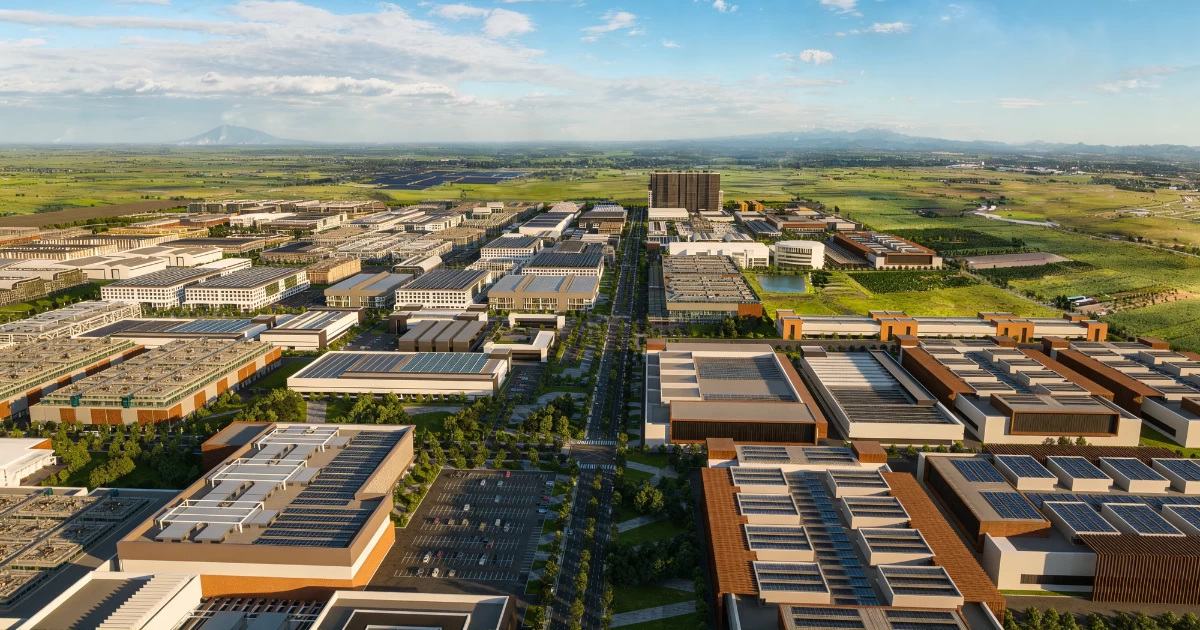
TARI Estates (Photos: Aboitiz Economic Estates)
Amid global volatility and local controversies, the Philippine real estate sector continues to show resilience, reinvention, and untapped potential. According to global real estate services firm Santos Knight Frank (SKF), as the real estate sector enters its next phase of growth—the long-term value creation is driven by emerging asset classes, progressive reforms, and the continued rise of regional markets.
“Manila is emerging as a competitive hub for AI- driven enterprises, and the evolving REIT framework is widening asset classes,” said Rick Santos, SKF chairman and CEO. “We’re also seeing growth decentralize, with major developments rising in Cebu, Pampanga, Davao, and New Clark City—signaling a more diverse economic trajectory.”
Based on the SKF Philippine Real Estate Outlook 2026, “developers are increasingly positioning new projects just outside Metro Manila as buyers seek more space, improved livability, and more accessible price points.” The report also noted that the shift toward major developments in horizontal communities and mid-rise residential formats, and the emergence of premium and high-end developments, citing Ayala Land Inc.’s Laurean Residences and Megaworld Corporation’s Uptown Modern, both with target completion for 2030.
Santos also underscored that the signing of the 99-year land lease marks a pivotal step in strengthening the Philippines’ investment landscape. By offering long-term security of tenure, the policy enhances the bankability of major developments, increases the country’s competitiveness for foreign capital, and unlocks opportunities for large-scale, long-gestation projects.
The landmark reform encourages deeper partnerships between local landowners and foreign investors, supports the growth of REITs, and boosts overall confidence, liquidity, and productivity across the real estate sector. The legal measure also aligns the Philippines with ASEAN peers that already offer extended lease terms, positioning the country more competitively for foreign direct investment.
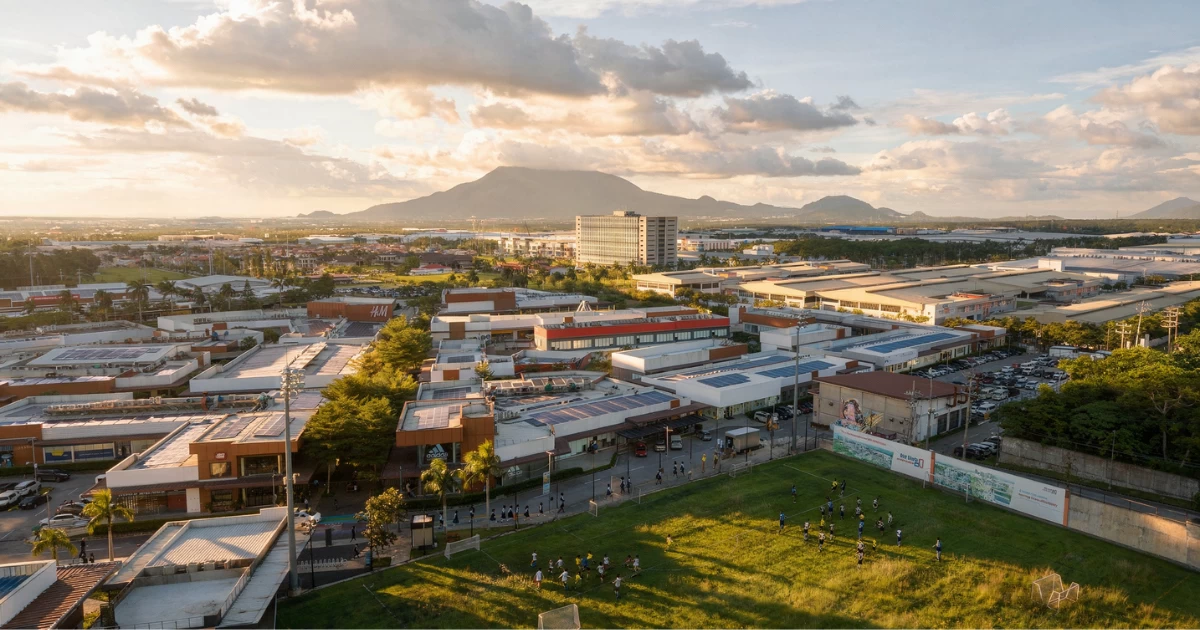
LIMA Estates (Photos: Aboitiz Economic Estates)
With long-term lease security in place, demand for land in strategic locations is poised to rise—driving land values upward, accelerating new developments, and reinforcing a positive trajectory for the Philippine real estate market in the years ahead.
The outlook report projected over 1.5 million sqm office spaces scheduled for completion until 2029—primarily in Quezon City, Taguig, and Ortigas, although moderated timelines are expected as developers adjust to tempered demand.
In the hotel pipeline, the upcoming launches include Canopy by Hilton Makati, the completion of Sofitel Cebu City, Mövenpick Manila Bay Westside, and the Mandarin Oriental Makati, all of which are expected to enhance the country’s luxury and upscale offerings. Moreover, investment in MICE infrastructure will continue to gain momentum, with major facilities such as SMX Seaside Cebu, Mactan Expo Center, and the Bohol International Convention Center, positioning the Philippines as a more competitive player in the regional meetings and events space.
In the industrial sector, Santos emphasized the shift from the traditional dry warehouse to specialized industrial facilities, such as data centers, cold storages, and smart manufacturing storage warehouses.
Most significant movement would be the expected location of more players in the data center sector in the country. “The Philippines currently hosts around 30 operational data centers, with at least 11 new facilities in the pipeline and several more planned across key hubs such as Metro Manila and Cavite. This surge reflects the growing requirements of cloud, hyperscale, and AI-driven operations,” mentioned Santos. “As BPOs integrate AI into service delivery, their reliance on secure, high- capacity data environments continues to deepen—linking office demand directly to the expansion of data centers. Together, these sectors are evolving in tandem, reinforcing the Philippines’ position as a competitive, future-ready outsourcing and digital infrastructure hub.”
The report also disclosed that that the country’s data center capacity could reach 1.5 gigawatts by 2028 as more local and foreign operators set up facilities, according to the Department of Information and Communications Technology.

Related Tags

Santos Knight Frank Rick Santos Ayala Land Inc. Megaworld Corporation
ADVERTISEMENT
.most-popular .layout-ratio{ padding-bottom: 79.13%; } @media (min-width: 768px) and (max-width: 1024px) { .widget-title { font-size: 15px !important; } }

{{ articles_filter_1561_widget.title }}

.most-popular .layout-ratio{ padding-bottom: 79.13%; } @media (min-width: 768px) and (max-width: 1024px) { .widget-title { font-size: 15px !important; } }

{{ articles_filter_1562_widget.title }}

.most-popular .layout-ratio{ padding-bottom: 79.13%; } @media (min-width: 768px) and (max-width: 1024px) { .widget-title { font-size: 15px !important; } }

{{ articles_filter_1563_widget.title }}

{{ articles_filter_1564_widget.title }}

.mb-article-details { position: relative; } .mb-article-details .article-body-preview, .mb-article-details .article-body-summary{ font-size: 17px; line-height: 30px; font-family: "Libre Caslon Text", serif; color: #000; } .mb-article-details .article-body-preview iframe , .mb-article-details .article-body-summary iframe{ width: 100%; margin: auto; } .read-more-background { background: linear-gradient(180deg, color(display-p3 1.000 1.000 1.000 / 0) 13.75%, color(display-p3 1.000 1.000 1.000 / 0.8) 30.79%, color(display-p3 1.000 1.000 1.000) 72.5%); position: absolute; height: 200px; width: 100%; bottom: 0; display: flex; justify-content: center; align-items: center; padding: 0; } .read-more-background a{ color: #000; } .read-more-btn { padding: 17px 45px; font-family: Inter; font-weight: 700; font-size: 18px; line-height: 16px; text-align: center; vertical-align: middle; border: 1px solid black; background-color: white; } .hidden { display: none; }
function initializeAllSwipers() { // Get all hidden inputs with cms_article_id document.querySelectorAll('[id^="cms_article_id_"]').forEach(function (input) { const cmsArticleId = input.value; const articleSelector = '#article-' + cmsArticleId + ' .body_images'; const swiperElement = document.querySelector(articleSelector); if (swiperElement && !swiperElement.classList.contains('swiper-initialized')) { new Swiper(articleSelector, { loop: true, pagination: false, navigation: { nextEl: '#article-' + cmsArticleId + ' .swiper-button-next', prevEl: '#article-' + cmsArticleId + ' .swiper-button-prev', }, }); } }); } setTimeout(initializeAllSwipers, 3000); const intersectionObserver = new IntersectionObserver( (entries) => { entries.forEach((entry) => { if (entry.isIntersecting) { const newUrl = entry.target.getAttribute("data-url"); if (newUrl) { history.pushState(null, null, newUrl); let article = entry.target; // Extract metadata const author = article.querySelector('.author-section').textContent.replace('By', '').trim(); const section = article.querySelector('.section-info ').textContent.replace(' ', ' '); const title = article.querySelector('.article-title h1').textContent; // Parse URL for Chartbeat path format const parsedUrl = new URL(newUrl, window.location.origin); const cleanUrl = parsedUrl.host + parsedUrl.pathname; // Update Chartbeat configuration if (typeof window._sf_async_config !== 'undefined') { window._sf_async_config.path = cleanUrl; window._sf_async_config.sections = section; window._sf_async_config.authors = author; } // Track virtual page view with Chartbeat if (typeof pSUPERFLY !== 'undefined' && typeof pSUPERFLY.virtualPage === 'function') { try { pSUPERFLY.virtualPage({ path: cleanUrl, title: title, sections: section, authors: author }); } catch (error) { console.error('ping error', error); } } // Optional: Update document title if (title && title !== document.title) { document.title = title; } } } }); }, { threshold: 0.1 } ); function showArticleBody(button) { const article = button.closest("article"); const summary = article.querySelector(".article-body-summary"); const body = article.querySelector(".article-body-preview"); const readMoreSection = article.querySelector(".read-more-background"); // Hide summary and read-more section summary.style.display = "none"; readMoreSection.style.display = "none"; // Show the full article body body.classList.remove("hidden"); } document.addEventListener("DOMContentLoaded", () => { let loadCount = 0; // Track how many times articles are loaded const offset = [1, 2, 3, 4, 5, 6, 7, 8, 9, 10]; // Offset values const currentUrl = window.location.pathname.substring(1); let isLoading = false; // Prevent multiple calls if (!currentUrl) { console.log("Current URL is invalid."); return; } const sentinel = document.getElementById("load-more-sentinel"); if (!sentinel) { console.log("Sentinel element not found."); return; } function isSentinelVisible() { const rect = sentinel.getBoundingClientRect(); return ( rect.top < window.innerHeight && rect.bottom >= 0 ); } function onScroll() { if (isLoading) return; if (isSentinelVisible()) { if (loadCount >= offset.length) { console.log("Maximum load attempts reached."); window.removeEventListener("scroll", onScroll); return; } isLoading = true; const currentOffset = offset[loadCount]; window.loadMoreItems().then(() => { let article = document.querySelector('#widget_1690 > div:nth-last-of-type(2) article'); intersectionObserver.observe(article) loadCount++; }).catch(error => { console.error("Error loading more items:", error); }).finally(() => { isLoading = false; }); } } window.addEventListener("scroll", onScroll); });

Sign up by email to receive news.