







'Kalinga' in a time of crisis: Getting priorities right
Published Apr 21, 2026 12:05 am
|
Updated Apr 20, 2026 04:08 pm


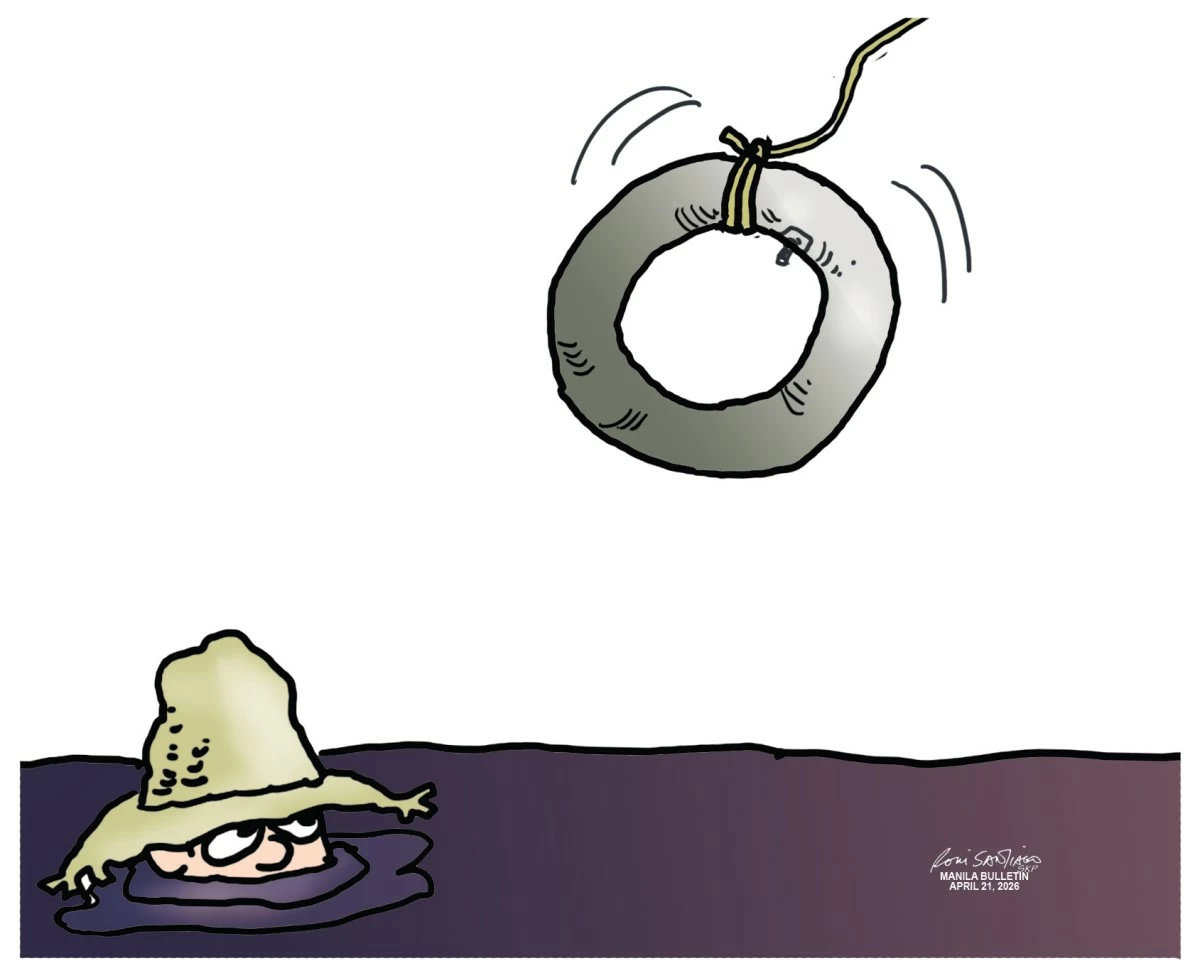
The proposed Kalinga Bill, now being shepherded in the House of Representatives by Speaker Faustino Dy III through the Legislative Energy Action and Development (LEAD) Council, comes at a time of extraordinary strain. The escalating US-Iran conflict has disrupted global oil flows, driven up prices, and heightened uncertainty across supply chains. For the Philippines—heavily reliant on imported fuel—the situation demands swift yet disciplined action.
The Kalinga Bill, positioned as an integrated legislative response, seeks to cushion the most vulnerable sectors while laying the groundwork for long-term energy security. Its ambition is commendable. But as with any omnibus measure crafted under crisis conditions, its effectiveness will depend on clarity of priorities, fiscal discipline, and institutional accountability.
At the top of the list should be targeted and time-bound relief. Assistance to public transport operators, fisherfolk, and farmers is both necessary and urgent. These sectors bear the brunt of fuel price spikes and have limited capacity to absorb shocks. However, Kalinga must avoid the pitfalls of past subsidy regimes. Aid should be digitally targeted, transparently administered, and subject to firm sunset provisions. Without these safeguards, relief risks morphing into fiscal leakage that would further exacerbate the country’s economic woes.
Second in priority is demand-side management, arguably the fastest and least costly lever available. Conservation measures, staggered work hours, remote work arrangements, and stricter energy-use standards across government offices can deliver immediate impact. The envisioned law should institutionalize measurable reduction targets and require compliance reporting. In times of crisis, managing demand is as critical as securing supply.
Third, the bill’s push for energy diversification and accelerated renewable energy deployment is essential but must be grounded in system readiness. Streamlining permits for solar, wind, and geothermal projects is welcome, as are incentives for private investment. Yet expansion must proceed in tandem with upgrades in grid infrastructure, storage capacity, and transmission reliability. Otherwise, gains in capacity may be offset by instability.
Fourth, the establishment of strategic petroleum reserves is a long-overdue reform. Buffer stocks can mitigate external shocks and provide a measure of price stability. But this initiative requires significant public investment and robust governance frameworks. Procurement transparency, storage integrity, and clear release mechanisms must be codified to ensure that reserves serve national—not political—interests.
Fifth, the proposed law’s provisions for industry support should emphasize sustainability over short-term relief. Transport groups, agricultural producers, and micro, small, and medium enterprises need access not only to subsidies but to concessional financing, tax relief, and technical assistance for energy efficiency upgrades. These measures will yield longer-lasting resilience.
Finally, the governance structure of the LEAD Council must itself be subject to rigorous oversight. While centralized coordination can accelerate decision-making, it also raises concerns about accountability. The bill should mandate regular reporting to Congress by accountable entities, define performance benchmarks, and provide for independent monitoring.
Kalinga — aptly named after the Filipino value of care — must ultimately balance compassion with discipline. The urgency of the moment should not excuse weak design or diffuse priorities. If properly calibrated, the bill can serve as a turning point toward genuine energy resilience. If not, it risks becoming another well-intentioned but costly response to crisis.
In navigating this turbulent period, the country must choose prudence over expediency. The proposed Kalinga law can rise to the occasion, but only if it gets its priorities right.