






 Business
Trade & Industry
Developers push overhaul of social housing rules amid rising costs, mounting losses
Business
Trade & Industry
Developers push overhaul of social housing rules amid rising costs, mounting losses
Developers push overhaul of social housing rules amid rising costs, mounting losses


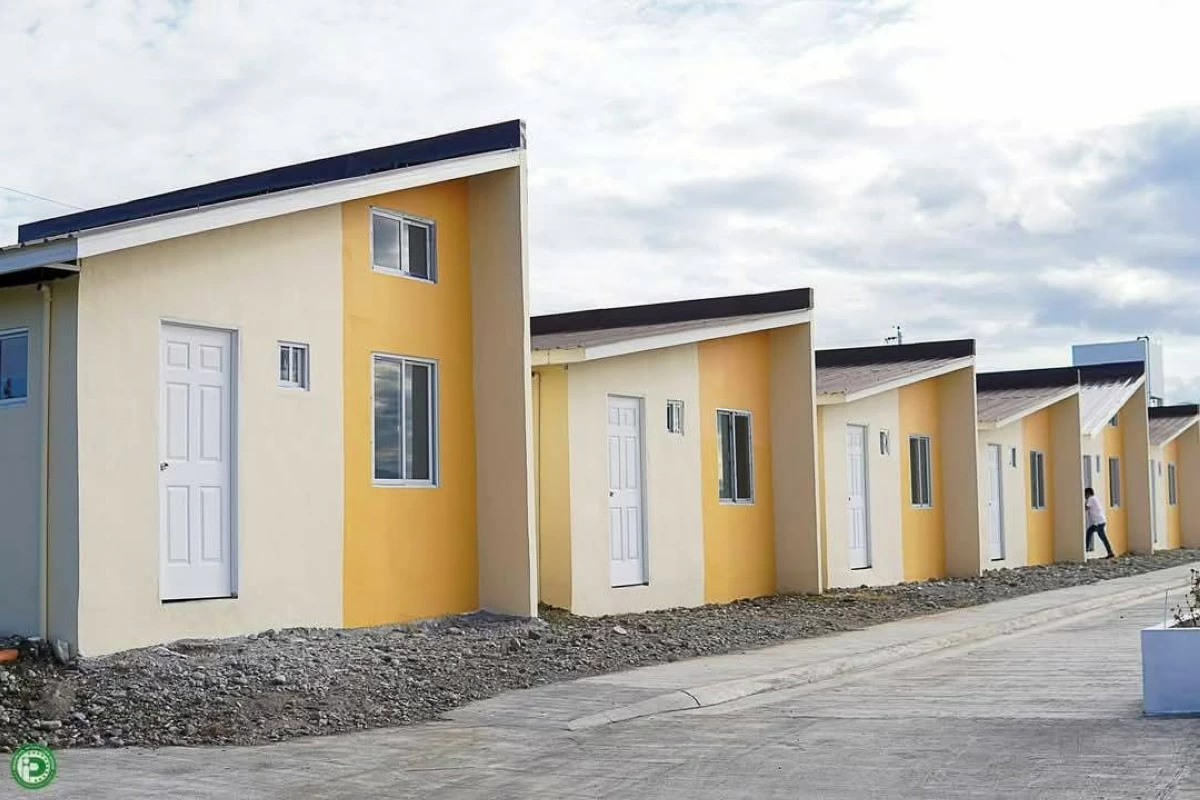
The Chamber of Real Estate & Builders’ Associations Inc. (CREBA) is calling for reforms to the government’s socialized housing framework, citing rising costs and structural inefficiencies that it said could undermine the sector.
In a statement on Monday, April 20, CREBA flagged the need to revisit the balanced housing development (BHD) program following a recent Gallup report that ranked the Philippines as the worst in terms of housing affordability.
The BHD requirement is a “social housing production quota” imposed on private developers under Republic Act (RA) No. 7279, or the Urban Development and Housing Act (UDHA), mandating them to build socialized housing equivalent to 15 percent of subdivision project costs or five percent of condominium project costs.
CREBA president Noel M. Cariño reiterated the industry group’s longstanding position on the policy, saying that “while we affirm our long-standing position that the social housing quota is constitutionally infirm, nonetheless, for as long as it remains in our statutes, we are committed to abide.”
Cariño urged the government to revisit the program’s implementation, warning that current rules may place undue burden on developers while failing to fully achieve their intended social objectives.
“However, we urge judiciousness in promulgating its implementing rules–to ensure those infirmities are not exacerbated, the social objectives are not warped, and businesses are insulated from oppressive requirements, arbitrariness and extortive or corrupt influences,” he added.
CREBA said developers have contributed substantial amounts to a Housing Escrow Fund for compliance since 2018, but these contributions are classified as non-recoverable, effectively translating into upfront losses for the sector.
Cariño said additional compliance requirements are further straining developers’ finances.
“Now, the department is requiring developers to cough up an additional 75 percent of the statutory requirement–in effect forcing them to incur unrecoverable losses of up to 15 percent of project cost,” he said, referring to the Department of Human Settlements and Urban Development (DHSUD).
The group warned that such costs, on top of taxes and other regulatory charges, could weigh heavily on the viability of housing projects if left unaddressed.
CREBA also raised concerns over governance and transparency issues surrounding the use of funds tied to BHD compliance, citing findings from the Commission on Audit (COA).
“COA also notes that ‘reports on the establishment of the fund contributions, their utilization and remaining balances are unreliable’–conditions that ‘exposed the funds to possible fraud.’”
The group said it supports ongoing efforts to curb corruption but noted inconsistencies between policy intentions and implementation.
“While the industry believes that DHSUD Secretary Jose Aliling is sincere in his avowed policy of ‘zero tolerance for corruption,’ however, the new rules contradict that policy,” CREBA said.