







Rising oil, rising resilience: How microfinance clients are adapting
Published Apr 20, 2026 12:05 am
|
Updated Apr 19, 2026 03:54 pm


FROM THE MARGINS
Last March 26 to 28, I visited Iloilo upon the invitation of Bente Productions for a cameo appearance in the film Kusinerang Bulag. While acting is far from my field, I was drawn to the project’s meaningful theme. The film captures the everyday life of a Filipino family amidst the breathtaking landscapes of Batanes and Iloilo, while featuring the richness of authentic local cuisines. It is about resilience and highlights the role of microfinance in the lives of microentrepreneurs.
My visit came at a critical time for the country. Following the government’s declaration of a national energy emergency amid escalating tensions in the Middle East, global oil prices have surged, driving up fuel, transport, and food costs across the Philippines. What may appear as distant geopolitical developments is now being felt in very concrete ways by ordinary Filipinos.
My scene was scheduled for the afternoon of March 27, leaving the morning free to visit a microfinance center in Pavia, Iloilo. These visits are invaluable – allowing me to engage with clients and observe firsthand how broader economic shocks affect their everyday realities.
I attended the meeting of Balud Center 1, led by Center Chief Evelyn Ambahan, with Silvia Latoza as secretary. It was lively and well-attended, with over 30 members present. The center has 83 members — mostly women – with 61 with active loans and 18 savers.
Established in 2009, Balud Center 1 has sustained strong financial discipline. Its current outstanding loan portfolio is at P716,495.75, with a remarkable reported repayment rate of 99.9 percent. At a time when rising fuel costs are straining household budgets, this level of repayment underscores the members’ commitment to meeting their obligations despite mounting pressures.
Members’ livelihoods are largely microenterprise-based. Many operate sari-sari stores, while others engage in food vending, selling snacks like puto and kakanin. Some have ventured into online selling, marketing bags and clothing through social media. Others trade frozen goods or sell fruits and vegetables. Eight members are currently working as Overseas Filipino Workers (OFWs) in the Middle East – ironically, in the same region at the center of the crisis – and often invest in small businesses such as piggeries when they return home.
Despite rising inflation, the center remains strong. Members are active and continue to access loans to sustain and expand their livelihoods. In fact, the current situation has pushed some to diversify income sources, adding food vending or online selling to offset higher transport and supply costs.
The Unit Manager, Alfie Castillo, shared that city-adjacent communities feel the impact of fuel price increases more sharply, especially households dependent on transport-based incomes like tricycle and jeepney driving. As fuel prices rise, daily earnings become less predictable. This reflects a broader national pattern, where transport workers are among the first to feel the impact of oil price shocks.
To cope, families adopt practical strategies. Many tighten household budgets, prioritizing essential expenses. Others seek temporary support from relatives or explore alternative livelihoods. Some members also maximize their savings, using them to purchase goods for resale — turning limited resources into income-generating opportunities.
Still, Alfie expressed confidence in the members’ resilience. Over time, he has seen how they respond to crises – whether economic downturns, natural disasters, or now a fuel-driven inflation surge – with determination and creativity. With continued access to credit and savings services, he said members are able to gradually stabilize their livelihood.
The Center Chief expressed gratitude for the MFI’s scholarship program, which enabled her son to become a seaman – an opportunity once beyond their reach. She also noted that their OFW members maintain strong ties with the center, continuing to invest in local enterprises. These investments now serve as important buffers for families navigating rising costs at home.
On the oil crisis, she acknowledged that higher fuel prices have inevitably increased transportation and goods costs. Yet she emphasized that most members remain productive and financially disciplined. While some households – particularly those dependent on jeepney income – are feeling the strain more acutely, the overall impact on the center has been manageable. Members continue to adjust by budgeting carefully, supporting one another, and diversifying income streams.
Their response reflects a defining trait of microfinance clients: in the face of economic shocks, they do not give up – they adapt, innovate, and persevere.
My visit to Balud Center 1 reaffirmed that the strength of microfinance lies not only in financial services but in building resilient communities. At a time when global conflicts fuel local hardships, the determination of these women entrepreneurs is a powerful reminder: even amid rising oil prices and economic uncertainty, resilience endures. With discipline, solidarity, and the right support, even the most vulnerable sectors can face crises with courage and hope.
* * *
“Our generation has the ability and the responsibility to make our ever-more connected world a more hopeful, stable and peaceful place.” – Natalie Portman
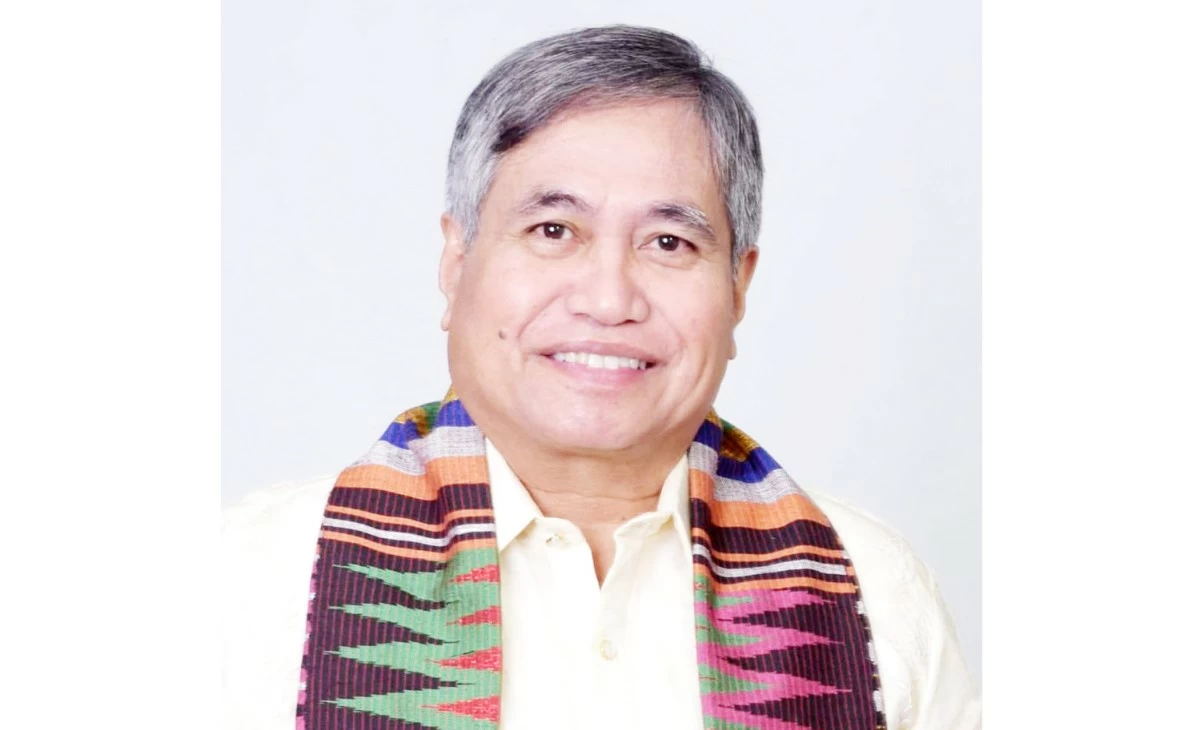
(Dr. Jaime Aristotle B. Alip is a poverty eradication advocate. He is the founder of the Center for Agriculture and Rural Development Mutually-Reinforcing Institutions (CARD MRI), a group of 23 organizations that provide social development services to 8 million economically-disadvantaged Filipinos and insure more than 27 million nationwide.)