







PH, Japan mark 70 years through fashion
Published Apr 20, 2026 01:21 pm


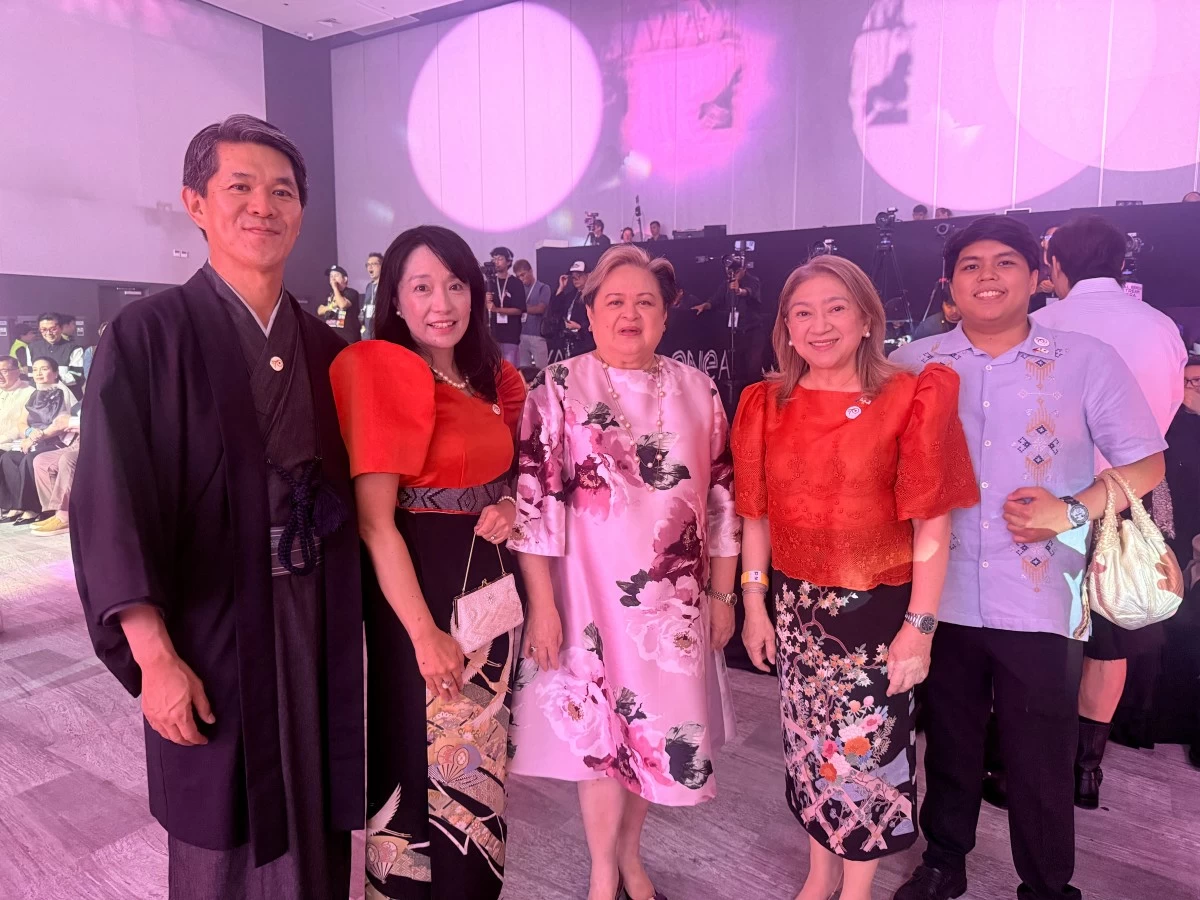
Japanese Ambassador to the Philippines Kazuya Endo, Mme. Akiko Endo, Foreign Affairs Secertary Ma. Theresa Lazaro, PH Ambassador to Japan Mylene Garcia-Albano, and Rafael Albano
Continuing the year-long celebrations of 70 years of diplomatic relations between the Philippines and Japan, the two countries marked the milestone in a different register—through a fashion show that interpreted their shared history in design.
In partnership with the Embassy of Japan and the Japan Foundation, Filipino fashion retailer Bench staged a special show that translated seven decades of Philippines–Japan relations into fabric, form, and narrative, presented on the second day of Bench Fashion Week on April 18.
The presentation brought together key figures from both countries, including Foreign Affairs Secretary Ma. Theresa Lazaro, Philippine Ambassador to Japan Mylene Garcia-Albano, and Japanese Ambassador to the Philippines Kazuya Endo, alongside members of the diplomatic corps and Bench executives led by founder Ben Chan.
The show approached the Philippines and Japan through their shared geography as island nations, tracing how movement, trade, and exchange have shaped both cultures.
Designers Rhett Eala, Jaggy Glarino, and Joey Samson each approached the theme from distinct vantage points—drawing from memory, migration, and imagined encounters between Filipino and Japanese identities.
“This project began simply,” he said, recalling an earlier meeting with Endo. “What stayed with me was not just what we talked about, but how we spoke to each other—with warmth, with openness, and a sense of affinity for both cultures.” That exchange set the tone for the show, which he described as “something grounded in a shared appreciation of each other’s culture… not by formality, but by friendship.”
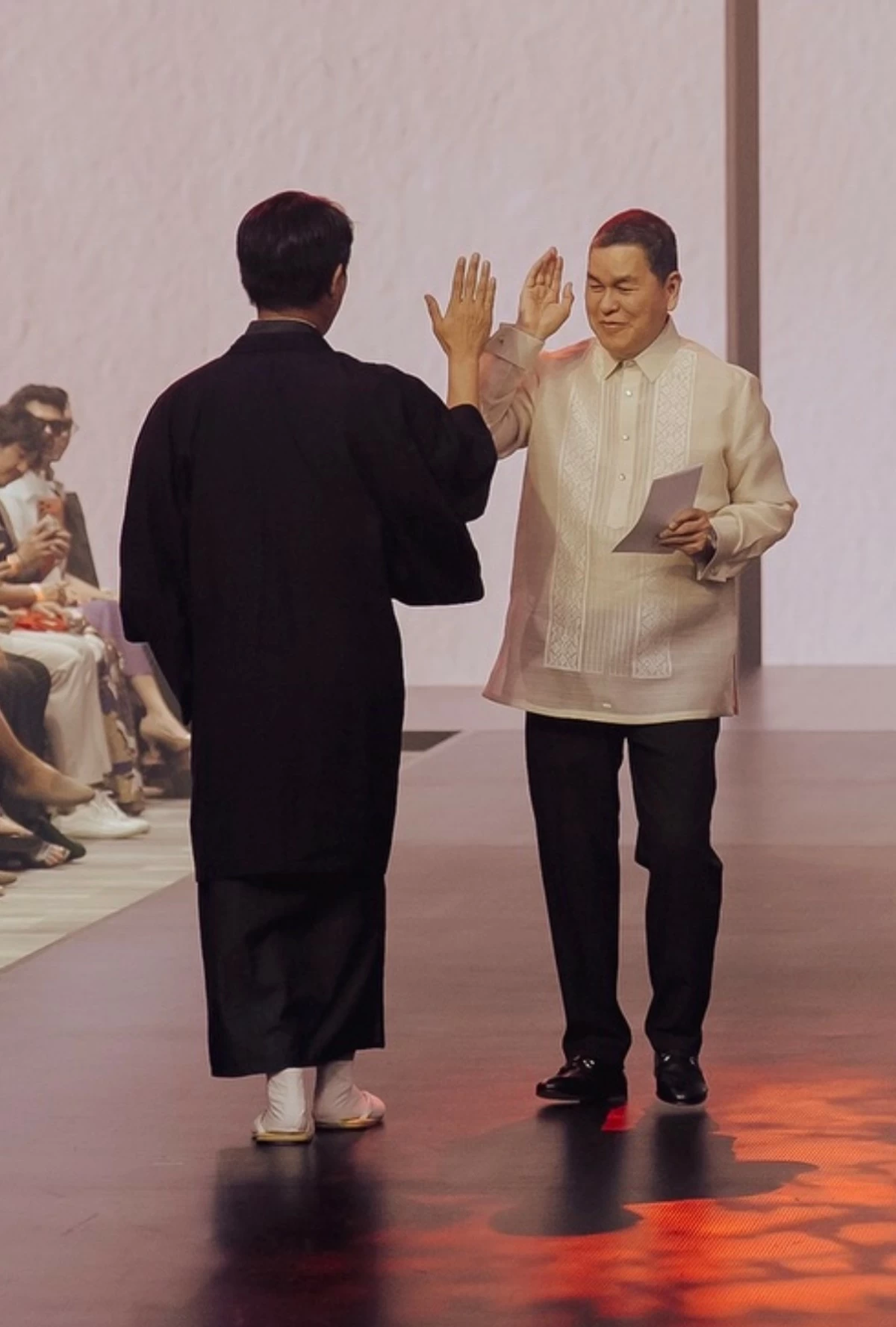
Japan's Ambassador to the Philippines, Kazuya Endo, share a high-five with Filipino businessman Ben Chan..jpg
Together, the pieces framed fashion as a form of storytelling—one that allows cultures to meet without the need for translations. Endo underscored this idea in his remarks, describing the show as reflective of a broader relationship shaped over time.
“Just as fashion weaves threads into beautiful designs, our two nations have woven a strong bond of trust, cooperation, and mutual respect,” he said. He added that fashion, beyond aesthetics, carries deeper meaning. “It is a powerful medium of expression and identity. It reflects our history, our values, and our aspirations,” Endo noted, pointing to both the Filipino barong and Japanese kimono as symbols of cultural pride.
The evening’s symbolism extended beyond the runway. It coincided with the 70th anniversary of diplomatic relations between the Philippines and Japan—one of the country’s most significant partnerships in Asia, spanning trade, development cooperation, and cultural exchange.
Fashion has also become part of that exchange. Through Bench, Filipino designers have been brought to Rakuten Tokyo Fashion Week, showcasing emerging talent through the Bench Design Awards. In collaboration with the Japan Fashion Week Organization, the initiative has placed modern Filipino aesthetics and cultural heritage on an international runway. In 2023, the program also brought Ternocon to Tokyo.
For Garcia-Albano, the show offered a more immediate and personal reflection of that connection.
She described the collections as “deeply impressive in how they captured the spirit of both cultures,” adding that she hopes initiatives like this continue to “bring Filipinos and Japanese people closer together through shared creativity and appreciation.”