







Haze continues to plague Cebu
Published Apr 20, 2026 06:45 pm


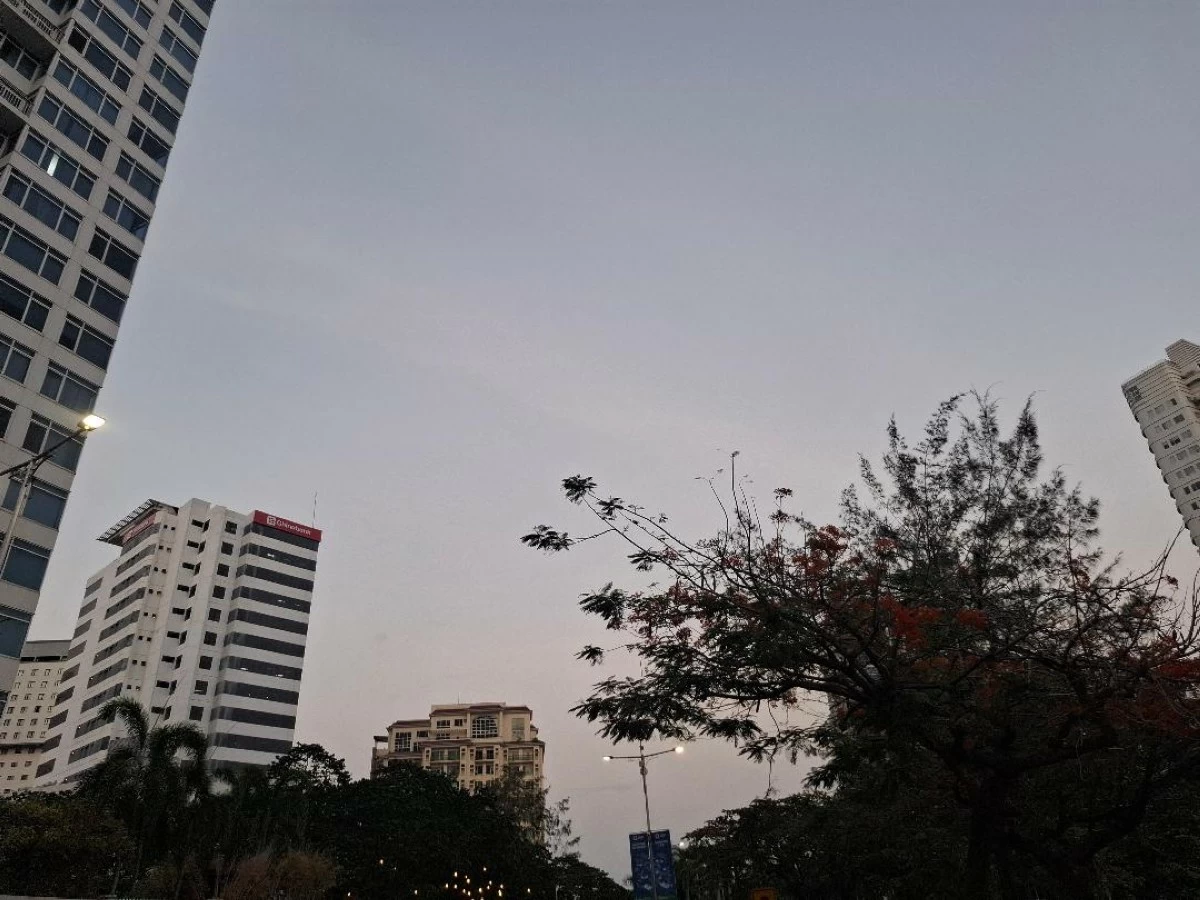
HAZE continues to blanket Metro Cebu on Monday, April 20. (Calvin Cordova)
CEBU CITY – Authorities intensified their call for precautionary measures as haze continues to envelop Metro Cebu.
The Environmental Management Bureau (EMB) of the Department of Environment and Natural Resources-Central Visayas (DENR-7) reported that its Talisay City monitoring station recorded a "worrying spike" in fine particular matter (PM) 2.5. since April 17.
The bureau said that while the Air Quality Index (AQI) showed a slight improvement — dropping from 199 on Sunday, April 19, to 177 as of 8 a.m. on Monday, April 20 — the situation remains critical.
"Even with this decrease, the air quality is still classified as " ???????????????? ????????????????????????????????????"," the bureau said in an advisory.
On the other hand, AQI in Toledo City Station reveal air quality classified as “????????????????.”
The bureau pointed that although the numbers are trending downward, the current PM2.5 levels continue to pose significant health risks.
Due to the persistent haze, the bureau issued some reminders such as staying indoors and keeping all windows and doors closed.
"Use air-conditioning on ‘recirculate’ mode if possible to prevent outside air from entering," the bureau said.
The public was also reminded to avoid outdoor activities such jogging, outdoor sports, or strenuous physical labor.
"PM 2.5 pertains to particulates small enough to go into your lungs if inhaled, thus, the more you breathe, the more harmful it will be for your health," the agency added.
If going outdoors cannot be avoided, wearing of well-fitted ???????????? ???????? ???????????????? ???????????????? is recommended.
The public was also reminded to seek medical attention immediately if experiencing chest pain, difficulty breathing, or severe wheezing
The bureau attributed the persistent haze to several factors.
It said that in very hot weather, high-pressure systems often lead to stagnant air. Without strong winds or rain to "wash" the atmosphere, pollutants from vehicles and industry don't disperse; they hover over the city, creating the hazy conditions.
Zero dispersion may also be the reason as a total lack of wind means that smoke, vehicle emissions, and dust are not being blown away, causing it to accumulate directly in the air.
Localized emissions from vehicles and road dust as well as grass fires could also be the culprit.