ADVERTISEMENT

From smarter rides to seamless travels, Grab positions itself as the ultimate everyday guide

It unveils new AI features, bringing everything you need into one superapp

Published Apr 20, 2026 10:54 am
Whether you’re spending time alone or hanging out with your friends, Grab’s newly announced AI-powered features will let you live more easily and smartly. Because in all honesty, modern life isn’t just busy, it’s layered. One minute you’re booking a ride, the next you’re deciding where to eat, coordinating plans, or figuring out travel details on the fly. It’s a rhythm that’s only enjoyable when everything flows.

Grab CEO Anthony Tan (Photo: Grab)
At Grab X 2026, held in Jakarta, Indonesia, on April 8, Manila Bulletin Lifestyle got a preview of Grab’s 13 AI-powered experiences designed to transform its platform into an “intelligent everyday guide.” They remove the friction from daily decisions so people can stay present in the moment. As Grab CEO Anthony Tan shared during the event, “For 14 years, you’ve known Grab as the app that gets you from A to B, or that brings you the meal you’re craving right to your doorstep. Today, the Grab super app gets an upgrade. We’re moving beyond facilitating transactions and adding new product features that make us your ‘Intelligent, Everyday Guide.’”
While there are 13 new products and services in total, a few standout features feel especially tailored for everyday lifestyles—for those moments that move from spur-of-the-moment plans to well-earned downtime.
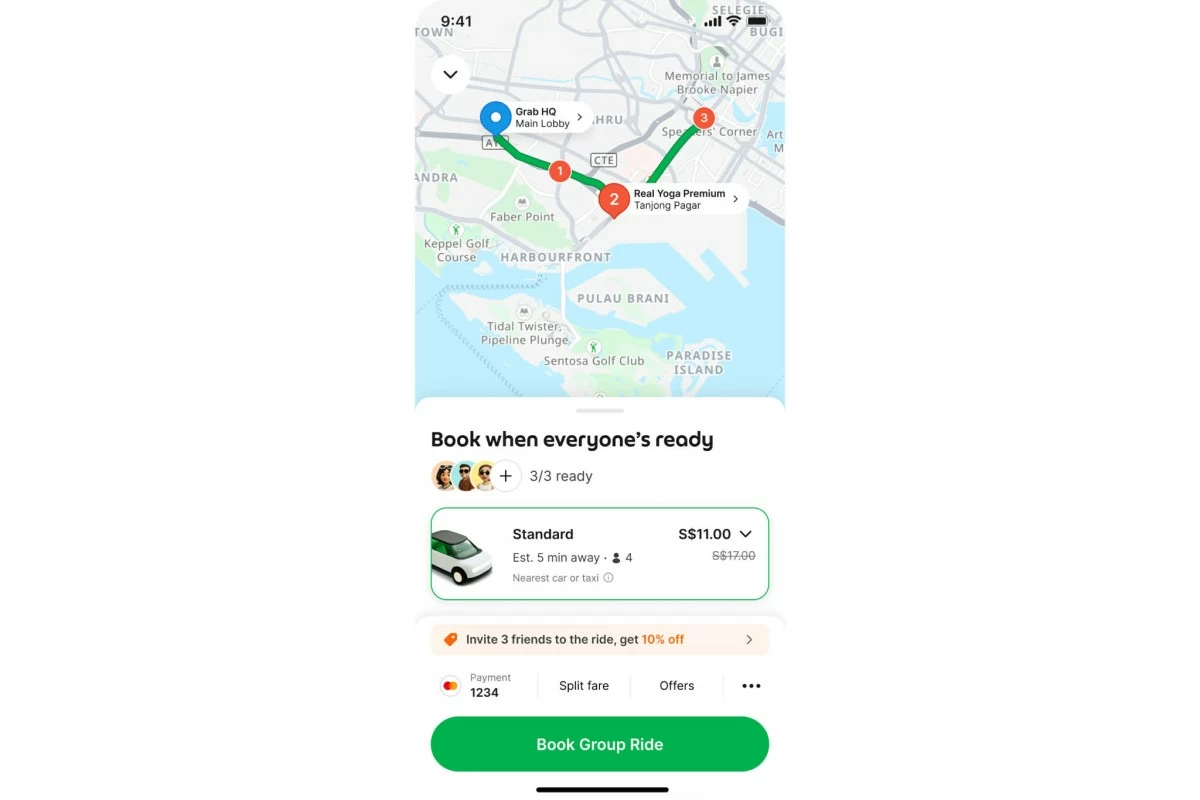
Group Ride (Photo: Grab)
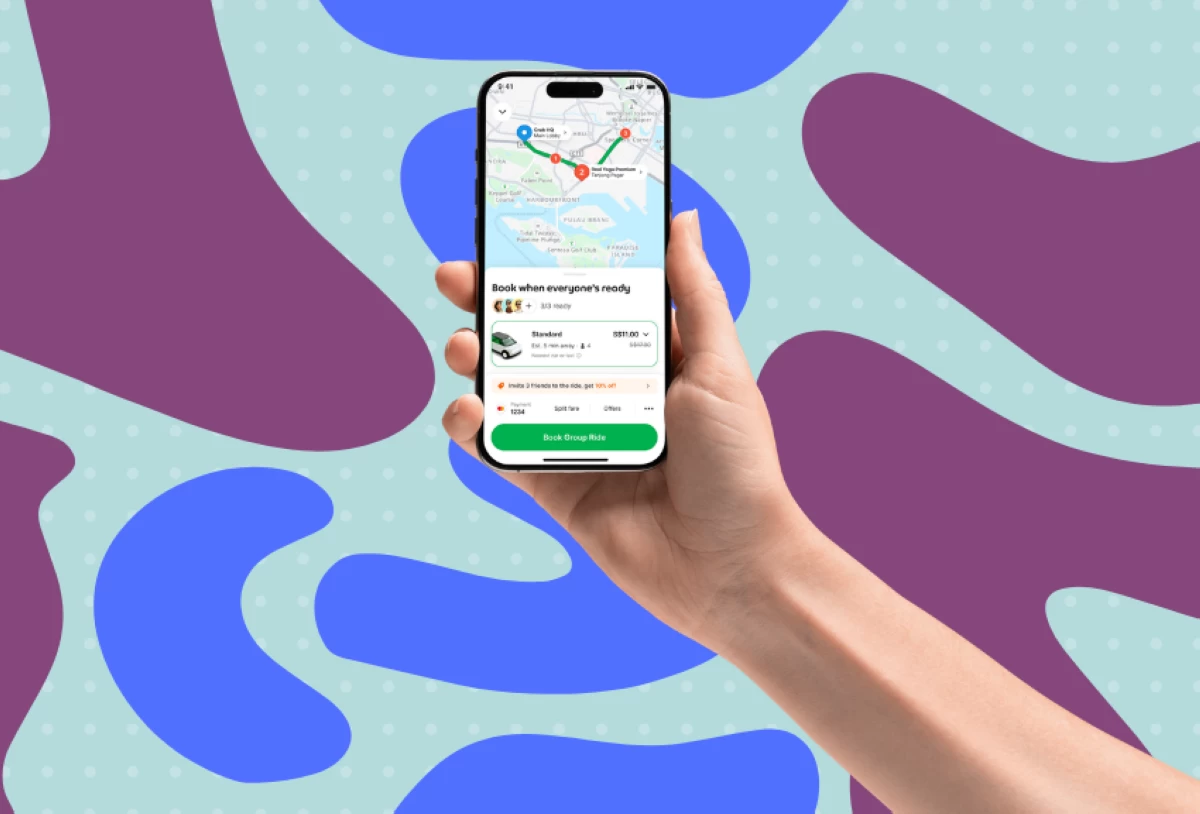
For social plans, Group Ride makes spontaneous meetups feel seamless. You and your friends can share a ride, even with different pickup points or destinations, while saving up to 40 percent compared to riding solo. Pair that with Grab More, which lets you order from multiple restaurants in one delivery without extra fees, and suddenly group decisions feel less like a compromise and more like a choice.
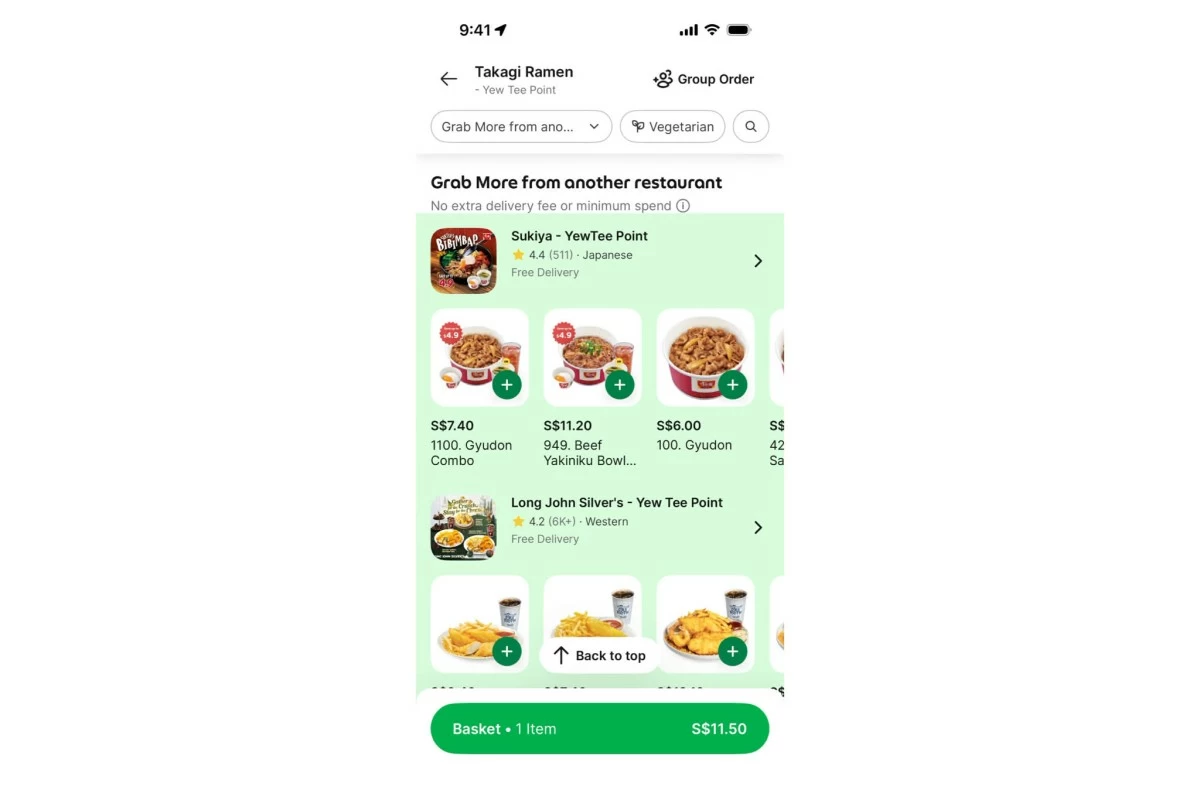
Grab More (Photo: Grab)
Planning becomes part of the ease with the Grab AI Assistant, which works like the most organized friend in your circle—handling party food orders, factoring in preferences and dietary restrictions, and turning scattered ideas into a cohesive plan in one smooth conversation.
Then there’s Grab Maps for Consumers, which reimagines navigation as something more intuitive. Beyond directions, it helps you decide when to leave, where to park, and how to move through spaces like malls or airports without the usual guesswork, saving both time and energy.
For the more practical side of life, Grab introduces tools that blend seamlessly into your routine. Cash Loan offers accessible, AI-powered credit for those who need flexibility, while travel-focused features, like Personalized Travel Experience and Grab Pay for Travel, simplify everything from flight reminders and gate updates to QR payments abroad. These are set to roll out in the Philippines in the third quarter, making travel feel less like logistics and more like part of the experience.
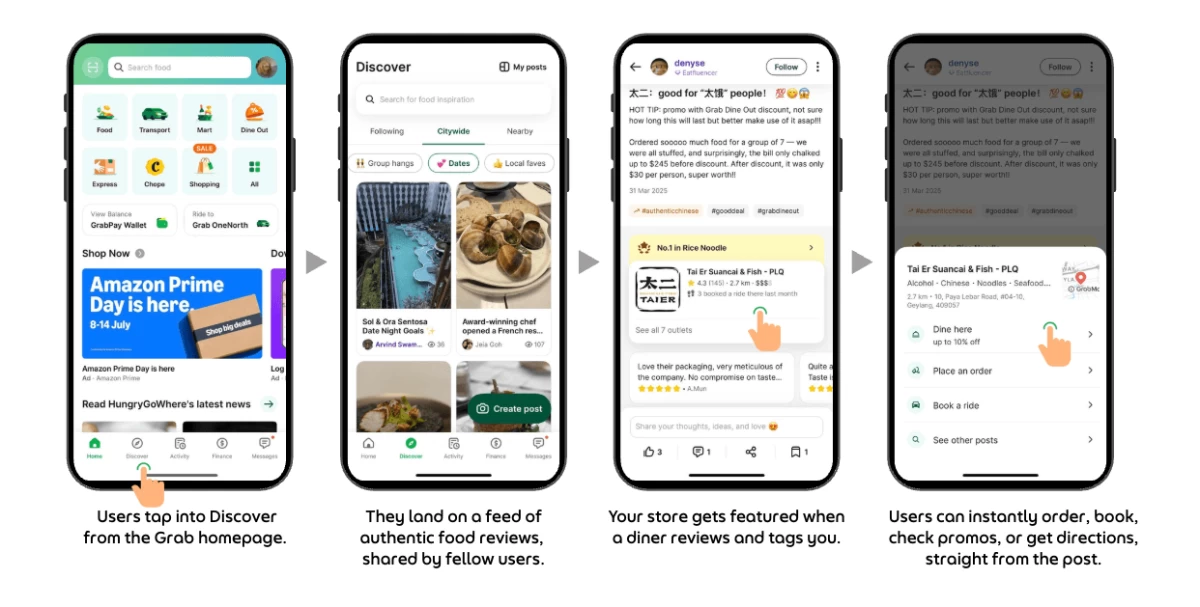
Discover by Grab (Photo: Grab)
Rounding it out is Discover by Grab, a feature that leans into real, community-driven recommendations, letting you discover new spots, book a table, order food, or get a ride there without ever breaking your flow or shuffling from one app to another.

Grab’s chief product officer Philipp Kandal (Photo: Grab)
Taken together, these updates don’t just add convenience; they refine it. By bringing everything into one ecosystem, Grab makes everyday living feel lighter, more intuitive, and far more enjoyable. Or as Grab’s chief product officer Philipp Kandal puts it, “We want the Grab app to be the ‘Everyday Guide’ that handles the manual tasks, so you can focus on your day.”
Because when things just work, you get to focus on what really matters: living.

Related Tags

travel Grab Philippines Grab Grab X
ADVERTISEMENT
.most-popular .layout-ratio{ padding-bottom: 79.13%; } @media (min-width: 768px) and (max-width: 1024px) { .widget-title { font-size: 15px !important; } }

{{ articles_filter_1561_widget.title }}

.most-popular .layout-ratio{ padding-bottom: 79.13%; } @media (min-width: 768px) and (max-width: 1024px) { .widget-title { font-size: 15px !important; } }

{{ articles_filter_1562_widget.title }}

.most-popular .layout-ratio{ padding-bottom: 79.13%; } @media (min-width: 768px) and (max-width: 1024px) { .widget-title { font-size: 15px !important; } }

{{ articles_filter_1563_widget.title }}

{{ articles_filter_1564_widget.title }}

.mb-article-details { position: relative; } .mb-article-details .article-body-preview, .mb-article-details .article-body-summary{ font-size: 17px; line-height: 30px; font-family: "Libre Caslon Text", serif; color: #000; } .mb-article-details .article-body-preview iframe , .mb-article-details .article-body-summary iframe{ width: 100%; margin: auto; } .read-more-background { background: linear-gradient(180deg, color(display-p3 1.000 1.000 1.000 / 0) 13.75%, color(display-p3 1.000 1.000 1.000 / 0.8) 30.79%, color(display-p3 1.000 1.000 1.000) 72.5%); position: absolute; height: 200px; width: 100%; bottom: 0; display: flex; justify-content: center; align-items: center; padding: 0; } .read-more-background a{ color: #000; } .read-more-btn { padding: 17px 45px; font-family: Inter; font-weight: 700; font-size: 18px; line-height: 16px; text-align: center; vertical-align: middle; border: 1px solid black; background-color: white; } .hidden { display: none; }
function initializeAllSwipers() { // Get all hidden inputs with cms_article_id document.querySelectorAll('[id^="cms_article_id_"]').forEach(function (input) { const cmsArticleId = input.value; const articleSelector = '#article-' + cmsArticleId + ' .body_images'; const swiperElement = document.querySelector(articleSelector); if (swiperElement && !swiperElement.classList.contains('swiper-initialized')) { new Swiper(articleSelector, { loop: true, pagination: false, navigation: { nextEl: '#article-' + cmsArticleId + ' .swiper-button-next', prevEl: '#article-' + cmsArticleId + ' .swiper-button-prev', }, }); } }); } setTimeout(initializeAllSwipers, 3000); const intersectionObserver = new IntersectionObserver( (entries) => { entries.forEach((entry) => { if (entry.isIntersecting) { const newUrl = entry.target.getAttribute("data-url"); if (newUrl) { history.pushState(null, null, newUrl); let article = entry.target; // Extract metadata const author = article.querySelector('.author-section').textContent.replace('By', '').trim(); const section = article.querySelector('.section-info ').textContent.replace(' ', ' '); const title = article.querySelector('.article-title h1').textContent; // Parse URL for Chartbeat path format const parsedUrl = new URL(newUrl, window.location.origin); const cleanUrl = parsedUrl.host + parsedUrl.pathname; // Update Chartbeat configuration if (typeof window._sf_async_config !== 'undefined') { window._sf_async_config.path = cleanUrl; window._sf_async_config.sections = section; window._sf_async_config.authors = author; } // Track virtual page view with Chartbeat if (typeof pSUPERFLY !== 'undefined' && typeof pSUPERFLY.virtualPage === 'function') { try { pSUPERFLY.virtualPage({ path: cleanUrl, title: title, sections: section, authors: author }); } catch (error) { console.error('ping error', error); } } // Optional: Update document title if (title && title !== document.title) { document.title = title; } } } }); }, { threshold: 0.1 } ); function showArticleBody(button) { const article = button.closest("article"); const summary = article.querySelector(".article-body-summary"); const body = article.querySelector(".article-body-preview"); const readMoreSection = article.querySelector(".read-more-background"); // Hide summary and read-more section summary.style.display = "none"; readMoreSection.style.display = "none"; // Show the full article body body.classList.remove("hidden"); } document.addEventListener("DOMContentLoaded", () => { let loadCount = 0; // Track how many times articles are loaded const offset = [1, 2, 3, 4, 5, 6, 7, 8, 9, 10]; // Offset values const currentUrl = window.location.pathname.substring(1); let isLoading = false; // Prevent multiple calls if (!currentUrl) { console.log("Current URL is invalid."); return; } const sentinel = document.getElementById("load-more-sentinel"); if (!sentinel) { console.log("Sentinel element not found."); return; } function isSentinelVisible() { const rect = sentinel.getBoundingClientRect(); return ( rect.top < window.innerHeight && rect.bottom >= 0 ); } function onScroll() { if (isLoading) return; if (isSentinelVisible()) { if (loadCount >= offset.length) { console.log("Maximum load attempts reached."); window.removeEventListener("scroll", onScroll); return; } isLoading = true; const currentOffset = offset[loadCount]; window.loadMoreItems().then(() => { let article = document.querySelector('#widget_1690 > div:nth-last-of-type(2) article'); intersectionObserver.observe(article) loadCount++; }).catch(error => { console.error("Error loading more items:", error); }).finally(() => { isLoading = false; }); } } window.addEventListener("scroll", onScroll); });

Sign up by email to receive news.