






Manila Bulletin
 Business
The Stock Market
BPI wary of Iran war impact on remittances, energy supplies
Business
The Stock Market
BPI wary of Iran war impact on remittances, energy supplies
Business
The Stock Market
BPI wary of Iran war impact on remittances, energy supplies
BPI wary of Iran war impact on remittances, energy supplies
Published Apr 20, 2026 03:21 pm



(L-R) BPI CFO Eric Roberto M. Luchangco, BPI President & CEO Jose Teodoro K. Limcaoco, BPI Consumer Banking Head Maria Cristina L. Go
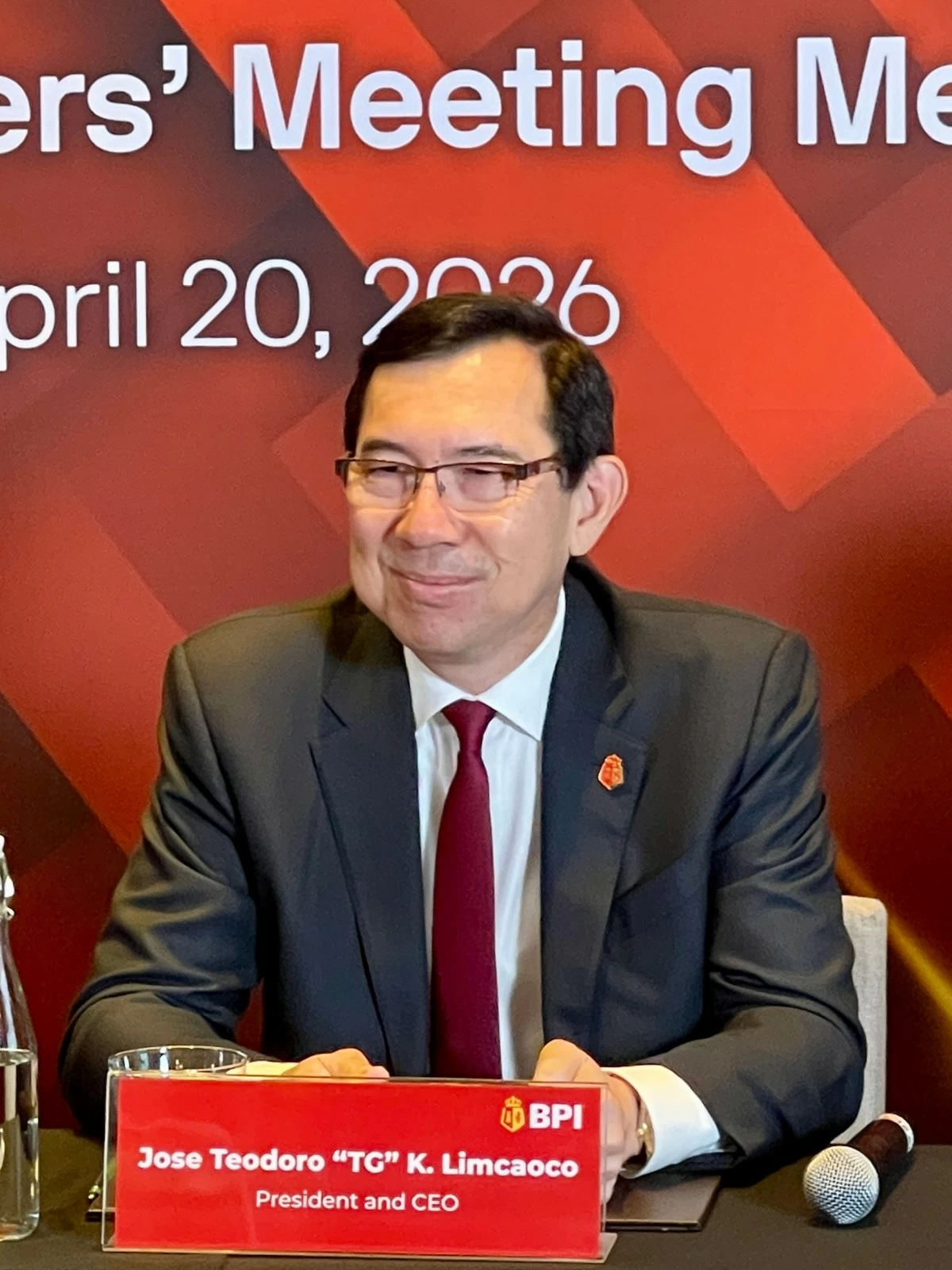
BPI President and CEO Jose Teodoro K. Limcaoco
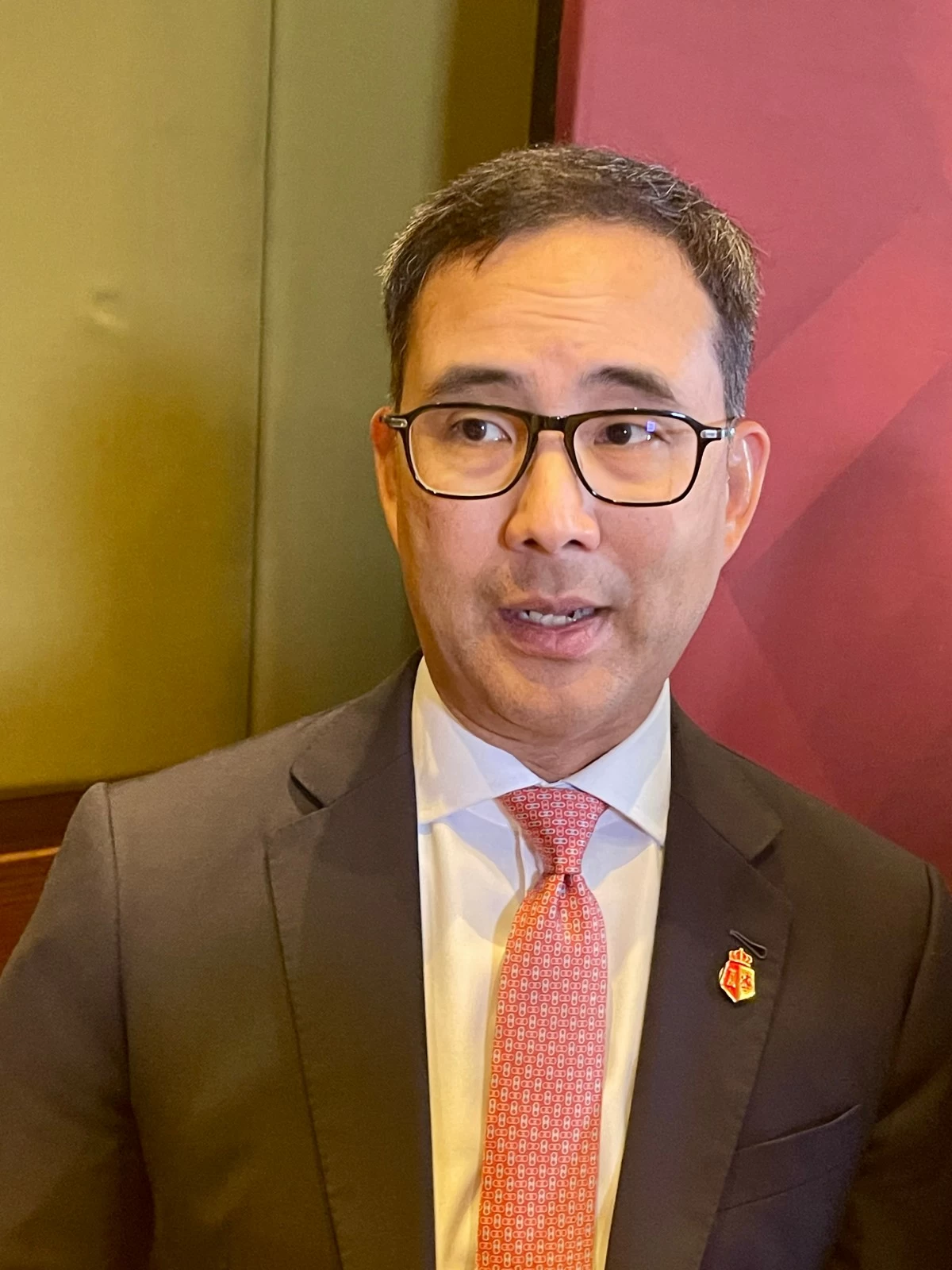
BPI CFO Eric Roberto M. Luchangco
Bank of the Philippine Islands (BPI) is bracing for the fallout from escalating Middle East tensions, weighing the impact of the Iran conflict on regional remittances and global supply chains even as the lender reported record first-quarter earnings.
Jaime Augusto Zobel de Ayala, BPI chairman, said the nation’s oldest bank is monitoring the volatility in the Middle East for its potential to disrupt the Philippine economy,
While high inflation remains a concern, the lender is particularly wary of how a protracted conflict might affect the availability of essential imports, including fuel and fertilizer.
“The conflict in the Middle East is complex and volatile,” Zobel said. “We are, therefore, closely monitoring ongoing developments and assessing what these could mean for the Philippine economy and, of course, in turn, for BPI.”
While the bank’s direct exposure to the region is limited—less than 20 percent of its remittances originate from the Middle East and it holds no direct investments in companies based there—the broader macroeconomic implications are significant.
Overseas Filipino workers’ consumption is a primary driver of the domestic economy, and any disruption to their employment or purchasing power could stifle growth.
Jose Teodoro K. Limcaoco, BPI president and chief executive officer, said the bank is prepared to increase loan loss provisions to navigate the heightened risk environment.
He noted that while oil prices will likely remain elevated, the primary concern is a supply shock. The “worst-case” scenario, Limcaoco said, would involve a total lack of supply for oil and fertilizer, rather than just higher costs.
The uncertainty has already influenced the bank’s capital management as Eric Roberto M. Luchangco, BPI chief finance officer, said the crisis has delayed a decision on whether to refinance maturing obligations.
If the geopolitical tension leads to a slowdown in loan demand, Luchangco said the bank may use its existing liquidity to repay bonds rather than seeking new funding.
He noted that during the pandemic, a similar drop in loan demand combined with a surge in deposits left the bank “flushed with funds.”
Despite the cautious outlook, BPI reported a net income of ₱16.9 billion for the first three months of 2026, a 1.7 percent increase from ₱16.6 billion a year earlier. On a sequential basis, profit rose 4.9 percent. The bank’s return on equity stood at 14.3 percent, while return on assets reached 1.9 percent.
Revenue for the period jumped 13.9 percent to ₱50.9 billion, supported by a 13.7 percent rise in net interest income. Net interest margins expanded by 7 basis points to 4.57 percent, while the average earning asset base grew by nearly 12 percent. Non-interest income, which includes credit card fees and trading gains, rose 14.5 percent to ₱11.8 billion.
The bank’s loan book expanded 13.5 percent to ₱2.6 trillion, driven by a 24.9 percent surge in non-institutional loans. Within that segment, business banking loans nearly doubled, while credit card and personal loan portfolios grew by 33.3 percent and 26.9 percent, respectively. Total assets reached ₱3.7 trillion at the end of March.
Operating expenses rose 15.8 percent to ₱23.5 billion, reflecting higher technology and manpower costs, resulting in a cost-to-income ratio of 46.2 percent. The bank set aside ₱5.5 billion in provisions for the quarter, as its non-performing loan ratio stood at 2.42 percent.