






Manila Bulletin
 Philippines
National
Ahead of Earth Day, groups call for expanded probe as Navotas landfill smoke threatens health
Philippines
National
Ahead of Earth Day, groups call for expanded probe as Navotas landfill smoke threatens health
Philippines
National
Ahead of Earth Day, groups call for expanded probe as Navotas landfill smoke threatens health
Ahead of Earth Day, groups call for expanded probe as Navotas landfill smoke threatens health
By Jel Santos
Published Apr 20, 2026 10:51 am


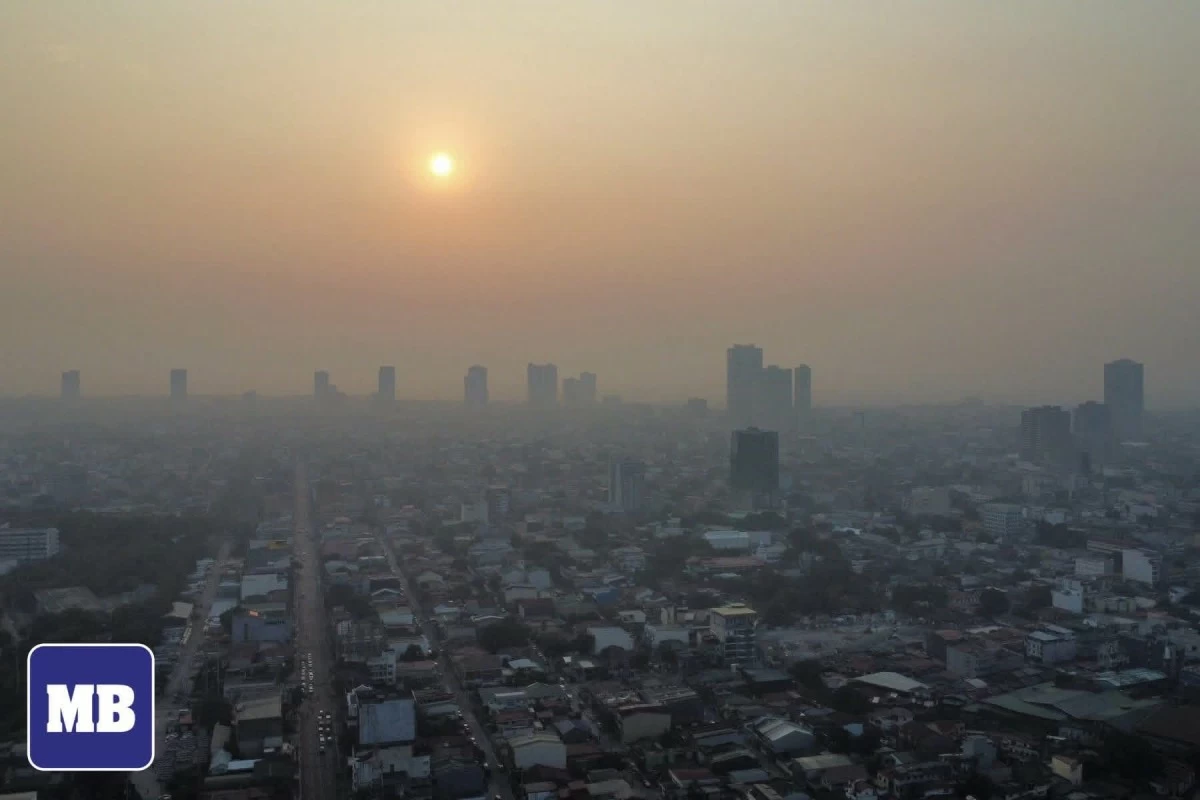
AIR QUALITY ALERT—Parts of Metro Manila remain hazy and smoggy on Monday morning, April 20, due to smoke coming from the Navotas Sanitary Landfill, which caught fire on April 10. The Department of Environment and Natural Resources (DENR) reported on Sunday that only four cities in Metro Manila recorded “good” to “fair” air quality levels, while most areas fell under “unhealthy” to “acutely unhealthy.” (Santi San Juan/MB Photo)
Environmental and health groups on Monday, April 20, called for an expanded investigation into air quality ahead of Earth Day 2026, observed every April 22, warning that toxic smoke from the Navotas landfill fire continues to worsen and pose a threat to public health.
The 40-hectare Navotas Sanitary Landfill was gutted by fire on April 10 and has since continued to emit smoke, affecting air quality in parts of Metro Manila as well as nearby areas in Bulacan and Bataan.
Dr. Geminn Louis Apostol, the program head for environmental health at the Ateneo School of Medicine and Public Health Center for Research and Innovation (ACRI), said the situation remains serious, unresolved, and not limited to Navotas.
“The communities that need protection most are those who have been breathing this air the longest, and who had the fewest choices about doing so,” he said.
Apostol said data from Breathe Metro Manila’s network of over 90 sensors showed that air quality has deteriorated further in the days following the fire.
“Our network of over 90 sensors in Breathe Metro Manila has been tracking air quality continuously since the fire broke out on April 10, and the data tell a story that should concern all of us,” he said.
He pointed out that air quality readings peaked not during the fire itself, but in the days that followed, with the worst levels recorded this week.
“Air quality in several cities, including areas far from the landfill itself, has deteriorated further rather than improved,” he stressed.
Post-incident air quality monitoring by ACRI, the Ateneo School of Medicine and Public Health, and Breathe Metro Manila revealed that Northern Manila bore the heaviest burden, with Caloocan and Valenzuela cities spending 85 percent of the seven-day monitoring period under elevated Air Quality Index (AQI) levels.
The report noted that air quality has not recovered, with several cities recording their worst readings by April 18, prompting calls for urgent investigation into the cause of renewed deterioration.
Also, Apostol cautioned that focusing solely on PM2.5 may underestimate the true scale of health risks, noting that landfill fires can release a far more complex mix of toxic pollutants that are not fully captured by standard air quality monitoring.
“While PM2.5, the fine particle pollution our sensors measure, has returned to headline discussions, we must be honest that landfill fires produce a far more complex toxic mixture than PM2.5 alone: carbon monoxide, volatile organic compounds, and, where plastics are involved, potentially dioxins and furans. These are not captured by our sensors, and their presence cannot be ruled out,” he stressed.
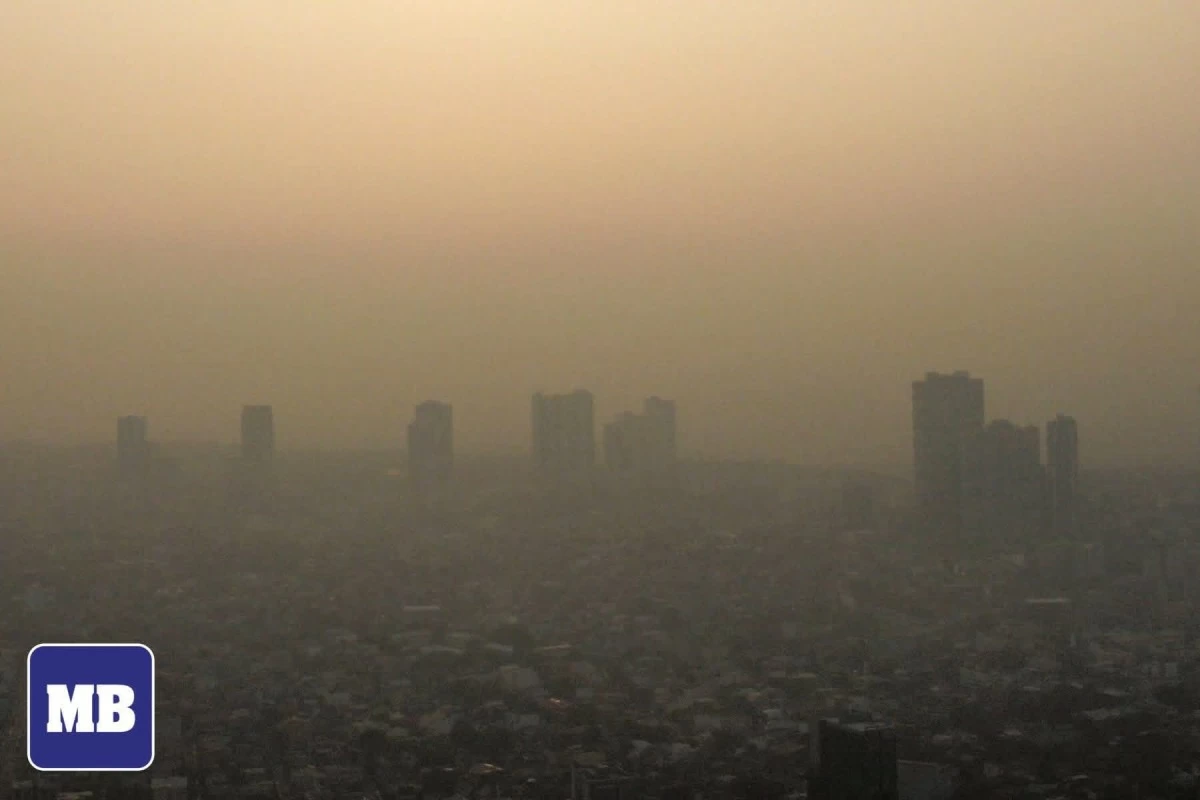
AIR QUALITY ALERT—Parts of Metro Manila remain hazy and smoggy on Monday morning, April 20, due to smoke coming from the Navotas Sanitary Landfill, which caught fire on April 10. The Department of Environment and Natural Resources (DENR) reported on Sunday that only four cities in Metro Manila recorded “good” to “fair” air quality levels, while most areas fell under “unhealthy” to “acutely unhealthy.” (Santi San Juan/MB Photo)
Echoing the call for a broader probe, EcoWaste Coalition urged authorities to investigate broader environmental risks, including the possible contamination of nearby waters.
“We join our health advocates in calling for expanded investigation to inform and protect the health of the people who suffer the brunt of the failed closure and rehabilitation plan for the massive disposal site by the sea,” Aileen Lucero, the national coordinator of the EcoWaste Coalition, said.
“We also see the need for the authorities to check any leachate discharge, which can adversely affect the marine environment, people’s livelihood, and food supply,” she added.
As such, she urged authorities to hold accountable those responsible for the incident.
“At the same time, we urge the authorities to identify and hold parties in both the public and private sectors accountable for this toxic threat to human health,” she said.
EcoWaste also called for a participative and transparent process, with adequate representation from local government units, grassroots groups, and health and environmental advocates.
With air quality in some areas reaching “very unhealthy” levels, researchers urged the public to take precautionary measures to limit exposure, including staying indoors, avoiding outdoor activities, and wearing properly fitted N95 masks when going outside.
Likewise, they advised seeking medical attention for symptoms such as difficulty breathing, chest tightness, headaches, or eye irritation, and cautioned that even in areas with lower readings, prolonged outdoor exposure should be avoided.
The Department of Environment and Natural Resources (DENR) earlier said it has launched an investigation into the Navotas Sanitary Landfill fire to determine its cause and assess its impact on air quality and nearby communities.