







MIAS vs PIMS vs PEVS: What's the difference?
Your Auto Show FAQ
By Inigo Roces
Published Apr 18, 2026 12:04 pm


At A Glance
- Visitors to the recent MIAS may have noticed quite a few things at the actual event that may have differed from their expectations. We go over some of these questions and try to answer them.
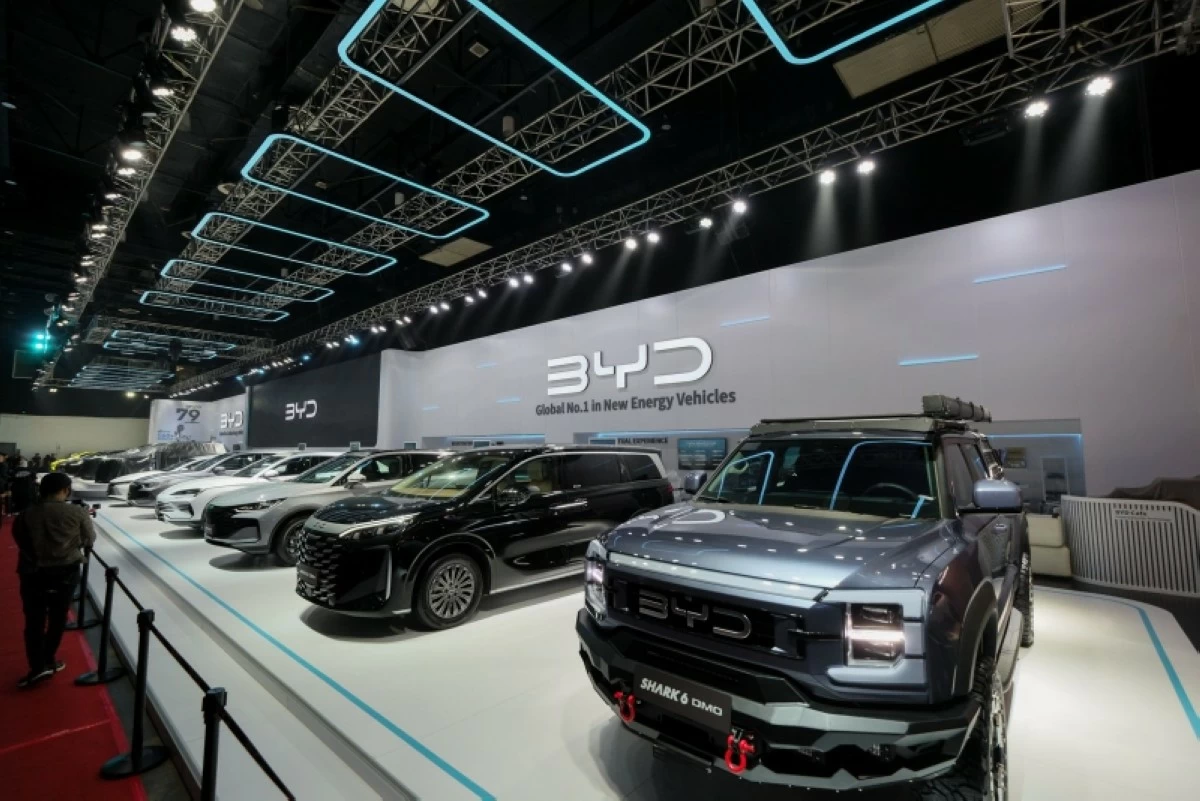
The recent Manila International Auto Show (MIAS) came at an opportune time, capitalizing on a spike of interest in electrified vehicles amid a global fuel crisis and registering a milestone 180,600 visitors over four days this year.
This year’s MIAS is the 21st staging, taking place at the World Trade Center Metro Manila and extending into the Philippine Trade Training Center (PTTC). The event boasted of some 500 cars on display by 25 participating car brands from across all venues. Even this year’s Petron Custom Classic Car Competition had over 60 builds all vying for the title.
Despite all these positive figures, it appears visitors still had noticed quite a few things at the actual event that may have differed from their expectations. We go over some of these questions and try to answer them.
Why no Japanese brands?
Easily the most notable aspect of the show was the absence of the usual Japanese and European brands, what some call the legacy automakers, who have already been around selling cars for nearly a century. These are brands like Toyota, Nissan, Mitsubishi, Isuzu, Hyundai, Mercedes-Benz, Audi, Chevrolet, and Ford.
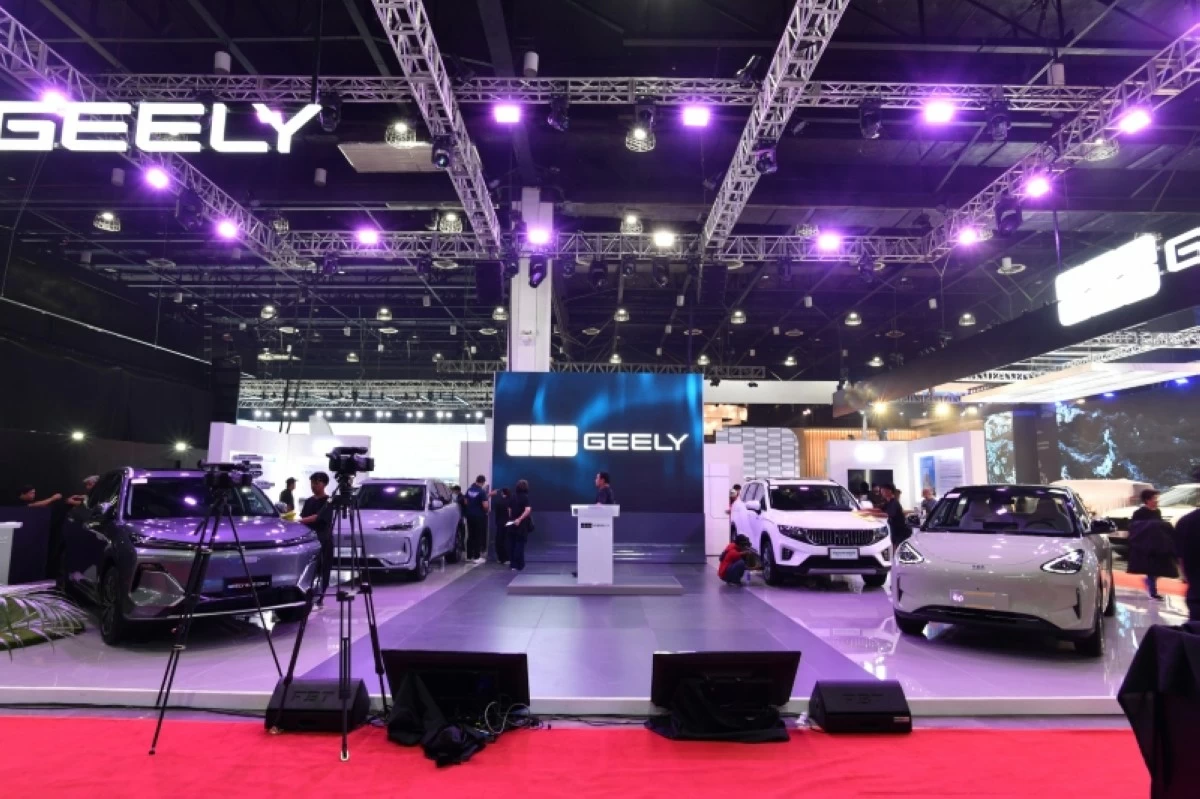
Instead, the participating brands include 212, Aito, BAIC, Bestune, BMW, BYD, Changan, Chery, Denza, Deepal, DFSK, Foton, GAC Motor, Geely, GWM, Jetour, Kia, Lotus, Lynk & Co, Mini, MG, Omoda and Jaecoo, Radar, Rox, Golden Apex, JAC, and Tata commercial vehicles. Many of these are newer and younger brands, mostly from China, or acquired by Chinese-based companies. To be fair, MIAS and Manila Bulletin publicized this list long before the show’s opening, however, it seems not everyone who attended was able to see this list.
So why weren’t Japanese brands like Toyota, Honda, Nissan, Mitsubishi, Isuzu, Subaru, or Mazda there? Why weren't other notable brands like Hyundai, Mercedes-Benz, Audi, Chevrolet, or Ford there? Many of these brands are members of the Chamber of Automobile Manufacturers of the Philippines, Inc. (CAMPI). CAMPI stages its own motorshow — the Philippine International Motor Show (PIMS) —composed of its own members once every two years and 2026 is one of those years. As such, many of these Japanese brands have opted to participate instead in the coming PIMS, scheduled for June this year.
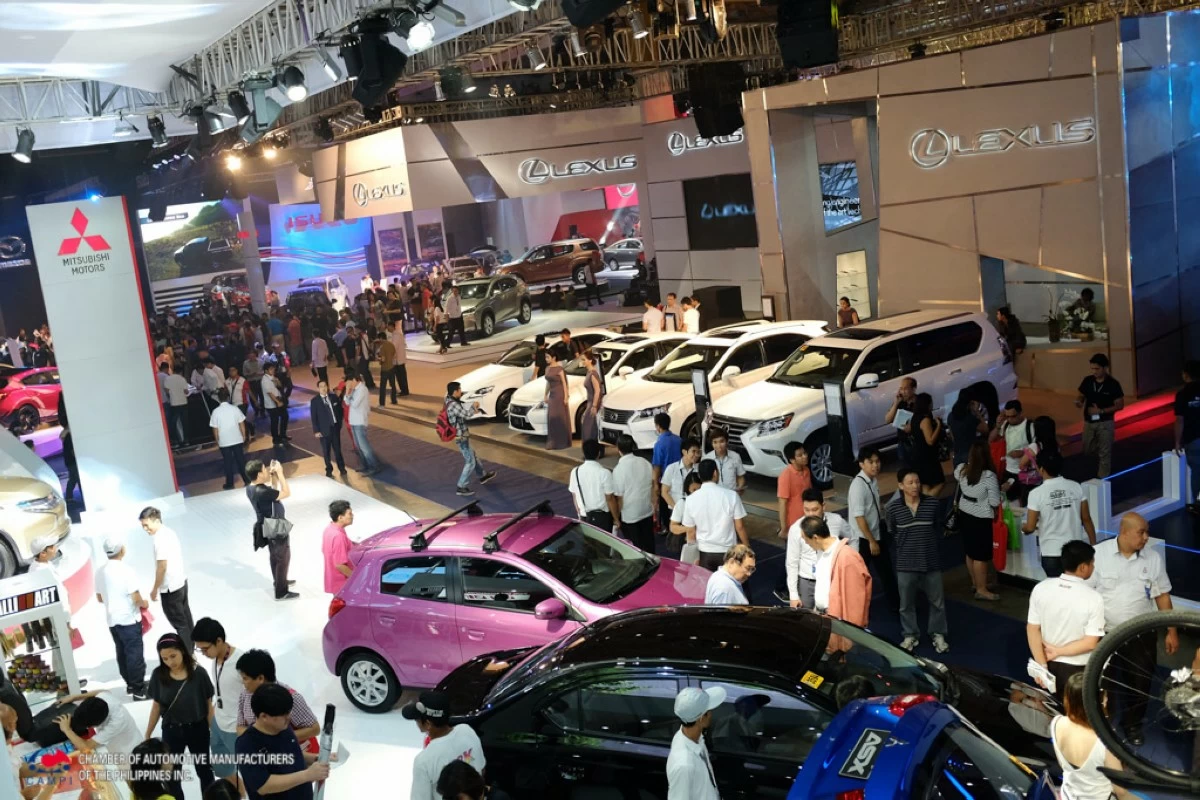
Before you start jumping to conclusions, let’s first make it clear that the organizers of MIAS and PIMS are friends and have a lot of mutual respect for each other. There is no hostility from either end. In addition, CAMPI member brands are more than welcome to participate in MIAS, just as non-CAMPI member brands are also welcome to participate in PIMS (just not in the main hall). These brands have simply gotten used to preparing for their respective shows over the years, with very little crossover.
The absence was simply something planned several months in advance. After all, participating in a motor show is quite the expense. With three scheduled for this year — MIAS, PIMS, and the PH Electric Vehicle Summit (PEVS) — it can be quite expensive to participate in all three. As such, some brands have opted to select one or the other instead.
Perhaps next year, when there is no PIMS, we might see some of the Japanese brands participating. However, on years when PIMS will be staged as well, chances are, these legacy brands will likely opt to be in PIMS instead.
Why no concept cars?
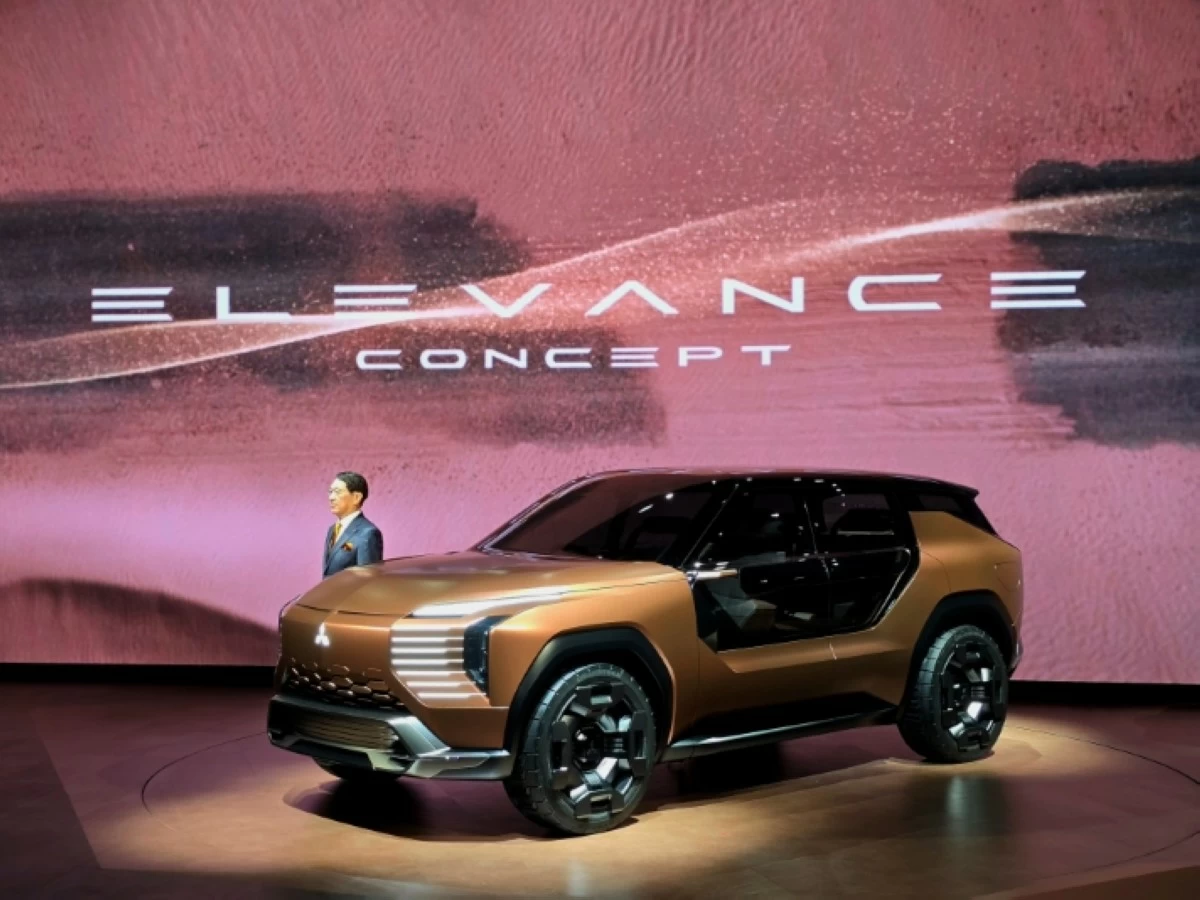
Mitsubishi Motors Corporation President Takao Kato, presenting the Elevance Concept
This was one of the most frequently asked questions. After all, the ticket and posters to the event itself seem to feature a concept car. It seems logical for any visitor to expect a few at the event. Perhaps this generic image was chosen so as not to unfairly promote one brand over another.
There’s no hard and fast rule that concept cars cannot be shown in MIAS. In fact, participating brands are free to exhibit whatever vehicle they like. It seems that, with the spike in interest in electrified vehicles, the brands opted to dedicate their booth space to currently available or upcoming models.
If you remember, concept cars have graced the MIAS and PIMS events of the past. Unfortunately, these cars are only on loan from each brand’s respective headquarters. As such, they have to be imported for the event, then shipped right back, or to the next motorshow. These concept cars have strict timelines and handling rules that have to be followed. Unfortunately, it’s our ports and customs bureau that often cause snags in their tight schedules. Despite several days or weeks of allowance, there have been instances where these concept cars were unexpectedly held up at the port or customs and did not even make it to the show. You can probably figure out why. Perhaps to avoid this issue, the brands have decided to forego showing concept cars entirely.
Sales show vs conceptual show
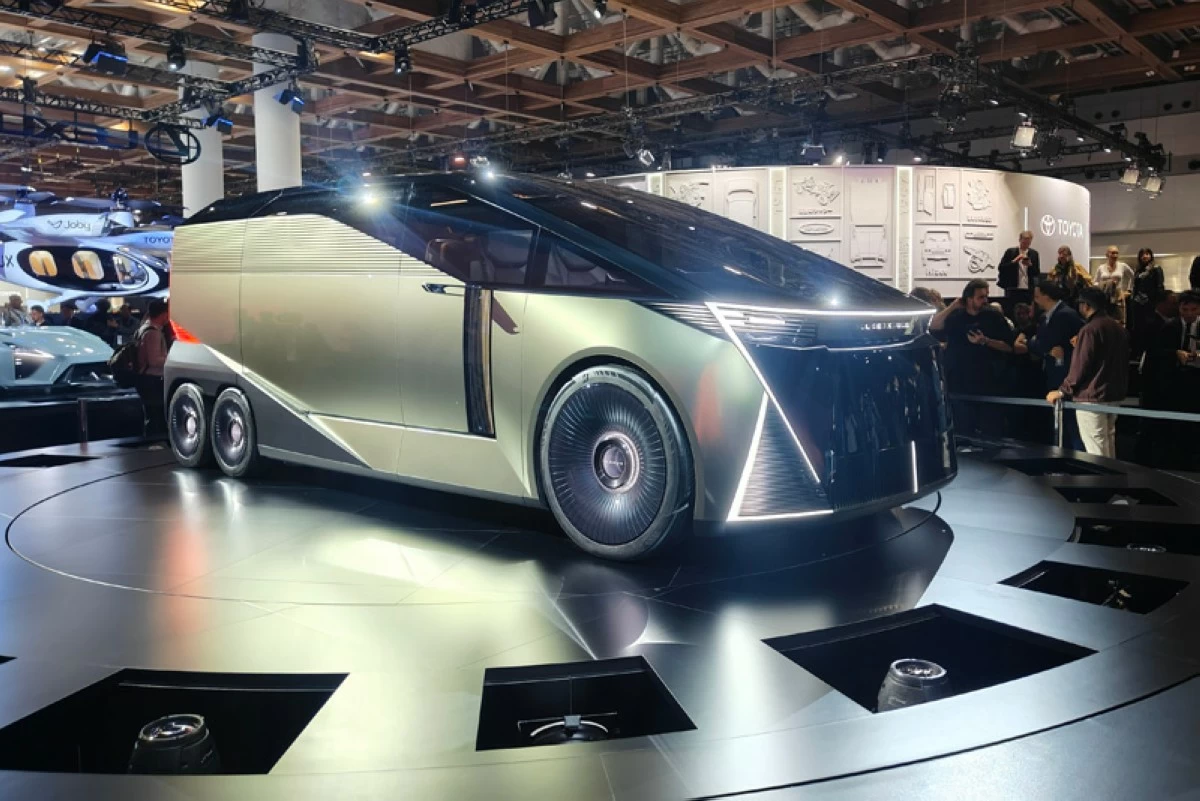
The Lexus LS (Luxury Space) Concept
Many pundits thought it relevant to point out the difference in objectives of events like MIAS, versus international shows like the Japan Mobility Show (formerly Tokyo Motor Show) or Geneva International Auto Show. Indeed, that is a valid point.
However, MIAS is a combination of both. It serves as both a conceptual show — to present a brand’s identity, objectives and direction — as well as a sales show — offering car displays, test drives, as well as sales associates on site to complete a purchase.
After all, it’s hard to ignore the value of MIAS as a sales platform. The visitors are already there, some even eager to buy on the spot. It would be an incredible waste of resources if the participating brands did not take advantage of this aspect.
However, you also see many conceptual aspects in MIAS. In many booths, you’ll see videos that seem to focus more on the feeling of driving their cars, there are timelines of their historical achievements. One brand even offered a virtual reality test drive of their models not sold locally, which is something you’d typically see at conceptual shows.
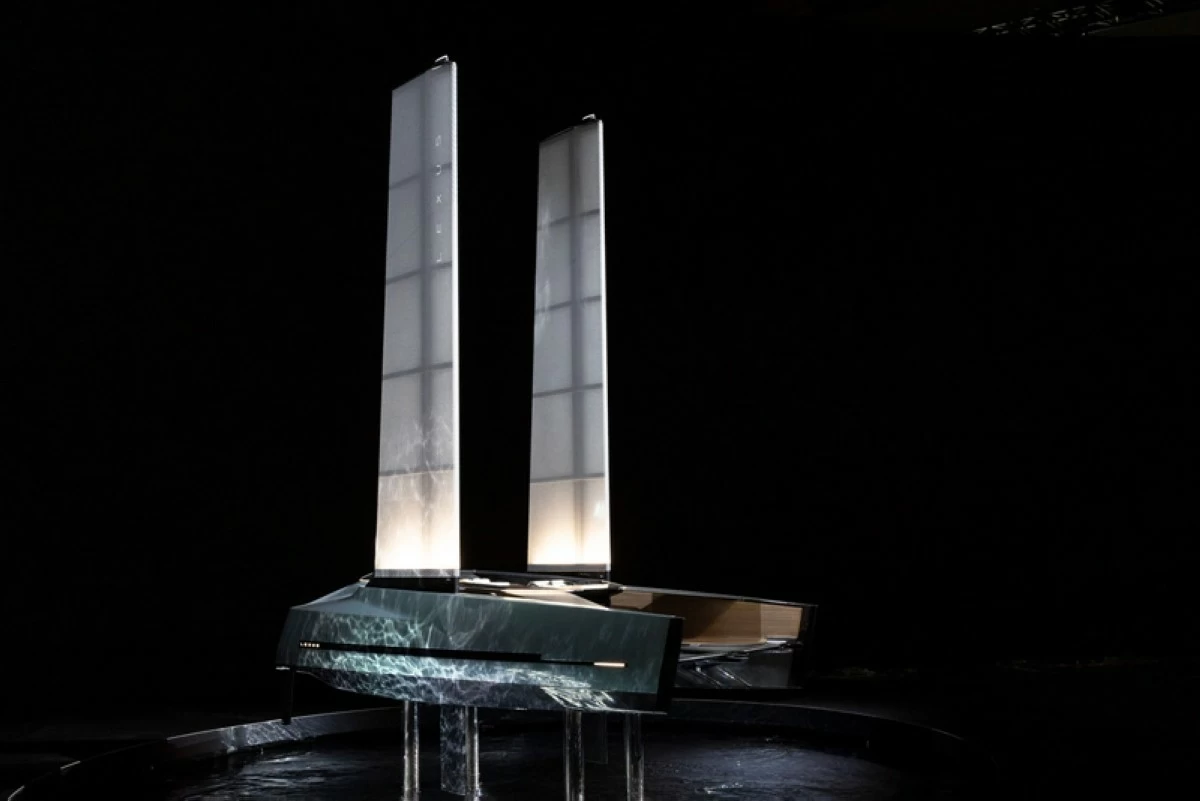
The Lexus Autonomous Catamaran
Events like Japan Mobility Show (JMS), North American International Auto Show (NAIAS) in Detroit are more conceptual shows, where participating brands showcase more of their identity, objectives, direction, and even CSR activities. However, that doesn’t mean there’s no sales going on. They will often accommodate very special clients or take orders for limited edition models at the event, just in hidden VIP lounges at the booths.
Because it’s less about sales, these events typically make the opening day exclusive to fellow brands and members of the media. After all, if there’s no sales involved, they need all the help they can get to promote the event. The doors are opened to the public on the second day onwards.
MIAS vs PEVS vs PIMS
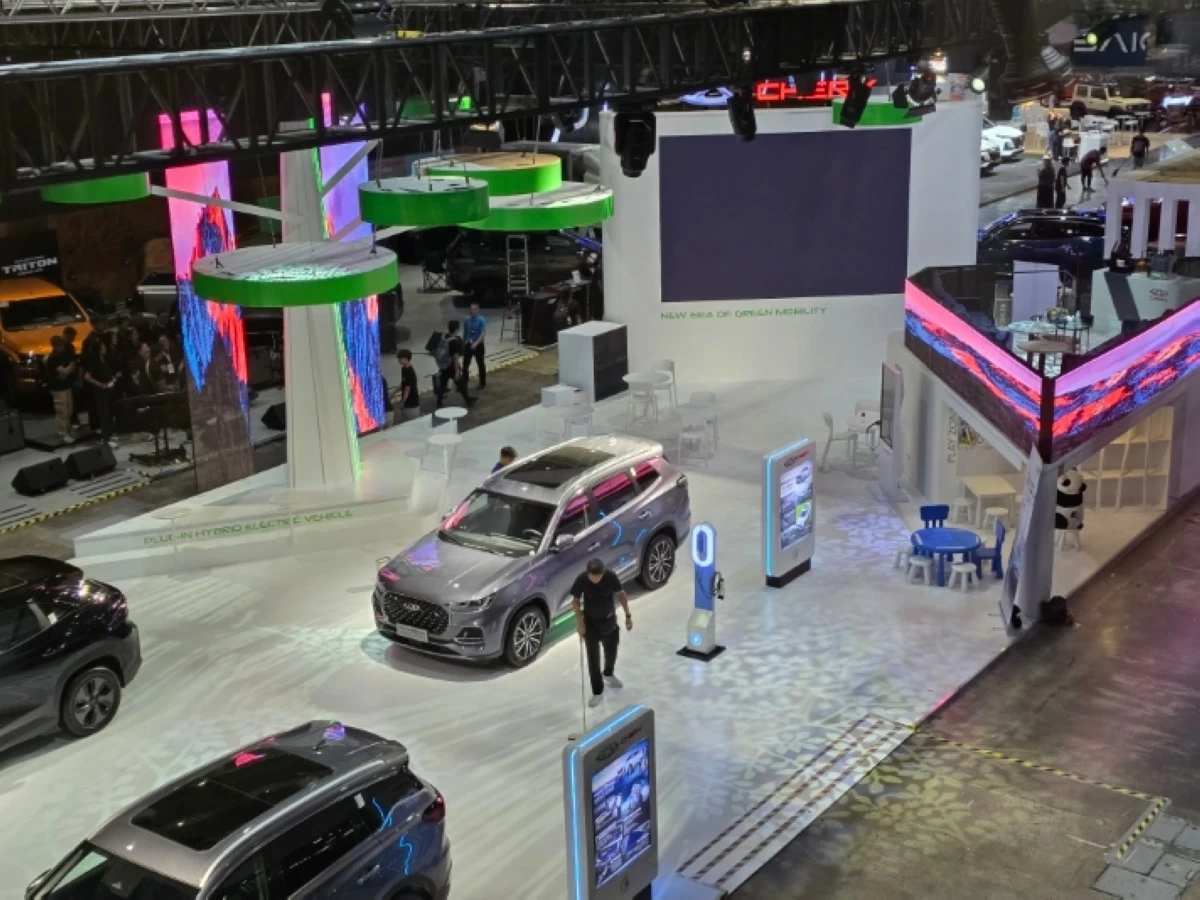
Another important point to bring up is difference in auto shows that we have in the country. MIAS is a purely consumer-oriented show. The main goal is to appeal to the visitor, particularly those who want to buy. As such, sales is most often the primary objective here and you will see the booths oriented towards that goal with lots of car displays and table and chairs for clients to discuss purchasing.
In addition, booth space and location are determined by how soon a participating brand confirms, and how much they’re willing to pay. As such, you’ll notice that some booths are bigger and more prominently located than others.
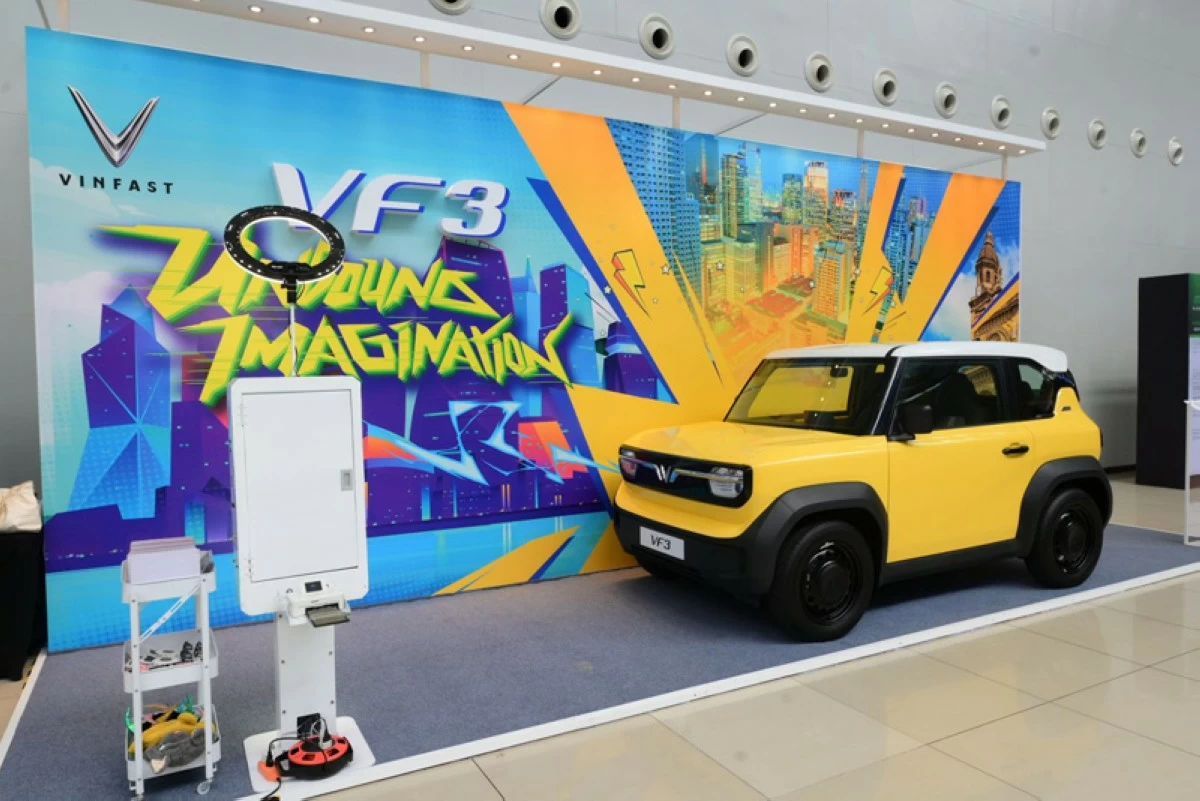
The Philippine EV Summit (PEVS), by contrast is more of a stakeholder expo, more business-to-business (B2B) and geared towards linking one business with another. The name itself also dictates that participating brands must be within the electrified vehicle space. You won’t see any ICE cars here.
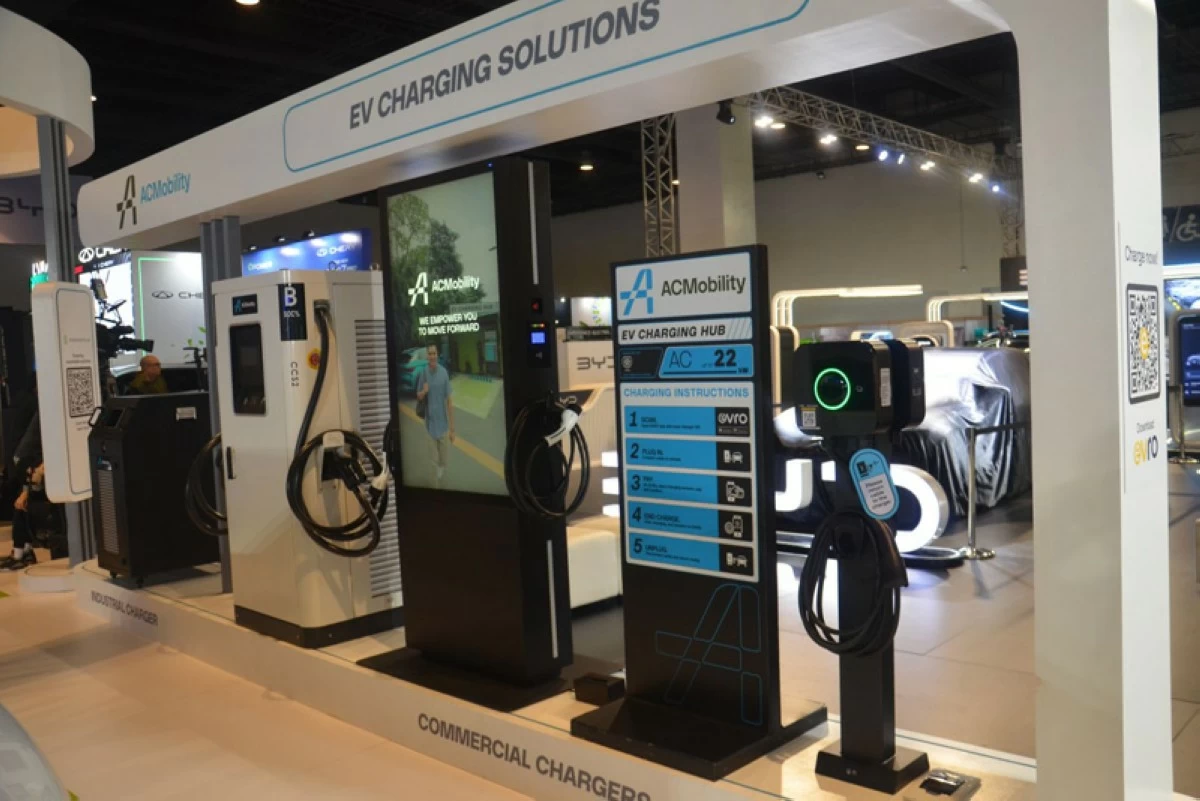
Of course, it’s also an opportunity to sell to consumers, however, it’s geared more towards those within the industry such as fleet buyers. As such, it will have booths as well as chairs and tables to sell cars. You’ll also notice that not all the booths sell cars. Some offer parts, services, or specialty solutions. However, you’ll also notice a conference area where lectures are held throughout the day. This is where presenters can share about their brand and the services they provide, typically geared towards corporations and businesses that are looking for more sustainable solutions.
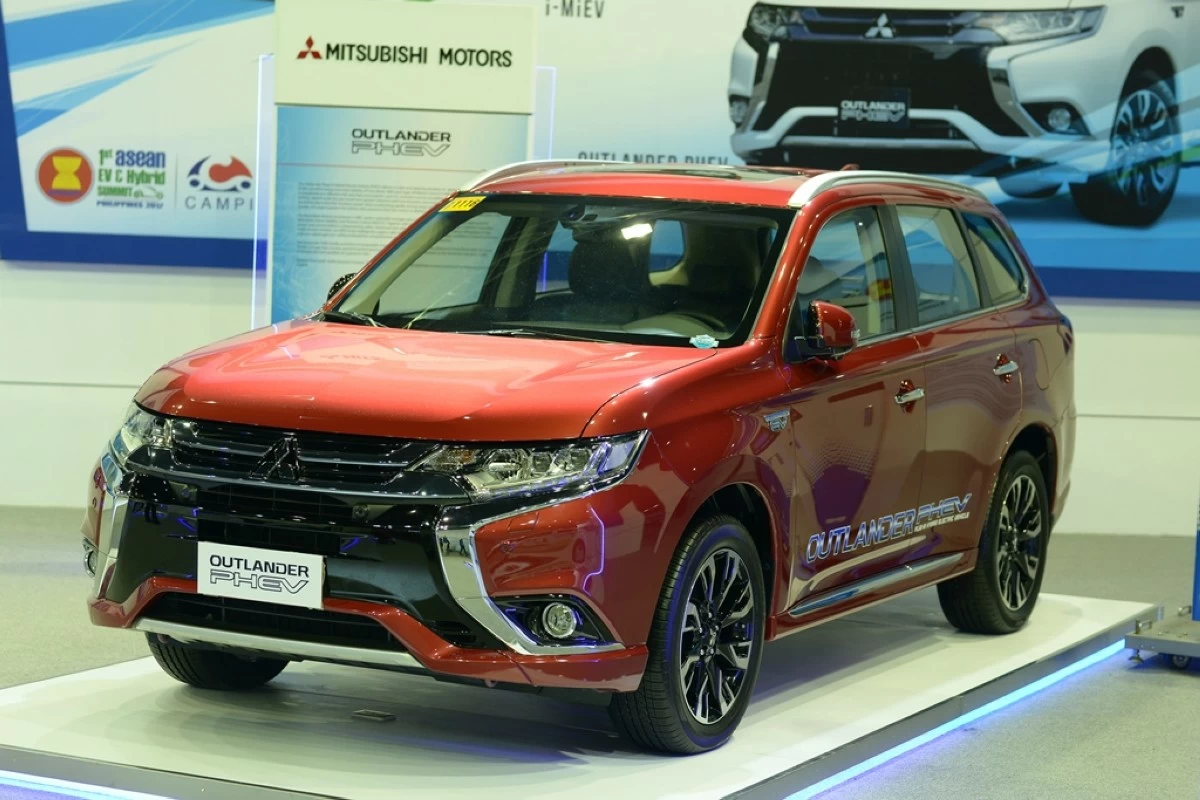
The Mitsubishi Outlander PHEV, the country's first PHEV offered for sale.
PIMS, by contrast is more of a conceptual show. Since it’s run by the chamber of car companies, where their members vote on many of the show’s aspects, it’s far more diplomatic in its design and setup. All booths are of equal size. The location is drawn up in a raffle, not bidded for. As such, even though you expect Toyota to be front and center, their both may not necessarily be in a prominent place in this event, because it is designed to be fair to all members. Nonetheless, there are tables and chairs as well as test drives for sales. However, the main objective is really to get the public to discover more about the brand and the experience they offer, not just sell cars.
Each show is unique
Each of these major Philippine motor shows have their own respective objectives and targets. They may seem all the same to the average consumer, however, any veteran to these events can easily point out their unique differences. It’s truly best to take the time to visit each one and discover what makes each unique.