






Manila Bulletin
 Philippines
National
Which will have the biggest impact? Here are the best LEAD Council proposals from solons
Philippines
National
Which will have the biggest impact? Here are the best LEAD Council proposals from solons
Philippines
National
Which will have the biggest impact? Here are the best LEAD Council proposals from solons
Which will have the biggest impact? Here are the best LEAD Council proposals from solons
Published Apr 18, 2026 12:47 pm
|
Updated Apr 18, 2026 01:02 pm


At A Glance
- The House Legislative Energy Action and Development (LEAD) Council has covered a lot of ground in terms of coming up with a wide range of legislative responses to this era of elevated fuel prices.
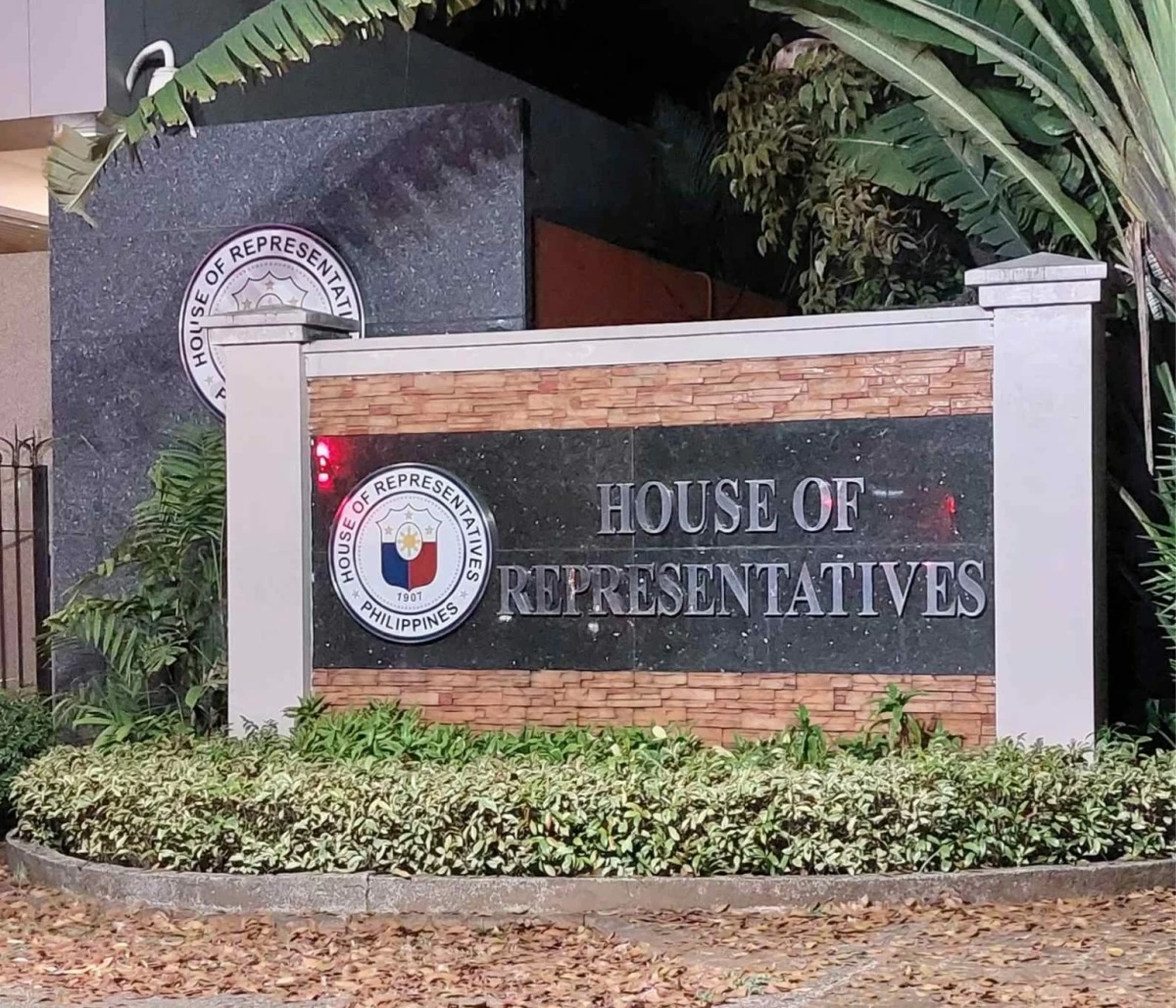
The House of Representatives (Ellson Quismorio/ MANILA BULLETIN)
The House Legislative Energy Action and Development (LEAD) Council has covered a lot of ground in terms of coming up with a wide range of legislative responses to this era of elevated fuel prices.
To their credit, members of the House of Representatives actively participated in the three hearings of the LEAD Council on April 8, 13, and 15, This shows both urgency and resolve on the part of the solons as many Filipinos continue to face hard times because of the fuel price crisis.
Here are a handful of the best proposals for relief that have been raised during or after the marathon hearings. Which one do you think will have the biggest impact?
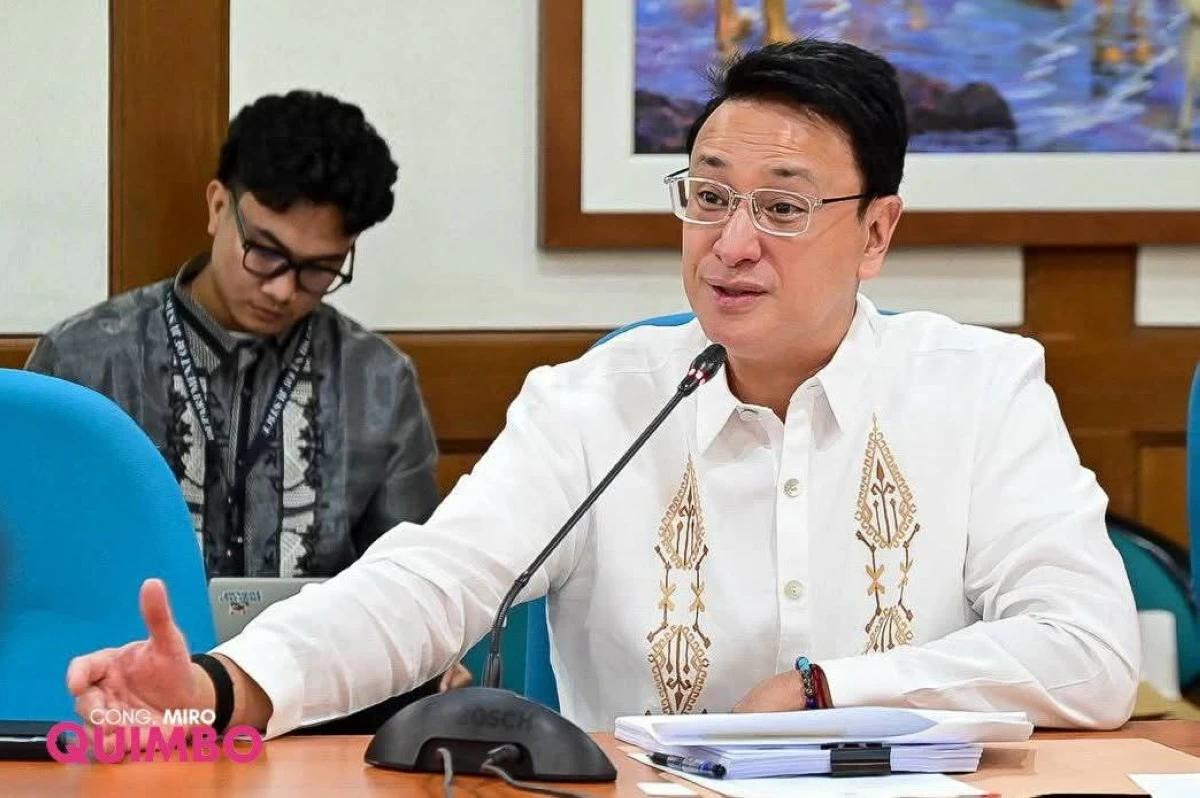
Marikina City 2nd district Rep. Miro Quimbo (Facebook)
1. Two-month suspension of the value-added tax (VAT) on petroleum products
Proposed by: Marikina City 2nd district Rep. Miro Quimbo
Quimbo called the proposal a feasible intervention, with expected benefits to consumers likely to outweigh potential government revenue losses, particularly amid uncertainty stemming from the conflict in the Middle East.
“A two-month suspension of VAT on oil products will ease the burden on Filipinos, providing immediate breathing room while the government works on longer-term solutions for this crisis,” he said.
2. Toll discounts to private motorists
Proposed by: Cavite 1st district Rep. Jolo Revilla
While toll discounts have already been rolled out for public utility vehicles (PUVs), including traditional and modern jeepneys, buses, and freight vehicles, the same support should be extended to private motorists who are equally burdened by escalating fuel costs.
“Hindi lang PUVs ang apektado ng mataas na presyo ng langis. Lahat tayo tinatamaan nito—lalo na ang ating middle class na araw-araw bumibiyahe at patuloy na pumapasan sa tumataas na gastusin,” Revilla said.
(High oil prices do not only affect PUVs. All of us are hit by this—especially our middle class who travel daily and continue to bear the burden of rising expenses.)
3. House inquiry on alleged collusion/ cartel among local oil companies
Proposed by: Rep. Quimbo
A congressional probe on the alleged oil cartel may not bring immediate or specific relief to consumers, but it could potentially answer why local oil firms tend to impose practically the same level of price adjustment at the same time even under a regime of deregulation.
It is also a direct response to Department of Economy, Planning and Development (DEPDev) Secretary Arsenio Balisacan's call for regulators to look into the telltale signs of collusion in the industry.
“In Econ 101, Mr. Chair, when there are very few players in the markets, and you ask these players, government may be asking them to cooperate, to coordinate, they are actually asking a cartel,” Balisacan told one of the LEAD Council hearings.
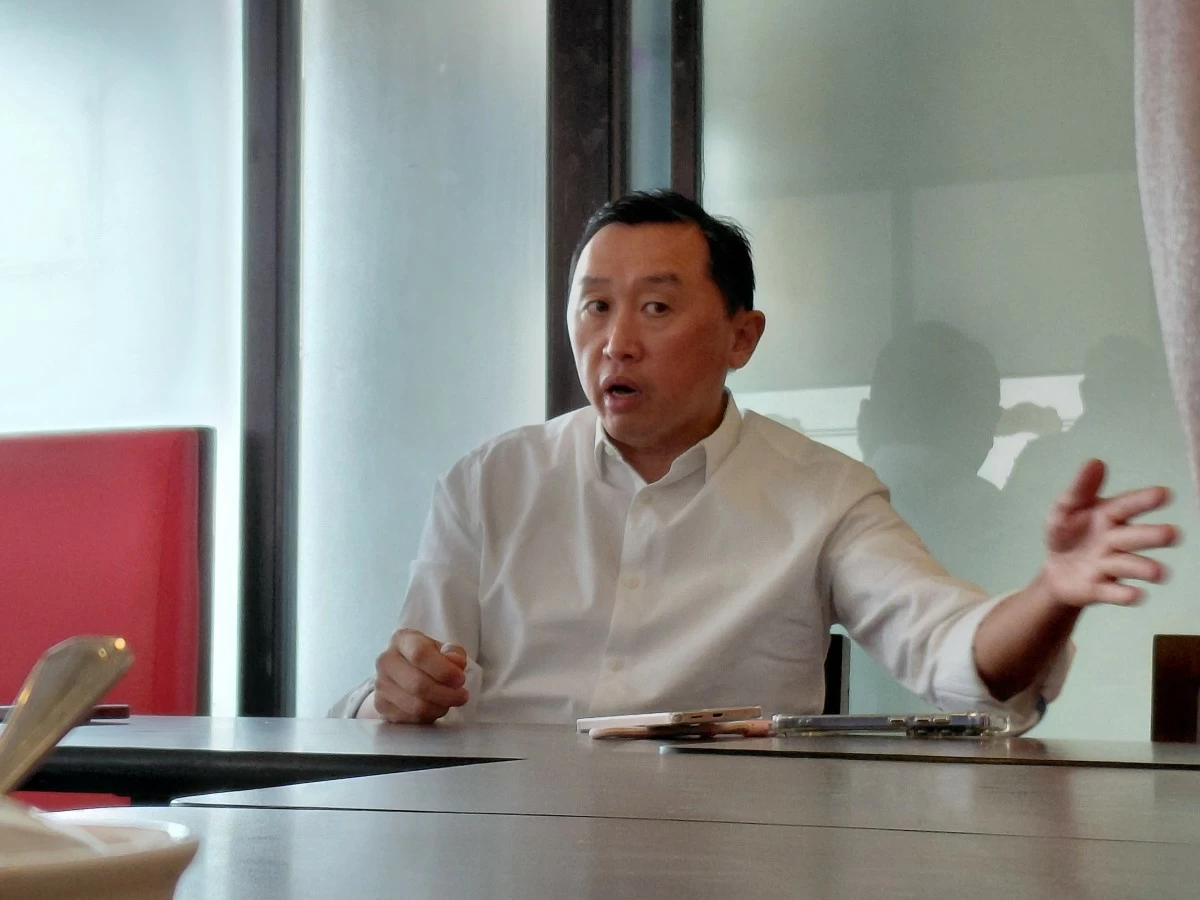
Murang Kuryente Party-list Rep. Arthur Yap (Ellson Quismorio/ MANILA BULLETIN)
4. Lifeline electricity subsidy for residential users who consume 51 to 300 kilowatt-hour (kWh) monthly
Proposed by: Murang Kuryente Party-list Rep. Arthur Yap
Yap said temporary consumer relief should be delivered through the country’s existing power-billing system and targeted to residential users in the 51 to 300 kilowatt-hour (kWh) monthly consumption band. He said this is the practical middle segment that government can reach quickly and visibly through monthly bills, while avoiding duplication with the existing lifeline structure.
“The electric bill is one of the cleanest ways to deliver targeted relief. Government should use the billing systems that already exist instead of building another slow and leak-prone disbursement channel,” Yap said.
5. Calibrated value-added tax (VAT) capping mechanism on fuel
Proposed by: Cavite 2nd district Rep. Lani Mercado-Revilla
Mercado-Revilla argued that VAT capping was the more balanced and fiscally responsible alternative to a full VAT suspension—an option opposed by economic managers due to its potential to wipe out fuel VAT collections and create a significant revenue gap.
Under the VAT capping proposal, the government would continue to collect VAT based on pre-crisis or “normal” price levels, but refrain from imposing additional VAT on price increases driven by global shocks.

Cavite 2nd district Rep. Lani Mercado-Revilla (Facebook)
Mercado-Revilla also called on the government to forgo “windfall” revenues generated by soaring oil prices and instead provide immediate, broad-based relief to Filipino consumers.
6. Transport loan moratorium
Proposed by: Quezon City 3rd district Rep. Franz Pumaren
Pumaren called for the suspension or deferral of transport-sector loan payments during oil price shocks.
State-owned Landbank and the Bankers Association of the Philippines both said during a LEAD Council hearing that they were prepared to study a moratorium similar to what banks rolled out during the Covid-19 pandemic.
Pumaren said his appeal was rooted in the same practical problem that surfaced during the pandemic, when banks and regulators had to step in because normal payment schedules no longer matched the realities on the ground.
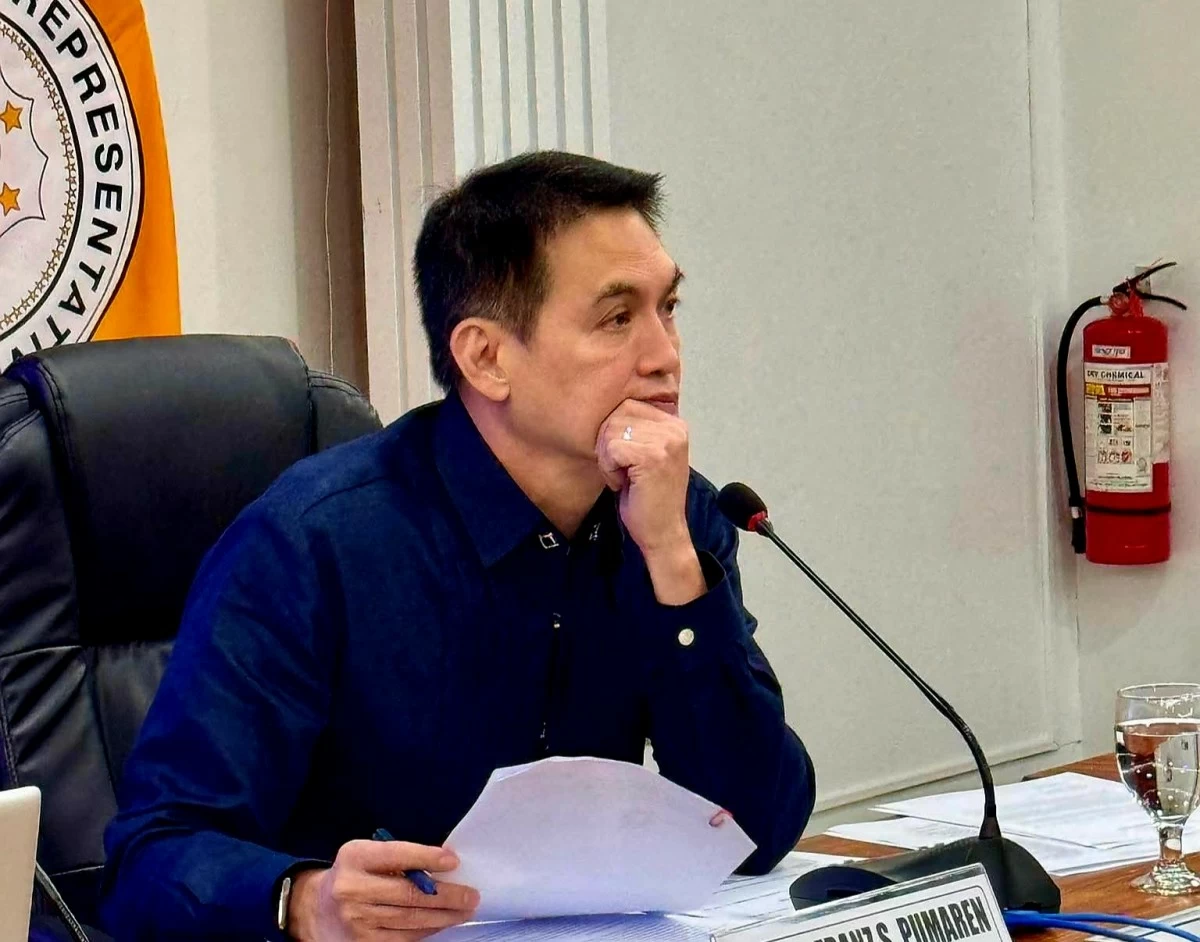
Quezon City 3rd district Rep. Franz Pumaren (Facebook)
7. Fuel Price Stabilization and Energy Security Act
Proposed by: Manila 3rd district Rep. Joel Chua
Embodied in House Bill (HB) No. 8839, or the proposed “Fuel Price Stabilization and Energy Security Act" seeks to establish a Fuel Regulatory Board, create a new Oil Price Stabilization Fund, and build a Strategic Fuel Reserve as part of a broader effort to give the state a working set of tools during fuel emergencies.
Chua explains that the measure "effectively discards provisions of the Oil Deregulation Law of 1998 and returns to the government the power to intervene when fuel prices and supplies are abnormal".
“This is the most comprehensive bill filed so far in the House on how to address fuel price volatility and supply disruption,” he reckoned.
8. Kalinga Act
Proposed by: House Speaker Faustino "Bojie" Dy III, Majority Leader Sandro Marcos
The North Star of the House energy crisis council, House Bill (HB) No. 8834 seeks to deliver targeted and time-bound assistance to sectors most affected by elevated pump fuel prices.
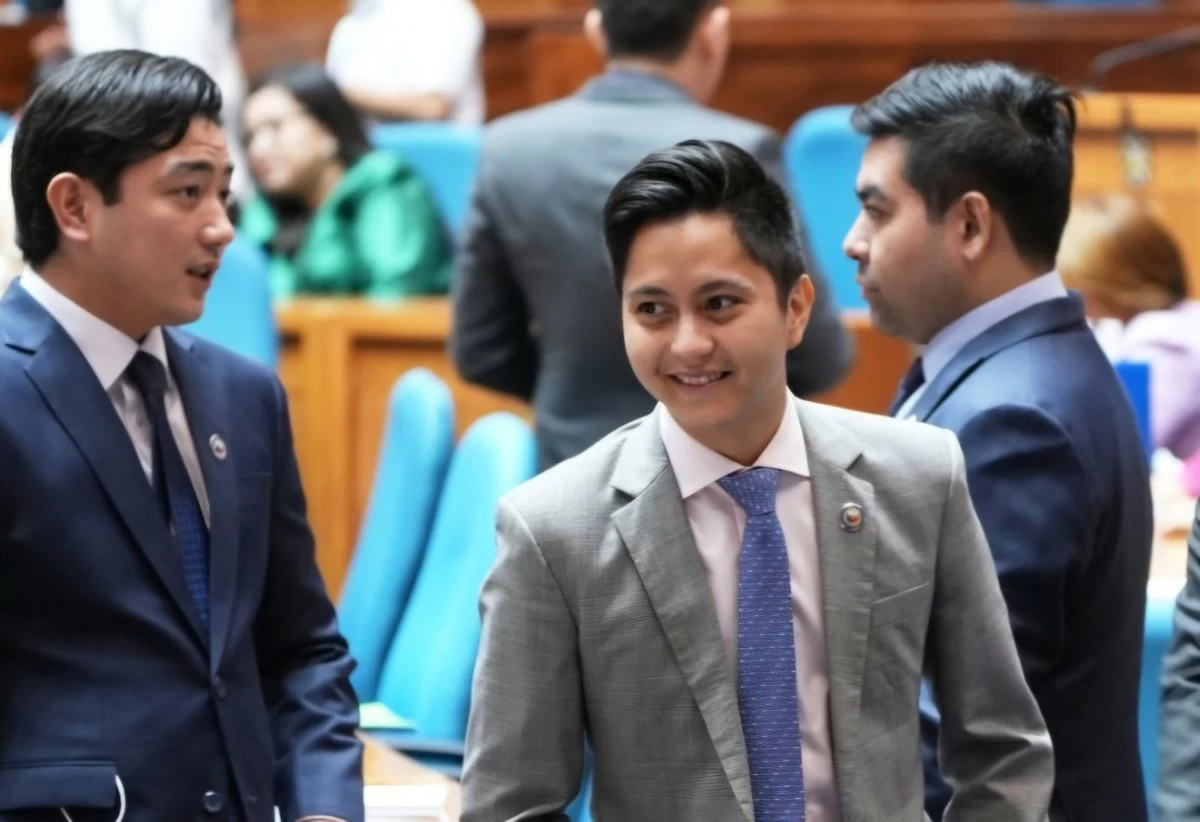
Ilocos Norte 1st district Rep. Sandro Marcos (Facebook)
A key feature of the bill is Section 7, whch establishes the Targeted Assistance Component. It provides direct cash assistance to low-income households and minimum wage earners, fuel subsidies for drivers, farmers, fisherfolk, and logistics providers, transport support for workers, and other time-bound assistance.
The proposal integrates the following components under one bill: (1) fuel price stabilization; (2) energy supply security and inventory management; (3) targeted assistance; (4) essential goods and logistics stabilization; (5) MSME energy relief and business continuity; (6) energy conservation and demand reduction; and (7) flexible fiscal and regulatory measures.