






 World
The truce in Lebanon is key to ending the wider Iran war, but challenges remain
World
The truce in Lebanon is key to ending the wider Iran war, but challenges remain
The truce in Lebanon is key to ending the wider Iran war, but challenges remain


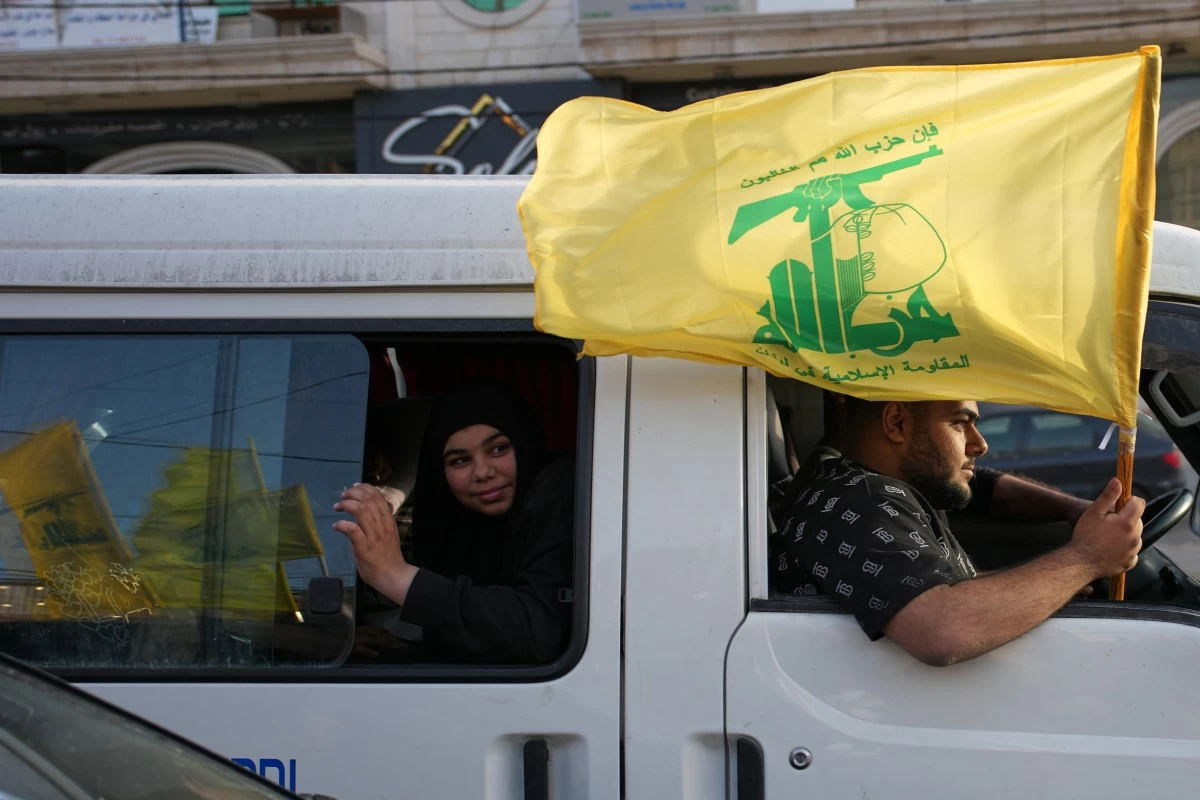
BEIRUT (AP) — A truce took hold Friday between Israel and Lebanon's Hezbollah, providing relief on both sides of the border and an opening for Iran and the United States to reach a deal to end the wider war.
The ceasefire appears to have led Iran to reopen the Strait of Hormuz, easing the global energy crisis. But major obstacles remain, as Hezbollah has not formally agreed to the truce and wants Israel to withdraw. Israel says it is “not finished” dismantling the Iran-backed militant group and has announced plans to occupy a swath of southern Lebanon.
The 10-day truce appeared to be mostly holding on its first day, as thousands of Lebanese returned to their homes in the south. Hezbollah had launched missiles into Israel in early March, two days after the U.S. and Israel launched their war on Iran. Israel had responded with heavy bombardment and a ground invasion.
Here’s a look at the ceasefire deal.
The agreement says only Israel can act in self-defense
U.S. President Donald Trump announced the ceasefire on Thursday, describing it as a deal between Israel and Lebanon, whose government had been largely sidelined in the war. Israel has long accused Lebanon of failing to disarm Hezbollah in line with previous agreements and the government's own plan.
The U.S. State Department published a text of the deal and described it as a gesture by Israel “to enable good-faith negotiations” toward a permanent peace agreement with Lebanon. It said the 10-day truce could be extended by mutual agreement if the talks progress and “Lebanon effectively demonstrates its ability to assert its sovereignty.”
The agreement calls for the Lebanese state to prevent Hezbollah and other armed groups from attacking Israel, as did the ceasefire agreement that halted the last Israel-Hezbollah war in November 2024.
Israel wants Hezbollah disarmed. Hezbollah wants Israel out wants Hezbollah disarmed. Hezbollah wants Israel out
Prime Minister Benjamin Netanyahu said Israel agreed to the truce at Trump's request but was “not finished yet” with Hezbollah. Israel has said it will occupy a 10-kilometer (6-mile) deep buffer zone in southern Lebanon — and prevent people from returning — until all threats are eliminated.
Israel and the U.S. want Lebanese authorities to disarm Hezbollah, by force if necessary. But while Beirut had taken significant steps to assert its control over southern Lebanon before the war, authorities have been unwilling to risk a civil war by fully confronting the heavily armed militant group.
U.S. and Iran claim credit
On Truth Social, Trump said Israel is now “PROHIBITED” by the U.S. from bombing Lebanon, an unusually direct assertion of American control over an ally. The U.S. has portrayed the truce as the result of direct Israeli-Lebanese negotiations held in Washington — the first in decades.
Lebanon truce appears to be part of the wider ceasefire
Iran — as well as the mediator, Pakistan — had said Lebanon was included in the wider ceasefire reached with the U.S. in separate negotiations earlier this month. That was denied by the U.S., as well as Israel, which launched a massive bombardment of Beirut after it took effect.
Two Pakistani officials told The Associated Press on Friday that Pakistan played a role in securing the ceasefire in Lebanon. They spoke on condition of anonymity to discuss the closed-door talks.
Tehran appears to have used its control over the Strait of Hormuz, and Trump's desire to end an increasingly unpopular and economically painful war, to halt Israel's campaign against its proxy.