







Handcrafted luxury: JJ Acuna on the future of Philippine design
A glimpse of Parklinks Experience Center's design profile: Forward-looking and rooted in local culture
Published Apr 18, 2026 01:50 pm


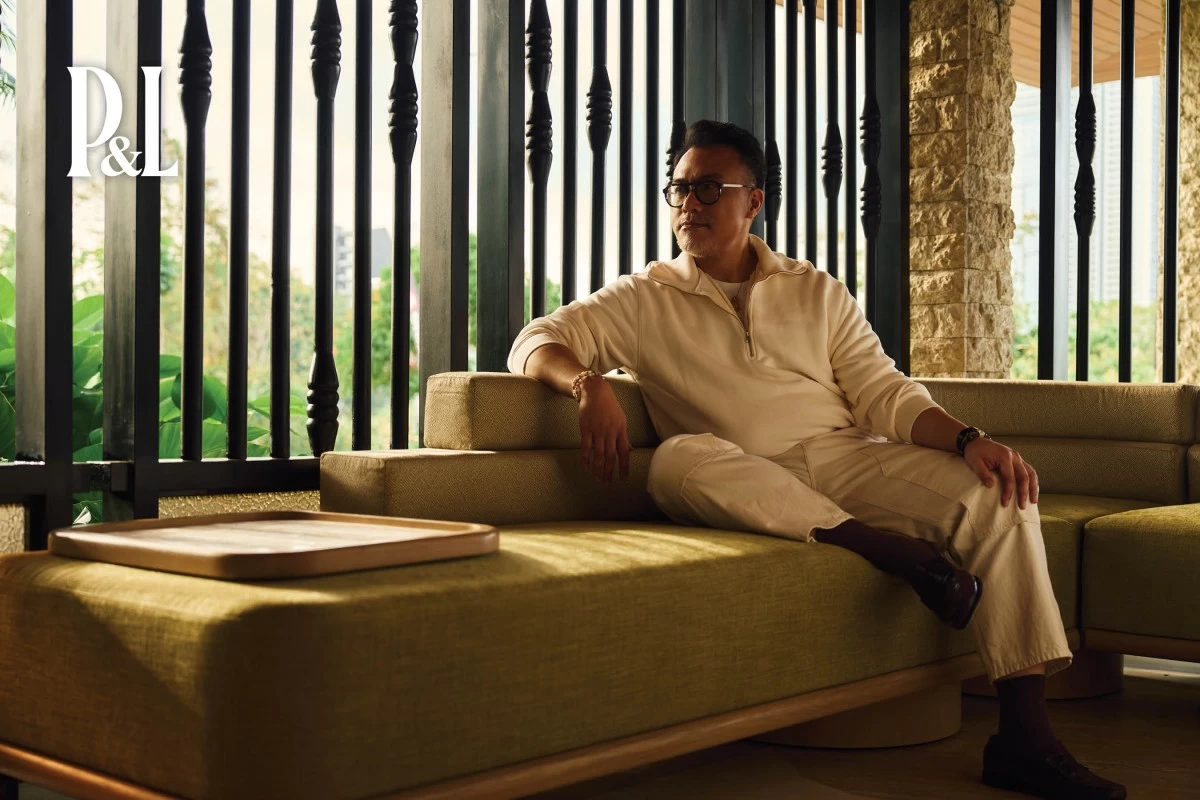
Photo caption
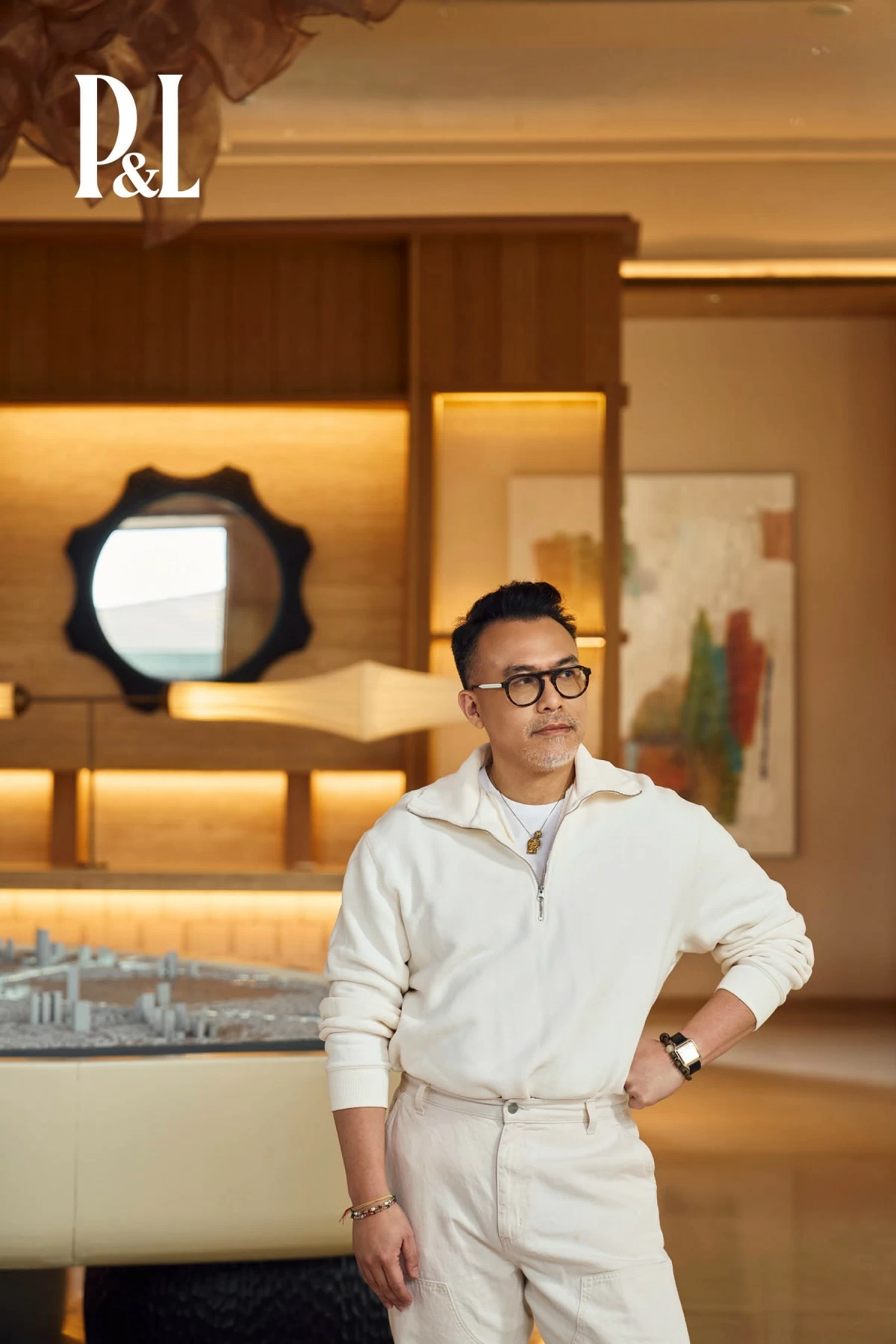
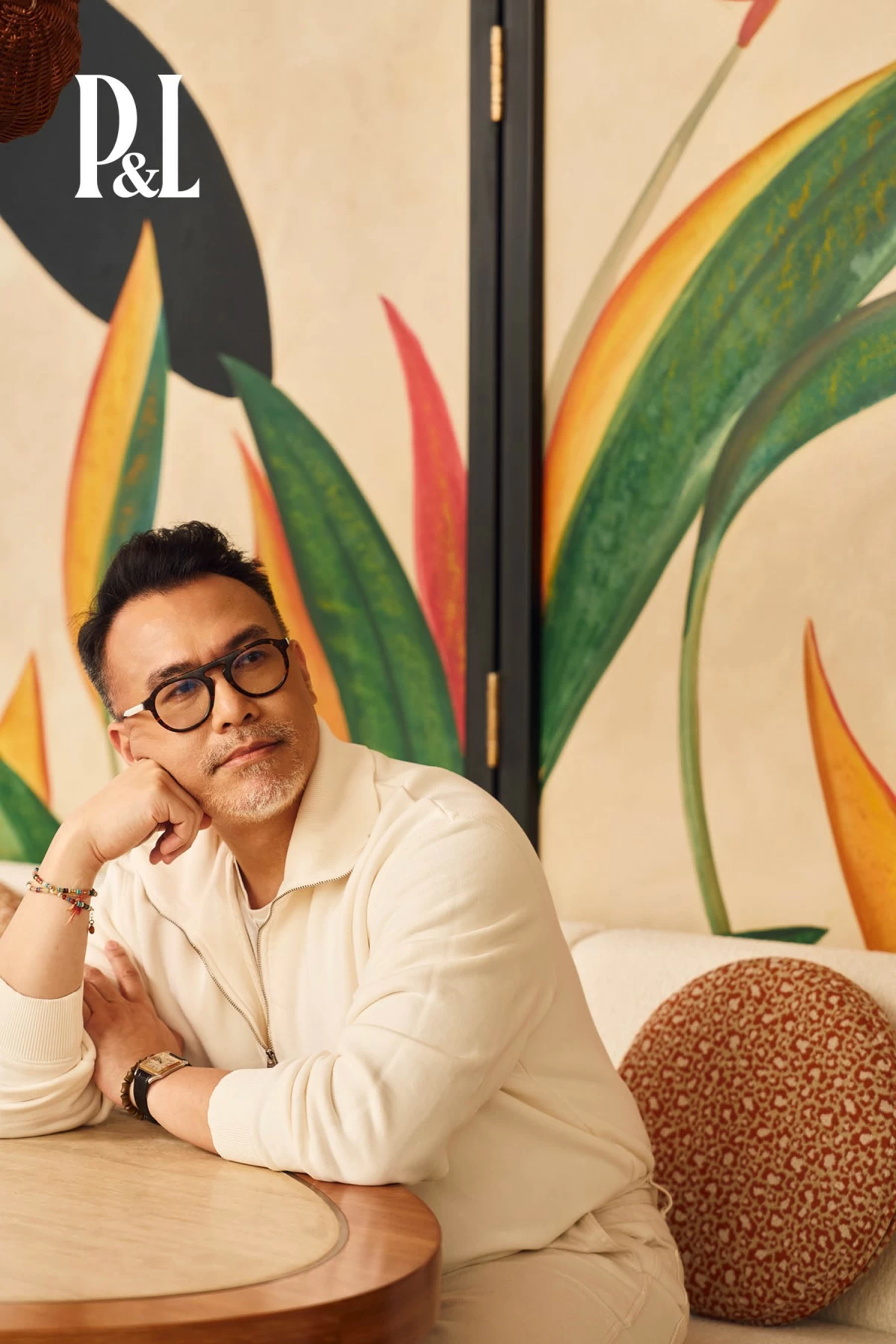
Bespoke, forward looking, and rooted in local culture: JJ Acuna reinterprets Filipino design and architecture for his design solutions at the Parklinks Experience Center. (Photos: Sonny Thakur. Grooming: Tetel Angeles of Team MVP. Photo assistants: Andrew Cadorna and Kyle Espedido)
His recent task was straightforward: create a showroom interior presenting Ayala Land’s brand of premier luxury and sustainable living in the heart of the city. From his bespoke perspective, James JJ Acuna envisioned a shared space that emphasized collaboration, community involvement, and Filipino craftsmanship and design with a global aesthetic.
Acuna is the architectural and interior creative director of JJ Acuna / Bespoke Studio, a multidisciplinary interiors and concept architecture firm he founded and focused his practice in Hong Kong and Manila, which has expanded in the Asian region. Since 2015, he has created bespoke interiors for hospitality, restaurants, retail space, offices, and residences. Designing a showroom for a property development is a first for him.
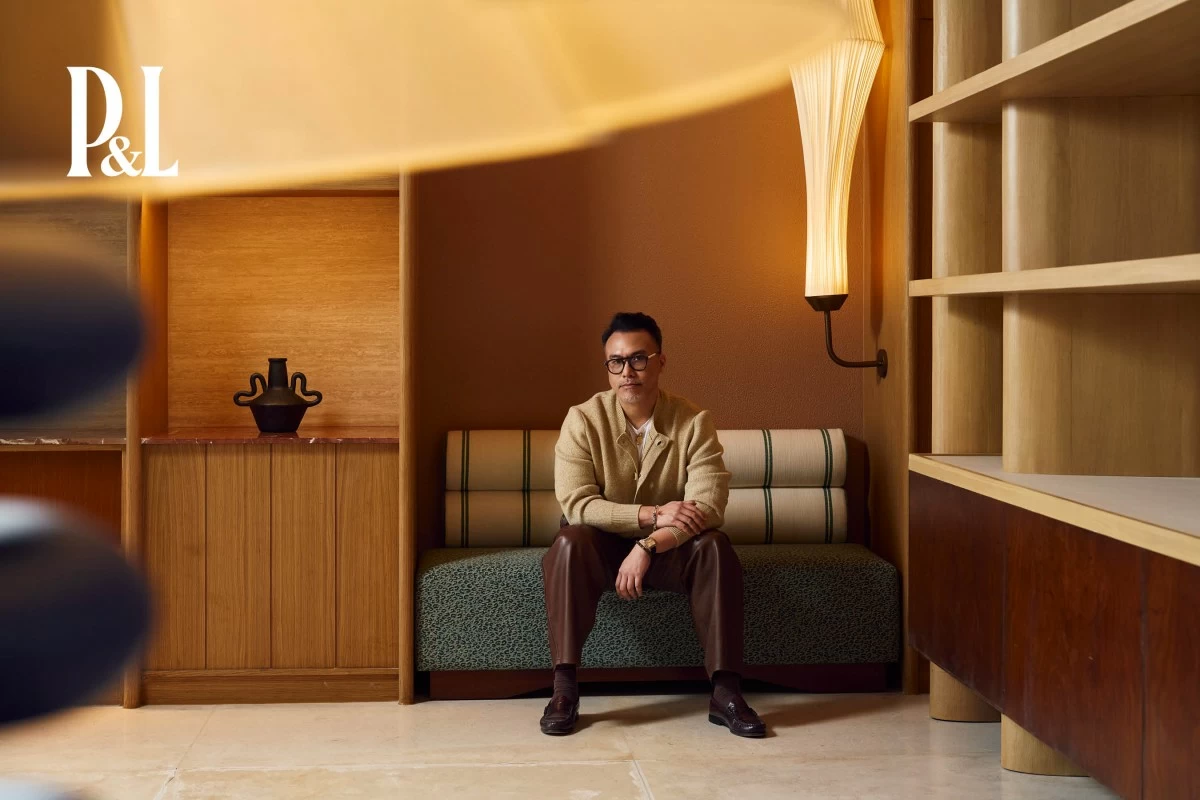
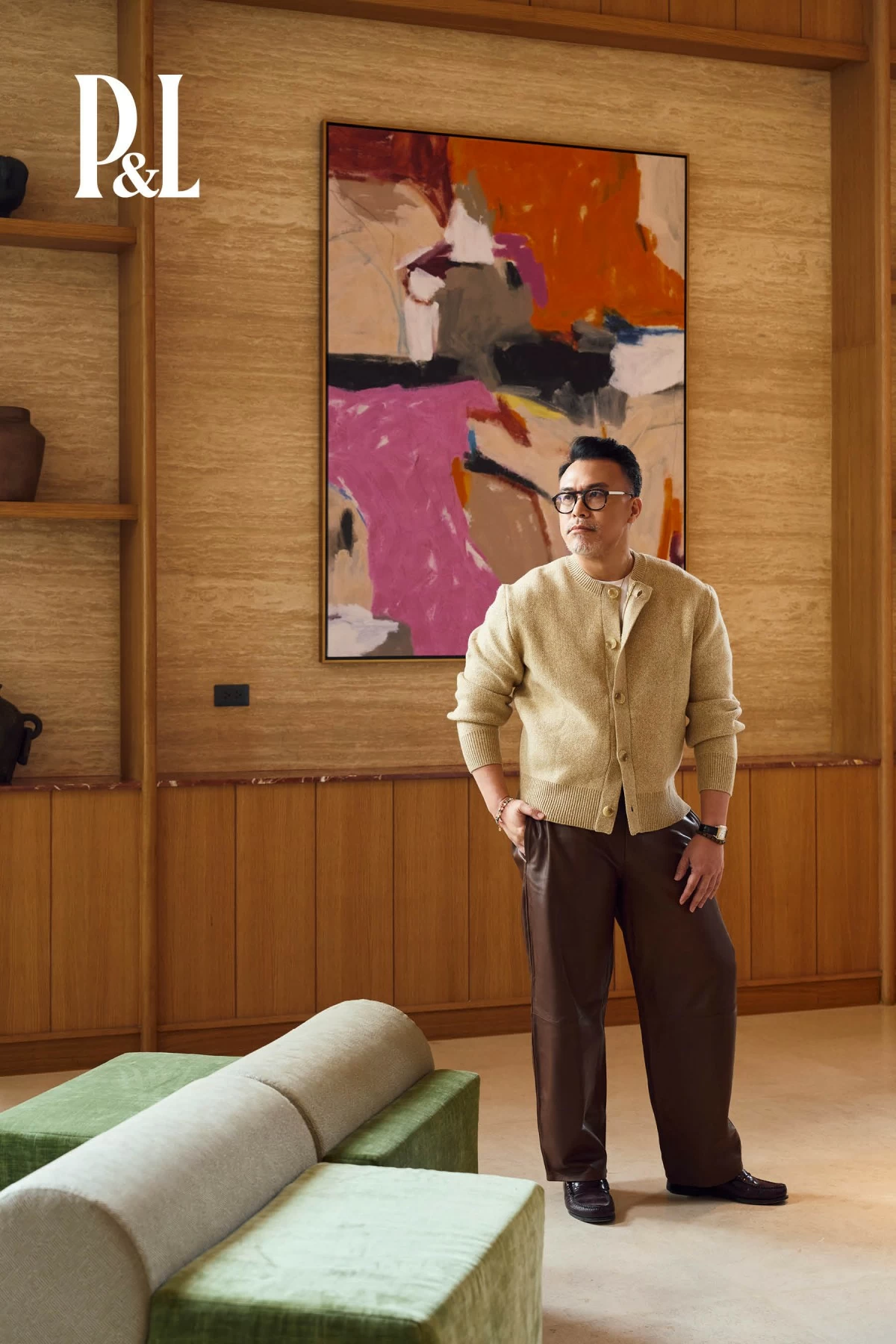
The Parklinks Experience Center offers a glimpse of the lifestyle aspired to by future residents at Parklinks Estate. Spanning 35 hectares, the sustainable mixed-use development has 50 percent dedicated space to open areas, greenery, and interconnected pathways. The estate, a joint venture of Ayala Land and Eton Properties, is home to residential projects such as Parklinks North and South Towers, and The Lattice, as well as commercial developments like Parklinks Mall.
Approximately 4,000 sqm, the center welcomes guests with a warm, spacious, relaxing vibe, encouraging conversations that explore the possibilities of living the lifestyle in an Ayala Land or Alveo property, as showcased in showflats with the massive scale models. From the usual setup for meetings, the single-story building center features a reception area, main gallery, courtyard, seller's pantry, and model units for Parklinks North and South Towers and The Lattice. The space can be flexible and communal, offering opportunities to host events, talks, or activated programs.
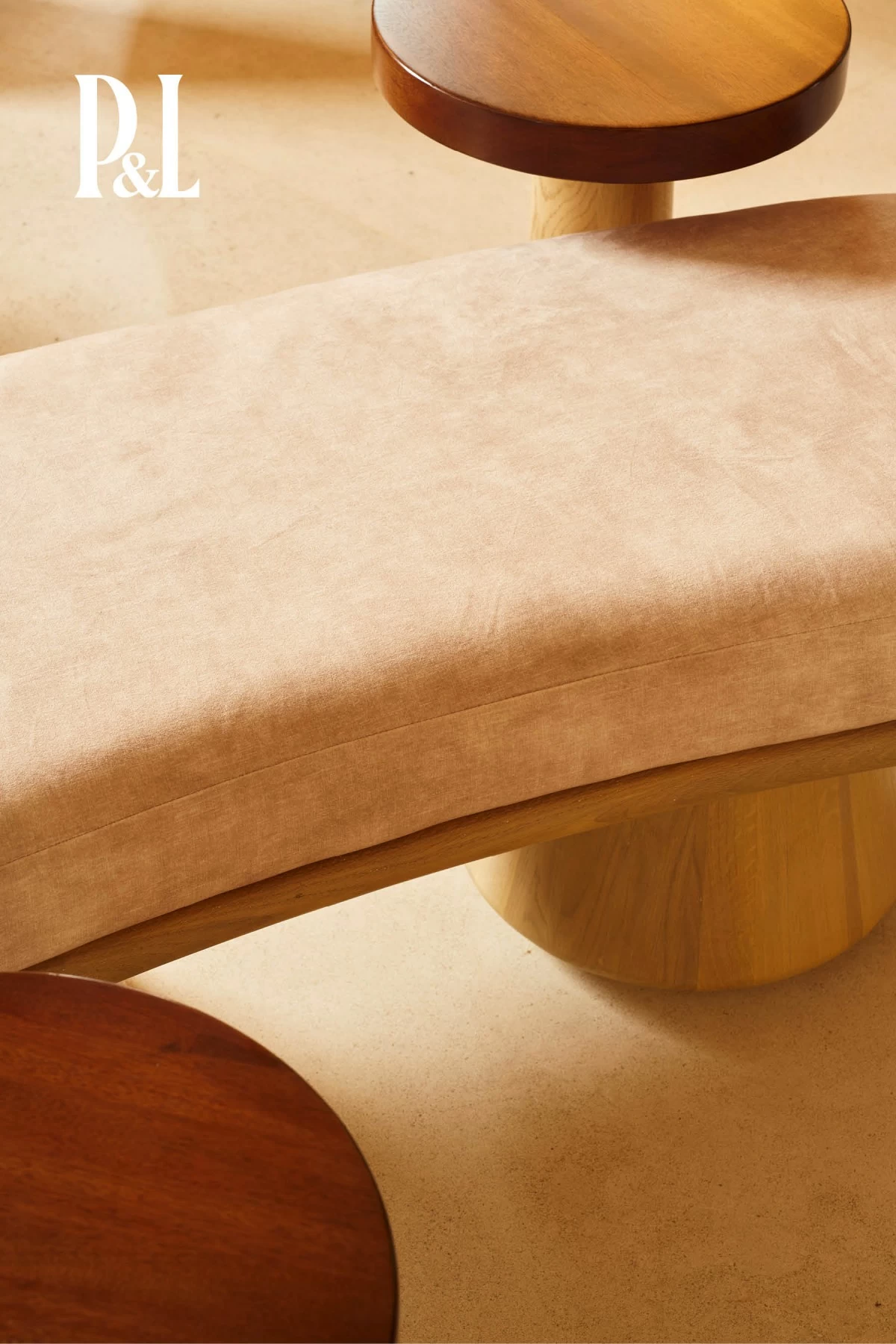
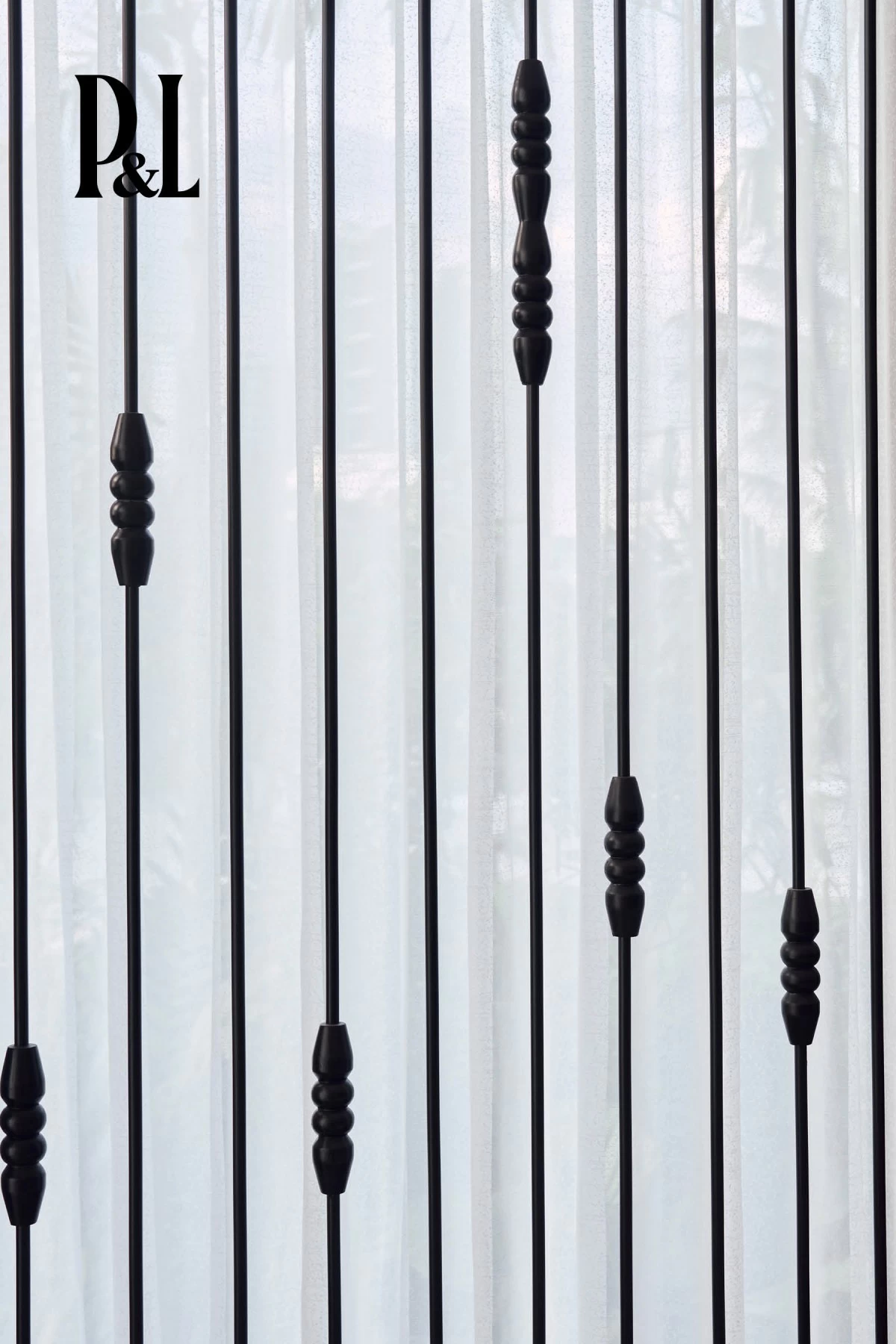
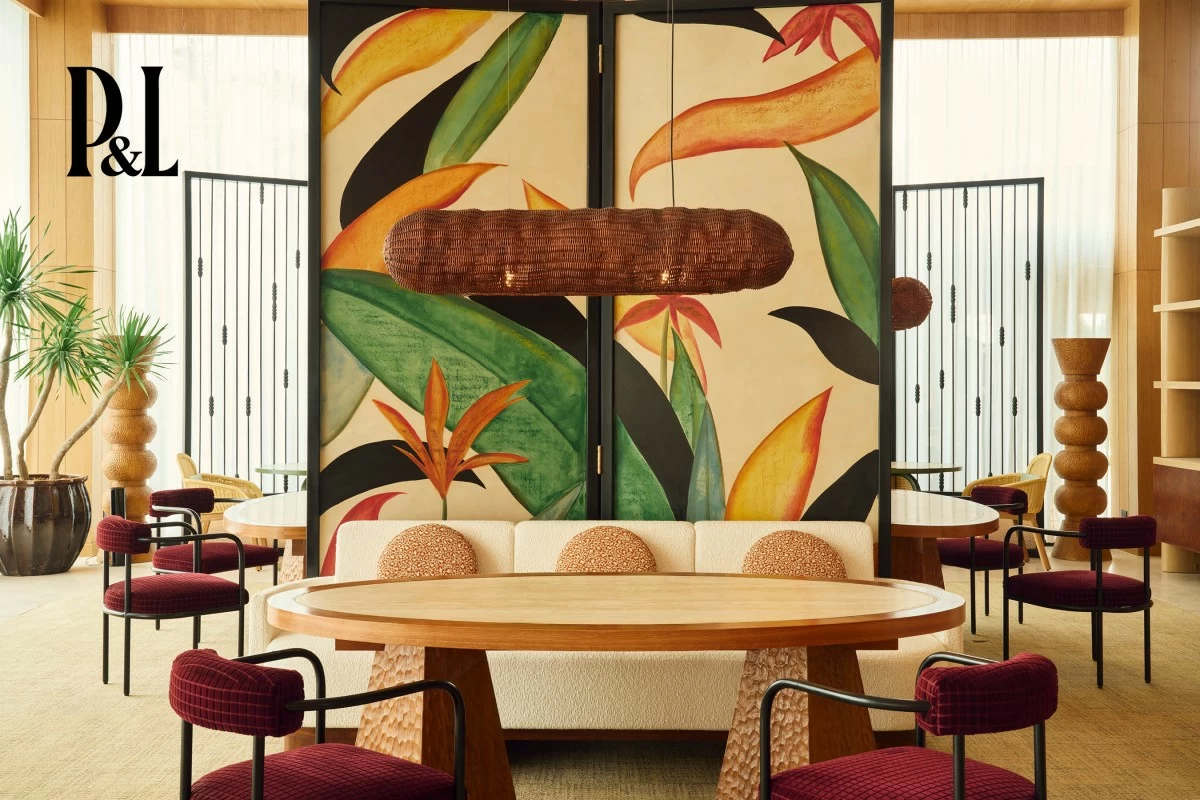
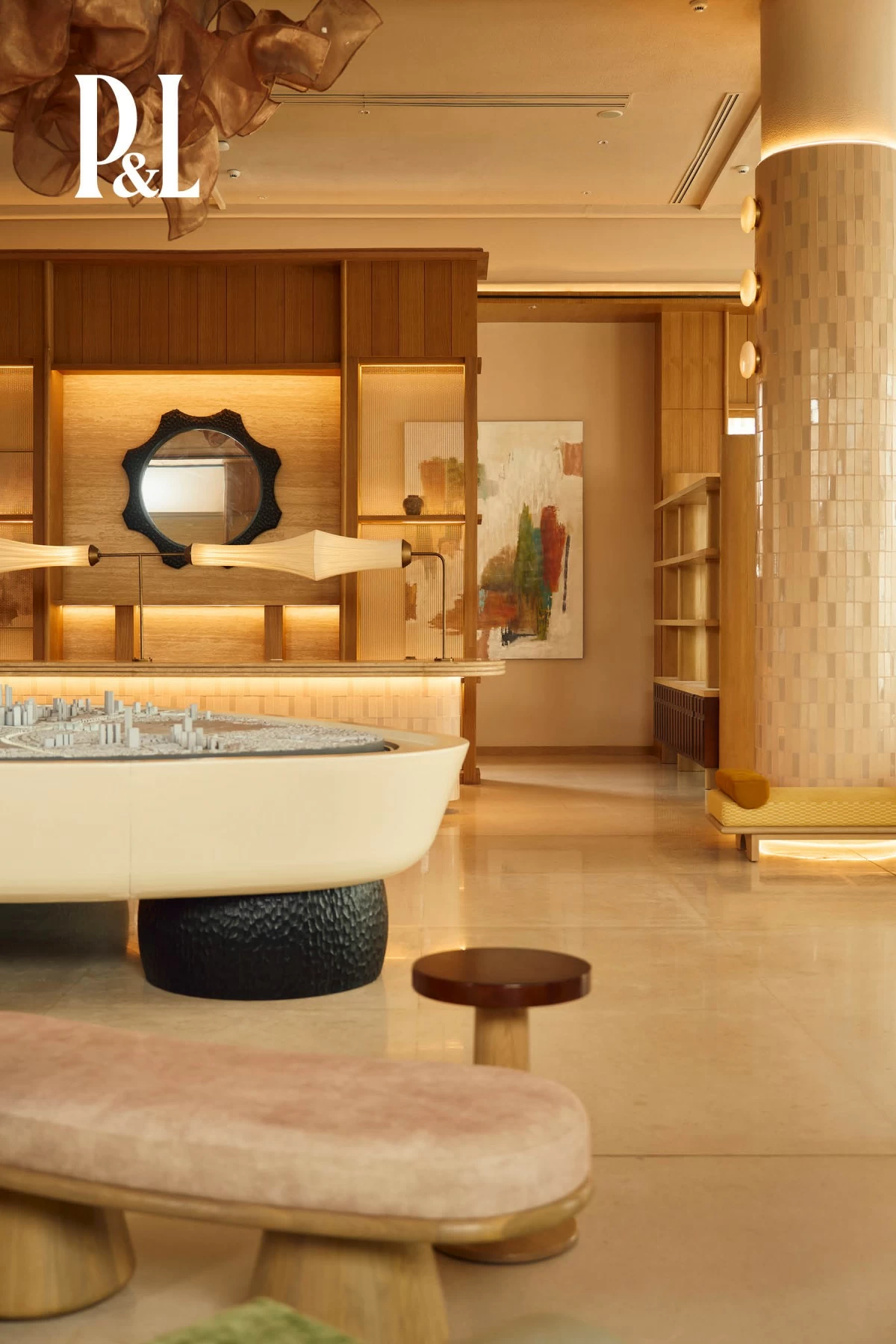
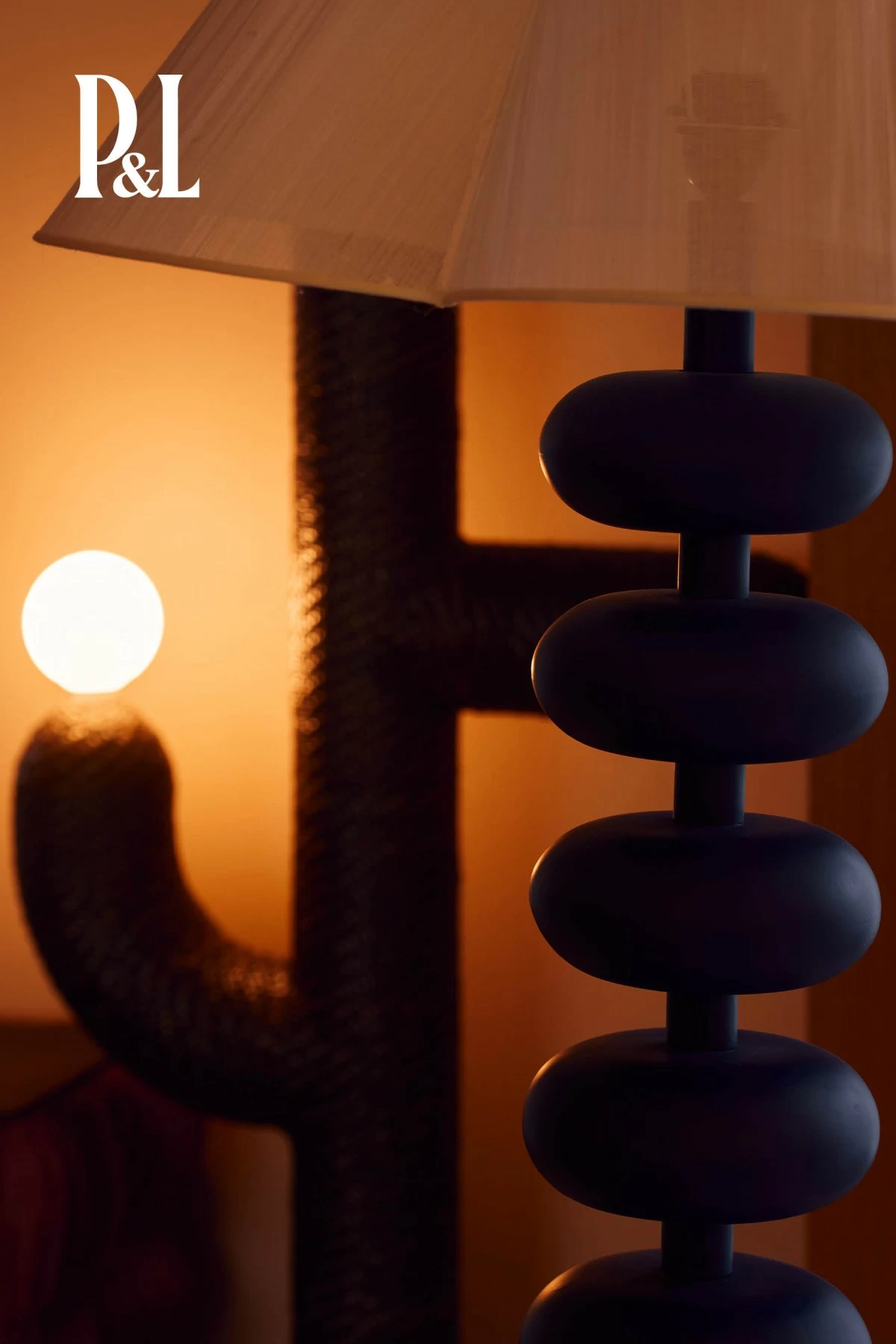
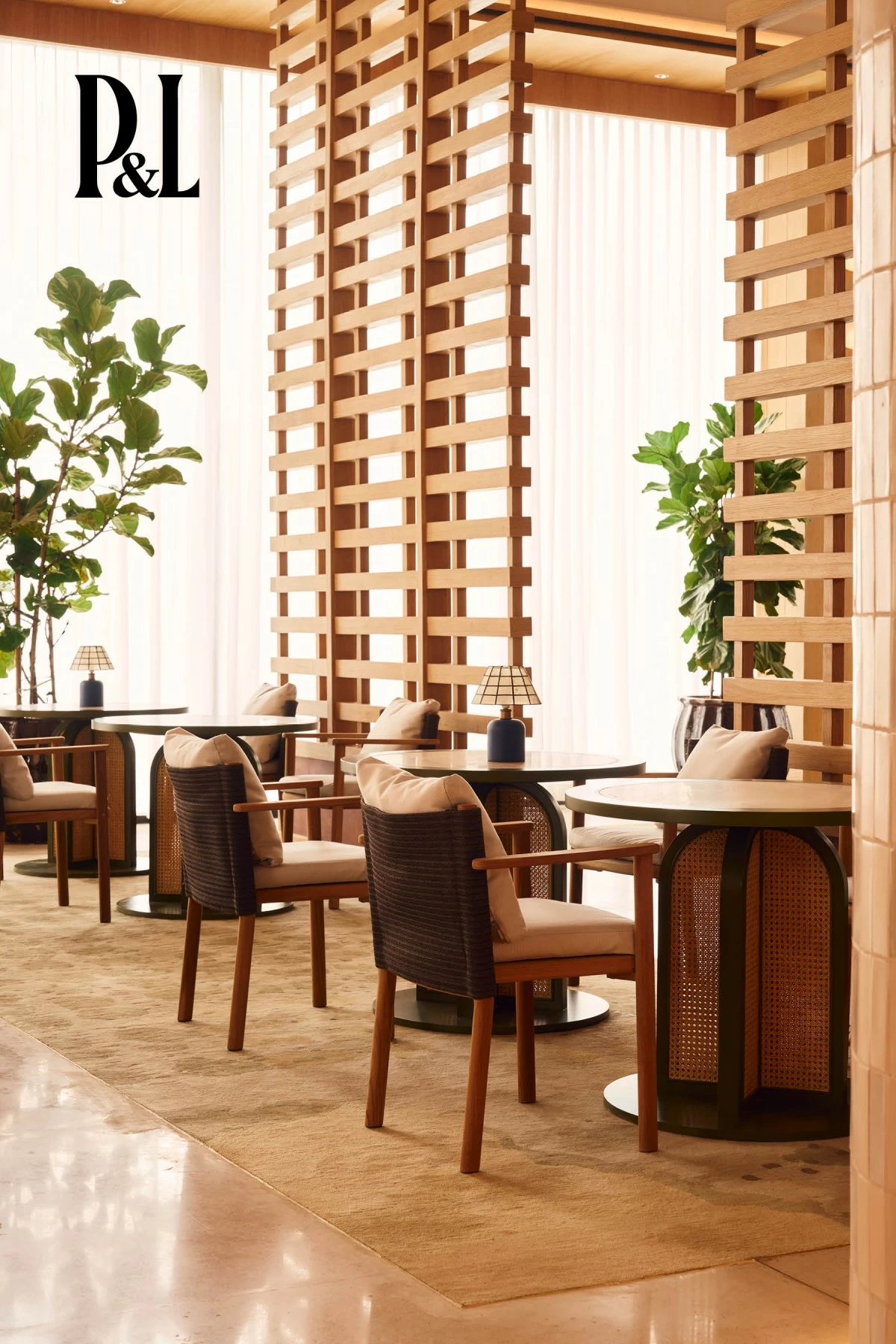
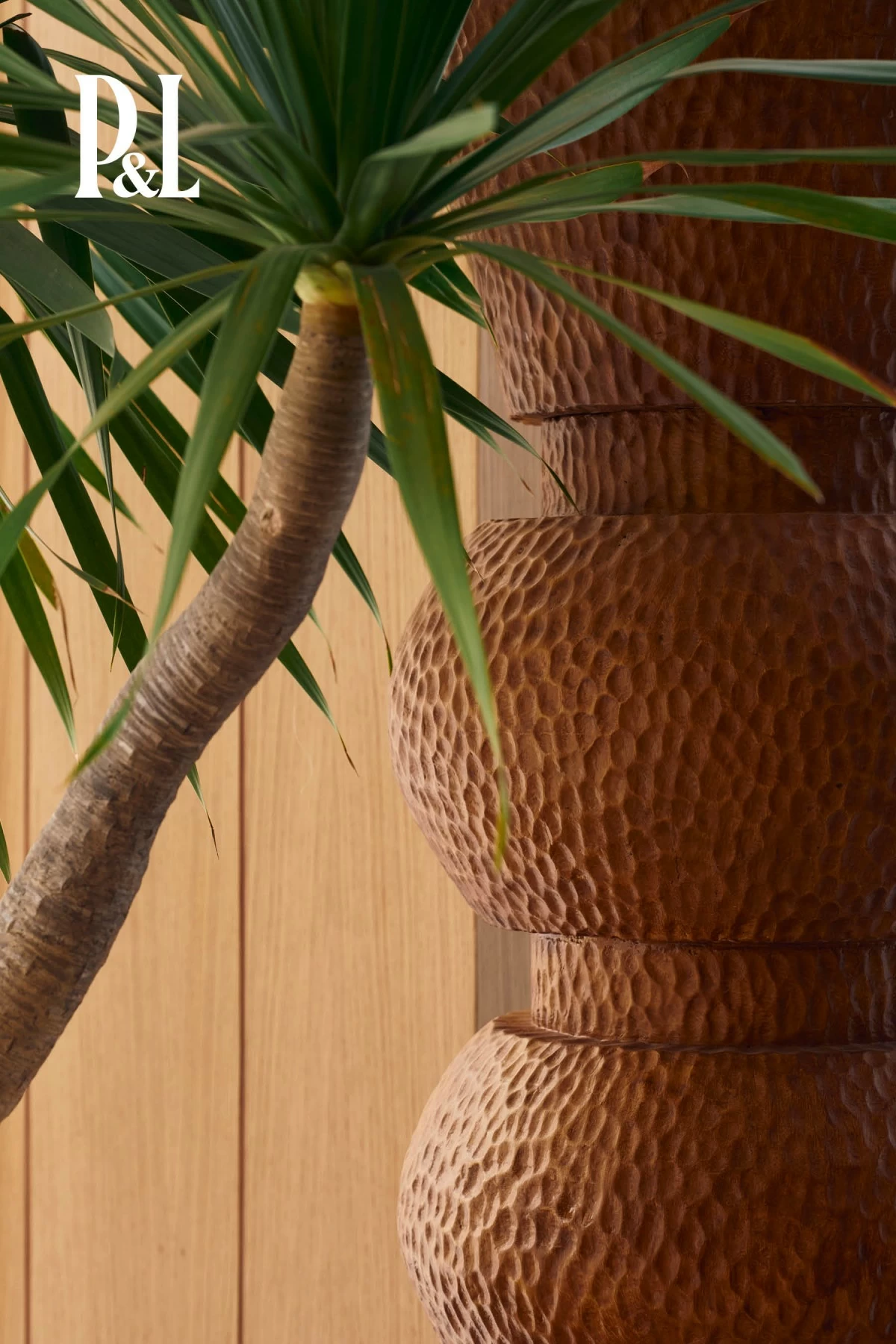
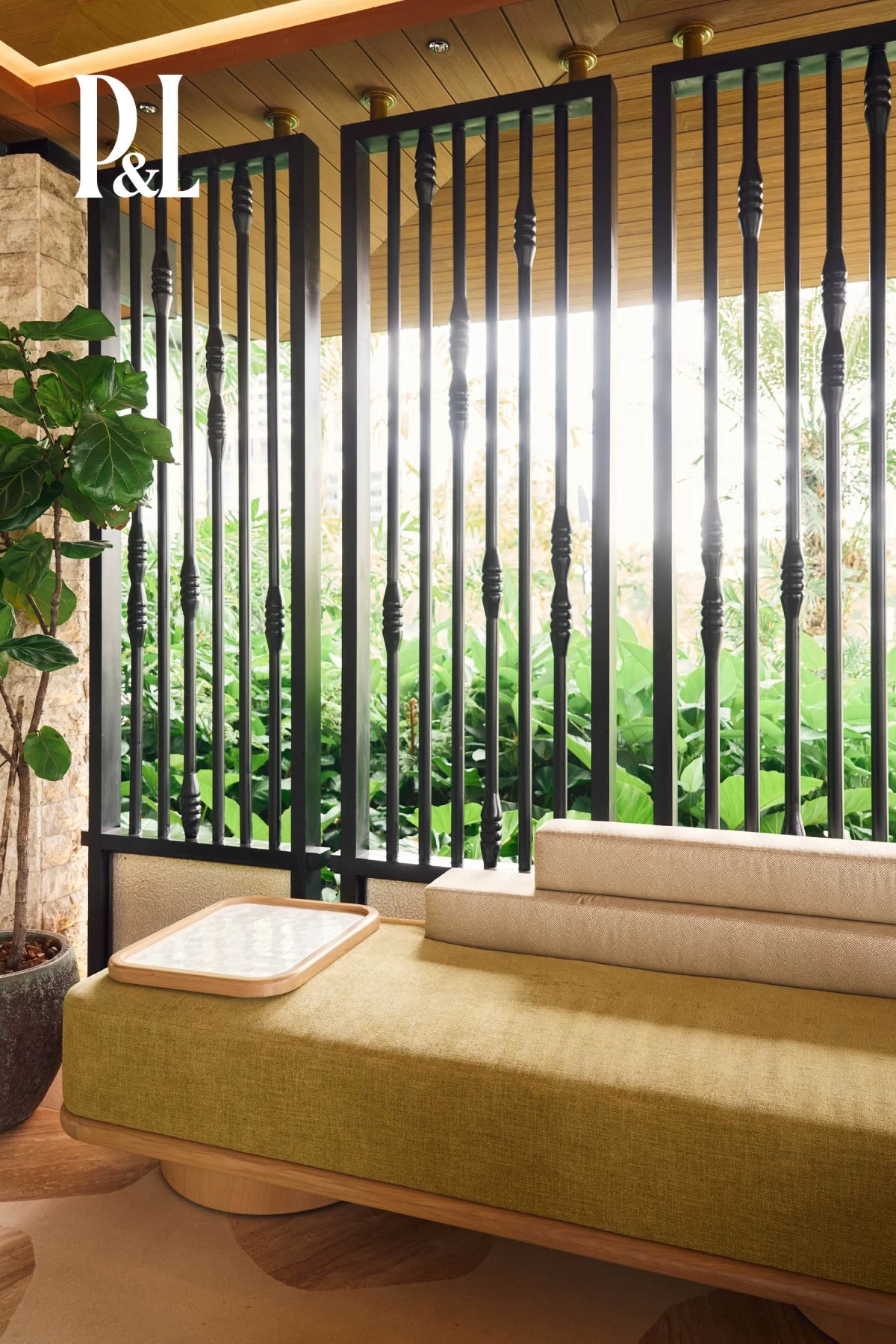
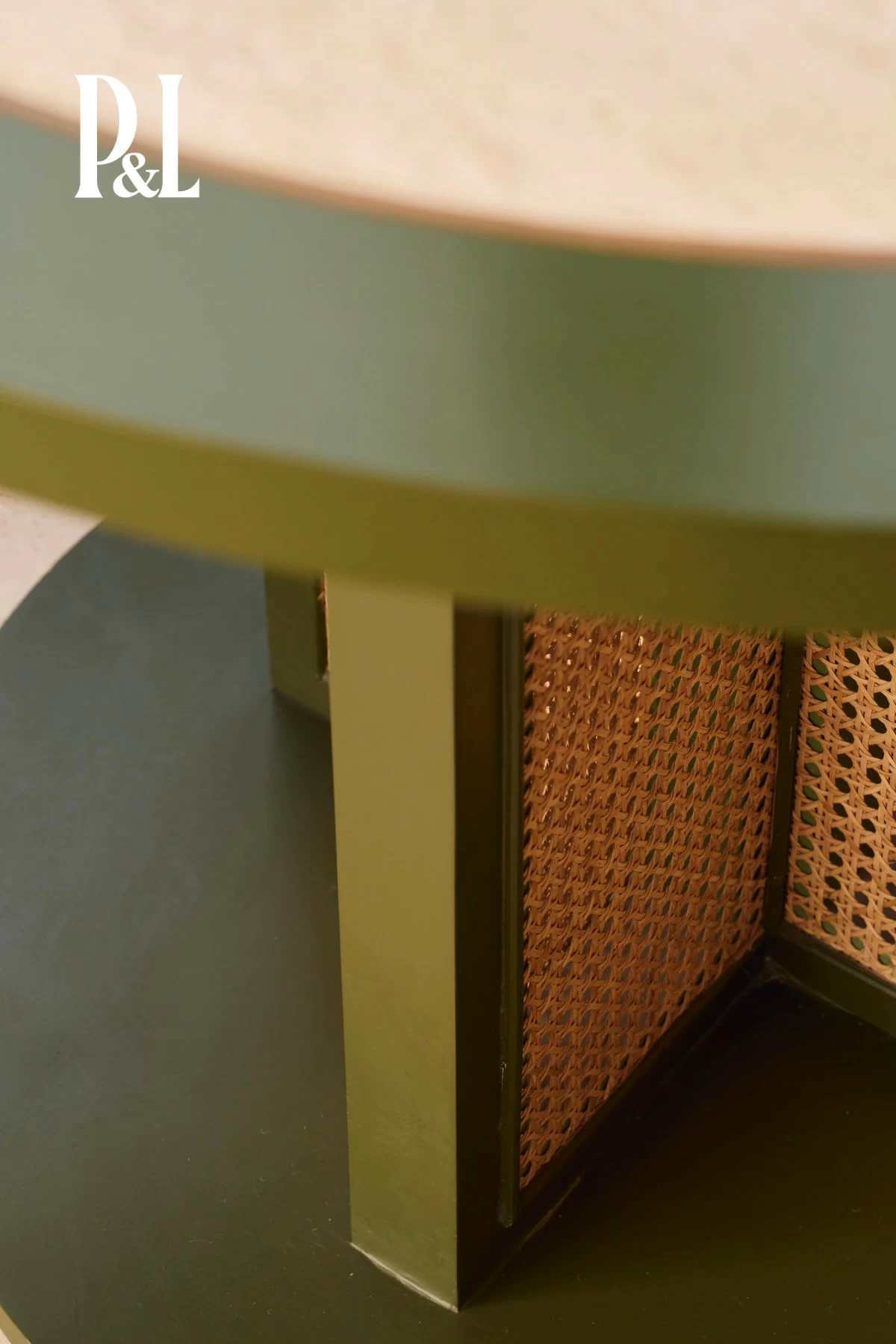
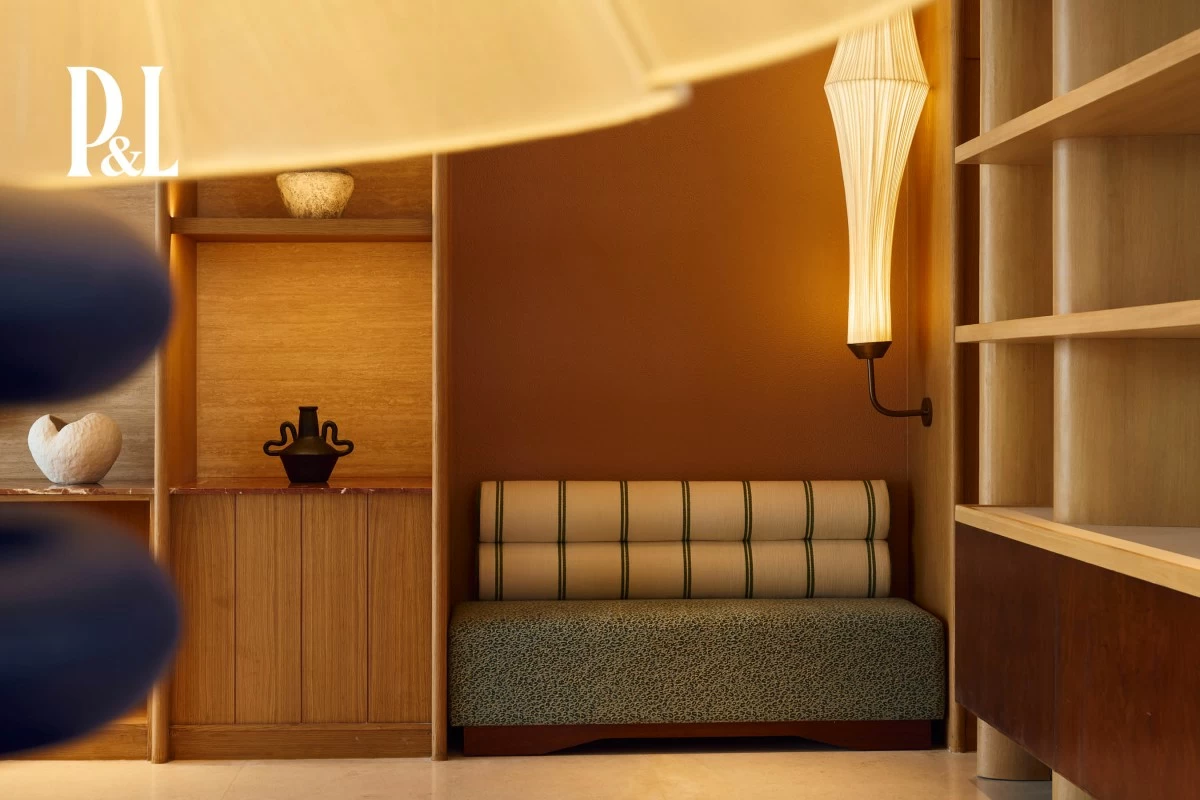
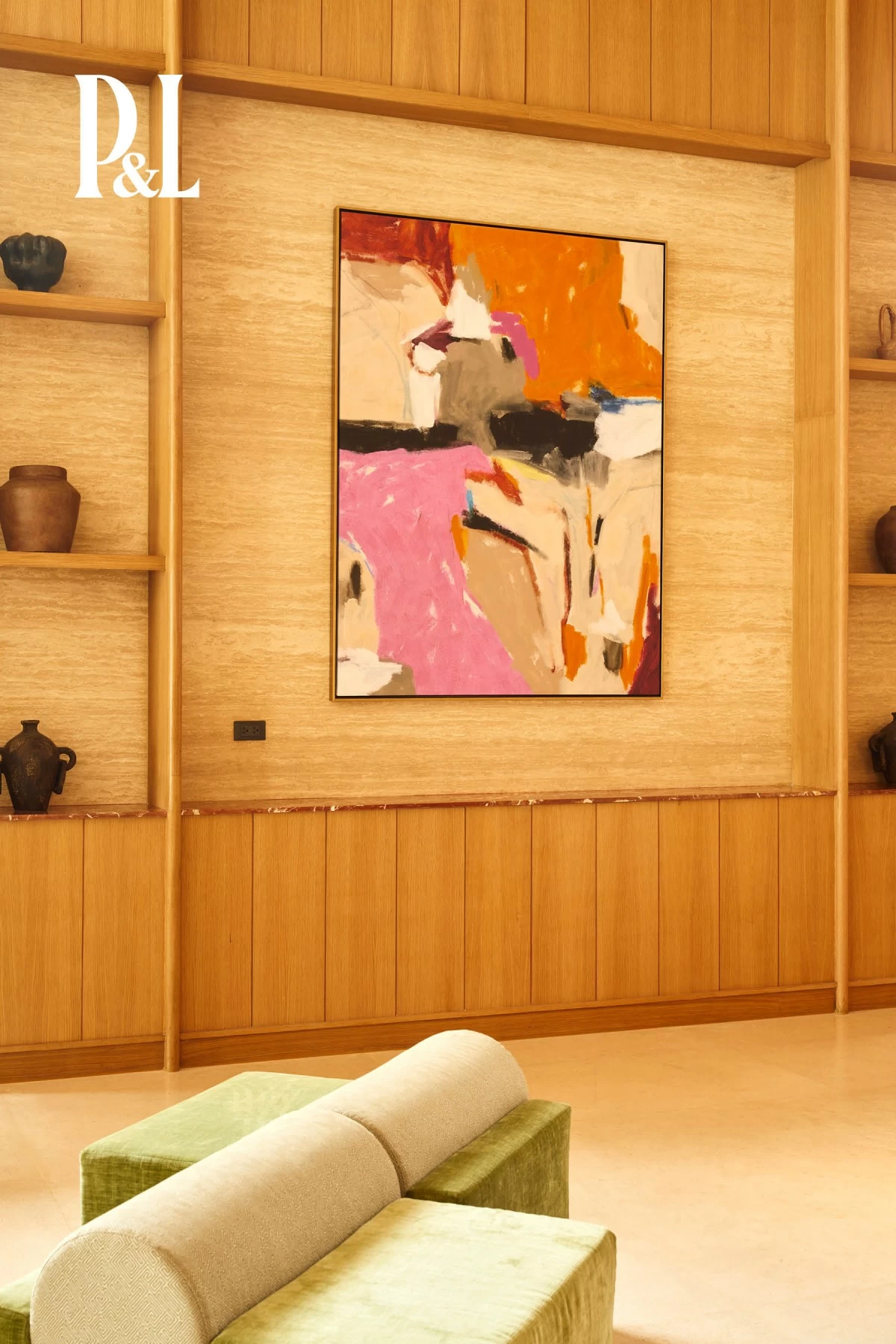
From a commercial area, Acuna took the main gallery and the Parklinks North and South Towers showflats to the next level by reinterpreting the space crafted with a localized story and hospitality.
“I've always been interested in showcasing what it is like to have a Philippine home or residence in 2026 and beyond. The Parklinks Experience Center is still programmed to be a showroom, but I want it to mirror a domestic residential project staging collaboration with local craftsmen and fabricators, with design and architecture honoring the Filipino taste. So that's my biggest takeaway: How can we create it into a community space that embodies the Filipino spirit?” asks Acuna.
Since the stand-alone structure sits in the middle of the park with lots of greenery, Acuna found it most suitable to incorporate features of a conservatory, an emerging and aspirational design trend in modern Filipino homes. Embodying sustainable living principles, the center carries an open-plan layout for ventilation, floor-to-ceiling glass panels to invite sunlight and scenery, and natural materials like hardwood, capiz, fabrics, and rattan, among others, for the tropical aesthetic.
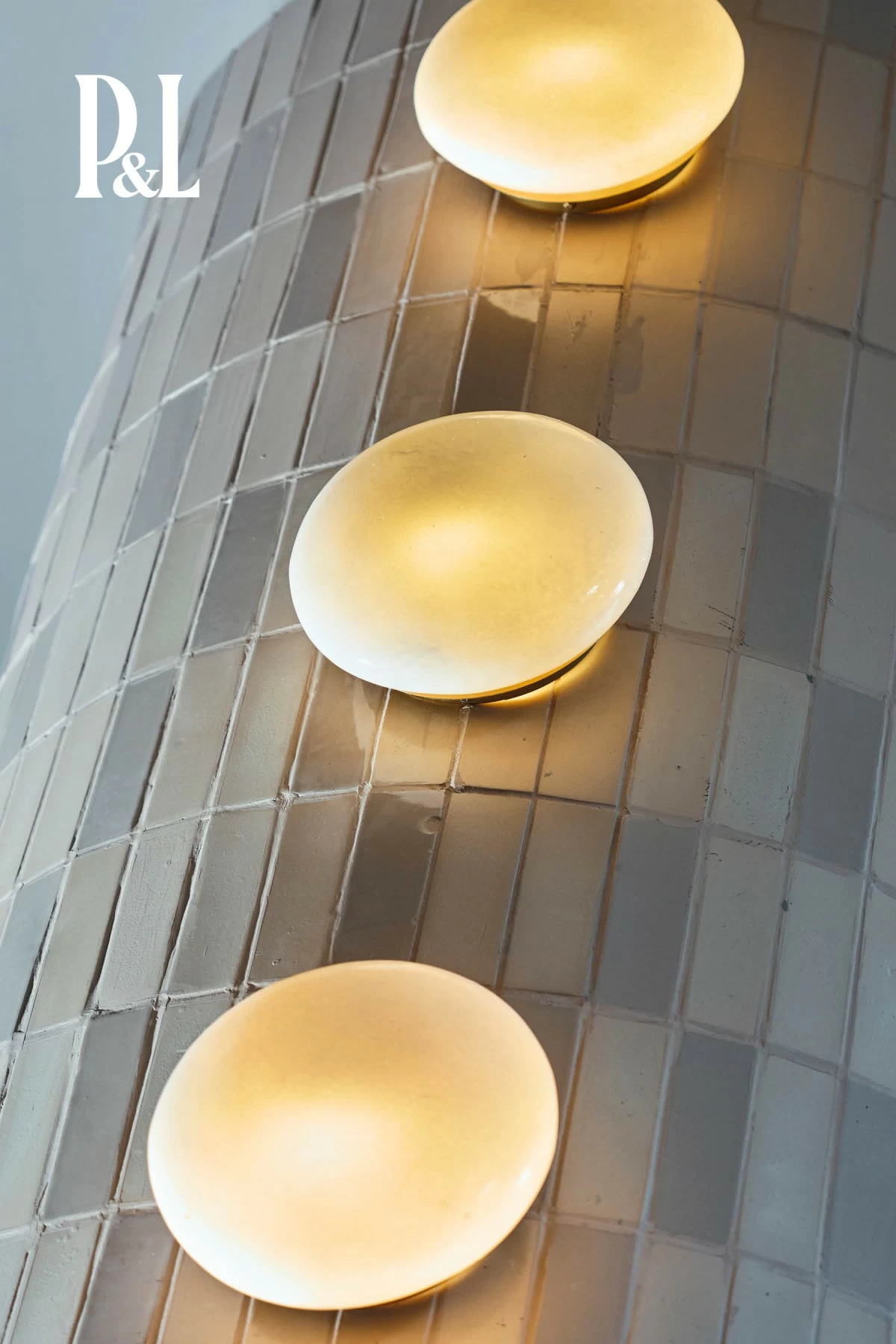
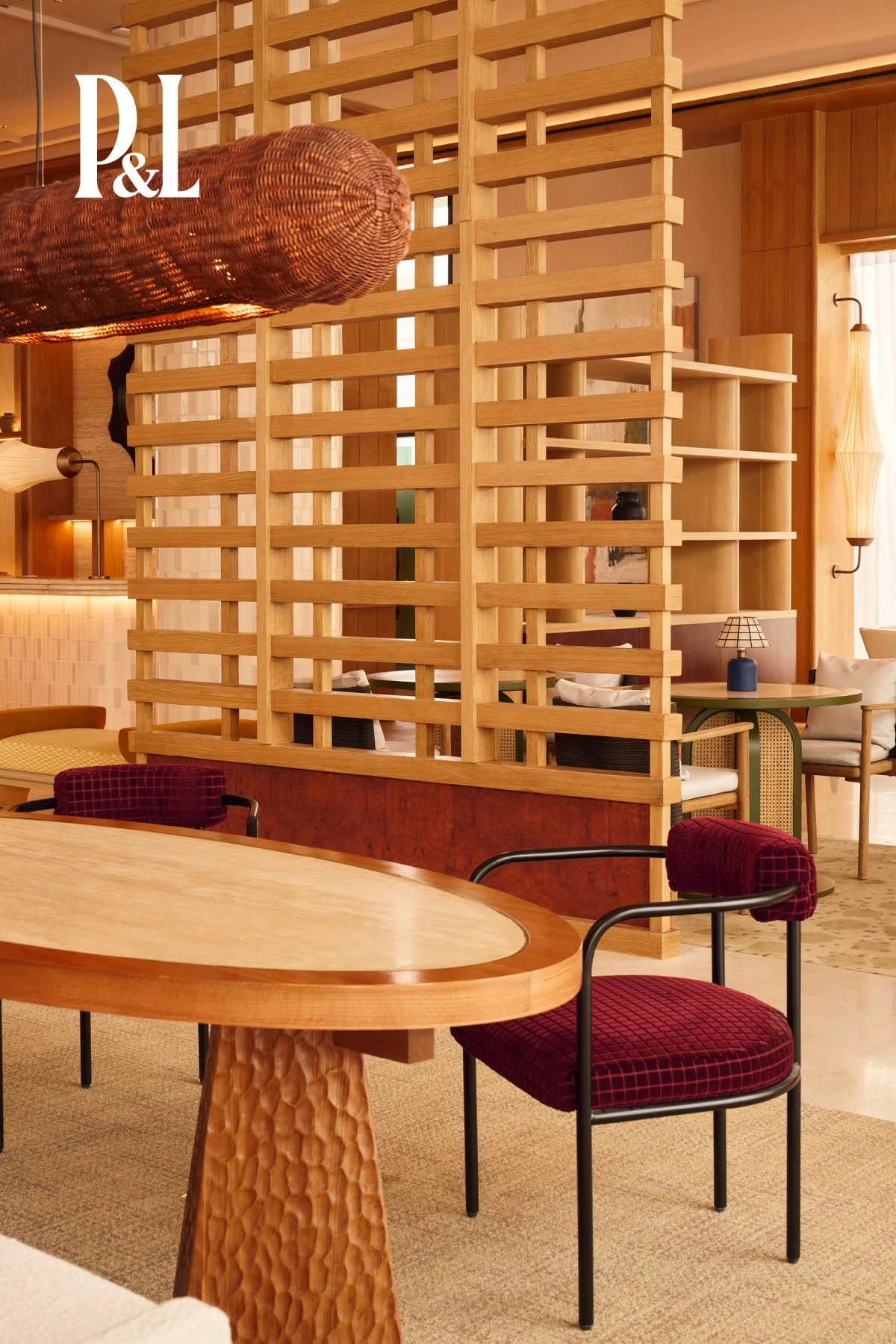
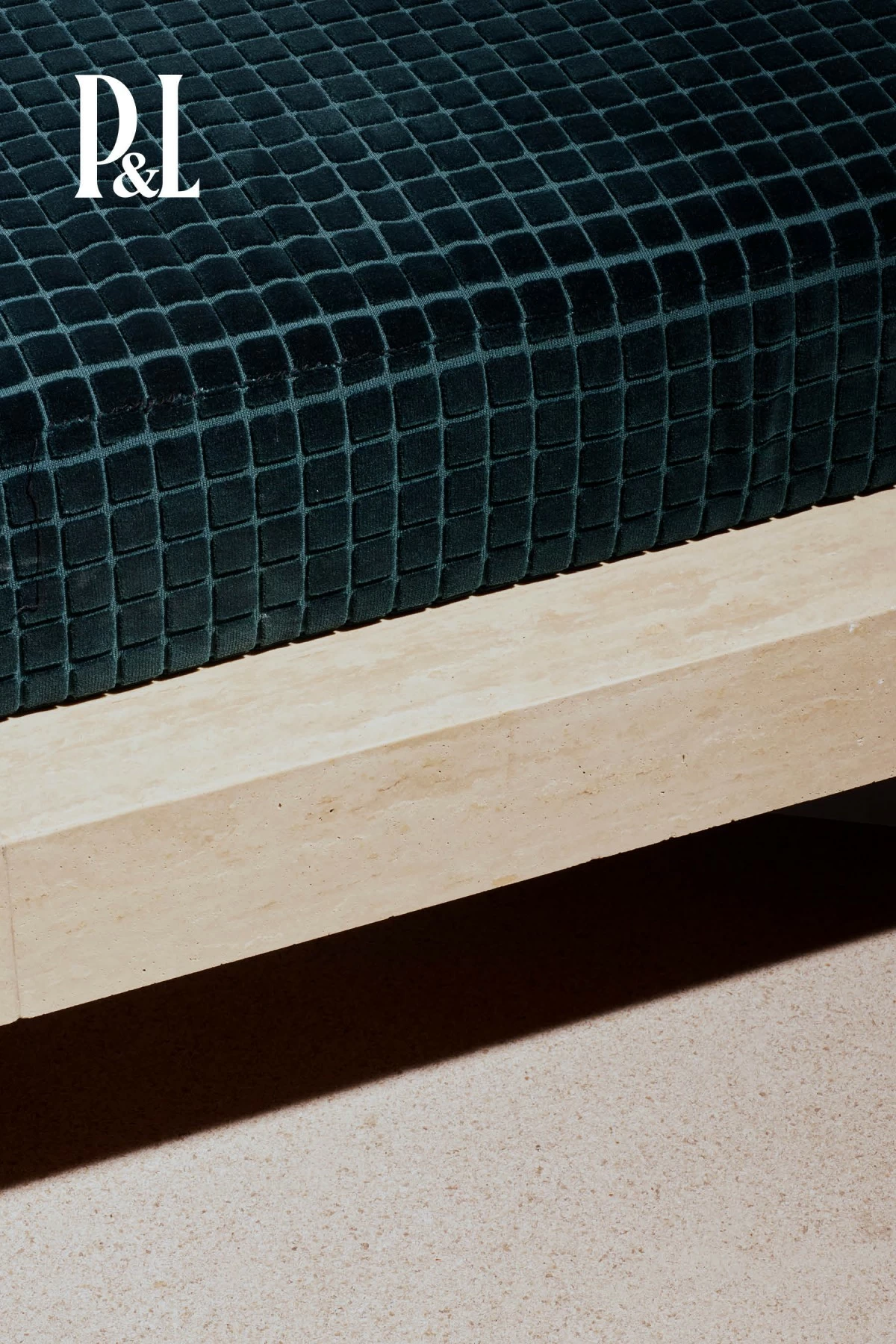
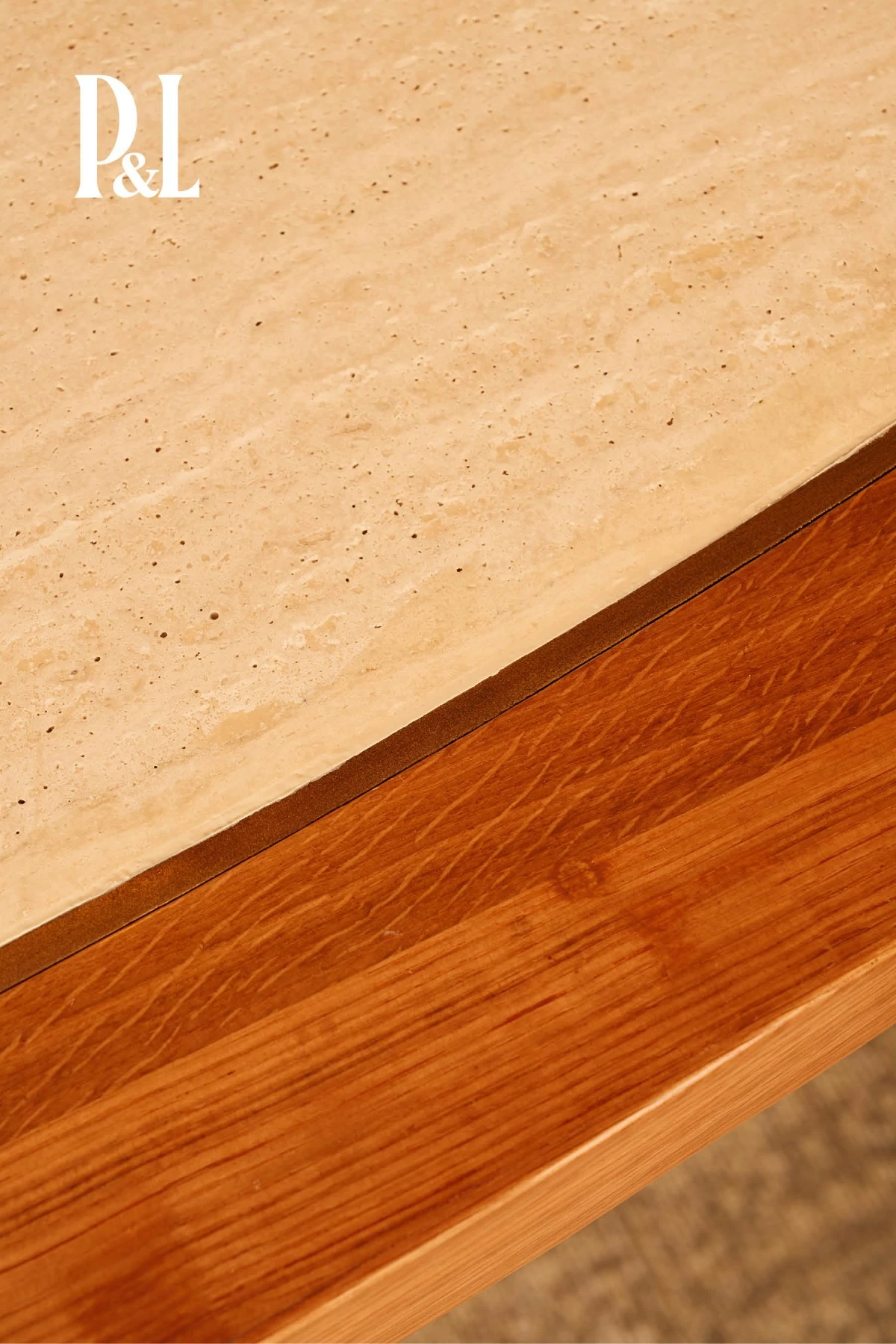
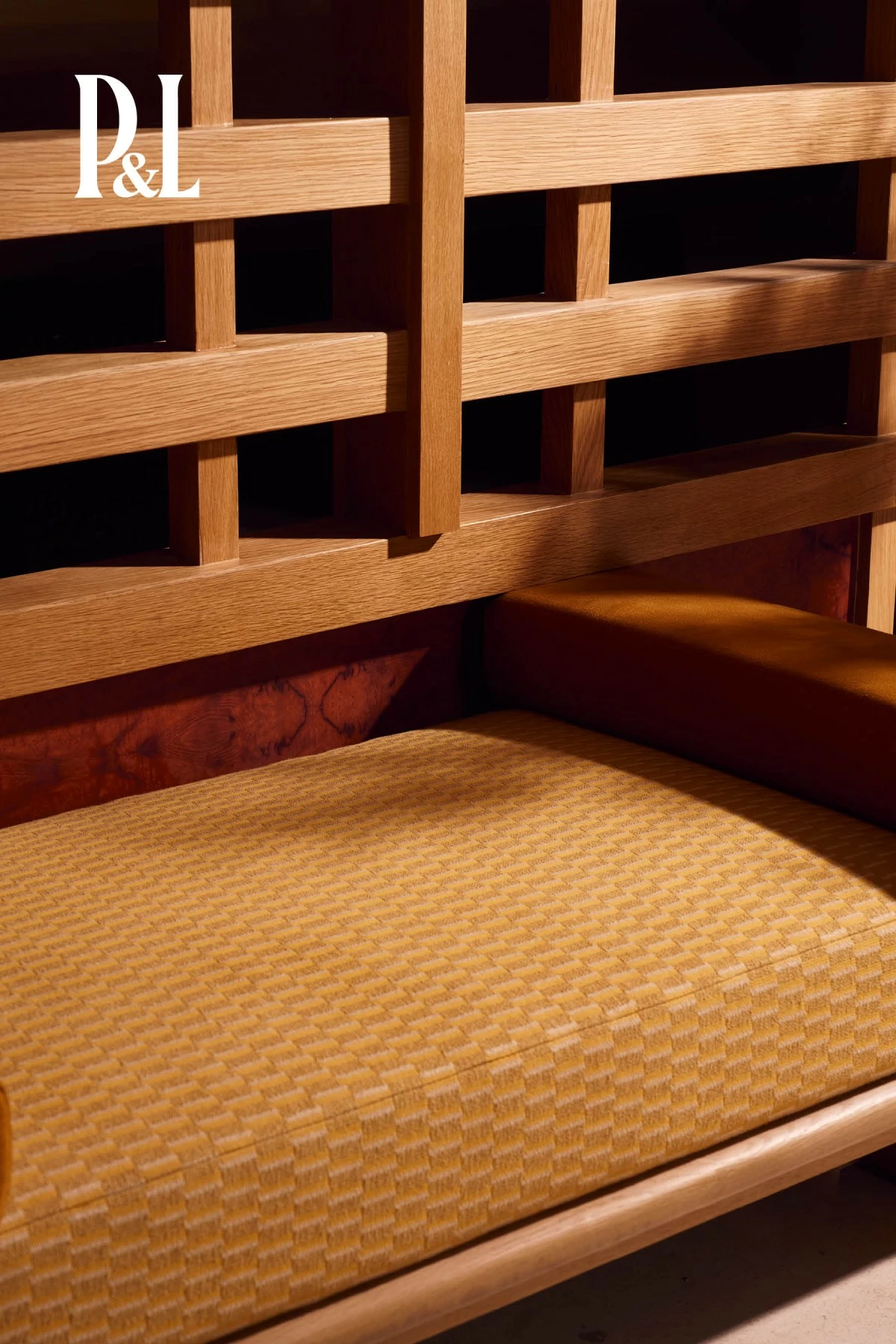
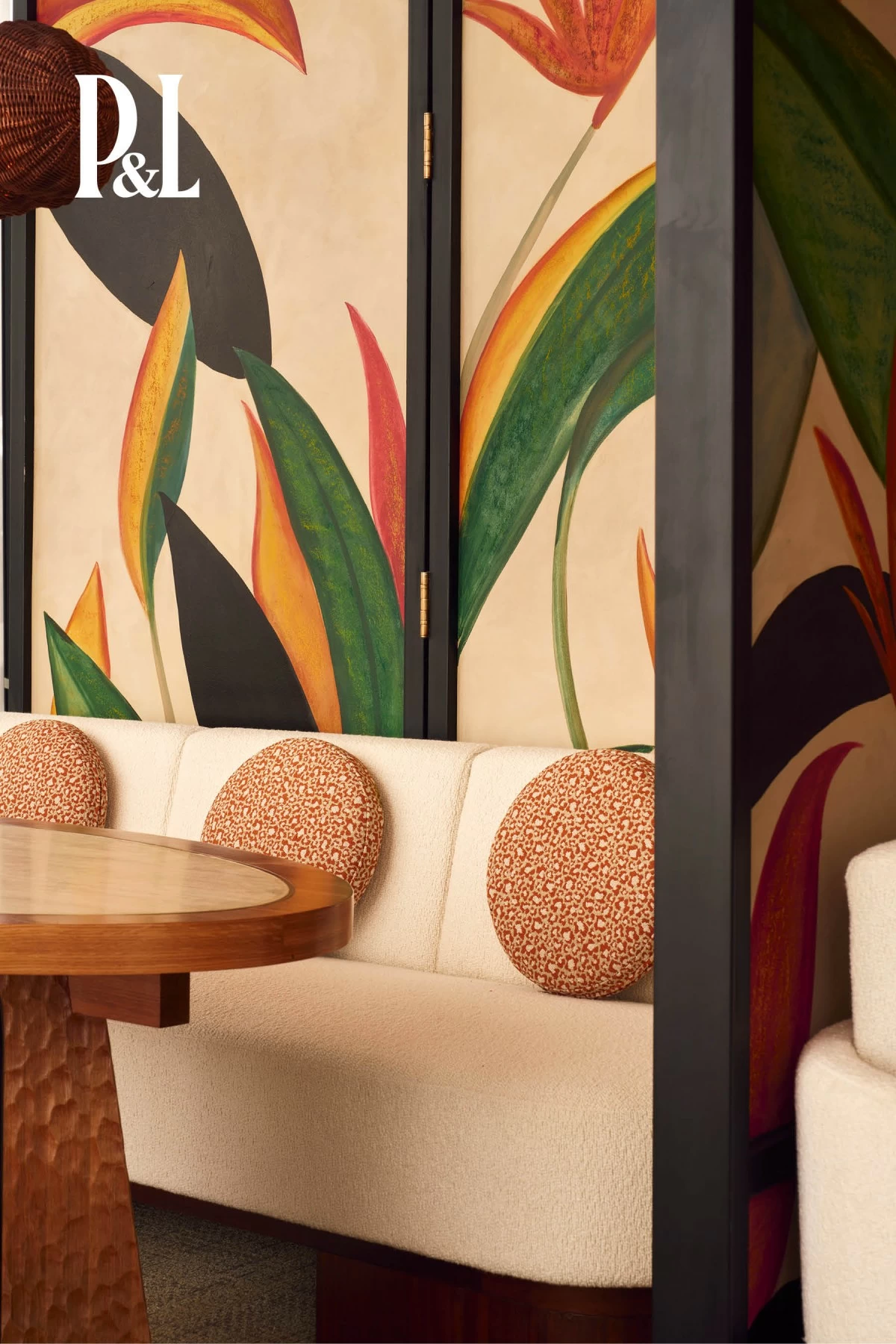
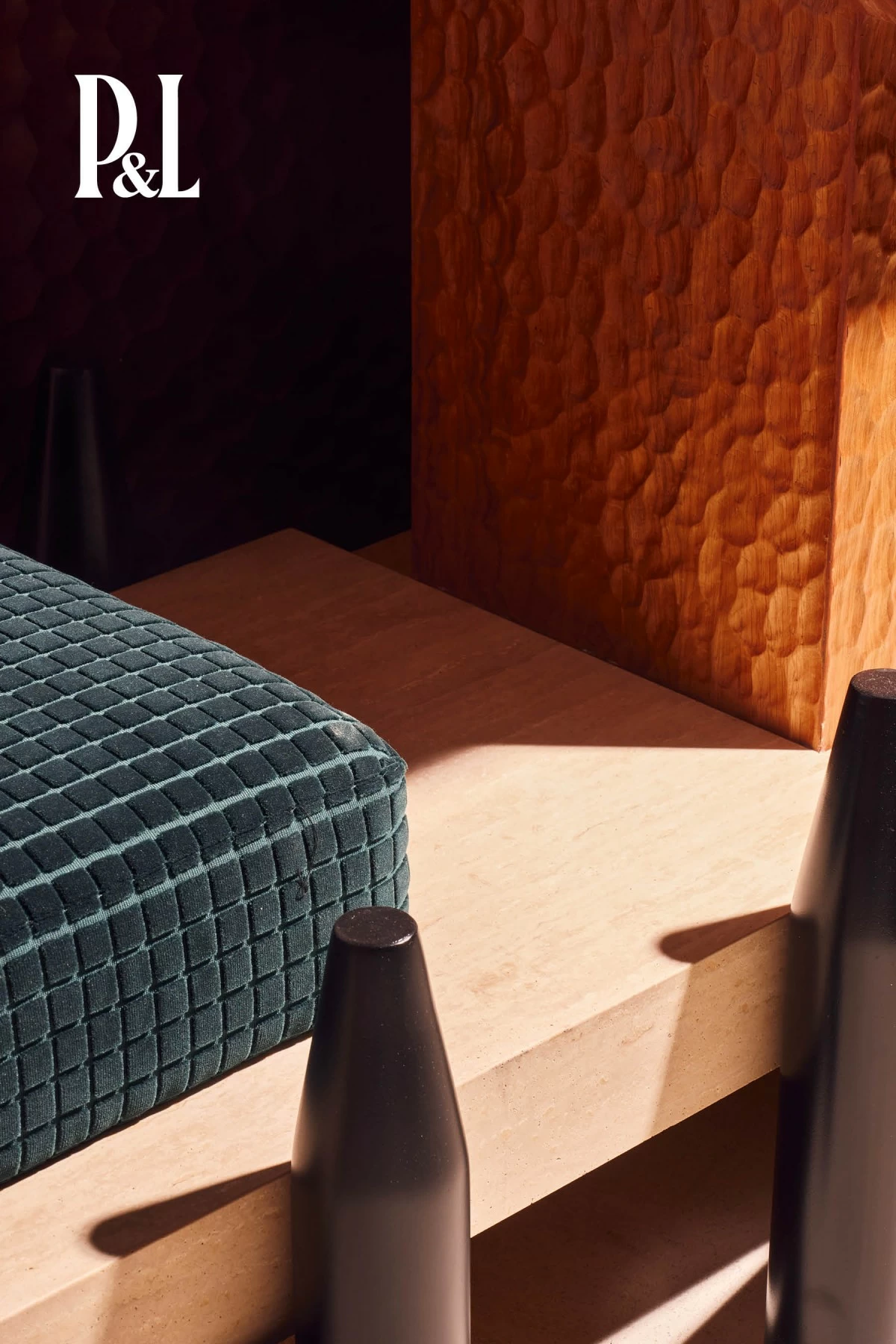
From being a showroom to an experience center, the space has evolved to be versatile enough to host events, community talks, cooking demonstrations, and salon nights. The shift has allowed the space to be an intersection for the community to converge and connect. “The most important part of the conservatory concept is that you can sit in a very comfortable way with friends and relax, not to feel uptight, just like you would in a formal area,” explains Acuna. “So, the idea of this place is to generate opportunities in a conservatory for community involvement,” he added.
To amplify Filipino contemporary design, Acuna grouped together local artisans and fabricators to produce furnishings and accessories for the center. “I want to see ‘Filipino-ness’ in the environments that we have, in our hotels, residences, and office towers, instead of simply copying what we see abroad. I'm trying to explore and showcase contemporary Philippine design in the vernacular that also caters to global taste. Whenever you visit Thailand or China, you get to see their local contemporary designs. So, I'm pretty sure you can come to the center and appreciate the Filipino flavor that is being offered here as well.”
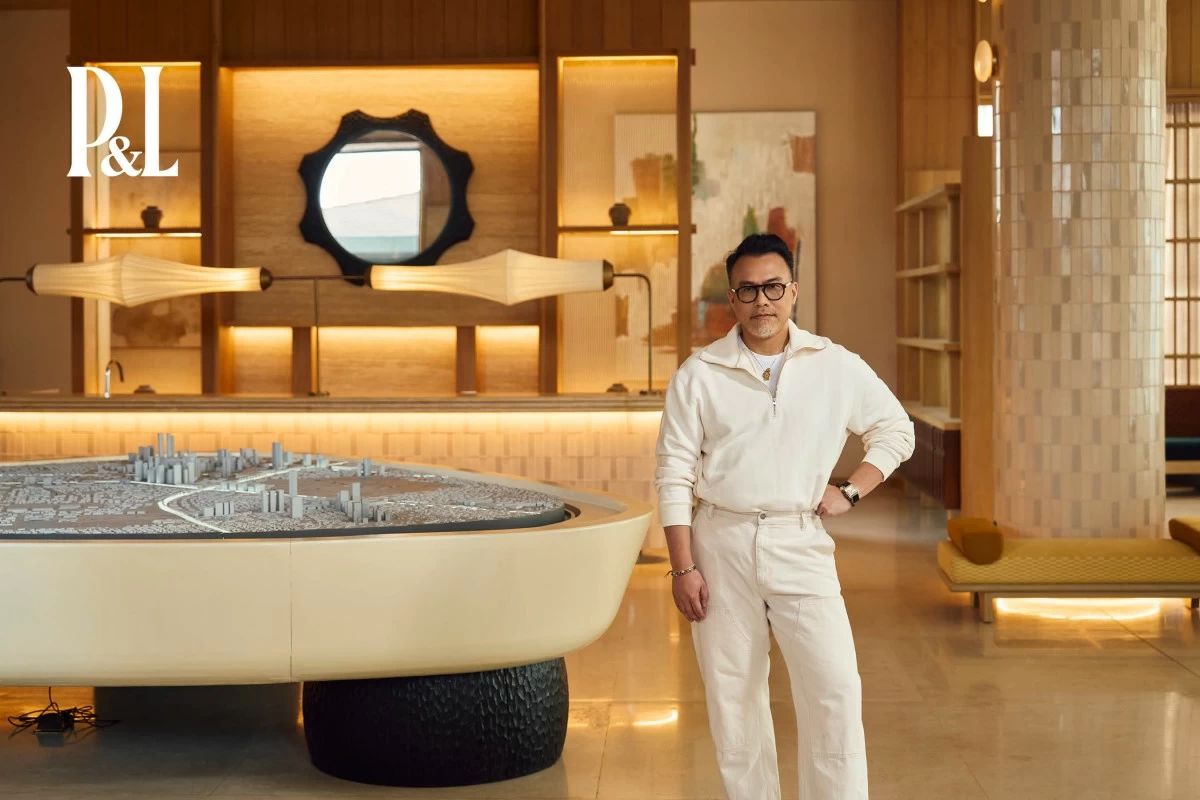
Being bespoke in his creations, Acuna customized the furniture, functional pieces, and décor, which was produced by local craftsmen, a practice ingrained in his work. To name a few, he worked with muralist Tara Soriano for the painted panels, Azcore Lighting Systems for the lights, Mejore and E. Murrio Manila for the furniture. Even the tiles on the columns were custom-made to look handcrafted. Everything is local with a few exceptions, such as the chairs bought from a well-known brand in Spain, the gold and copper hanging sculpture fabricated in the U.S., and the area rugs made in India, according to his design and specifications.
“We do that for our Hong Kong market, so we brought the way we do things here. And I don't see why people don't do more of it, because we have all the craftsmen here. I wanted this project to really highlight our craftsmanship and our people. And these pieces are on a luxury level,” shares Acuna.
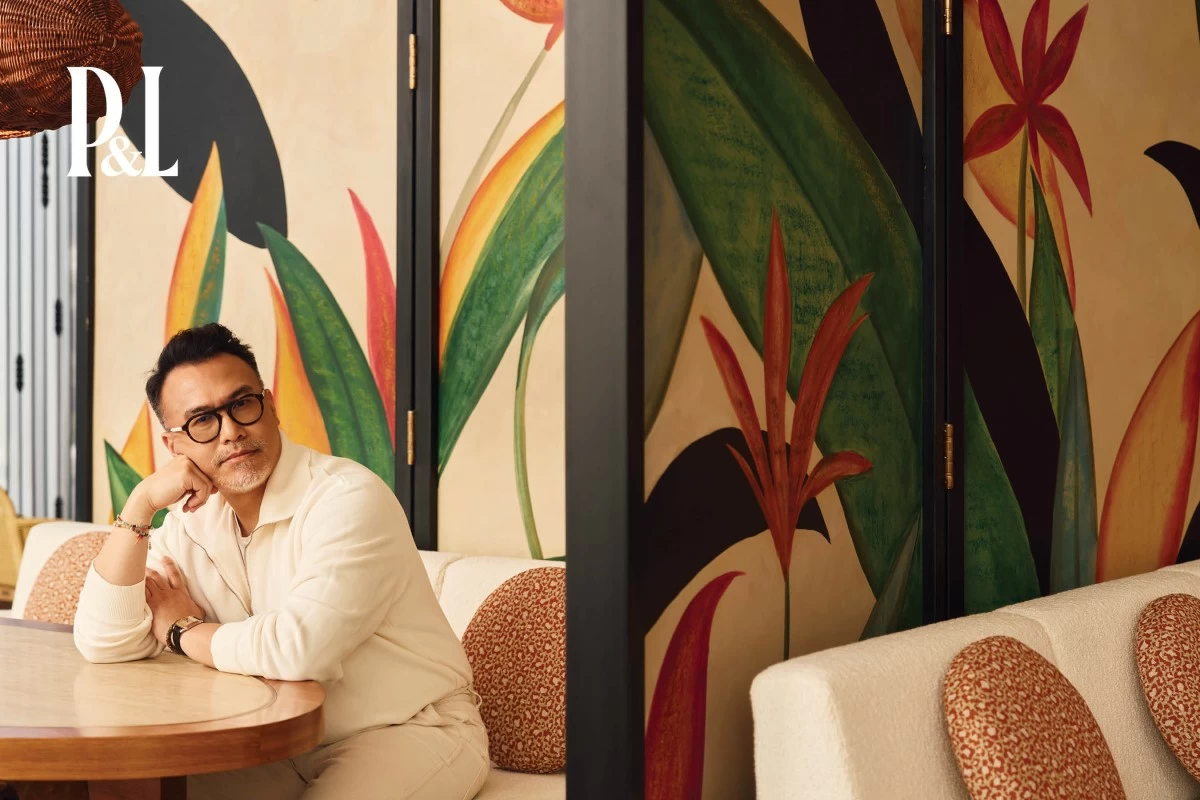
With the market flooded with mass-produced items that can be ordered online and delivered within a matter of days, Acuna believes products made in the Philippines, which are unique, sustainable, and rooted in culture, answer the demand of the market for authenticity. “I think we're going to get back into craftsmanship, and the market is going to appreciate the difference in handcrafted, in a more bespoke, for the lack of a better word, way of putting together a design brought by collaborating with artisans and craftsmen.”
In championing Philippine design in interiors, Acuna places his faith in Filipino craftsmanship as his creative pursuit thrives with a clientele that shares his vision for the industry. “I feel at this point, their openness to our concepts and ideas leads where the market is going and where the market should go,” he concludes.
The Parklinks Experience Center is open for appointments and accessible via C5 road through the Parklinks bridge.
Special thanks:
Photos: Sonny Thakur
Photo assistants: Andrew Cadorna and Kyle Espedido
Grooming: Tetel Angeles of Team MVP