






 Philippines
National
Senate bill seeks to strengthen, professionalize midwifery in Philippines
Philippines
National
Senate bill seeks to strengthen, professionalize midwifery in Philippines
Senate bill seeks to strengthen, professionalize midwifery in Philippines


At A Glance
- Senate Deputy Majority Leader Joseph Victor "JV" Ejercito has filed a bill seeking to professionalize and strengthen the country's midwifery workforce and end the existing casual and job-order arrangements.
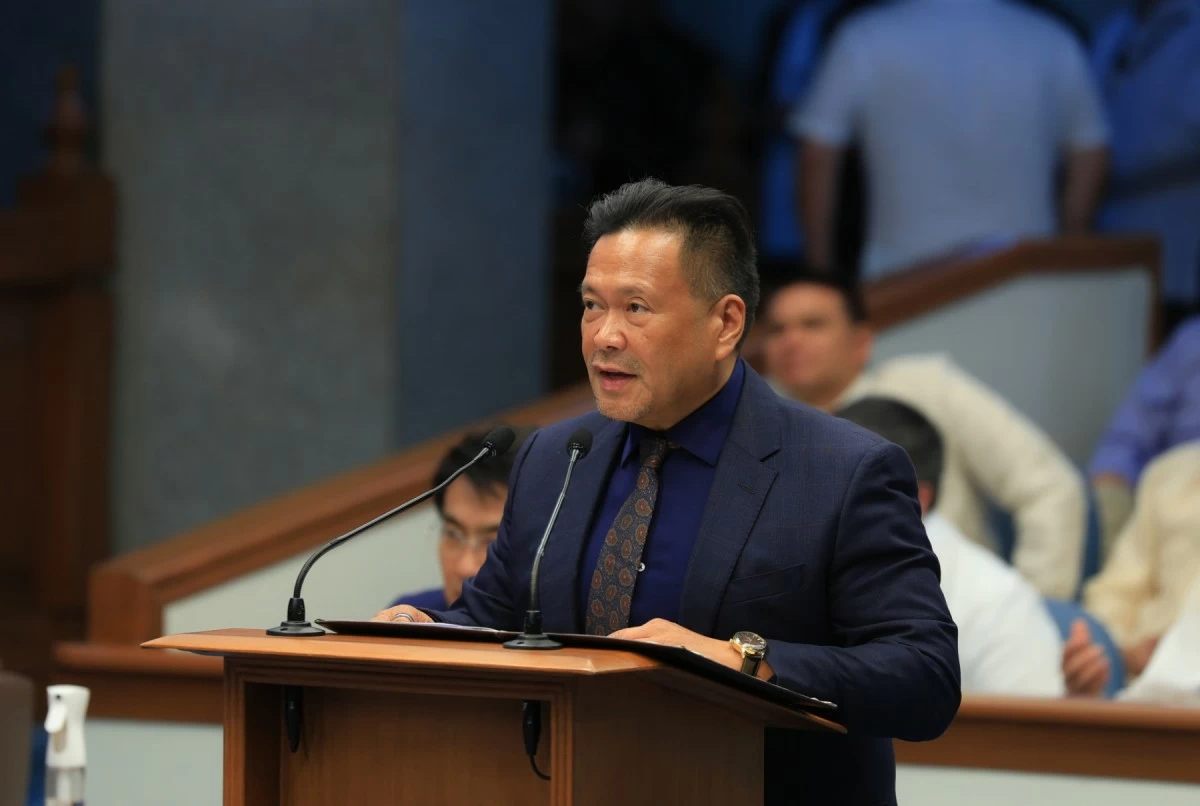
A bill seeking to professionalize and strengthen the country’s midwifery workforce and end the existing casual and job-order arrangements has been filed in the Senate.
In filing Senate Bill No. 2044 or the proposed “Philippine Midwifery Empowerment Act,” Deputy Majority Leader Joseph Victor "JV" Ejercito seeks to “rectify the enduring injustices” faced by midwives, many of whom have served for years without security of tenure, adequate compensation or clear career progression.
“In many geographically isolated and disadvantaged areas, sila ang una, at minsan ay tanging (they are usually the first and at times, the only) health provider. Filipino midwives walk long distances, cross rivers, and go the extra mile to reach mothers and patients who would otherwise have no access to basic health services,” Ejercito said.
“Gusto nating tuldukan na itong pananatili nilang job order o casual employees lalo na’t tuloy-tuloy at napakahalaga naman ang kanilang serbisyo sa ating health system (We want to put an end to their stay as job orders or casual employees, especially since their service to our health system is continuous and very important),” he stressed.
SB No. 2044 seeks the creation of plantilla positions for midwives and sets their entry-level salary at Salary Grade 13.
The bill primarily also aims to end the decades of employment instability in the sector.
The measure also introduces a ladderized education framework to strengthen the profession while ensuring inclusivity for those who are already in service.
Under the bill’s proposed equivalency rule, midwives registered prior to the enactment of the law would be granted degree equivalency based on work experience and prior learning.
Those who graduate after its passage would be required to undergo bridging courses to acquire a degree while maintaining their license to practice.
As principal author and sponsor of the Universal Health Care Act, Ejercito said securing the welfare of midwives is critical to delivering on the law’s promise of accessible and equitable healthcare.
“Midwives are frontline health workers. If we are serious about UHC, we need to strengthen their ranks because they are essential in improving maternal and child health,” he said.
The bill also aims to empower midwives and enable them to continue delivering vital services, particularly in underserved communities where their presence often spells the difference between access and neglect, the senator said.