







Philippines launches rice import probe to shield farmers


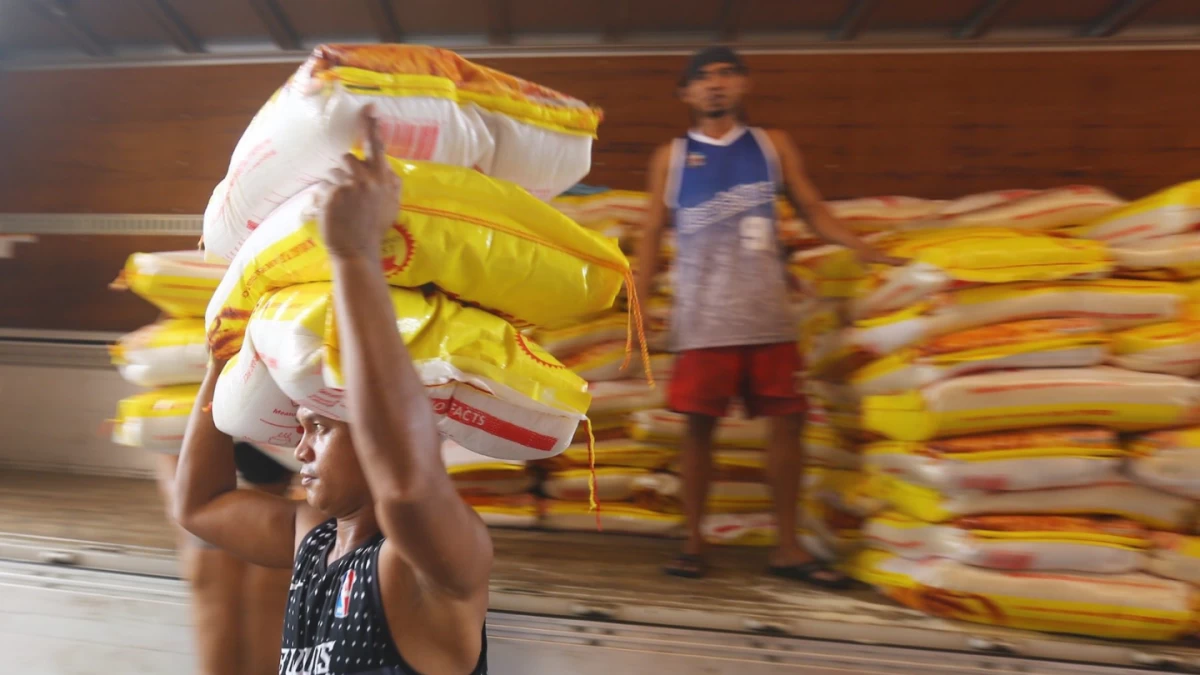
The Philippines has launched a safeguard investigation into rice imports, as authorities move to assess whether a surge in inbound shipments is harming domestic farmers of the country’s primary food staple.
In an April 15 notification to the Geneva-based World Trade Organization (WTO), the government said the probe, initiated last March 26, covers rice “whether unmilled (palay), husked (brown), semi-milled, wholly milled, or broken,” under various tariff classifications.
The move comes as rice imports continue to climb sharply. The latest Bureau of Plant Industry (BPI) data showed first-quarter shipments rose by nearly 37 percent year-on-year to 1.26 million metric tons (MT), exceeding the Department of Agriculture’s (DA) requested limit of about 750,000 MT. As of early April, total imports had reached about 1.36 million MT, with Vietnam accounting for roughly 85 percent of the volume, followed by Thailand, Myanmar, and Cambodia.
Despite earlier efforts to temper imports to support farmgate prices, the government is also preparing to increase foreign rice purchases this year to stabilize domestic supply and contain price volatility. Agriculture Secretary Francisco Tiu Laurel said additional shipments may be sourced from Vietnam, Myanmar, Cambodia, India, and Pakistan, as the country braces for a potential decline in local production due to rising fertilizer costs linked to global supply disruptions caused by the war in the Middle East.
Rice remains a central component of Philippine consumption, making the balance between affordable supply and farm-sector viability a key policy concern. The DA has rolled out a ₱10-billion support package for the sector and is considering further interventions, including tariff adjustments and a ₱50-per-kilo price cap on imported rice, to manage inflation and ensure availability.
Under WTO rules, a safeguard investigation is a formal process used to determine whether increased imports are causing or threatening to cause serious injury to a domestic industry. During the process, importers, exporters, and other stakeholders may submit evidence and present their views, with the Philippines setting a five-day window from the publication of the notice for interested parties to participate.
If sufficient injury is established, a country may impose temporary safeguard measures—such as higher tariffs or quantitative restrictions (QR)—to curb imports. These measures are recognized under WTO agreements as a trade remedy, allowing members to provide relief to domestic industries facing import surges, while remaining subject to defined rules and time limits.
The DA’s Trade Remedies Office (TRO) will handle the proceedings, with submissions accepted electronically or through its offices in Quezon City.