






Manila Bulletin
 Business
Trade & Industry
More solar power coming to Mindanao amid rising electricity demand
Business
Trade & Industry
More solar power coming to Mindanao amid rising electricity demand
Business
Trade & Industry
More solar power coming to Mindanao amid rising electricity demand
More solar power coming to Mindanao amid rising electricity demand
Published Apr 17, 2026 11:12 am


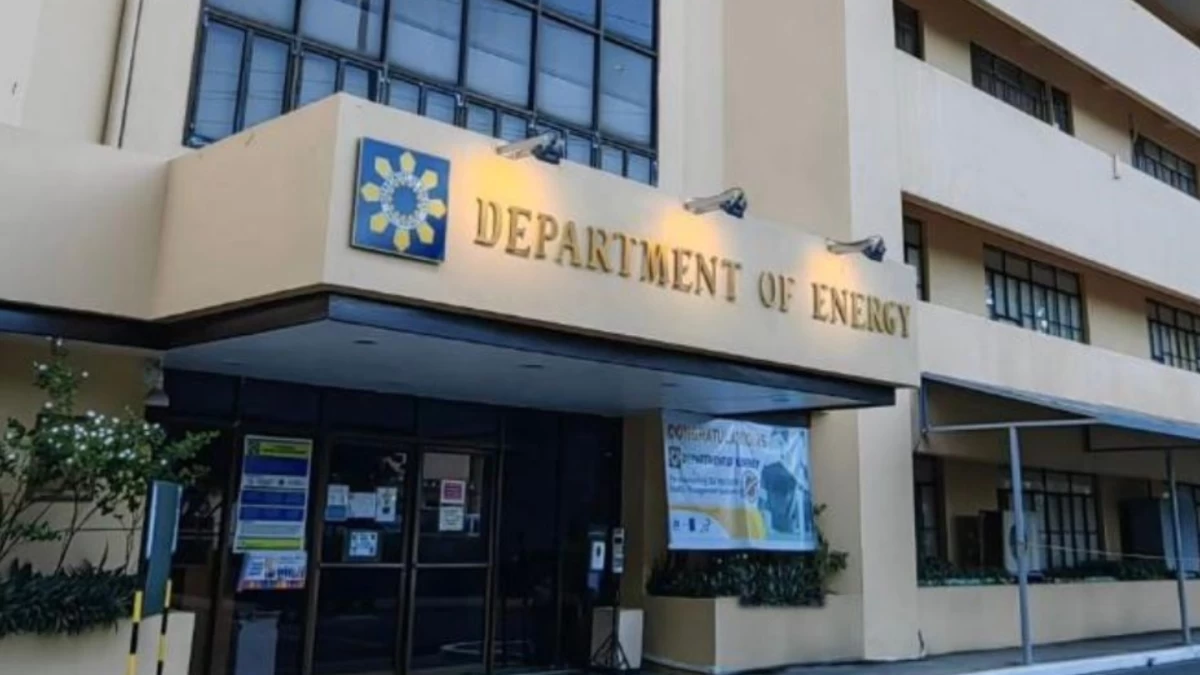
The Department of Energy (DOE) is expanding its renewable energy push in Mindanao, preparing to offer the private sector five times the capacity of earlier rounds in an upcoming auction
In a statement on Friday, April 17, the DOE announced the seventh round of the Green Energy Auction program (GEA-7), which will be launched later this year.
The DOE auction focuses on Mindanao’s renewable allocation to address surging local power demand and improve the balance of the national grid.
The bidding process will cover rooftop and ground-mounted solar projects, with the first of these expected to come online next year. Floating solar technologies are slated for delivery between 2027 and 2029.
Under the terms of the auction, the floating solar component will incorporate unsubscribed capacities from the fourth GEA round, a move the agency says will ensure efficient use of previously allocated capacity.
To manage the intermittent nature of solar power, the DOE is mandating that developers integrate Battery Energy Storage Systems, or BESS, across all ground-mounted solar projects under GEA-7.
The requirement is aimed at improving dispatchability and ensuring a more flexible energy system as the country transitions away from coal-fired plants.
The agency expects to finalize the terms of reference for the bidding by the second quarter of 2026. This timeline is intended to provide the private sector with clear guidelines before the auction commences.
The DOE is urging renewable energy developers to register their projects immediately, noting that early registration is essential for eligibility in the upcoming round.
The expansion of the Mindanao auction is part of broader government strategy to scale up renewable capacity, with a target of adding approximately 3,200 megawatts by 2027.
Following GEA-7, the eighth auction will focus on specialized installations including canal-top solar, “solar on stilts,” and “AgriSolar” projects developed in partnership with agricultural regulators.
A ninth auction is planned to cover biomass, geothermal, hydropower, and onshore wind developments.
While the DOE has detailed the pipeline for the seventh through ninth rounds, the agency has yet to provide updates on the status of the fifth and sixth GEA programs.
The total investment required for these projects is expected to run into several billion pesos as the Philippines seeks to meet its goal of increasing the renewable share of its energy mix to 35 percent by 2030 and 50 percent by 2040.