






Manila Bulletin
 Philippines
Metro Manila
Manibela ends strike with Mendiola protest, seeks fuel tax relief
Philippines
Metro Manila
Manibela ends strike with Mendiola protest, seeks fuel tax relief
Philippines
Metro Manila
Manibela ends strike with Mendiola protest, seeks fuel tax relief
Manibela ends strike with Mendiola protest, seeks fuel tax relief
By Trixee Rosel
Published Apr 17, 2026 01:33 pm


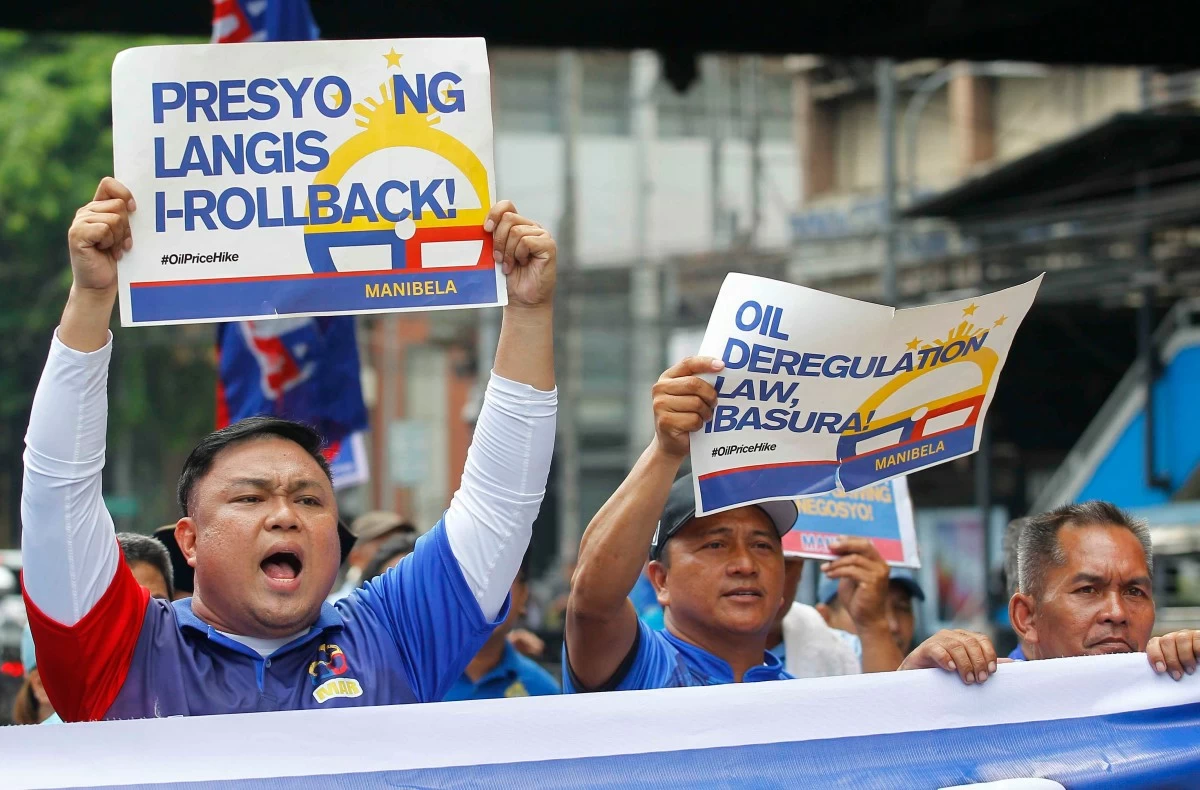
Transport group Manibela marches from Welcome Rotonda to Mendiola in Manila on April 17, 2026, on the final day of its three-day transport strike, renewing its call for the suspension of fuel taxes and repeal of the Oil Deregulation Law. (Mark Balmores/MB)
Transport group Manilbela ended its three-day strike with a march to Mendiola, Manila, on Friday, April 17, renewing calls for the suspension of fuel taxes and a rollback in oil prices to ease the burden on drivers and commuters.
Hundreds of jeepney drivers and operators gathered at Welcome Rotonda in Quezon City before marching toward Mendiola to bring their appeal closer to Malacañang.
The group reiterated its demand for the suspension of value-added tax and excise taxes on petroleum products, as well as the repeal of the Oil Deregulation Law, citing sustained increases in fuel prices.
Protesters walked peacefully from Quezon City to Manila, carrying placards and banners, maintaining orderly formation along major routes leading to Mendiola.
Around 200 police personnel from the Regional Mobile Force Battalion of the National Capital Region Police Office (NCRPO) and the Manila Police District were deployed to secure the area, manage traffic, and ensure public safety during the protest.
Manibela chairperson Mar Valbuena said the march aimed to bring their appeal closer to Malacañang.
He said suspending fuel-related taxes and rolling back pump prices would provide immediate relief to transport workers and commuters.
Valbuena said fuel prices should be reduced to around P55 to P60 per liter.
He cited what he described as premature price increases by oil firms despite existing stockpiles amid global tensions.
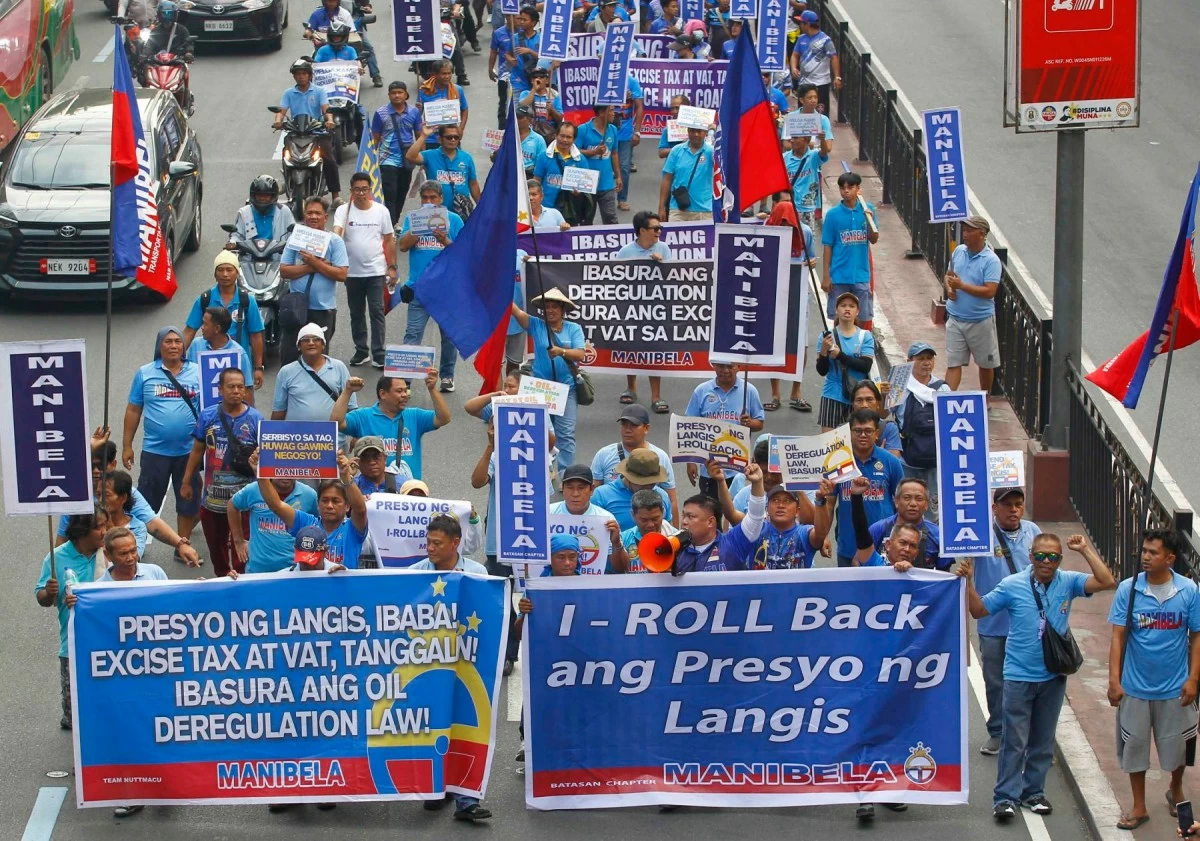
Transport group Manibela marches from Welcome Rotonda to Mendiola in Manila on April 17, 2026, on the final day of its three-day transport strike, renewing its call for the suspension of fuel taxes and repeal of the Oil Deregulation Law. (Mark Balmores/MB)
Valbuena criticized oil companies for implementing price hikes ahead of actual supply changes.
He questioned the implementation of government fuel assistance programs, saying these remain limited and not widely accessible to affected drivers.
Valbuena added that promised fuel discounts for public utility vehicles have not been fully implemented, with some stations reportedly unaware of the program.
He also said service contracting programs remain constrained by unpaid obligations from previous arrangements, affecting drivers’ participation in such schemes.
Valbuena said suspending fuel taxes would help stabilize transport fares and ease the cost of goods.
He noted that other countries have adopted similar measures to cushion the impact of global oil price movements.
Police later allowed the group to hold a short program at Mendiola to air their grievances, while maintaining a security presence to keep the area orderly and passable to motorists.