

ADVERTISEMENT

How does the Nissan Kicks e-Power hold up in 2026?

A pioneer of REEV tech

Published Apr 17, 2026 06:47 pm

At A Glance

  • When the Nissan Kicks e-Power launched in 2022, hybrid vehicles weren't a common sight on our roads at the time, and the thought of an electrified crossover priced close to mainstream gasoline models was just an idea at the time.
  • Its EV-like driving feel, impressive fuel economy, and relatively affordable price point continue to make it an attractive proposition for Filipinos.
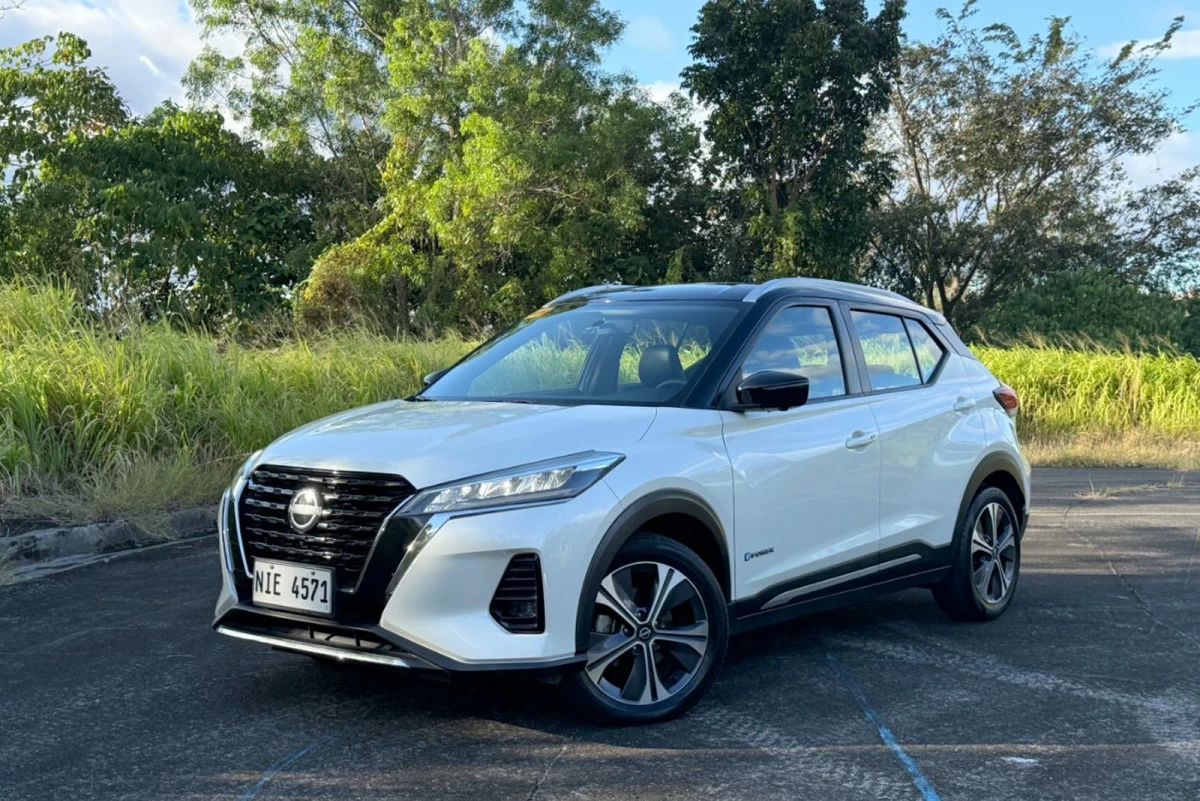
When the Nissan Kicks e-Power launched, it was a glimpse into the future. Hybrid vehicles weren’t a common sight on our roads at the time, and the thought of an electrified crossover priced close to mainstream gasoline models was just an idea at the time. Today, the electrified landscape has changed. New hybrid and electric crossovers from multiple brands have entered the market, giving buyers more choices than ever before.
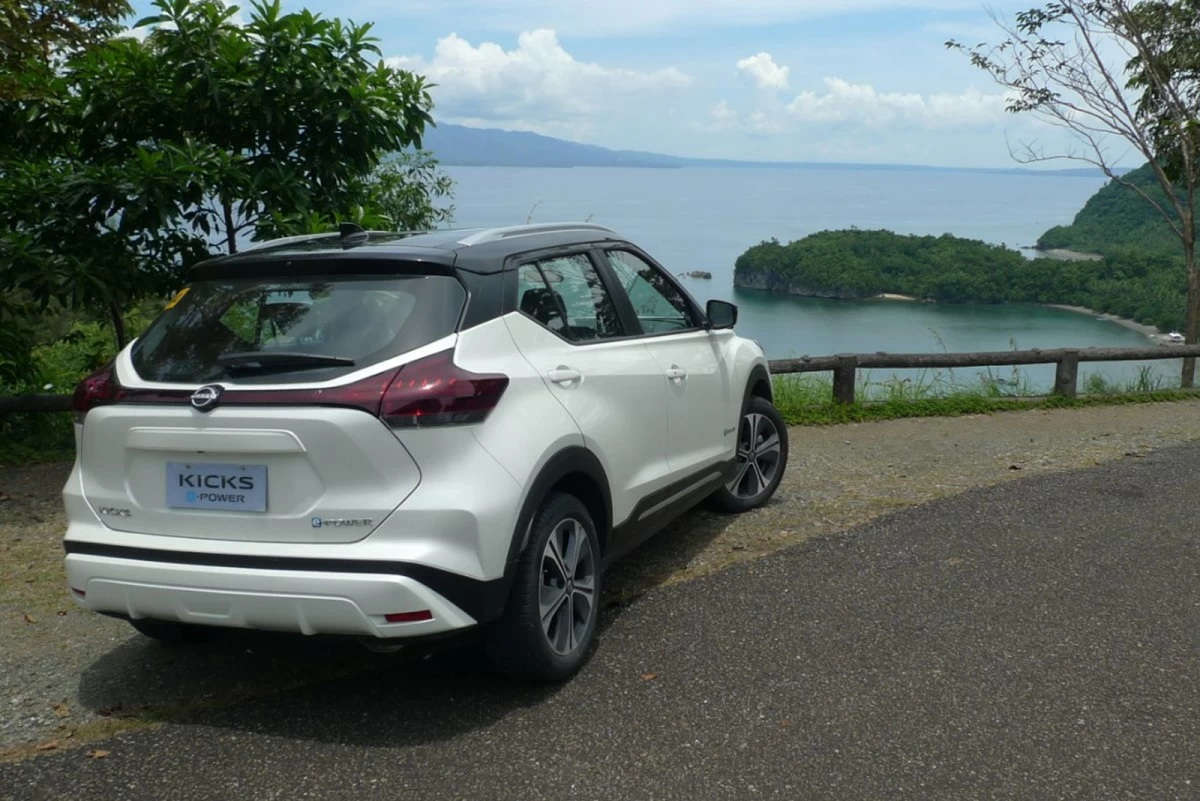
I was present at the Nissan Kicks e-Power media drive from Manila to Albay, Bicol in back in 2022, and it was a brand new vehicle back then. While it wasn’t that long ago, when you look at the number of its competitors now, and their capabilities, it does suddenly feel like quite long ago.
Now, four years later in 2026, just how is Nissan’s Kicks holding up against its competitors?
A hybrid that’s also an EV
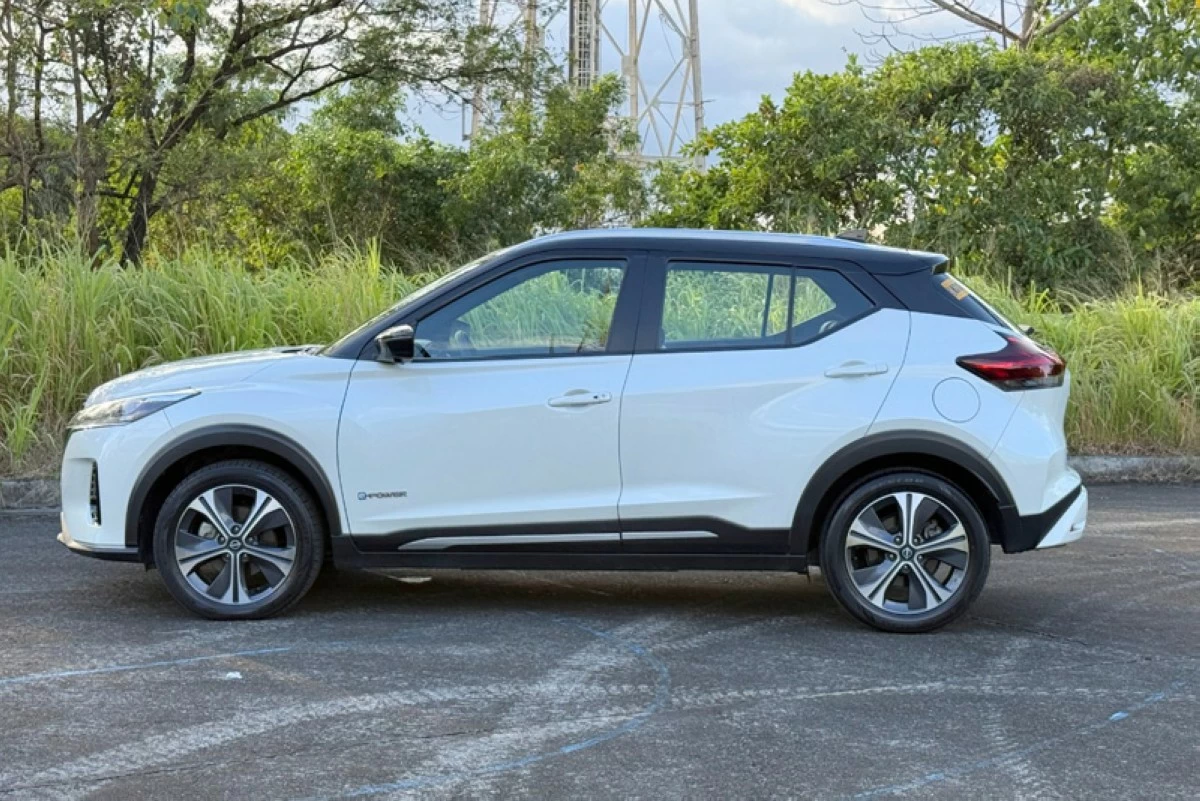
The e-Power system was unique when it launched, and it’s still relevant today. Unlike “regular” hybrids, the gasoline engine in the Kicks doesn't directly drive the wheels. Instead, the engine works purely as a generator that produces electricity, charges the battery pack, which then powers an electric motor connected to the drivetrain. These days this configuration would be called a Range Extended Electric Vehicle or REEV.
The result is a driving experience that feels like an electric vehicle more than a traditional hybrid. Instant torque from the motor delivers smooth acceleration, while regenerative braking helps recharge the battery during deceleration.
Impressive fuel economy
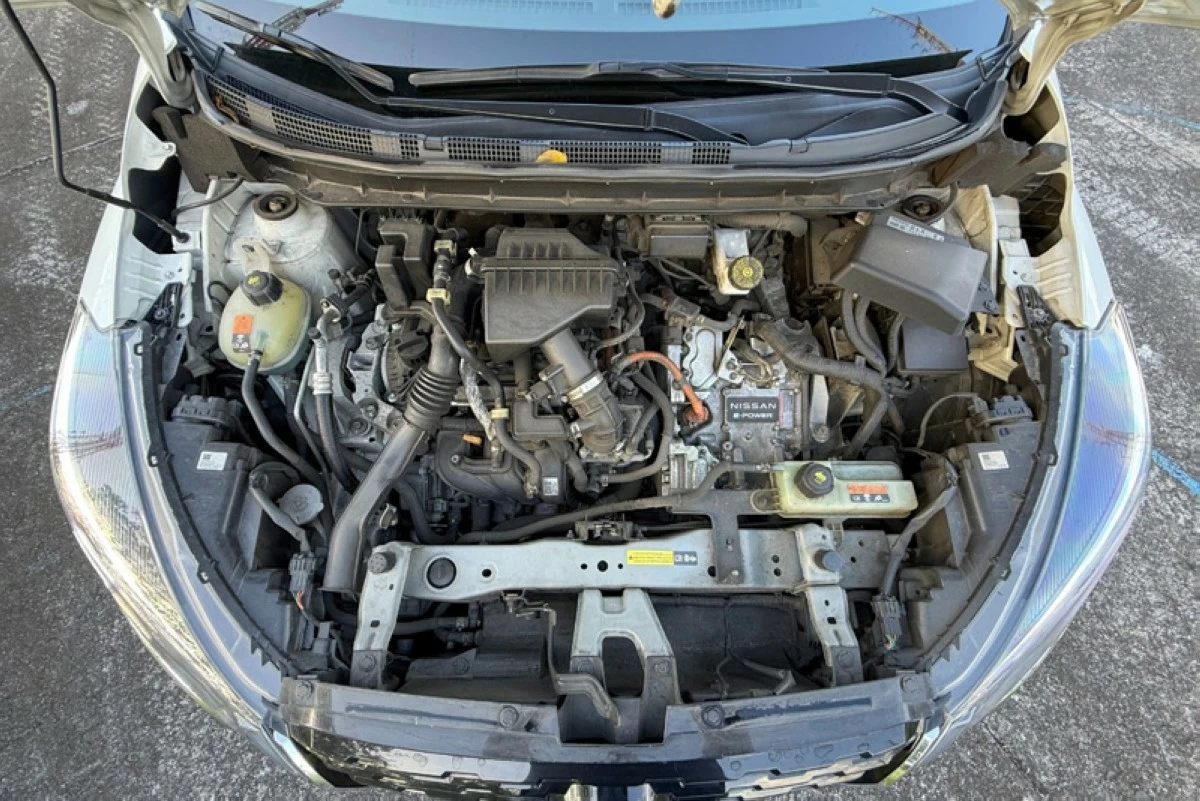
Under the hood is a 1.2-liter gasoline engine which acts only as a generator to charge the 2.14-kWh lithium ion battery which powers an electric motor, this delivers 134-horsepower and 280-Nm of torque. Fuel economy figures range from 22-25 kilometers per liter, which is doable. On our drive to Albay, I clocked 600-kilometers and consumed about half a tank, which was roughly 20 liters of its 40-liter gasoline tank. Which came down to about 30 km/liter on mixed city, highway and country roads on the drive to Bicol.
Even in mixed real-world driving, those numbers remain competitive versus many newer electrified crossovers.
Price
Its price point is still competitive against its competitors, the Kicks e-Power starts at ₱1,179M for the base EL and tops off at ₱1,499M for the VL variant we drove. That makes it an affordable entry into the electrified ecosystem.
Many newer hybrids and plug-in hybrids now available with larger battery packs and more complex powertrains often start closer to the ₱1.6M and up. For Pinoys who simply want better fuel efficiency without dramatically increasing their car budget, the Kicks is a good choice.
Rivals
The automotive world never stands still, and you expect competitors to come up with something similar or even better. Newer electrified crossovers have begun to outshine it in certain areas. ADAS is one are where the Kicks has some catching up to do, where its compliment of active safety features is limited to Intelligent Around View Monitor with Moving Object Detection, Intelligent Forward Collision Warning and Intelligent Emergency Braking. We think this may have been to keep costs down, as more features would have driven up the price considerably.
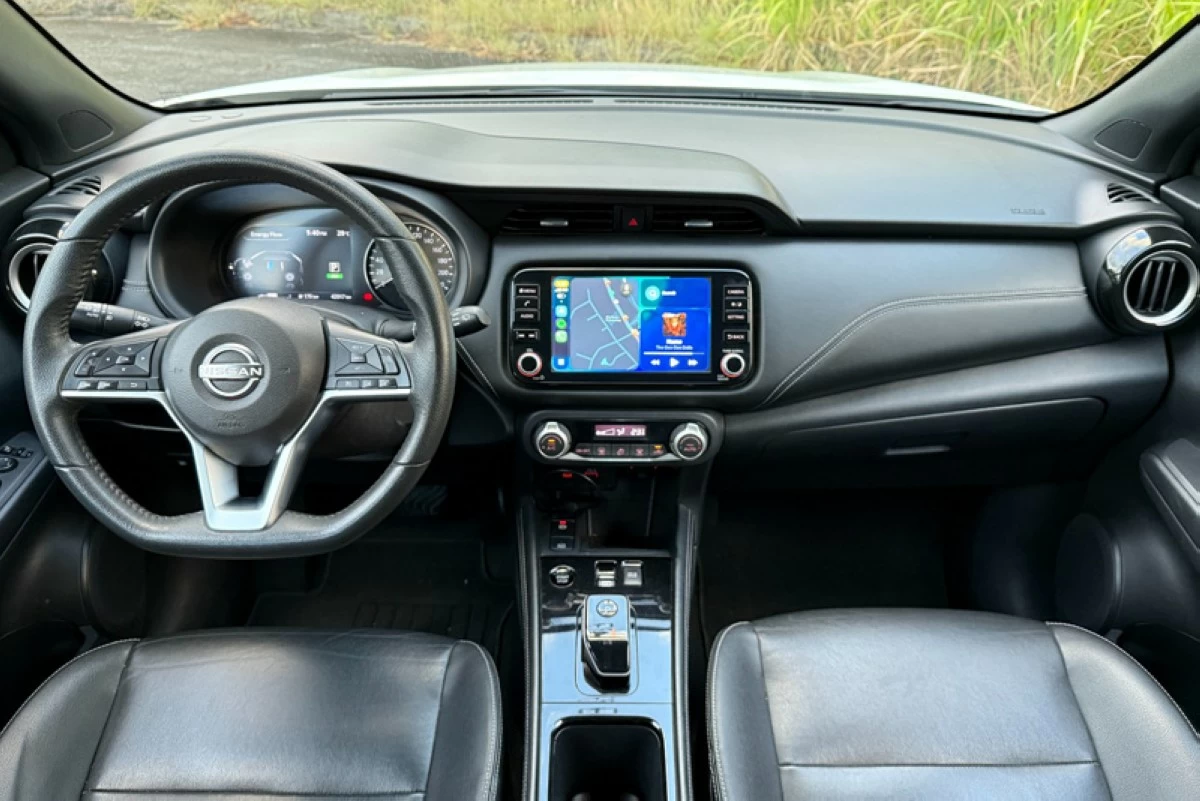
Interior technology is another area where competitors have raised the bar. Many new crossovers now offer larger infotainment displays, more digital interfaces, and additional connectivity features. The Kicks’ cabin remains functional and comfortable, with enough basic amenities you’d need, and the infotainment is just for that, vehicle functions and features are actual buttons and knobs, not something you'd have to search for in a menu on a touchscreen.
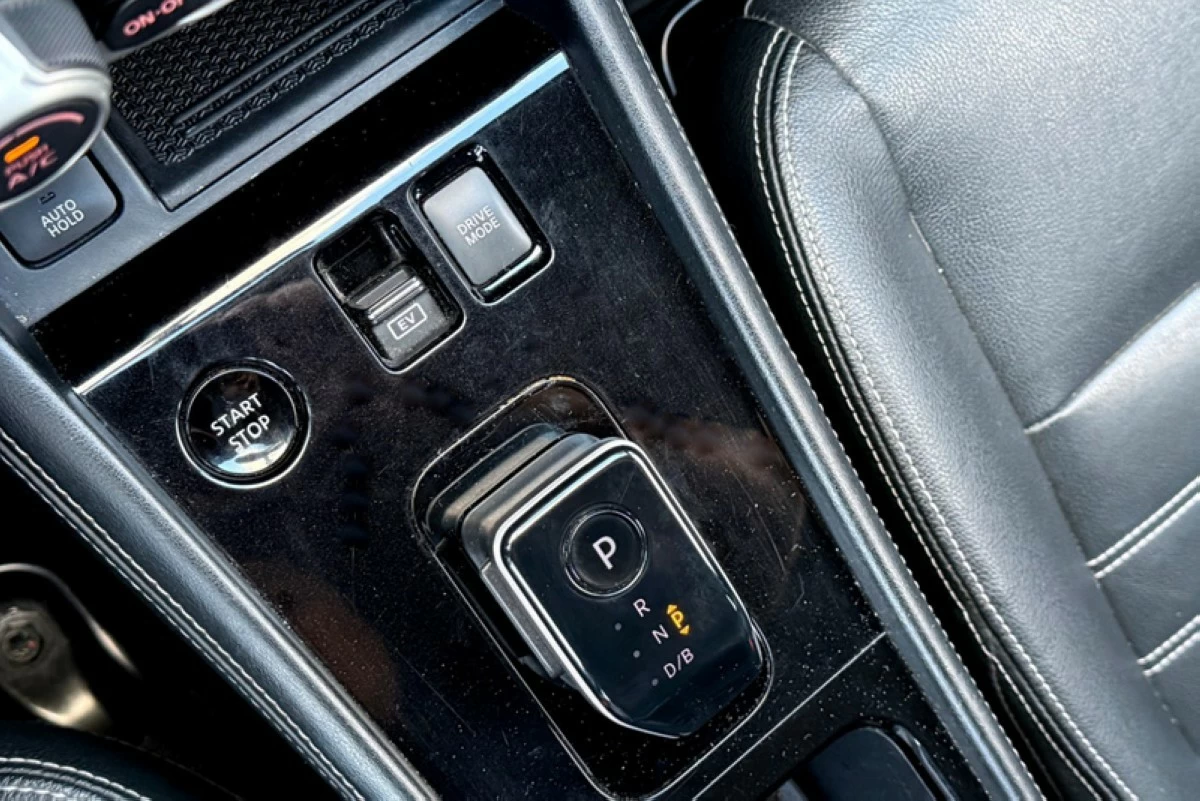
Competing hybrids now deliver significantly higher power outputs and allow longer distances in pure electric mode thanks to larger batteries. The Kicks, by contrast, focuses more on efficiency and simplicity rather than outright performance. That simplicity is also part of its appeal, without the complexity of plug-in charging systems or large battery packs making the Kicks easy to live with.
Verdict
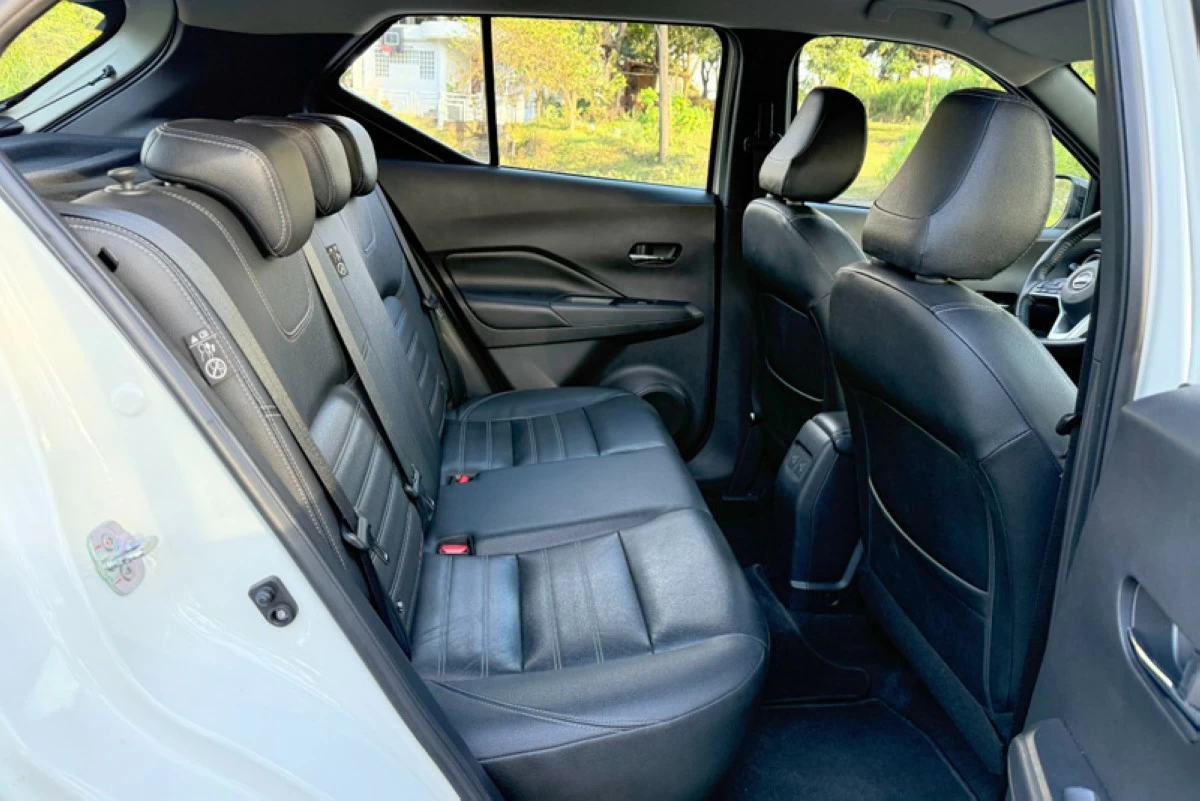
So how does the Nissan Kicks e-Power hold up in 2026? The answer is, surprisingly well. It’s not the new kid on the block anymore, or the most technologically advanced. But it is one of the most practical and accessible electrified vehicles available. Its EV-like driving feel, impressive fuel economy, and relatively affordable price point continue to make it an attractive proposition for Filipinos.
While newer competitors enter the market with more features and larger batteries, this is where the Kicks makes its point. Sometimes the best choice isn’t the most high tech with the most bells and whistles, often, it’s the one that simply makes everyday driving easier. And that’s how the Nissan Kicks holds up pretty well against its competitors in 2026.

Related Tags

Nissan Motor Philippines hybrid electric vehicle
ADVERTISEMENT
.most-popular .layout-ratio{ padding-bottom: 79.13%; } @media (min-width: 768px) and (max-width: 1024px) { .widget-title { font-size: 15px !important; } }

{{ articles_filter_1561_widget.title }}

.most-popular .layout-ratio{ padding-bottom: 79.13%; } @media (min-width: 768px) and (max-width: 1024px) { .widget-title { font-size: 15px !important; } }

{{ articles_filter_1562_widget.title }}

.most-popular .layout-ratio{ padding-bottom: 79.13%; } @media (min-width: 768px) and (max-width: 1024px) { .widget-title { font-size: 15px !important; } }

{{ articles_filter_1563_widget.title }}

{{ articles_filter_1564_widget.title }}

.mb-article-details { position: relative; } .mb-article-details .article-body-preview, .mb-article-details .article-body-summary{ font-size: 17px; line-height: 30px; font-family: "Libre Caslon Text", serif; color: #000; } .mb-article-details .article-body-preview iframe , .mb-article-details .article-body-summary iframe{ width: 100%; margin: auto; } .read-more-background { background: linear-gradient(180deg, color(display-p3 1.000 1.000 1.000 / 0) 13.75%, color(display-p3 1.000 1.000 1.000 / 0.8) 30.79%, color(display-p3 1.000 1.000 1.000) 72.5%); position: absolute; height: 200px; width: 100%; bottom: 0; display: flex; justify-content: center; align-items: center; padding: 0; } .read-more-background a{ color: #000; } .read-more-btn { padding: 17px 45px; font-family: Inter; font-weight: 700; font-size: 18px; line-height: 16px; text-align: center; vertical-align: middle; border: 1px solid black; background-color: white; } .hidden { display: none; }
function initializeAllSwipers() { // Get all hidden inputs with cms_article_id document.querySelectorAll('[id^="cms_article_id_"]').forEach(function (input) { const cmsArticleId = input.value; const articleSelector = '#article-' + cmsArticleId + ' .body_images'; const swiperElement = document.querySelector(articleSelector); if (swiperElement && !swiperElement.classList.contains('swiper-initialized')) { new Swiper(articleSelector, { loop: true, pagination: false, navigation: { nextEl: '#article-' + cmsArticleId + ' .swiper-button-next', prevEl: '#article-' + cmsArticleId + ' .swiper-button-prev', }, }); } }); } setTimeout(initializeAllSwipers, 3000); const intersectionObserver = new IntersectionObserver( (entries) => { entries.forEach((entry) => { if (entry.isIntersecting) { const newUrl = entry.target.getAttribute("data-url"); if (newUrl) { history.pushState(null, null, newUrl); let article = entry.target; // Extract metadata const author = article.querySelector('.author-section').textContent.replace('By', '').trim(); const section = article.querySelector('.section-info ').textContent.replace(' ', ' '); const title = article.querySelector('.article-title h1').textContent; // Parse URL for Chartbeat path format const parsedUrl = new URL(newUrl, window.location.origin); const cleanUrl = parsedUrl.host + parsedUrl.pathname; // Update Chartbeat configuration if (typeof window._sf_async_config !== 'undefined') { window._sf_async_config.path = cleanUrl; window._sf_async_config.sections = section; window._sf_async_config.authors = author; } // Track virtual page view with Chartbeat if (typeof pSUPERFLY !== 'undefined' && typeof pSUPERFLY.virtualPage === 'function') { try { pSUPERFLY.virtualPage({ path: cleanUrl, title: title, sections: section, authors: author }); } catch (error) { console.error('ping error', error); } } // Optional: Update document title if (title && title !== document.title) { document.title = title; } } } }); }, { threshold: 0.1 } ); function showArticleBody(button) { const article = button.closest("article"); const summary = article.querySelector(".article-body-summary"); const body = article.querySelector(".article-body-preview"); const readMoreSection = article.querySelector(".read-more-background"); // Hide summary and read-more section summary.style.display = "none"; readMoreSection.style.display = "none"; // Show the full article body body.classList.remove("hidden"); } document.addEventListener("DOMContentLoaded", () => { let loadCount = 0; // Track how many times articles are loaded const offset = [1, 2, 3, 4, 5, 6, 7, 8, 9, 10]; // Offset values const currentUrl = window.location.pathname.substring(1); let isLoading = false; // Prevent multiple calls if (!currentUrl) { console.log("Current URL is invalid."); return; } const sentinel = document.getElementById("load-more-sentinel"); if (!sentinel) { console.log("Sentinel element not found."); return; } function isSentinelVisible() { const rect = sentinel.getBoundingClientRect(); return ( rect.top < window.innerHeight && rect.bottom >= 0 ); } function onScroll() { if (isLoading) return; if (isSentinelVisible()) { if (loadCount >= offset.length) { console.log("Maximum load attempts reached."); window.removeEventListener("scroll", onScroll); return; } isLoading = true; const currentOffset = offset[loadCount]; window.loadMoreItems().then(() => { let article = document.querySelector('#widget_1690 > div:nth-last-of-type(2) article'); intersectionObserver.observe(article) loadCount++; }).catch(error => { console.error("Error loading more items:", error); }).finally(() => { isLoading = false; }); } } window.addEventListener("scroll", onScroll); });

Sign up by email to receive news.