






Manila Bulletin
 Business
Trade & Industry
DA scraps toll fees for agri-trucks to help lower food prices
Business
Trade & Industry
DA scraps toll fees for agri-trucks to help lower food prices
Business
Trade & Industry
DA scraps toll fees for agri-trucks to help lower food prices
DA scraps toll fees for agri-trucks to help lower food prices
Published Apr 17, 2026 02:23 pm


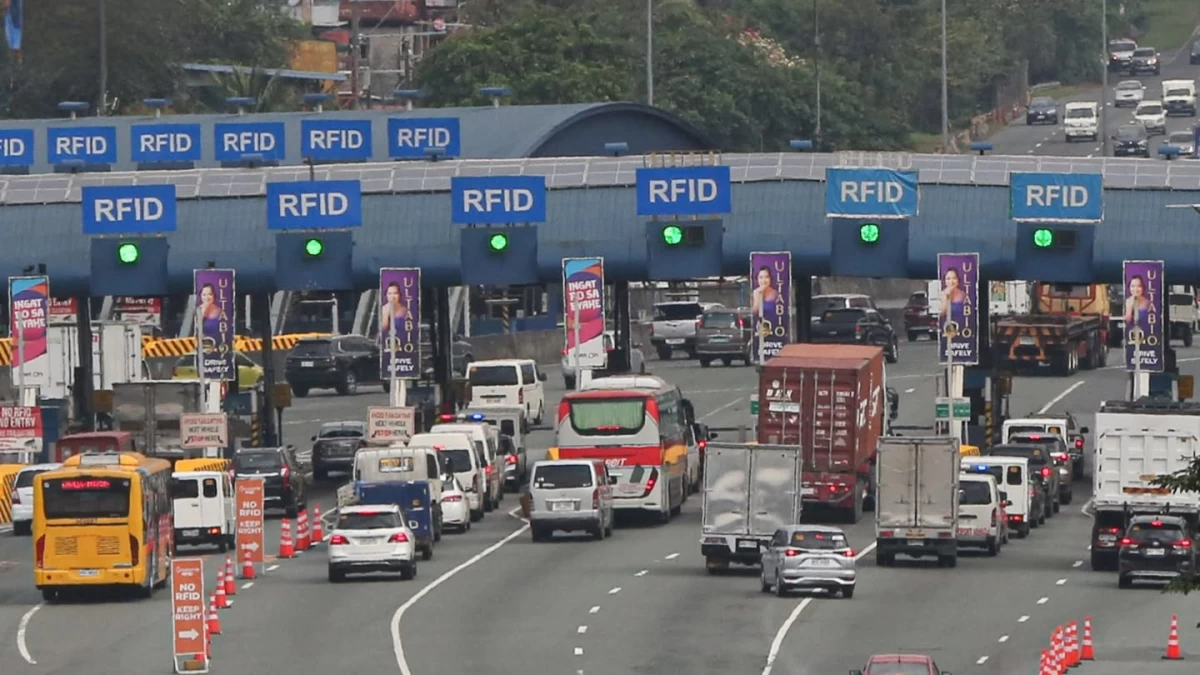
The Department of Agriculture (DA) secured a temporary toll fee waiver for trucks transporting agricultural goods, part of the strategic push to lower logistics expenses, stabilize retail food prices, and shield farmers’ earnings from volatile fuel costs.
In a statement on Friday, April 17, Agriculture Secretary Francisco P. Tiu Laurel Jr. announced the exemption will take effect on April 20 for vehicles accredited by the department.
The initiative, facilitated through coordination with the Department of Transportation and the Toll Regulatory Board, is scheduled to run for an initial period of one month, with the possibility of an extension pending a performance review.
The move follows the directive from President Ferdinand Marcos Jr. for government agencies to mitigate the impact of rising operational costs on the agricultural sector, largely driven by geopolitical instability in the Middle East.
DA said the intervention addresses critical bottleneck in the domestic supply chain. As global crude prices fluctuate, transport expenses have become a primary driver of food inflation. Department data indicated that logistics costs currently add between ₱2 and ₱5 per kilogram to the retail price of food items.
For many truckers, these overheads have reached a breaking point, leading some operators to reduce trips or skip routes entirely. Such disruptions risk creating artificial supply gaps and increasing spoilage rates for perishable goods before they reach urban markets.
To further insulate the supply chain, the department has deployed its own fleet of trucks to high-production regions, including Benguet, to ensure a steady flow of produce. This internal logistics support aims to prevent the delivery bottlenecks that typically precede sharp price spikes in Metro Manila and other major consumption centers.
The fiscal impact of the toll relief is expected to be significant. There are currently 1,162 trucks accredited under the government’s Food Lane program, which collectively transport an estimated seven million kilograms of food daily.
The department estimated that the waiver will save operators between ₱1,500 and ₱3,000 per trip. Over the course of the first month, this is projected to result in total savings ranging from ₱52 million to ₱105 million. These savings could nearly triple if an additional 3,100 previously registered trucks renew their accreditation to join the program.
Under the guidelines, participating vehicles must register through regional offices, with the final list of beneficiaries submitted to the Toll Regulatory Board for monitoring. In a bid to maximize participation, the government will allow truckers with outstanding toll arrears to join the program, provided they enter into structured payment arrangements with tollway concessionaires to settle their debts.
While the waiver provides immediate relief for the 3,500 farmers currently supported by the accredited fleet, officials noted that the measure highlights a broader structural vulnerability.
Though the toll holiday cushions the blow for vegetables and perishables in the short term, it serves as a stopgap as the administration explores long-term logistics reforms to permanently reduce the food system’s sensitivity to external energy shocks.