






 Entertainment
Music and Concerts
Creative design studio See You Later reveals how they brought BINI's Coachella debut to life
Entertainment
Music and Concerts
Creative design studio See You Later reveals how they brought BINI's Coachella debut to life
Creative design studio See You Later reveals how they brought BINI's Coachella debut to life



BINI made their debut at Coachella on April 10, becoming the first Filipino group to perform at the popular music and arts festival.
The task of bringing BINI’s Coachella performance to life fell on Los Angeles-based creative design studio See You Later.
See You Later was brought in to make sure the reality of BINI's artistic vision matched the magnitude of the dream.
Blending precision, storytelling, and a signature aesthetic that transforms empty spaces into moments of unforgettable connection, See You Later have quietly become one of live music's most formidable creative forces: Missy Elliott's Coachella 2025 Mainstage, NAV's Coachella 2024 stage, and Diplo's Coachella 2021 stage.
For See You Later, Coachella is something of a second home. Beyond the festival, their immersive aesthetic has shaped some of the most talked-about moments in recent pop culture history: Doechii at the 2025 Grammys, Sabrina Carpenter's Short n' Sweet Tour, and Bad Bunny's SNL Season 50 Finale.
In an interview with Manila Bulletin, TJ Hoover, co-founder and CEO of See You Later, revealed how the studio helped in bringing BINI’s vision to life at Coachella.

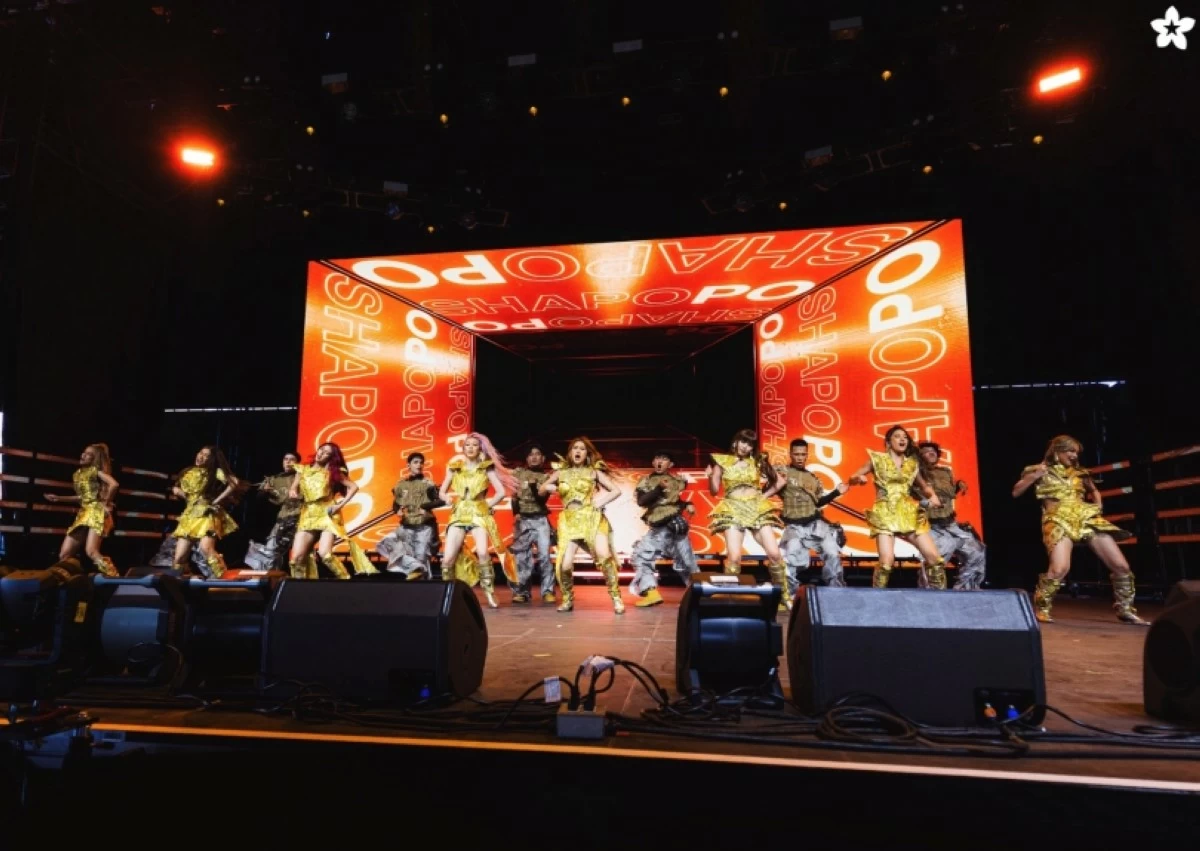

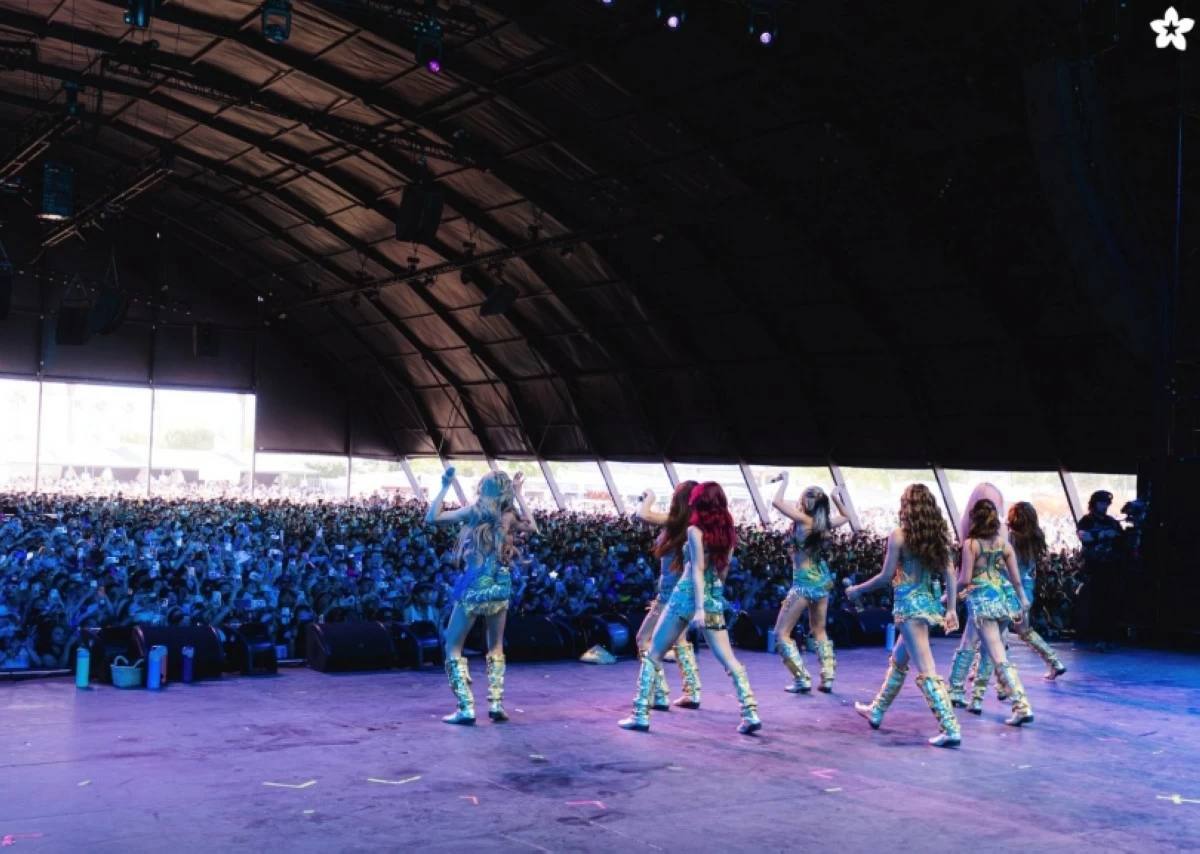
“The collaboration [between BINI and See You Later] started around a shared understanding that Coachella isn’t just a performance, but a cultural moment. As the first Filipino homegrown act to perform at the festival, it carried weight on multiple levels: a moment for the existing Blooms, and just as importantly, an introduction to a global audience discovering BINI for the first time,” he said.
He added, “From the beginning, the goal was to build something that could connect with audiences immediately, and clearly communicate who BINI are at scale. We were brought in to lead the creative direction of that goal: the development of a unified visual and emotional language across stage, lighting, content, and camera.”
For Coachella, See You Later took on total creative ownership, handling show direction, creative direction, lighting, video and camera direction in full. The result was a camera and visual-first production, as much designed for the screen and the audience at home as for the fans under the desert sky.
The show unfolded across three acts: where BINI are now, where they are going, and a closing homage to their Filipino heritage.
With an ensemble of dancers alongside the eight members of BINI, See You Later crafted a production built on movement and presence, leaving space for the artists themselves to own the stage.
To mark the occasion, BINI performed their new EP “Signals” live for the very first time, just 24 hours after its initial release.
BINI came to Coachella with over one billion global streams, 16 million social media followers, and a Forbes 30 Under 30 Asia distinction.
Hoover said for BINI, “The challenge was designing something that feels intentional and elevated in a space that naturally works against that. You’re dealing with daylight conditions, a tight stage footprint, and an audience that decides in seconds whether to engage.”
“So instead of layering on production, we pulled things back and focused on clarity and impact. We built the show around movement, visual rhythm and camera, treating the entire performance almost like a live piece of visual storytelling, where every frame has to land immediately,” he said.
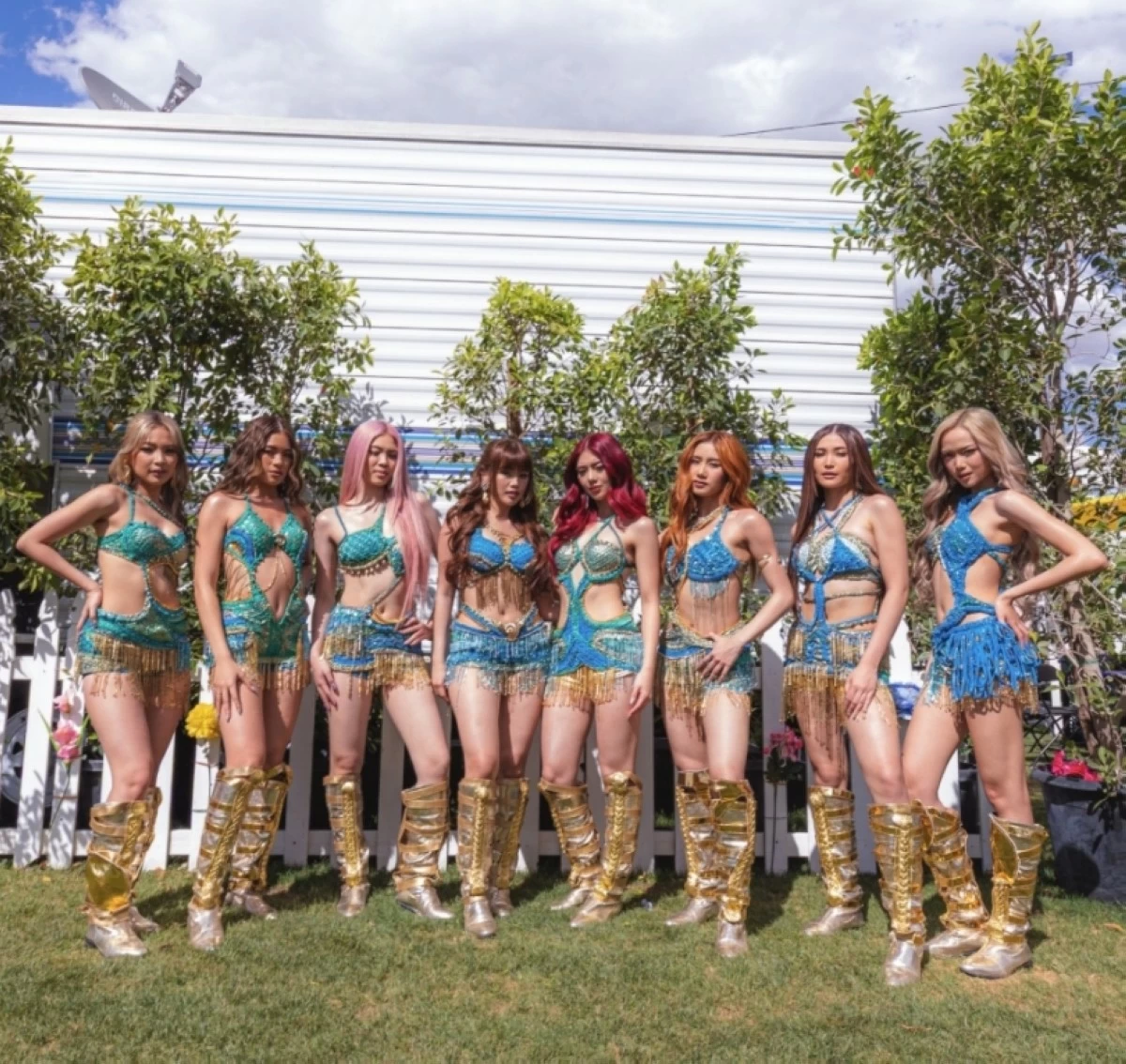
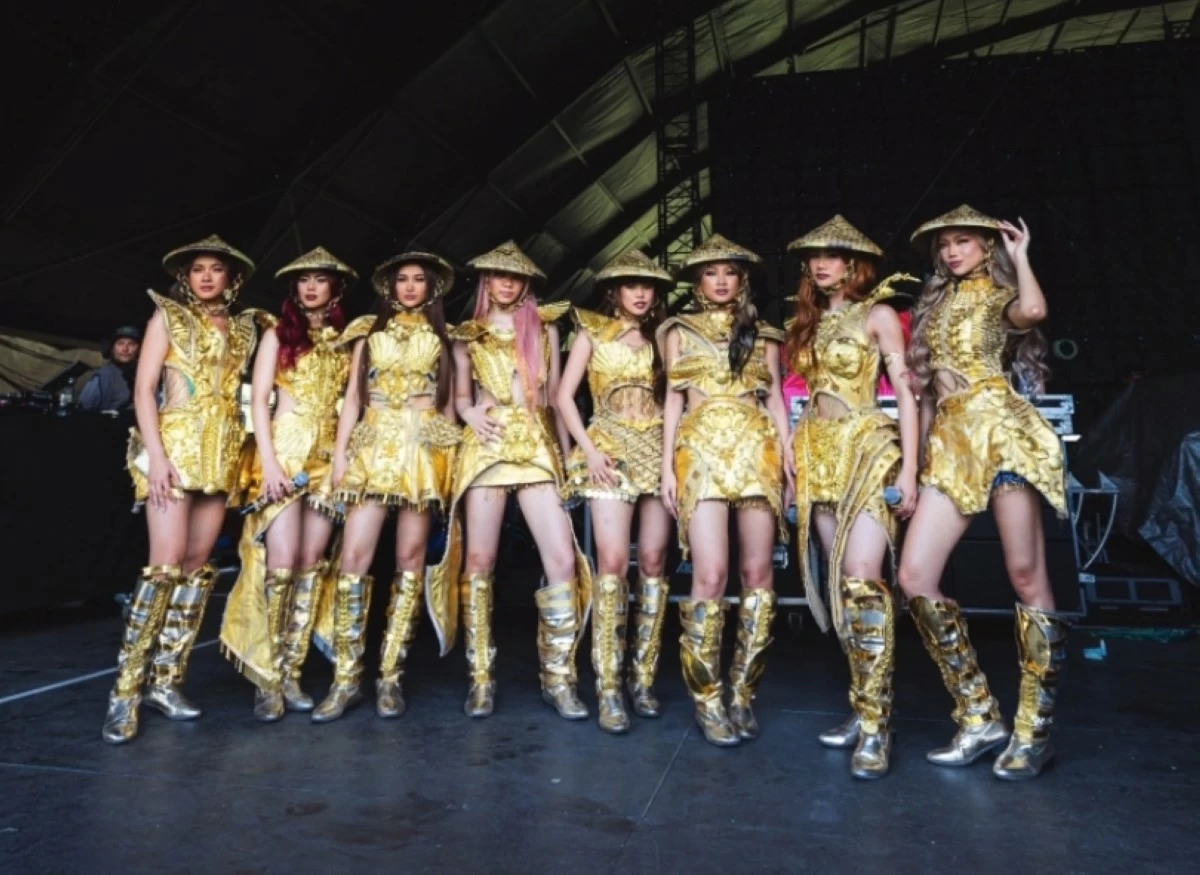
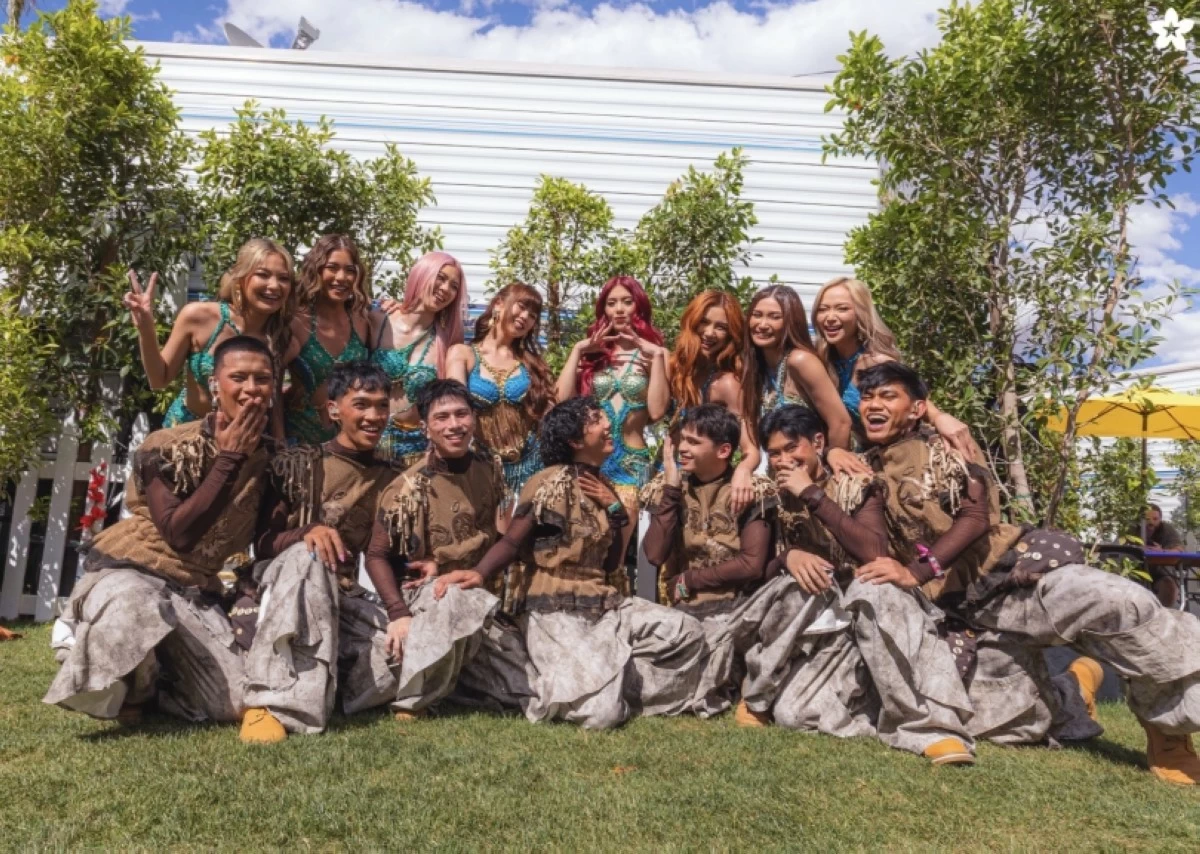


Hoover said See You Later and BINI collaborated for the Coachella performance.
“BINI already have a strong internal language across their music, visuals, and fan culture. Our role was to step into that language, and refine how it translates at scale, especially for an audience that may be encountering them for the first time. It was about protecting what makes the group distinct, while also shaping that distinction into something that reads clearly in a festival environment,” he said.
He said “the show was built as a progression: Emergence, Reflection, and Radiance. But what mattered the most was how that final act, ‘Radiance’, resolved.”
“‘Radiance' became about bringing the Philippines to Coachella, a task we approached in layers. The act begins abstract, just textures, foliage, atmosphere, and then gradually evolves into water and rock formations, inspired by the feeling of being in the Philippines. By the end, the world feels fully realized,” he said.
Hoover said they utilized camera to become part of BINI’s storytelling.
“A big part of that realization was how we used camera. Instead of simply documenting the performance, camera becomes part of the storytelling, pulling the crowd into the visual world created and collapsing the distance between audience and stage. In so doing, it turns the ending into a shared experience - not just something you watch, but something you feel like you’re a part of,” he said.
After the performance, Hoover said, “What resonated with BINI the most was that the show felt intentional from start to finish, rather than being just a collection of moments, it was something with a clear point of view and emotional throughline.”
“There was a sense that this show meant something deeper, that it wasn’t just about the scale of the performance, but about what it represented for BINI in that moment. That understanding elevated the show, without losing the essence of what makes the artists feel like themselves, which was always our priority,” he said.
Hoover said the BINI project was very meaningful for See You Later.
“This project had a deeper layer for us as well. We have Filipino members on our team, including our Executive Producer and Lighting Programmer, so we felt a real sense of responsibility in how we approached it. It wasn’t just about making something visually exciting, it was about representing that culture with care and intention on a global stage,” he said.
He added, “BINI is also just a rare kind of group. There’s a level of precision and personality in their performance that translates immediately, even if you’ve never seen them before. And so overall, this stage felt like something bigger than just a Coachella set, but rather a moment where a global audience begins to see and understand BINI for the artists they are.”
BINI's second and final Coachella performance, brought to life by See You Later, will be held on April 17.